

Introduction
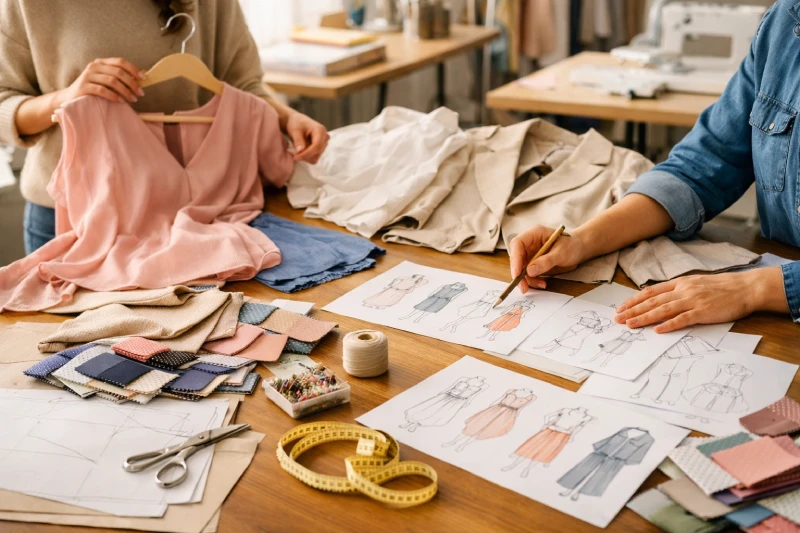
The fashion industry has seen rapid growth in independent brands and boutique labels, many of which rely on private label women’s clothing manufacturers to bring their designs to market. Instead of investing in their own factories, fashion entrepreneurs partner with experienced manufacturers who can produce garments under their brand name. This model allows brands to focus on design, marketing, and customer experience while outsourcing the complexities of apparel production.
Private label women’s clothing manufacturers provide a complete production solution, from sourcing fabrics and developing samples to managing bulk manufacturing and quality control. This approach is particularly popular among boutique brands, online fashion retailers, and startups looking to launch unique women’s clothing collections.
In this guide, we will explore how private label women’s clothing production works, the types of garments manufacturers produce, the customization options available, and how to choose the right manufacturing partner for your fashion brand.
What Are Private Label Women’s Clothing Manufacturers
Private label women’s clothing manufacturers are garment factories that produce apparel for brands under the brand’s own label rather than selling products under the factory’s name. In this model, the fashion brand controls the branding, design direction, and marketing, while the manufacturer focuses on the technical aspects of garment production.
Many private label women’s clothing manufacturers provide end-to-end services that support fashion brands throughout the development process. These services often include fabric sourcing, pattern making, sample development, grading, bulk production, and quality inspection. By working with experienced manufacturers, brands can turn design concepts into finished garments ready for retail or e-commerce distribution.
This model is widely used by boutique brands, online fashion retailers, influencers launching clothing lines, and established fashion companies expanding their product range. With private label womens clothing production, brands gain access to professional manufacturing capabilities while maintaining full ownership of their brand identity and product positioning.
Types of Women’s Clothing Produced by Private Label Manufacturers
Private label women’s clothing manufacturers typically produce a wide range of garments to support different fashion brands, boutiques, and online retailers. Depending on the factory’s specialization, manufacturers may focus on knitwear, woven garments, or performance apparel. Understanding the common categories produced by private label women’s clothing manufacturers helps brands identify the right partner for their product line.
Dresses
Dresses are one of the most popular categories in private label women’s clothing production. Manufacturers produce various styles such as casual dresses, summer dresses, evening dresses, and knit dresses. Fashion brands often develop seasonal dress collections with different silhouettes, fabrics, and prints to match changing trends and customer preferences.
Tops
Women’s tops include a wide variety of garments such as blouses, crop tops, knit tops, and casual t-shirts. These items are often produced in high volumes because they are essential pieces in most women’s wardrobes. Private label manufacturers can support both simple everyday tops and more fashion-driven styles with unique details.
Activewear
Many manufacturers also produce women’s activewear, including yoga sets, leggings, sports bras, and gym tops. With the global growth of fitness and athleisure fashion, women’s clothing private label production increasingly includes performance fabrics and stretch materials designed for comfort and movement.
Boutique Clothing
Private label boutique clothing focuses on smaller collections designed for fashion boutiques and independent brands. These garments are often trend-driven, produced in limited quantities, and feature unique fabrics, trims, or silhouettes that help brands differentiate themselves in the market.
Benefits of Private Label Women’s Clothing Production
Private label manufacturing has become a popular model for fashion brands because it allows companies to build their own clothing lines without managing complex production operations. By partnering with private label women’s clothing manufacturers, brands can focus on design, marketing, and customer relationships while experienced factories handle garment production.
Brand Ownership
One of the biggest advantages of private label production is that brands maintain full ownership of their products. Instead of selling clothing under a supplier’s brand, companies can build their own identity, labels, and collections in the market.
Lower Startup Costs
Starting a clothing brand with private label manufacturing requires significantly less capital compared to operating a factory. Brands avoid investing in machinery, production facilities, and manufacturing staff while still accessing professional production capabilities.
Faster Product Development
Experienced manufacturers already have pattern makers, sample rooms, and established production processes. This allows brands to move from design concepts to finished garments more efficiently.
Flexible Production
Many private label womens clothing manufacturers offer flexible order quantities, making it possible for startups and boutique brands to produce smaller collections and gradually scale production as demand grows.
Access to Manufacturing Expertise
Manufacturers bring valuable industry knowledge, including fabric sourcing, garment construction techniques, and quality control processes that help ensure consistent product quality.
How Women’s Clothing Manufacturing Works
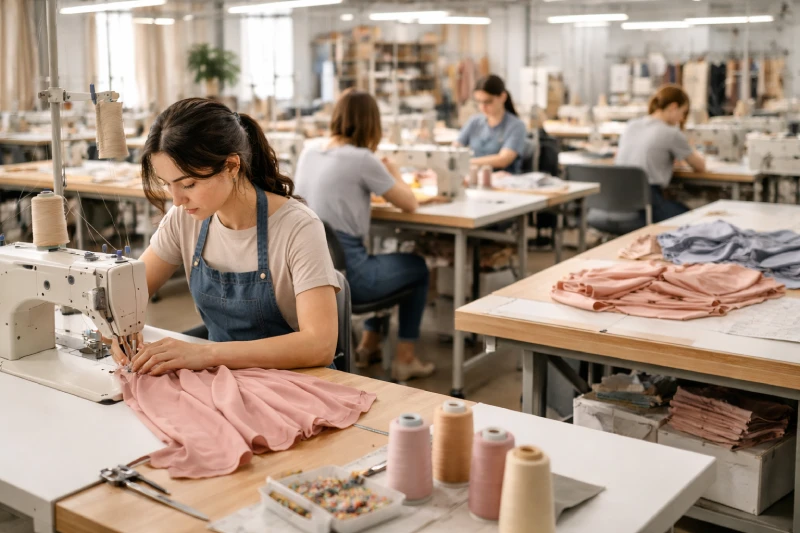
Understanding how production works helps brands collaborate more effectively with private label women’s clothing manufacturers. Although specific workflows may vary between factories, most women’s clothing production follows a structured process from design development to final delivery.
Step 1 — Design Development
The process typically begins with the brand providing design references such as sketches, technical drawings, or tech packs. These documents outline important details including measurements, materials, construction methods, and finishing requirements. Manufacturers review the information to confirm production feasibility.
Step 2 — Fabric Sourcing
Once the design is approved, the manufacturer sources suitable fabrics and trims. Common materials used in private label women’s clothing production include cotton, polyester, rayon, and blended fabrics depending on the garment style.
Step 3 — Sampling
قبل بدء الإنتاج الكمي، يقوم المصنّعون بإعداد عينات استنادًا إلى التصميم المعتمد. تتيح هذه العينات للعلامات التجارية تقييم المقاس وجودة التصنيع والمظهر العام. ويمكن إجراء التعديلات خلال هذه المرحلة لضمان أن المنتج النهائي يلبي التوقعات.
Step 4 — Bulk Production
بعد اعتماد العينة، تبدأ المصانع التصنيع الكمي. تشمل هذه المرحلة قصّ القماش، وخياطة القطعة، وأعمال التشذيب، وعمليات التشطيب.
Step 5 — Quality Inspection
تفحص فرق مراقبة الجودة القطع للكشف عن مشكلات مثل عيوب الخياطة، أو عدم اتساق المقاسات، أو عيوب القماش.
Step 6 — Packaging and Shipping
يتم تغليف الملابس الجاهزة وفقًا لمتطلبات العلامة التجارية وتجهيزها للشحن إلى المستودعات أو متاجر التجزئة أو مراكز تنفيذ طلبات التجارة الإلكترونية.
Customization Options for Women’s Private Label Clothing
أحد الأسباب الرئيسية التي تدفع العلامات التجارية للعمل مع مصنّعي ملابس نسائية بعلامة خاصة هو القدرة على تخصيص القطع بما يتوافق مع هوية العلامة التجارية والسوق المستهدف. يتيح الإنتاج بعلامة خاصة للشركات التحكم في كل شيء بدءًا من اختيار القماش وصولًا إلى تفاصيل العلامة التجارية، بما يتيح إنشاء مجموعات فريدة تبرز في سوق أزياء تنافسي.
Fabric Selection
يوفر المصنّعون عادةً مجموعة واسعة من خيارات الأقمشة. ويمكن للعلامات التجارية اختيار خامات مثل القطن، والبوليستر، والرايون، وقماش البامبو، أو الأقمشة المخلوطة بحسب أسلوب القطعة ومتطلبات الأداء. كما يدعم بعض المصنّعين أيضًا المواد المستدامة مثل القطن العضوي أو الأقمشة المعاد تدويرها.
Garment Design
يشمل تخصيص التصميم إجراء تعديلات على القصّات (السيلويت)، وأنماط الأكمام، وفتحات الرقبة، وأطوال القطع. ويمكن للعلامات التجارية تطوير تصاميم أصلية أو تعديل أنماط قائمة لتتوافق مع مجموعاتها الموسمية واتجاهها في الموضة.
Branding Elements
يركّز تصنيع الملابس بعلامة خاصة بشكل كبير على هوية العلامة التجارية. ويمكن للمصنّعين إضافة عناصر تخصيص للعلامة التجارية مثل الملصقات المنسوجة، وملصقات الرقبة المطبوعة، وبطاقات التعليق، والتغليف المخصص بعلامة تجارية بما يعكس صورة العلامة.
Color and Pattern
يدعم العديد من مصنّعي ملابس نسائية بعلامة خاصة الصباغة المخصصة وطباعة الأقمشة. يتيح ذلك للعلامات التجارية تطوير لوحات ألوان حصرية أو نقوش فريدة لمجموعاتها.
Size Range
يمكن للمصنّعين إنتاج الملابس ضمن نطاقات مقاسات مختلفة، بما في ذلك المقاسات القياسية، والمقاسات الممتدة، ومجموعات المقاسات الكبيرة لتلبية احتياجات شرائح عملاء متنوعة.
How to Choose a Women’s Clothing Manufacturer
يُعد اختيار شريك التصنيع المناسب أحد أهم القرارات عند إطلاق علامة أزياء. فـ مصنّعو ملابس نسائية بعلامة خاصة الموثوقون لا يقتصر دورهم على إنتاج الملابس فحسب، بل يدعمون أيضًا تطوير المنتج، ومراقبة الجودة، ونمو العلامة التجارية على المدى الطويل. ويساعد تقييم عدة عوامل رئيسية العلامات التجارية على العثور على مصنّع يلائم احتياجاتها الإنتاجية.
Manufacturing Experience
ينبغي على العلامات التجارية إعطاء الأولوية للمصنّعين ذوي الخبرة المثبتة في إنتاج الملابس النسائية. فالمصانع المتخصصة في الفساتين أو القمصان أو ملابس البوتيك تمتلك عادةً معرفة أقوى ببناء القطعة ومعايير المقاسات واتجاهات الموضة.
Minimum Order Quantity (MOQ)
تختلف كميات الحد الأدنى للطلب (MOQ) من مصنّع لآخر. وغالبًا ما تستفيد الشركات الناشئة وعلامات البوتيك من المصانع التي تقدم حدًا أدنى أقل للطلب، ما يتيح لها اختبار تصاميم جديدة دون الالتزام بكميات إنتاج كبيرة.
Sampling Capability
يجب على المصنّع المحترف تقديم خدمات موثوقة لتطوير العينات. ويشمل ذلك إعداد الباترون، وعينات النموذج الأولي، والمراجعات لضمان أن التصميم النهائي يلبي توقعات العلامة التجارية قبل بدء الإنتاج الكمي.
Quality Control
تُعد إدارة الجودة القوية أمرًا أساسيًا في إنتاج ملابس نسائية بعلامة خاصة . وينبغي على العلامات التجارية الاستفسار عن إجراءات الفحص، ومتابعة الإنتاج، وكيفية تعامل المصانع مع العيوب أو حالات عدم الاتساق.
Communication and Transparency
يساعد التواصل الواضح على منع مشكلات الإنتاج. يقدّم المصنّعون الجيدون جداول زمنية واقعية، وتسعيرًا شفافًا، وتحديثات منتظمة طوال عملية التصنيع.
Common Challenges in Women’s Clothing Manufacturing
على الرغم من أن العمل مع مصنّعي ملابس نسائية بعلامة خاصة يوفر العديد من المزايا، ينبغي على العلامات التجارية أيضًا فهم التحديات التي قد تظهر أثناء عملية الإنتاج. إن الوعي بهذه المشكلات المحتملة يساعد علامات الأزياء على التخطيط بفاعلية أكبر والحفاظ على عمليات تصنيع أكثر سلاسة.
Minimum Order Quantities
يفرض بعض المصنّعين حدًا أدنى مرتفعًا نسبيًا للطلبات، خاصةً عند استخدام أقمشة مخصصة أو عمليات إنتاج متخصصة. وقد يشكل ذلك تحديًا للشركات الناشئة أو علامات البوتيك التي ترغب في اختبار أنماط جديدة عبر دفعات إنتاج أصغر.
Fabric Sourcing Delays
قد يؤثر توفر الأقمشة أحيانًا على جداول الإنتاج. فقد يلزم توريد بعض الخامات من مورّدين محددين، ما قد يؤدي إلى فترات توريد أطول، خصوصًا للألوان المخصصة أو الأقمشة الفريدة.
Fit and Sizing Issues
يُعد تحقيق اتساق المقاسات عبر أنواع الأجسام المختلفة تحديًا شائعًا في إنتاج ملابس نسائية بعلامة خاصة . ويُعد التدرّج الصحيح للباترون واختبار العينات أمرين أساسيين لضمان ملاءمة القطع عبر نطاق المقاسات بالكامل.
Production Lead Time
تعتمد الجداول الزمنية للتصنيع على حجم الطلب وسعة المصنع وتوفر المواد. وخلال مواسم الذروة، قد تزداد فترات التنفيذ مع إدارة المصانع لعدة طلبات في الوقت نفسه.
Trend-Driven Market
تتغير اتجاهات أزياء النساء بسرعة، ما يتطلب من العلامات التجارية الانتقال بسرعة من التصميم إلى الإنتاج للحفاظ على القدرة التنافسية.
Conclusion
أصبح التصنيع بعلامة خاصة استراتيجية رئيسية لعلامات الأزياء التي تسعى إلى إطلاق وتنمية مجموعاتها الخاصة من الملابس النسائية. ومن خلال الشراكة مع مصنّعي ملابس نسائية بعلامة خاصة ذوي الخبرة، يمكن للعلامات التجارية الوصول إلى قدرات إنتاج احترافية دون الاستثمار في مصانعها الخاصة أو سلاسل توريد معقدة.
يدعم هؤلاء المصنّعون عملية التطوير بالكامل، بما في ذلك توريد الأقمشة، وإنشاء العينات، والإنتاج الكمي، ومراقبة الجودة. يتيح ذلك لعلامات الأزياء التركيز على التصميم وبناء العلامة التجارية وتجربة العملاء، مع ضمان تصنيع الملابس بكفاءة وباتساق.
بالنسبة للعلامات التجارية التي تخطط لدخول سوق الأزياء، يُعد اختيار شريك التصنيع المناسب أمرًا أساسيًا. فالمصنّع الموثوق ذو الخبرة القوية في إنتاج ملابس نسائية بعلامة خاصة يمكنه المساعدة في تحويل أفكار التصميم إلى ملابس عالية الجودة، مع دعم نمو العلامة على المدى الطويل والإنتاج القابل للتوسع.