
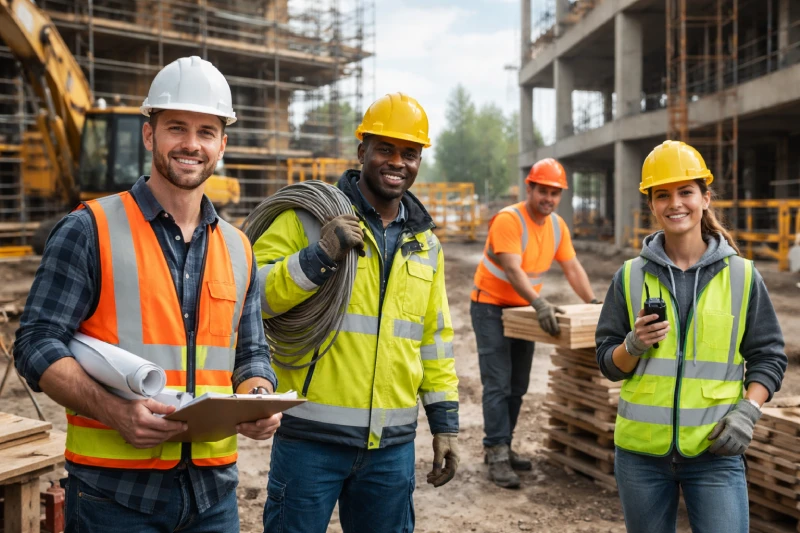
When it comes to ensuring the safety and comfort of workers on construction projects, selecting the right safety apparel is a critical decision. Procurement managers, brand owners, corporate uniform buyers, distributors, and project contractors must take a strategic approach to selecting the right protective wear for their workforce.
This guide outlines the key factors to consider when choosing safety apparel for construction projects, providing a clear decision-making framework applicable to various product categories such as headwear, t-shirts, hoodies, workwear, and more.
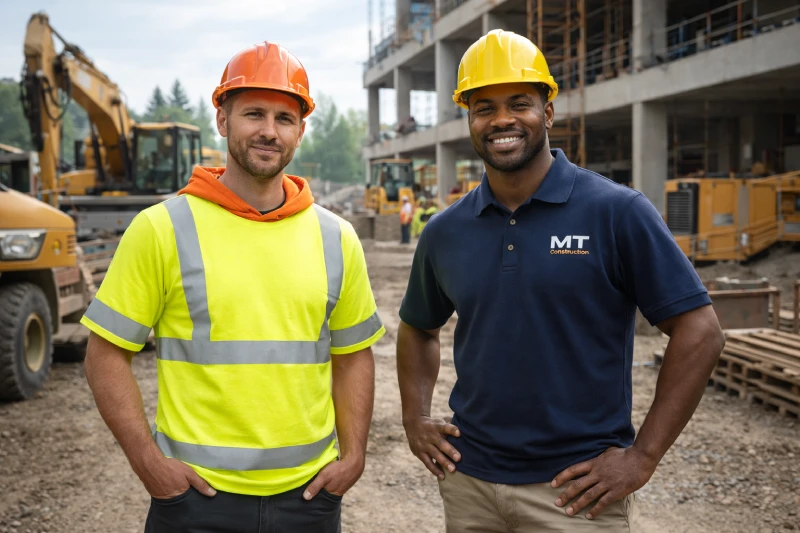
Key Considerations for Selecting Safety Apparel
1. Understand the Role and Environment of the Workforce
The type of safety apparel chosen should be tailored to the specific tasks and working conditions. Construction workers perform a wide variety of activities, each requiring different levels of protection. Factors such as worksite hazards, weather conditions, and mobility needs will influence the choice of apparel.
Factors to consider:
- Worksite environment: Is the worksite indoors or outdoors? Will workers be exposed to extreme weather, such as heat, cold, or rain?
- Potential hazards: Will workers be dealing with chemicals, electrical hazards, heavy machinery, or high-visibility tasks?
- Mobility and comfort: Construction workers require apparel that allows for ease of movement, durability, and comfort during long hours.
2. Material Selection
Choosing the right material is paramount to ensure that the apparel can withstand the rigors of construction work while also offering comfort. Different materials offer varying levels of durability, breathability, and flexibility.
Common materials used in safety apparel:
- Cotton: Known for comfort, cotton is breathable but may not offer adequate durability for all tasks.
- Polyester: Durable and resistant to shrinking, polyester is often blended with cotton for greater resilience.
- Nylon: Lightweight and durable, often used for jackets, work pants, and safety vests.
- Aramid (e.g., Nomex, Kevlar): These materials are highly flame-resistant and are often used for apparel designed to protect against heat and fire.
3. Compliance with Safety Standards
Safety apparel must meet specific regulatory standards to ensure that it provides adequate protection to workers. The exact standards will vary by region, but globally recognized certifications such as ANSI (American National Standards Institute) or EN ISO (European Standards) should be considered. Make sure to review the certifications to ensure the apparel is compliant with local regulations.
4. Customization Options
Customizing safety apparel is an essential consideration for many businesses. Branding, logo placement, and uniform consistency are important for project cohesion and corporate identity. Additionally, customized safety gear can help workers easily identify their roles and responsibilities on-site.
Customization options include:
- Embroidery and printing for logos and company names
- Color coding for different departments or teams
- Custom sizing and fits for specific employee needs
5. Bulk Orders, MOQ, and Lead Time
For large-scale construction projects, bulk orders are often required. When ordering safety apparel in bulk, procurement managers should consider the manufacturer’s Minimum Order Quantity (MOQ) and production lead times. Customization and specific material requirements may also impact the overall timeline for delivery.
Key factors to consider:
- MOQ: Ensure that the MOQ aligns with your project needs to avoid unnecessary overstocking or under-ordering.
- Lead time: Account for production and shipping time to ensure the apparel arrives before workers are needed on-site.
- Order flexibility: Check if the manufacturer can accommodate changes to the order based on evolving project needs.
6. Fit and Sizing Considerations
The fit of safety apparel is crucial for comfort and performance. A properly fitted garment ensures greater mobility and reduces the risk of accidents caused by poorly fitting clothing. Workwear should not be too tight or too loose, as either can compromise safety and comfort.
Key sizing factors:
- Size range: Ensure the manufacturer offers a comprehensive range of sizes, including options for larger or smaller workers.
- Adjustable features: Look for apparel with adjustable cuffs, waistbands, and other features that allow for a more customized fit.
- Consider layering: Depending on the climate and environment, layered safety apparel (such as base layers under jackets) may be necessary.
7. Weather and Seasonality
Construction projects operate year-round, and workers often face varying weather conditions. Ensuring that workers are protected from the elements is essential for both safety and comfort.
Weather considerations:
- Heat and sun exposure: For hot climates, lightweight, breathable fabrics with UV protection should be chosen. Also, lightweight caps or hats can provide protection from the sun.
- Cold and wet conditions: In colder climates, safety apparel should include insulated jackets, waterproof coats, and thermal gear to maintain warmth and dryness.
8. Specialized Apparel Categories
While safety apparel can cover a range of categories, different types of apparel offer distinct benefits and should be selected based on their specific use case.
Headwear & Caps
Caps and headwear protect workers from sun exposure and falling debris. Safety helmets, often made of durable plastic, may also be required for high-risk environments.
T-Shirts & Polos
For warmer conditions, moisture-wicking t-shirts and polos offer comfort and breathability while maintaining safety compliance.
Hoodies & Sweatshirts
In cooler environments, hoodies and sweatshirts offer warmth while maintaining mobility. These should be constructed from durable, flexible materials that can withstand rugged use.
Sportswear & Activewear
For projects involving significant physical activity, activewear and sportswear that offer flexibility, comfort, and moisture-wicking properties are ideal.
Workwear & Safety Apparel
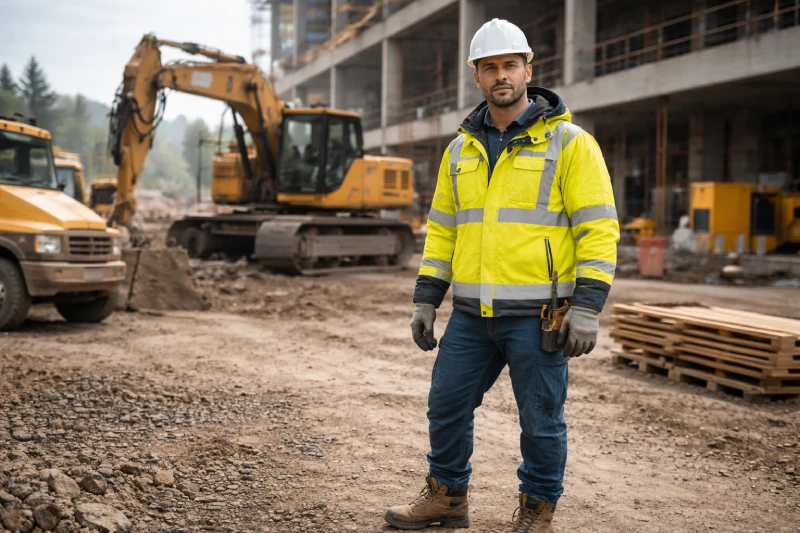
Workwear includes items such as safety vests, jackets, pants, and gloves designed to protect workers from physical hazards, including heavy machinery and sharp objects. Safety apparel may include high-visibility materials, flame-resistant fabrics, or waterproof coatings depending on the worksite.
Comparison Table: Key Factors to Consider by Apparel Category
| Category | Material | Customization Options | Compliance Standards | Weather Consideration |
|---|---|---|---|---|
| Headwear & Caps | Cotton, Polyester, Nylon | Embroidery, Color Options | ANSI/EN ISO standards | Sun protection, light weather |
| T-Shirts & Polos | Cotton, Polyester | Custom Prints, Branding | ANSI/EN ISO standards | Heat resistance, breathability |
| Hoodies & Sweatshirts | Cotton, Polyester, Fleece | Embroidery, Branding | ANSI/EN ISO standards | Cold weather, layering |
| Sportswear & Activewear | Polyester, Spandex | Logo Printing, Custom Colors | ANSI/EN ISO standards | Flexibility, breathability |
| Workwear & Safety Apparel | Aramid, Nylon, Polyester | Logos, Color Coding | ANSI/EN ISO standards | Rain, cold weather, high visibility |
Checklist for Selecting the Right Safety Apparel for Construction Projects
- Know the worksite environment and task-specific needs (indoors vs outdoors, exposure to chemicals, etc.).
- Choose materials based on durability, comfort, and weather appropriateness.
- Ensure compliance with safety regulations (e.g., ANSI, EN ISO).
- Consider customization needs (logos, sizes, color coding).
- Account for bulk order requirements and flexibility on MOQs and lead times.
- Check sizing options for a proper fit, with room for adjustments.
- Evaluate weather conditions to select appropriate attire for hot, cold, or wet conditions.
Conclusion: Ready to Make Your Selection?
Choosing the right safety apparel for construction projects requires careful consideration of several factors. By understanding the specific needs of your workforce and the project environment, selecting the right materials, and ensuring compliance with safety standards, you can make an informed decision that helps protect your team while promoting efficiency and comfort on-site.
If you are ready to discuss your project requirements or need further assistance in selecting the best safety apparel, please don’t hesitate to reach out. Our team is here to guide you through the process and help you find the ideal solution for your construction project.