For overseas B2B buyers, moisture-wicking fabrics are no longer limited to performance sportswear. They are increasingly specified across caps, polos, hoodies, corporate uniforms, and safety apparel, where comfort, heat regulation, and long-term wearability directly affect adoption rates and replacement cycles.
This guide explains how moisture-wicking fabrics function, how buyers can evaluate them using practical decision logic, and how fabric priorities shift across apparel categories. The focus is not on products or SKUs, but on material selection frameworks relevant to multi-category custom apparel manufacturing.
Why Moisture-Wicking Matters in B2B Apparel Programs
In B2B procurement, fabric performance influences more than wearer comfort. It impacts:
- Uniform compliance and employee acceptance
- Brand perception in customer-facing roles
- Garment lifecycle cost and replacement frequency
- Suitability across climates, job intensity, and seasonal use
Unlike consumer apparel, B2B programs must accommodate diverse body types, extended wear durations, repeated laundering, and in many cases industrial or high-heat environments. Moisture-wicking fabrics therefore play a functional role in risk reduction and long-term cost control, not just comfort enhancement.
What “Moisture-Wicking” Really Means (and What It Does Not)
Core Definition
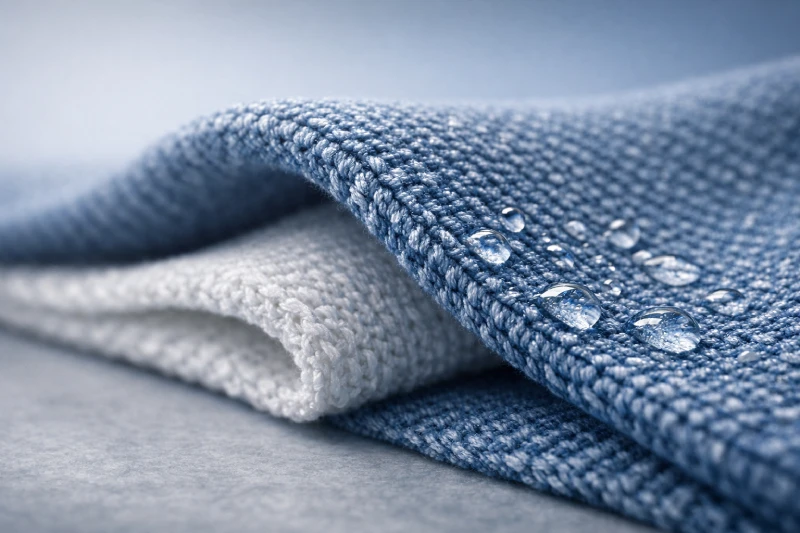
Moisture-wicking fabrics are engineered to transport perspiration away from the skin and disperse it across a larger surface area, allowing faster evaporation and reduced dampness.
This behavior is influenced by:
- Fiber geometry (e.g. multi-channel or profiled fibers)
- Fabric construction (knit structure, density, face/back differentiation)
- Surface treatments that alter hydrophilic behavior
Common Misconceptions Buyers Should Avoid
| Assumption | Reality |
|---|---|
| Moisture-wicking equals breathability | They are related but not identical properties |
| Only synthetic fabrics can wick | Treated natural fibers and blends can also perform |
| Wicking performance is permanent | Some finishes degrade with washing |
| One fabric works across all categories | Caps, garments, and safety wear require different solutions |
Key Selection Factors for Moisture-Wicking Fabrics
Fiber Composition Strategy
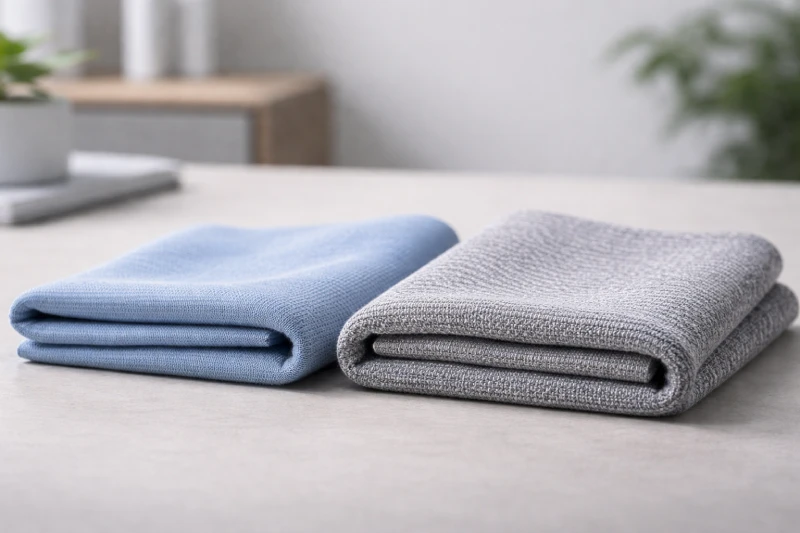
Fiber selection defines the baseline moisture behavior and cost structure.
| Fiber Type | Wicking Characteristics | Typical B2B Applications |
|---|---|---|
| Polyester | Strong capillary action, stable | Sportswear, polos, caps |
| Nylon | Fast drying, high durability | Compression layers, safety wear |
| Cotton | Absorbs moisture, slow release | Comfort-focused uniforms |
| Blends | Balanced performance | Corporate apparel, hybrid use |
Procurement Insight:
For bulk programs, blended fabrics often offer the most predictable balance between performance consistency, decoration compatibility, and cost control.
Fabric Construction and Surface Design (Expanded)
Beyond fiber choice, fabric construction determines how effectively moisture moves through the garment.
Key aspects buyers should evaluate include:
- Single-knit vs double-knit structures, where inner surfaces prioritize moisture pickup and outer surfaces support evaporation
- Fabric density and gauge, which influence airflow and drying speed
- Surface zoning, such as mesh panels or engineered ventilation areas
- Pile structure in fleece, which affects internal moisture retention
How buyers can assess this in sampling:
- Compare inner vs outer fabric faces during wear testing
- Observe drying time after controlled moisture exposure
- Check whether thicker fabrics trap moisture despite “wicking” claims
Category difference:
Caps depend on localized moisture control at sweatbands and crown linings, while garments require consistent moisture transport across larger surface areas. Applying the same construction logic to both often leads to underperformance.
Durability of Wicking Performance (Expanded)
For B2B buyers, initial performance is insufficient if it degrades after repeated use.
Important durability considerations include:
- Wash cycle resistance (domestic vs industrial laundering)
- Abrasion at high-contact zones such as underarms, collars, or headbands
- Chemical finish longevity, particularly in treated fabrics
- Compatibility with detergents and softeners commonly used in uniform programs
Risk-aware buyers should request:
- Wash performance data after 20–50 cycles
- Clarification on whether wicking is fiber-based or finish-based
- Testing standards used during development
This is especially critical for workwear and safety apparel, where garments are exposed to heat, friction, and frequent washing.
Moisture-Wicking Across Different Apparel Categories
Activewear & Sportswear
- Emphasis on rapid sweat dispersal and fast drying
- Lightweight synthetics with engineered knits
- Optional odor-control treatments for intensive use
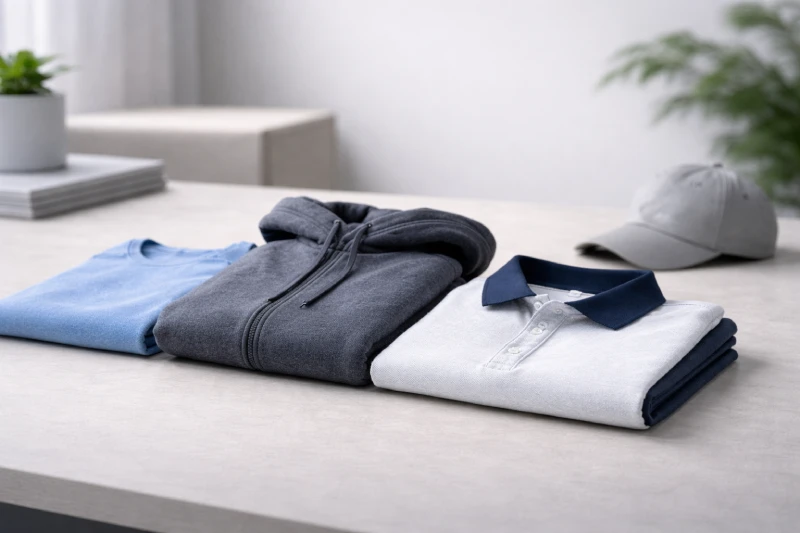
T-Shirts & Polos (Corporate and Promotional)
- Balance between comfort, appearance, and easy care
- Polyester-cotton blends common
- Moisture control supports all-day wear in mixed climates
Hoodies & Sweatshirts
- Focus on internal moisture balance
- Wicking inner layers combined with thermal insulation
- Important for layered uniforms and transitional weather use
Headwear & Caps
- Localized moisture management at sweat zones
- Quick-dry linings prevent odor buildup
- Structural stability must not be compromised by fabric choice
Workwear & Safety Apparel
- All-day comfort under physical stress
- Moisture control integrated with protective requirements
- Durability and compliance take priority over lightweight feel
Customization Considerations for Moisture-Wicking Fabrics (Expanded)
Decoration methods can significantly affect moisture behavior.
| Decoration Method | Key Considerations |
|---|---|
| Screen printing | May block airflow in large areas |
| Heat transfer | Localized impact on evaporation |
| Embroidery | Adds weight; avoid high-sweat zones |
| Sublimation | Best for polyester-based wicking fabrics |
Bulk production insight:
Decoration that performs well on samples may behave differently at scale. Buyers should evaluate placement, density, and long-term wash impact before final approval.
MOQ, Lead Time, and Production Planning
Typical planning considerations include:
| Factor | Notes |
|---|---|
| MOQ | Influenced by fabric type and customization |
| Fabric sourcing | Stock fabrics vs custom-developed |
| Sampling | Lab dips, wear tests, decoration trials |
| Lead time | Fabric + production + quality control |
Caps often involve more components, while garments benefit from fabric economies of scale.
Quality Control Checklist for Buyers
Before bulk confirmation:
- ✔ Fabric composition and weight approved
- ✔ Wicking test method clarified
- ✔ Wash durability expectations aligned
- ✔ Decoration impact reviewed
- ✔ Category-specific stress points assessed
Common Mistakes to Avoid
- Relying solely on retail performance claims
- Ignoring wash durability in uniform programs
- Using one moisture-wicking spec across all categories
- Over-decorating high-sweat areas
- Skipping real-use sampling
Final Thoughts & Next Steps
Moisture-wicking fabrics should be viewed as a system-level decision, shaped by fiber choice, construction, category application, and customization planning.
For overseas buyers managing multi-category apparel programs, early alignment on use scenarios, climate conditions, branding needs, and volume expectations leads to better performance and fewer downstream issues.
We welcome a technical discussion to help evaluate moisture-wicking fabric strategies aligned with your specific project requirements.