
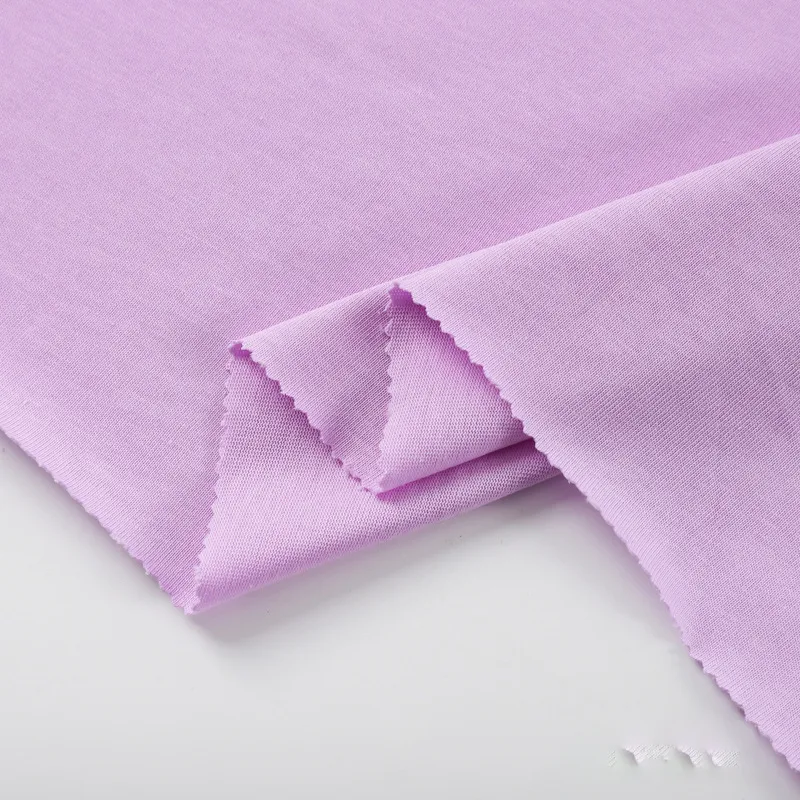
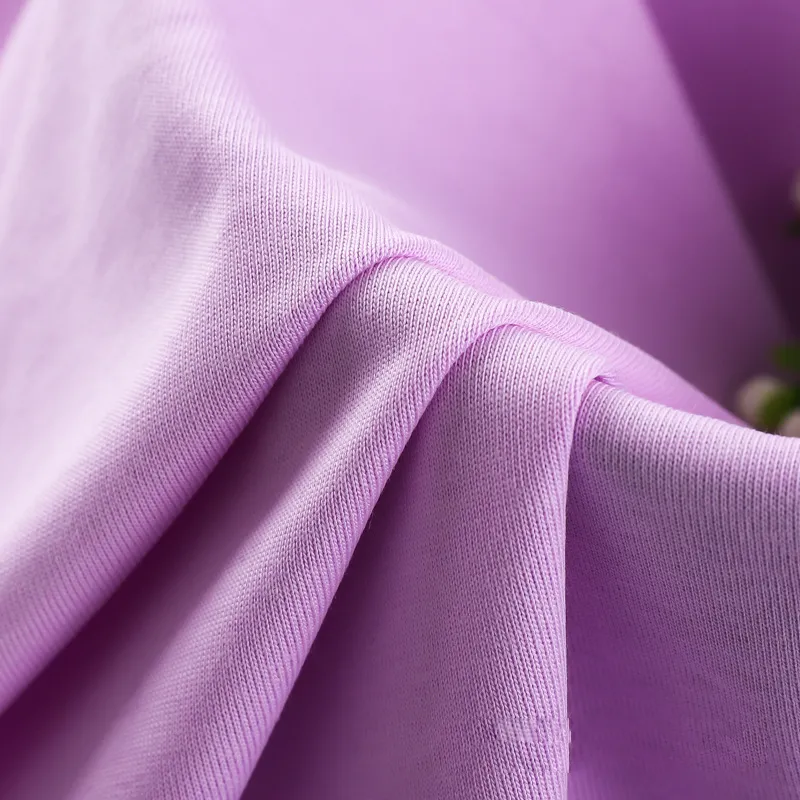
Cotton Jersey Fabric for T-Shirts and Casual Apparel
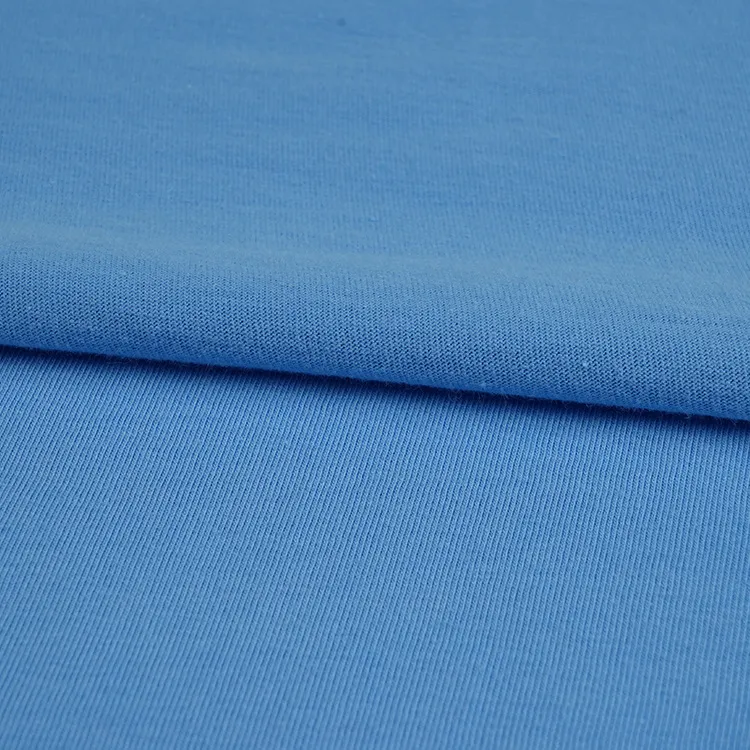
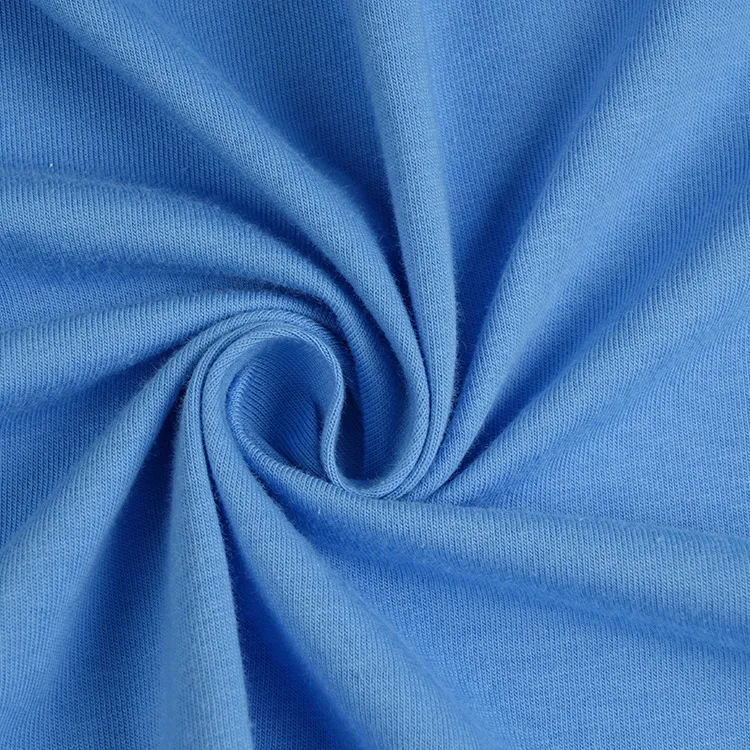
Cotton jersey fabric is commonly used for producing T-shirts, casual tops, children's garments, and lightweight base layers. Its soft cotton texture, breathable knit structure, and natural stretch make it suitable for everyday apparel worn close to the skin, including underwear, sleepwear, and relaxed sportswear.
| Fabric Specifications | |||
|---|---|---|---|
| Material | 100% Cotton | Fabric Structure | Single Jersey Knit |
| Weight (GSM) | 160 – 230 GSM | Yarn Count | 21s / 32s Cotton Yarn |
| Width | 160 – 185 cm | Knitting Gauge | Standard Single Jersey Gauge |
| Elasticity | Natural Horizontal Stretch | Fabric Finish | Combed Cotton, Dyed Finish |
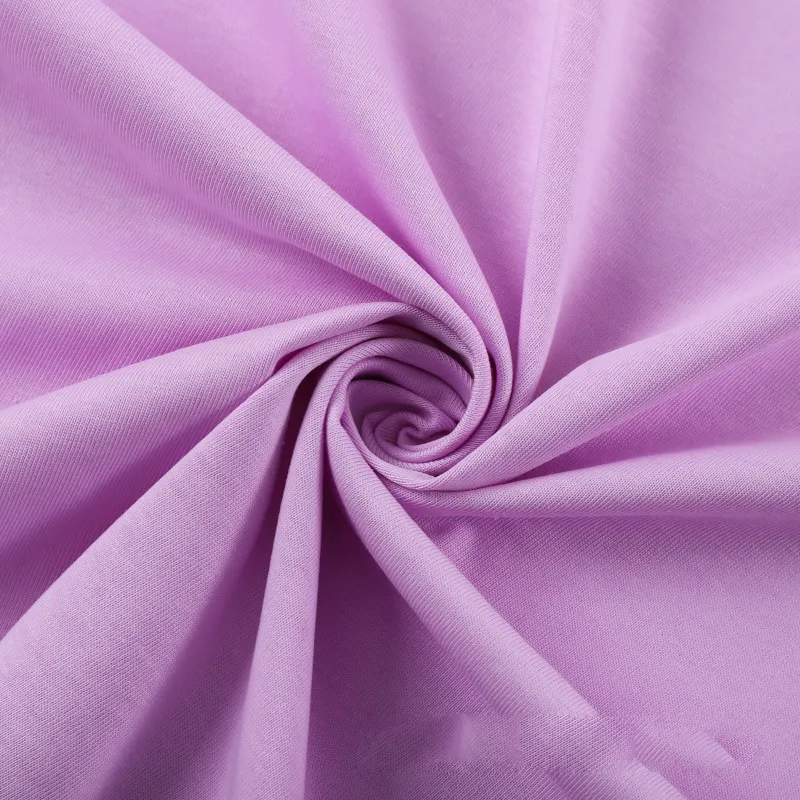
| Color Options | Solid Dyed Colors Available | MOQ | Depends on color and customization requirements |


Product Overview & Key Features
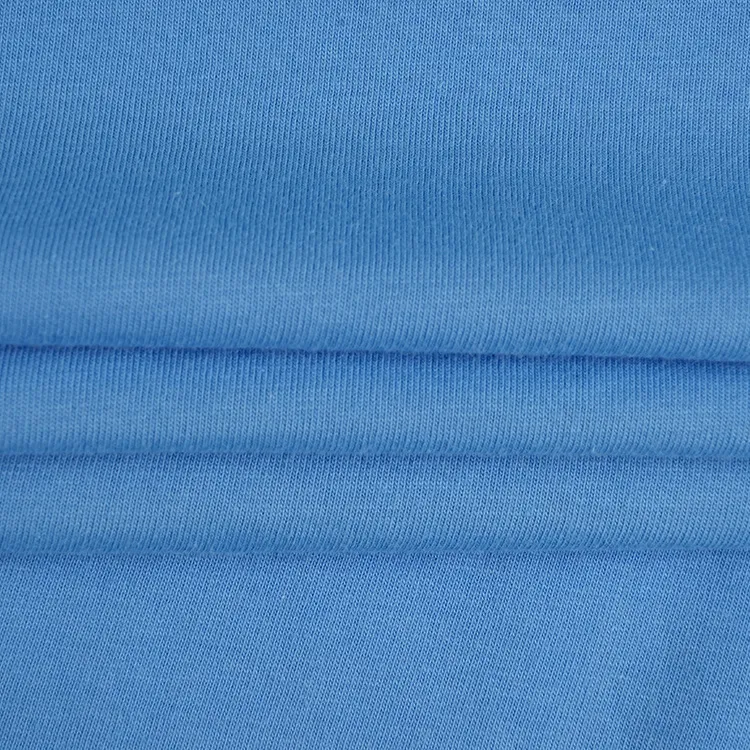
Cotton jersey fabric is a knitted textile produced using a single jersey knitting structure, which creates a smooth face and a slightly textured back. This structure provides natural stretch across the width of the fabric, making it comfortable and flexible for everyday clothing. Manufactured with cotton yarns such as 21s or 32s, the fabric offers a balance of softness, durability, and breathability.
With fabric weights typically ranging from 160 to 230 GSM, cotton jersey is suitable for a wide variety of apparel applications, especially T-shirts and casual garments. The combed cotton process removes short fibers, resulting in a smoother and more uniform surface. This improves the overall hand feel and enhances the fabric’s suitability for dyeing and printing processes used in garment production.
Key Features:
- Soft and breathable cotton fiber composition
- Comfortable stretch from the single jersey knit structure
- Smooth surface suitable for dyeing and printing
- Suitable fabric weight for T-shirts and casual garments
- Skin-friendly material ideal for daily wear
Customization Options
- Fabric weight customization (GSM adjustment)
- Yarn count options (e.g., 21s, 32s, or other counts)
- Fabric width adjustment based on production requirements
- Solid color dyeing with reactive dyes
- Pigment dyeing for vintage garment effects
- Fabric printing options such as screen printing or digital printing
- Enzyme wash or softening treatments
- Shrinkage control finishing
- Anti-pilling finishing options