
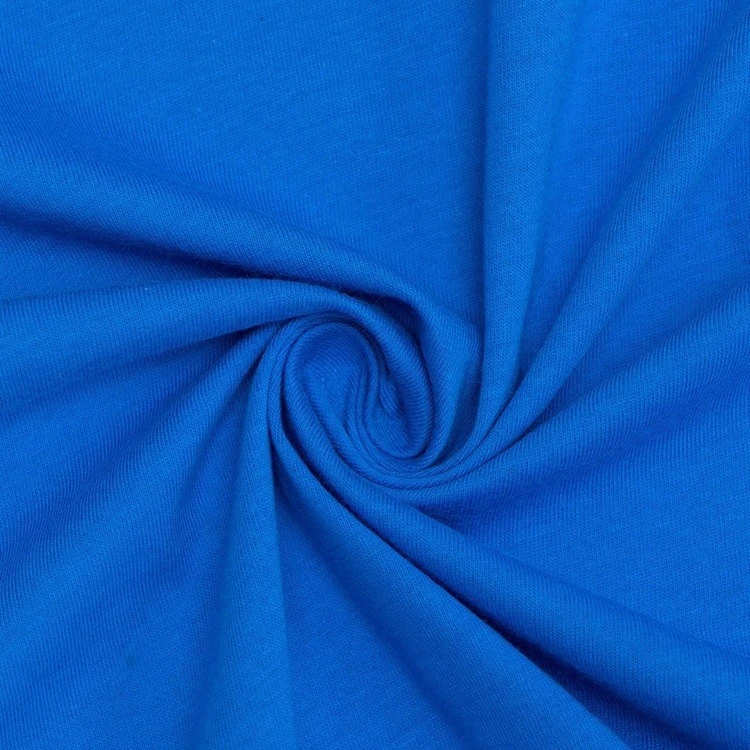
Cotton Single Jersey Fabric for T-Shirts, Casual Wear and Knit Apparel
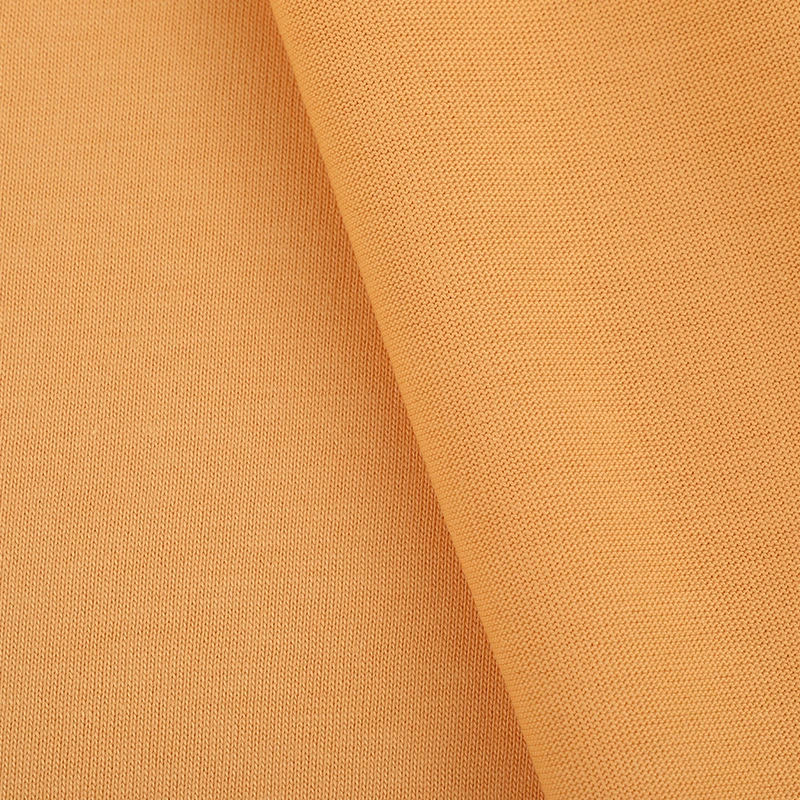
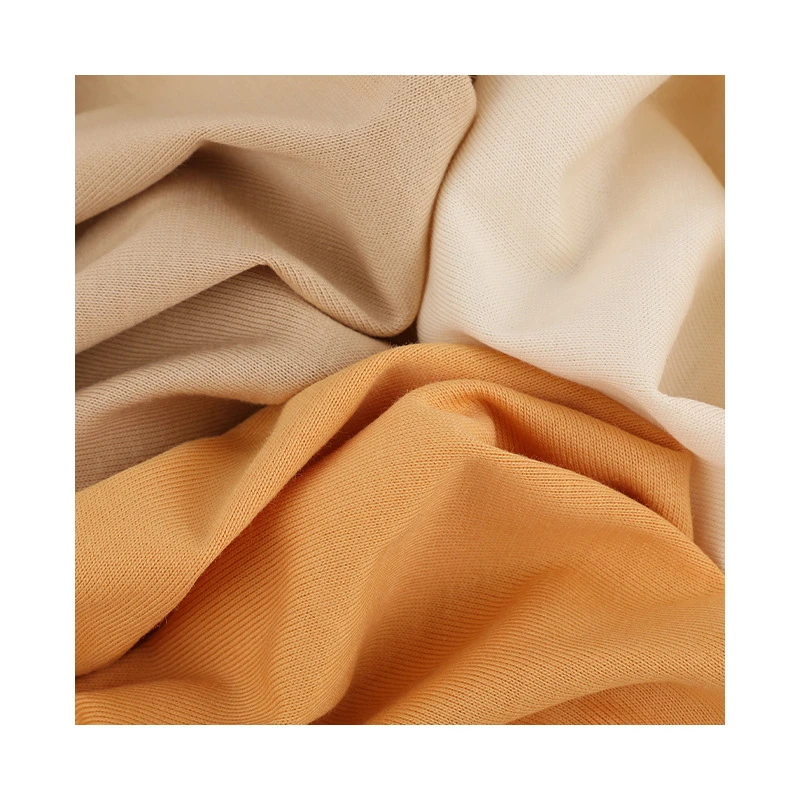
Cotton single jersey fabric is widely used in T-shirts, casual wear, children's clothing, underwear, and lightweight sportswear. Its soft hand feel and breathable structure make it suitable for everyday garments requiring comfort, flexibility, and skin-friendly performance.
| Fabric Specifications | |||
|---|---|---|---|
| Material | 100% Cotton / Cotton-Poly Blend | Fabric Structure | Single Jersey Knit |
| Weight (GSM) | 165–210 GSM | Yarn Count | 21S / 32S / 40S |
| Width | 160–175 cm | Knitting Gauge | Standard Circular Knit Gauge |
| Elasticity | Natural Crosswise Stretch | Fabric Finish | Reactive Dyed / Solid Dyed |
| Color Options | Solid Colors (Wide Shade Range) | MOQ | Flexible Depending on Order |


Product Overview & Key Features
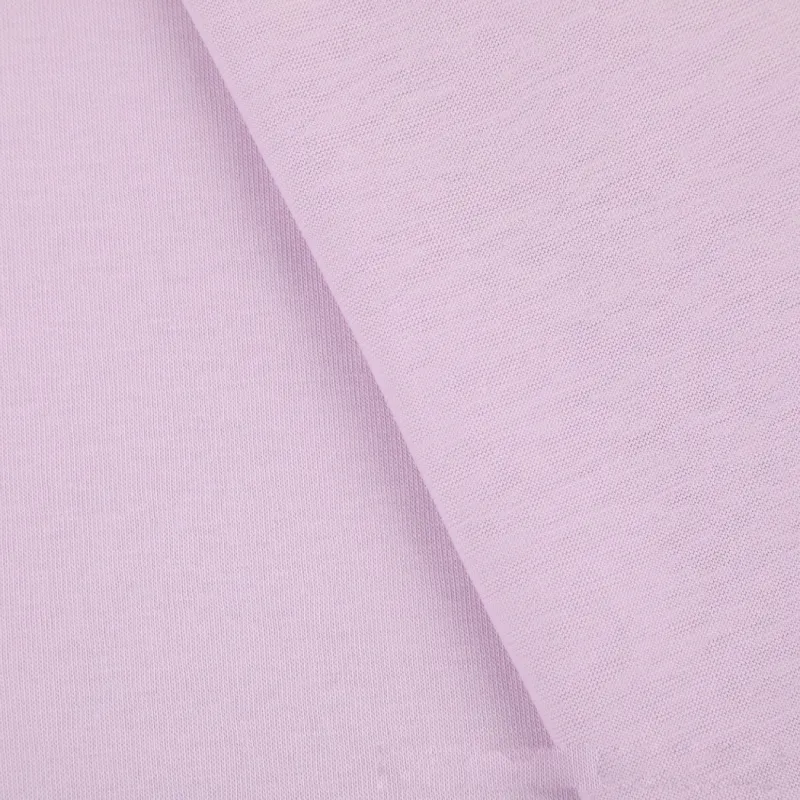
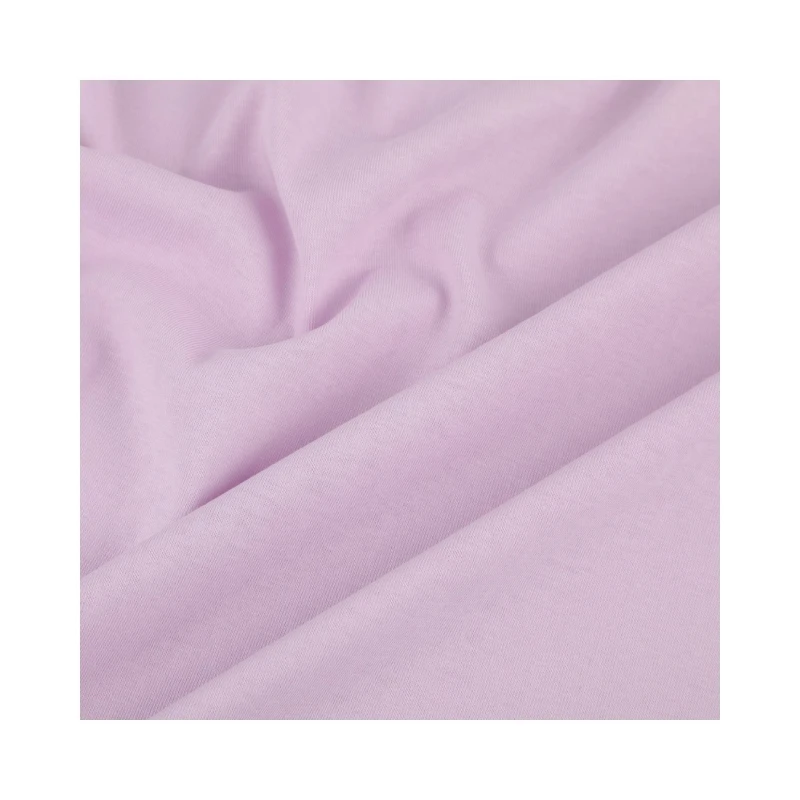
Single jersey fabric is a fundamental weft-knitted structure produced using a single set of needles, resulting in a smooth face and a slightly textured back. This construction gives the fabric natural stretch, lightweight drape, and excellent breathability.
Cotton single jersey is particularly valued in garment manufacturing for its soft hand feel and skin-friendly properties, making it suitable for direct-contact apparel. Depending on yarn count and GSM, the fabric can be adjusted for lightweight summer T-shirts or slightly heavier casual garments. Reactive dyeing ensures good color fastness and consistency, while the uniform knit structure supports efficient cutting and sewing in bulk production.
This fabric offers a balance between comfort, cost-efficiency, and versatility, making it one of the most widely used knitted fabrics in global apparel manufacturing.
Key Features:
- Soft and breathable cotton-based structure
- Natural stretch for improved wear comfort
- Smooth surface suitable for printing and dyeing
- Stable quality for mass garment production
- Available in multiple yarn counts and weights
Customization Options
- Fabric weight customization (lightweight to midweight GSM)
- Yarn count selection (21S, 32S, 40S and others)
- Fabric width adjustment based on production requirements
- Dyeing options (reactive dyeing, solid dyeing)
- Printing compatibility (screen printing, digital printing)
- Finishing options (enzyme wash, softening treatment)
- Functional treatments (anti-pilling, moisture management)