
Interlock Jersey Fabric for T-Shirts, Base Layers, and Premium Knitwear
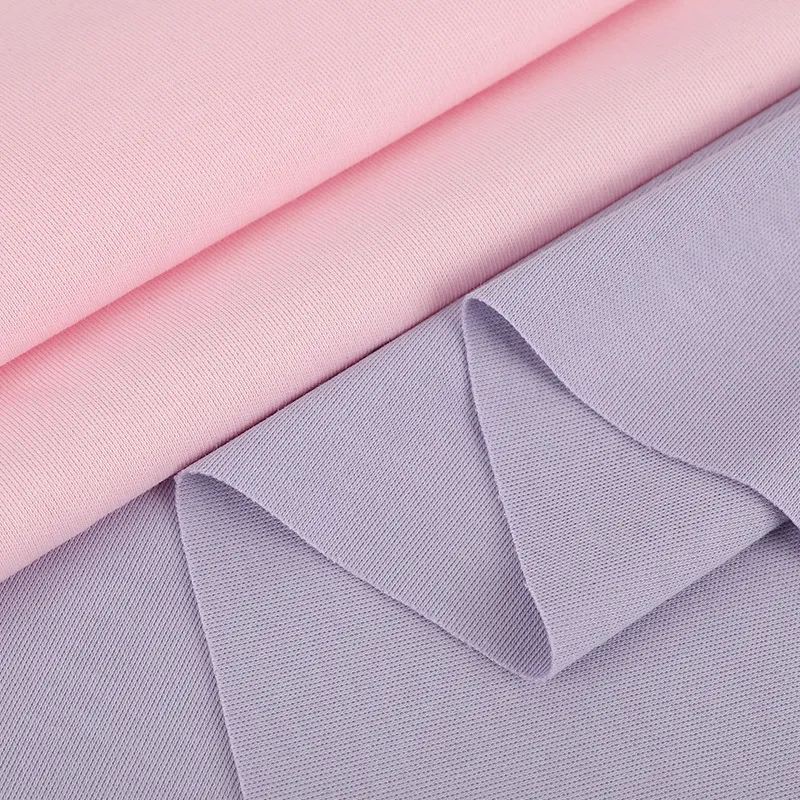
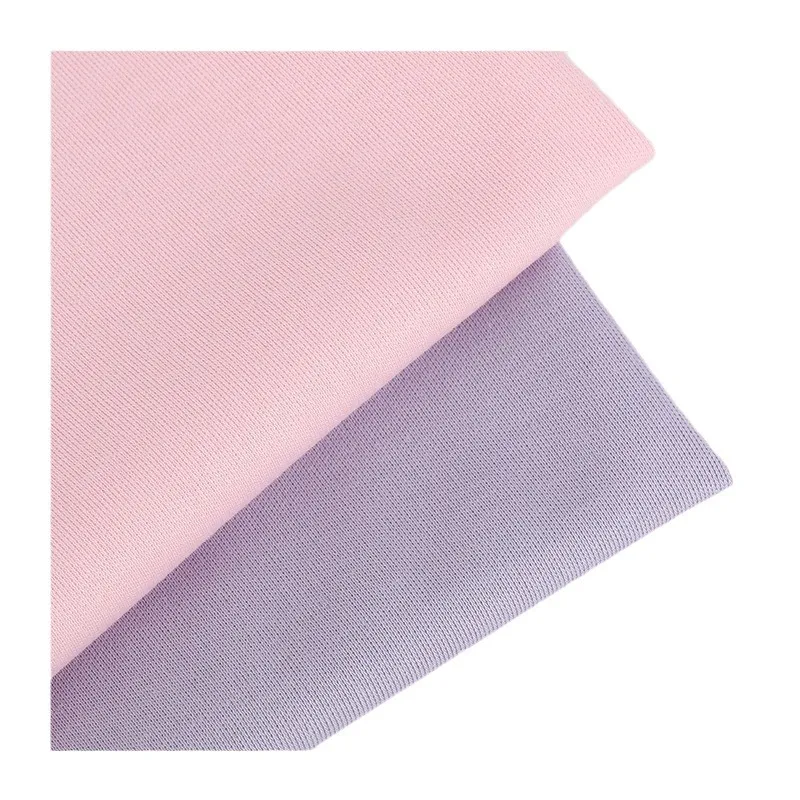
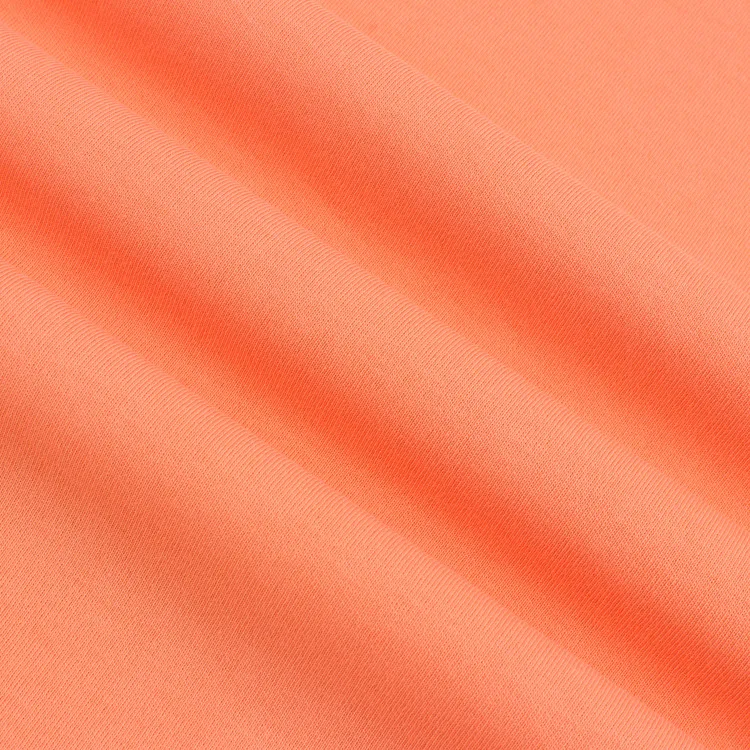
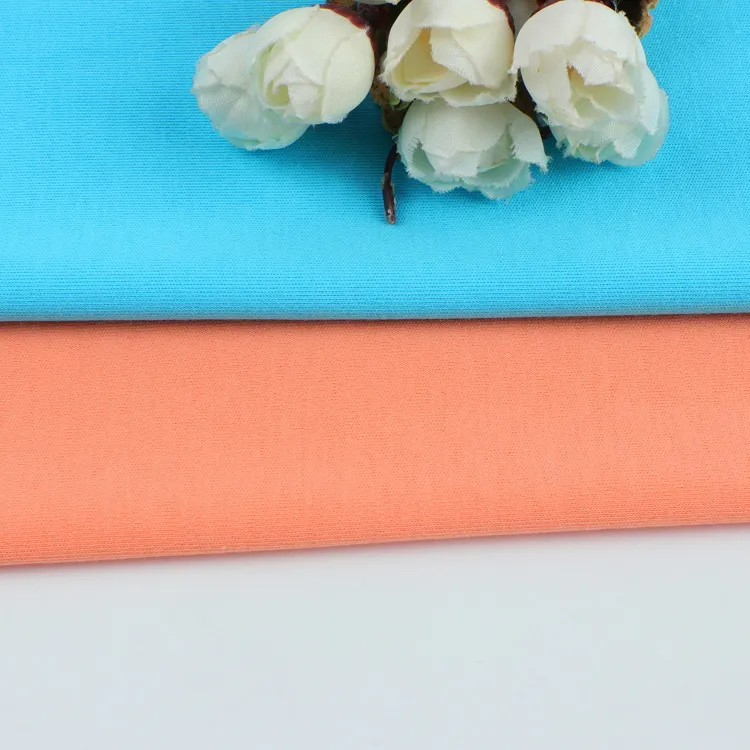
Interlock jersey fabric is widely used in T-shirts, casual wear, children’s clothing, underwear, and lightweight sportswear. Its smooth double-knit construction provides enhanced comfort, making it suitable for garments that require softness, structure, and improved durability.
| Fabric Specifications | |||
|---|---|---|---|
| Material | Cotton / Polyester / Spandex Blends | Fabric Structure | Interlock (Double Knit) |
| Weight (GSM) | 180–220 GSM | Yarn Count | 40S / 50S / 60S |
| Width | 175–185 cm | Knitting Gauge | 28–32 Gauge |
| Elasticity | Moderate to High (with Spandex) | Fabric Finish | Dyed / Enzyme Washed / Soft Finish |
| Color Options | Solid Dyed / Custom Colors | MOQ | Negotiable |


Product Overview & Key Features
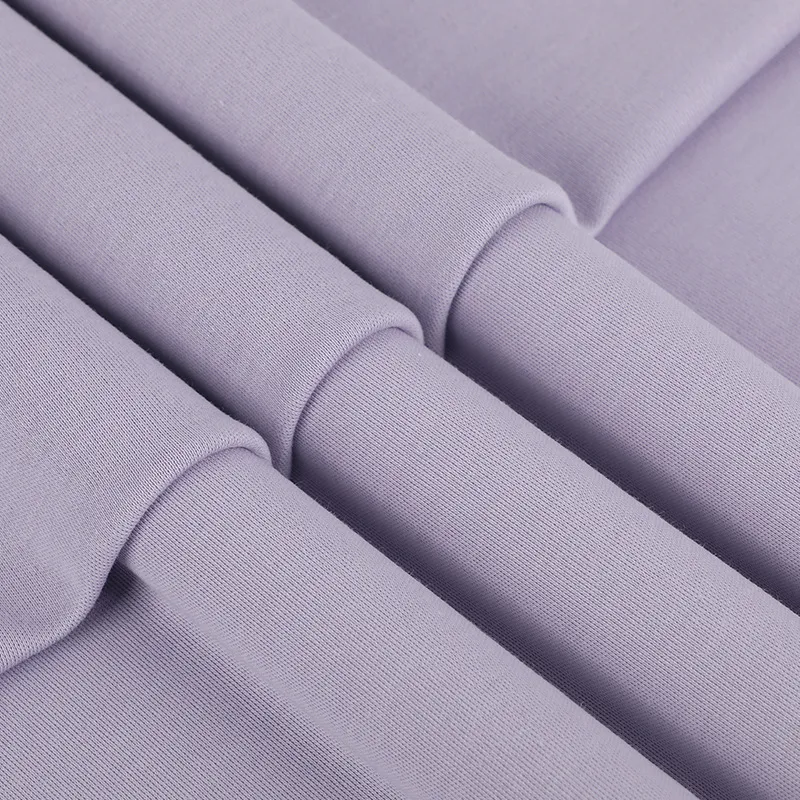
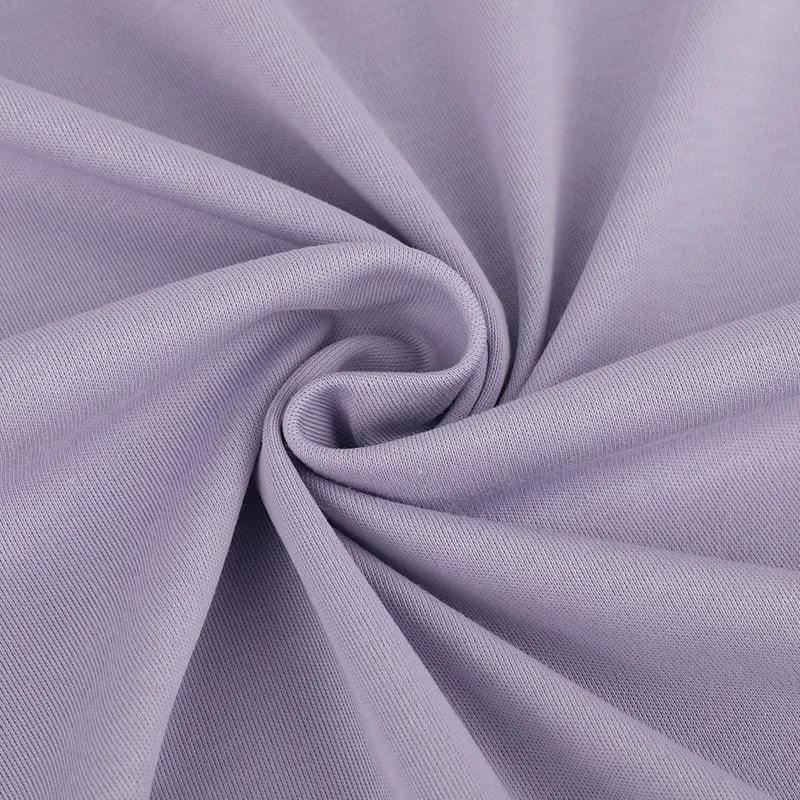
Interlock jersey fabric is a double-knit structure produced by intermeshing two layers of loops, resulting in a thicker, more stable fabric compared to single jersey. Both sides of the fabric appear smooth and identical, offering a refined surface suitable for higher-quality garments. This structure enhances dimensional stability, reduces curling at edges, and improves durability during wear and washing.
The fabric is known for its soft hand feel, excellent breathability, and balanced stretch, especially when blended with elastane. It provides a comfortable fit while maintaining shape retention, making it ideal for garments that require both comfort and structure. Interlock jersey is widely used in premium T-shirts, base layers, and fashion knitwear where a slightly heavier and more substantial fabric is preferred.
Key Features:
- Double-knit construction with smooth surface on both sides
- Enhanced thickness and durability compared to single jersey
- Soft, breathable, and skin-friendly
- Good stretch and shape retention
- Reduced edge curling for easier garment production
Customization Options
- Fabric weight customization (180–220 GSM range)
- Yarn count selection (40S / 50S / 60S options)
- Material composition adjustment (cotton, polyester, spandex blends)
- Fabric width customization based on production requirements
- Dyeing options (reactive dyeing, solid dyeing, custom color matching)
- Functional finishes (anti-bacterial, moisture-wicking, cooling finish)
- Surface treatments (enzyme wash, anti-pilling, softener finish)
- Printing compatibility (screen printing, digital printing, pigment printing)