
Introduction
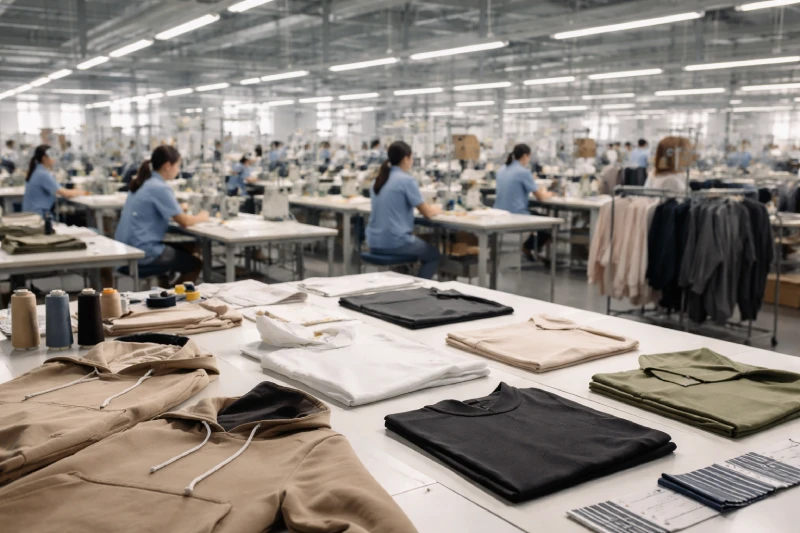
Finding the best private label clothing manufacturers is one of the most critical decisions for any fashion brand. Whether you are a startup launching your first collection or an established label scaling production, the right manufacturing partner directly impacts your product quality, brand reputation, and profitability.
However, “best” does not mean the same thing for every business. Some brands prioritize low minimum order quantities (MOQs), while others focus on premium materials, advanced customization, or large-scale production capacity. Choosing the wrong manufacturer can lead to delays, inconsistent quality, and unnecessary costs.
This guide will help you understand how to evaluate and select the right private label clothing manufacturer based on your business needs.
Key factors to consider:
- Product quality and consistency
- MOQ flexibility
- Customization capabilities
- Communication and reliability
- Production scalability
What Makes a Good Private Label Clothing Manufacturer
A good private label clothing manufacturer is not just a supplier—they are a long-term production partner that supports your brand’s growth. The best manufacturers typically excel in several key areas.
Product Quality & Consistency
High-quality garments are the foundation of any successful clothing brand. A reliable manufacturer ensures consistent stitching, durable construction, and strict quality control processes. They should also offer access to a wide range of fabrics, including cotton, blends, and performance materials.
Customization Capability
Strong customization options are essential for private label brands. This includes custom fabrics, trims, labels, packaging, and design adjustments. Manufacturers that offer OEM and ODM services provide greater flexibility for brand differentiation.
MOQ & Flexibility
Minimum order quantity (MOQ) is a major consideration, especially for startups. A good manufacturer offers flexible MOQ options or scalable production plans that allow brands to grow without excessive inventory risk.
Communication & Responsiveness
Clear and timely communication is critical in apparel production. Manufacturers should respond quickly, provide updates, and communicate effectively in English or your preferred language.
Production Reliability
Reliable manufacturers meet deadlines and maintain consistent production schedules. Delays in manufacturing can disrupt product launches and impact revenue.
Key Criteria for Evaluating Clothing Manufacturers
When comparing private label clothing manufacturers, it’s important to evaluate them using structured criteria rather than relying on price alone.
| Criteria | What to Check | Why It Matters |
|---|---|---|
| MOQ | Minimum order per style | Determines entry barrier for new brands |
| Lead Time | Sampling + production timeline | Impacts speed to market |
| Fabric Options | Range of materials available | Affects product positioning |
| Certifications | ISO, BSCI, GOTS | Ensures compliance and credibility |
| Pricing Structure | Tiered pricing and costs | Controls margins |
| Sampling Process | Cost and turnaround time | Reduces production risk |
The “best” manufacturer is not necessarily the cheapest or the largest—it is the one that aligns with your brand’s stage, budget, and long-term strategy. For example, a startup may prioritize low MOQ and flexibility, while an established brand may focus on scalability and efficiency.
Types of Private Label Clothing Manufacturers
Understanding different types of manufacturers helps you choose the right partner for your business model.
Full-Service OEM Manufacturers
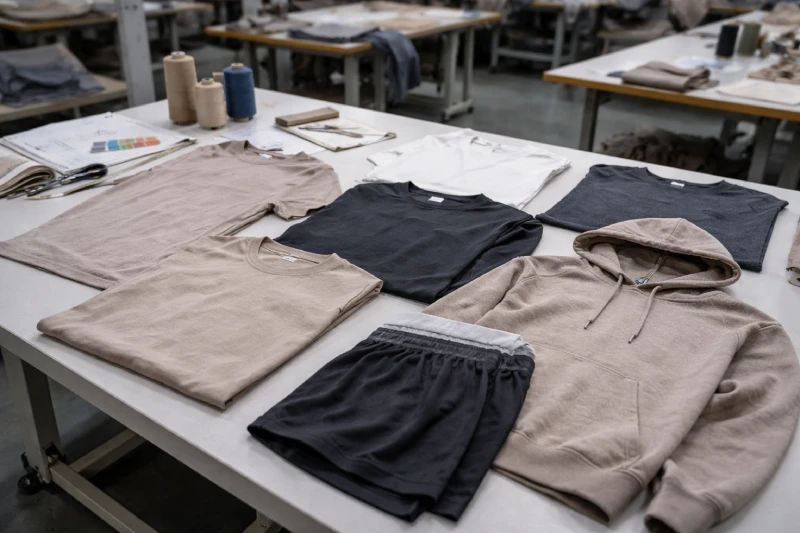
These manufacturers handle the entire production process, including design support, fabric sourcing, manufacturing, and packaging. They are ideal for startups and growing brands that need end-to-end solutions.
Cut-and-Sew Manufacturers
Cut-and-sew manufacturers produce garments based on custom patterns and specifications. This option is best for brands with unique designs that require full customization.
Wholesale Private Label Suppliers
These suppliers offer ready-made blank garments that can be customized with your branding. They are suitable for businesses that want faster turnaround times and lower MOQs.
Specialized Manufacturers
Some manufacturers focus on specific niches such as activewear, luxury apparel, or sustainable clothing. Choosing a specialized manufacturer ensures better expertise and product quality in your category.
Selecting the right type of manufacturer can significantly improve efficiency and reduce costs.
Questions to Ask Before Choosing a Manufacturer
Before committing to a private label clothing manufacturer, it’s essential to ask the right questions to avoid costly mistakes.
Core Questions
- What is your MOQ per style and color?
- What are your sampling costs and timelines?
- What fabrics and customization options do you offer?
- What is your average production lead time?
- Can you provide certifications or factory audits?
- What are your payment terms?
- How do you handle defective products?
Advanced Questions
- Can you support scaling production as my brand grows?
- Do you offer private label packaging and branding services?
- What markets do you currently serve?
- How do you manage quality control during production?
These questions help you evaluate not only the manufacturer’s capabilities but also their professionalism and reliability.
Common Mistakes When Choosing Clothing Manufacturers
Many brands make avoidable mistakes when selecting a manufacturer, which can lead to production issues and financial losses.
Choosing Based on Price Alone
Low prices often come at the expense of quality. Poor-quality products can damage your brand and lead to customer dissatisfaction. Instead, focus on overall value.
Ignoring MOQ Constraints
Choosing a manufacturer with high MOQs can result in excess inventory and cash flow issues. Always align MOQ with your sales projections.
Skipping the Sampling Stage
Skipping samples increases the risk of defects and inconsistencies. Sampling is essential to verify quality before mass production.
Poor Communication Evaluation
Failure to assess communication early can lead to misunderstandings and delays. Always test responsiveness before committing.
Not Checking Production Capacity
Some manufacturers may not be able to handle scaling production. This can limit your brand’s growth in the long term.
Avoiding these mistakes can save significant time, cost, and operational challenges.
Why Long-Term Manufacturing Partnerships Matter
Building a long-term relationship with a private label clothing manufacturer offers significant advantages.
Better Pricing Over Time
As your order volume increases, manufacturers are more likely to offer better pricing and favorable terms.
Priority Production Scheduling
Long-term partners often receive priority during peak production periods, ensuring timely delivery.
Consistent Quality Control
Working with the same manufacturer helps maintain consistent product quality and reduces variability.
Faster Development Cycles
Established relationships streamline communication, making it easier to develop and launch new products quickly.
Manufacturers are more willing to invest in clients who demonstrate long-term commitment, making partnerships a strategic advantage rather than just a transactional relationship.
Conclusion
Choosing the best private label clothing manufacturer is about finding the right fit for your brand—not simply selecting the lowest cost option. By evaluating manufacturers based on quality, flexibility, communication, and scalability, you can build a strong foundation for long-term success.
Take the time to compare multiple suppliers, request samples, and ask detailed questions before making a decision. The right manufacturing partner will not only produce your garments but also support your brand’s growth and competitiveness in the market.
Discuss Your Apparel Sourcing Requirements
Whether you're launching a startup clothing brand, expanding a streetwear label, or looking for a reliable OEM apparel manufacturer, speaking directly with an experienced production team can help you avoid costly sourcing mistakes.
Talk With Our Manufacturing Team