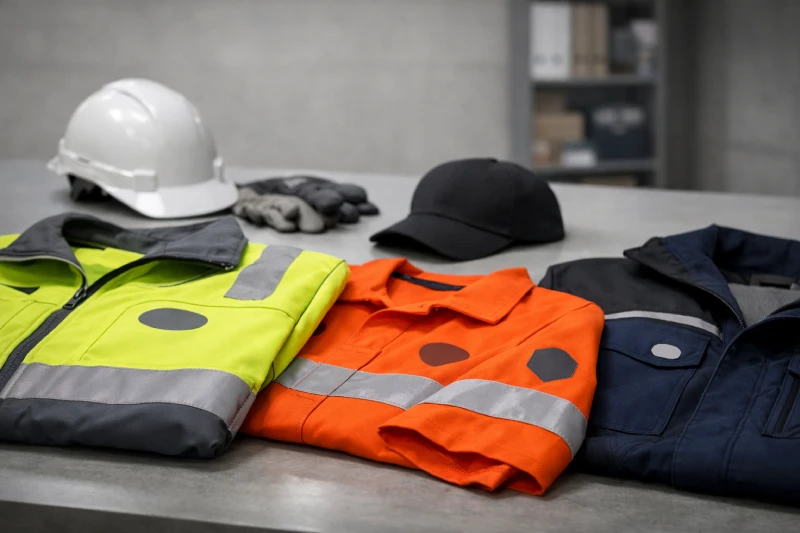
Custom logo printing for safety apparel is not just a branding decision—it is a functional, compliance-related, and operational choice that directly affects durability, visibility, cost control, and delivery reliability.
For overseas B2B buyers such as procurement managers, corporate uniform buyers, distributors, and project contractors, the challenge is rarely whether to add logos, but how to do it correctly across different apparel categories, production volumes, and use environments.
This buying guide provides a category-agnostic decision framework you can apply to multiple product types, including headwear, garments, sportswear, and industrial safety apparel. The goal is to help you make informed logo printing decisions that align with usage conditions, compliance needs, and supply chain realities.
Why Logo Printing for Safety Apparel Requires a Different Approach
Unlike casual or promotional clothing, safety apparel operates under stricter conditions:
- High-visibility requirements
- Repeated industrial washing
- Harsh outdoor environments
- PPE and worksite compliance standards
- Long replacement cycles and bulk reorders
As a result, logo printing choices must balance brand visibility, durability, worker comfort, and production feasibility—not aesthetics alone.
1. Start With the End-Use Environment
Before selecting any logo printing method, clarify how and where the apparel will be used.
Key questions to define usage:
- Indoor or outdoor worksite?
- Exposure to UV, rain, oil, or chemicals?
- Frequency of washing (daily / weekly / industrial laundering)?
- Required visibility level (high-vis zones, night work, traffic areas)?
Why this matters
Different environments place very different stresses on printed logos. A method that works well on promotional caps may fail quickly on high-visibility jackets worn in construction or logistics operations.
2. Understand Common Logo Printing Methods (From a Buyer’s Perspective)
Rather than focusing on technique names, buyers should evaluate logo methods based on performance characteristics.
Typical logo application options include:
- Screen printing – cost-effective for large quantities, best for flat surfaces
- Heat transfer printing – flexible placement, suitable for small runs or multi-color logos
- Embroidery – durable and premium appearance, but adds weight and stiffness
- Reflective logo applications – used when branding must also meet visibility standards
Decision factors to compare:
| Factor | Why It Matters for B2B Orders |
|---|---|
| Wash durability | Impacts replacement cycle and lifetime cost |
| Logo thickness | Affects comfort and garment flexibility |
| Color stability | Critical for brand consistency |
| Placement limits | Some methods work only on flat panels |
| Compliance compatibility | Especially important for safety apparel |
3. Category Differences: Caps vs Garments vs Safety Apparel
Logo printing considerations vary significantly by product category.
Headwear & Caps
- Smaller logo areas
- Curved surfaces
- Often heavier fabric or structured panels
Implications:
Embroidery is commonly used, but buyers should confirm stitch density, backing material, and breathability—especially for long-wear work caps.
T-Shirts, Polos, Hoodies & Sweatshirts
- Larger, flatter print areas
- More fabric stretch and movement
Implications:
Heat transfer or screen printing may be preferred. For workwear versions, buyers should confirm that logos do not crack or peel under repeated washing.
Sportswear & Activewear
- Lightweight, stretch fabrics
- Moisture-wicking performance
Implications:
Logo methods must preserve fabric elasticity and breathability. Heavy embroidery or thick transfers can compromise performance.
Workwear & Safety Apparel
- Heavy fabrics or multi-layer construction
- Often combined with reflective tapes or panels
Implications:
Logo placement must not interfere with safety elements. Durability and compliance take priority over decorative appearance.
4. Logo Placement: Visibility vs Compliance vs Comfort
Logo size and placement are often underestimated risks in safety apparel projects.
Common placement options:
- Chest (left / right)
- Back (upper / center)
- Sleeves
- Caps front / side / back
What buyers should check:
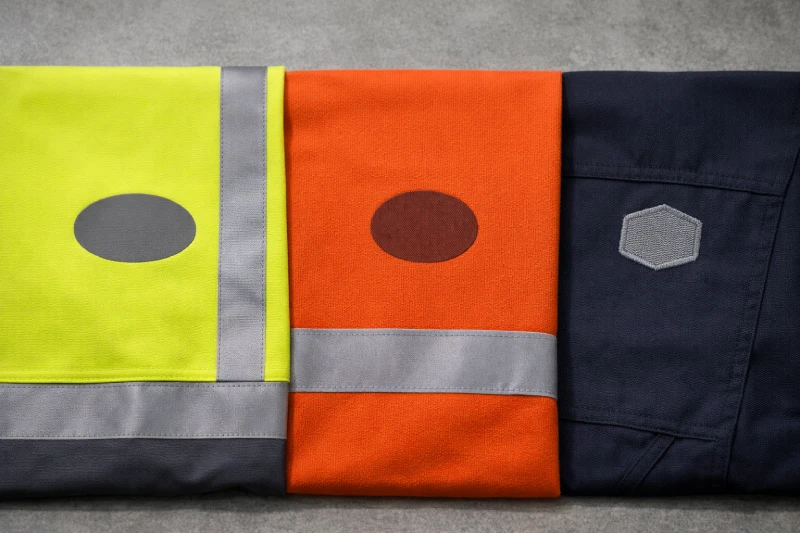
- Will the logo reduce the effective area of reflective material?
- Does placement comply with local or project-specific safety rules?
- Will the logo distort when the garment is worn or stretched?
Best practice:
Always review logo placement together with the garment pattern and safety layout—not as a standalone graphic decision.
5. Color Selection for Safety Apparel Logos
Color decisions in safety apparel are not purely brand-driven.
Factors to consider:
- Contrast against high-visibility fabric (fluorescent yellow, orange, etc.)
- Visibility in low-light conditions
- Colorfastness after industrial washing
- Compatibility with reflective elements
In some projects, buyers intentionally simplify logo colors to maintain compliance and reduce production complexity across multiple SKUs.
6. Bulk Orders, MOQ, and Cost Structure
Custom logo printing costs are closely tied to order volume and design consistency.
Typical cost drivers:
- Number of logo positions per garment
- Number of colors in the logo
- Printing method selected
- Fabric type and garment construction
- Total order quantity per design
MOQ considerations:
| Scenario | Typical Impact |
|---|---|
| One logo across multiple styles | Lower unit cost |
| Multiple logos per order | Higher setup costs |
| Small trial orders | Limited printing options |
| Large repeat orders | Stable pricing and faster lead time |
Buyers planning long-term uniform programs often benefit from standardizing logo specifications across categories.
7. Lead Time and Production Planning
Logo printing affects production timelines more than many buyers expect.
Typical timeline components:
- Artwork review and technical adjustment
- Pre-production sampling or strike-offs
- Bulk printing setup
- Quality inspection and packing
Planning tips for overseas buyers:
- Finalize logo files early (vector formats preferred)
- Avoid late logo size or placement changes
- Confirm whether samples are required for approval
- Allow buffer time for peak production seasons
8. Quality Control: What to Inspect Before Shipment
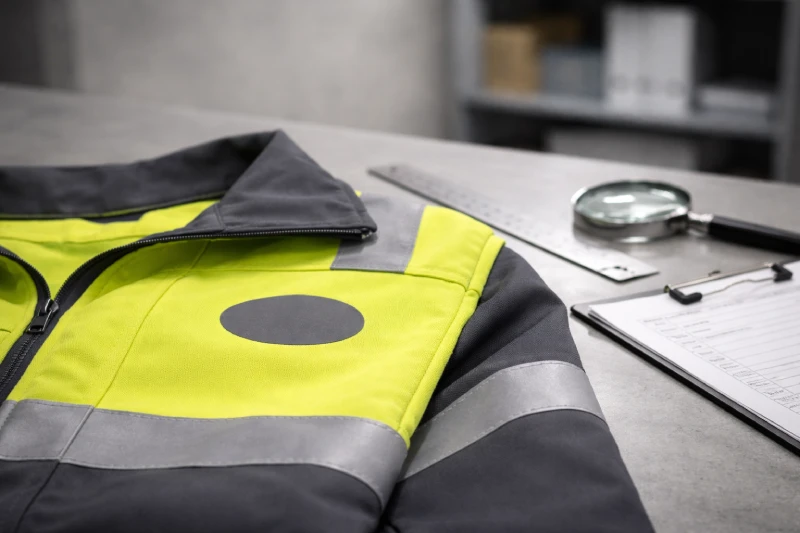
For B2B buyers, logo issues often become visible only after goods arrive—or after the first wash.
Pre-shipment checks should include:
- Logo position accuracy
- Color consistency across sizes
- Adhesion or stitch stability
- Alignment with reflective elements
- No bleeding, cracking, or peeling
Requesting production photos or inspection reports is common practice for overseas orders.
9. Compliance and Risk Management
In safety apparel projects, logo printing must not compromise certification or site requirements.
Buyers should clarify:
- Whether logos affect PPE certification status
- If reflective performance is reduced
- If local regulations restrict logo size or placement
- Responsibility allocation between buyer and manufacturer
This is especially relevant for government contracts, infrastructure projects, and multinational deployments.
10. A Simple Decision Checklist for Buyers
Before confirming your logo printing plan, review the following:
- End-use environment clearly defined
- Printing method matched to fabric and washing conditions
- Logo placement reviewed alongside safety elements
- Colors tested for contrast and durability
- MOQ and pricing aligned with reorder plans
- Lead time confirmed with buffer
- Quality standards agreed in advance
Conclusion: Treat Logo Printing as a System Decision
Custom logo printing for safety apparel is not a decorative afterthought—it is a system decision that touches branding, safety, cost control, and operational reliability.
For overseas B2B buyers managing bulk orders across multiple apparel categories, the most successful projects are those where logo decisions are integrated early into product selection, production planning, and compliance review.
If you are planning a custom safety apparel program and want to evaluate logo printing options based on your specific usage, volumes, and markets, a technical discussion at the planning stage can help reduce risk and improve long-term outcomes.
Feel free to reach out to discuss your project requirements and customization considerations.
Discuss Your Apparel Sourcing Requirements
Whether you're launching a startup clothing brand, expanding a streetwear label, or looking for a reliable OEM apparel manufacturer, speaking directly with an experienced production team can help you avoid costly sourcing mistakes.
Talk With Our Manufacturing Team