Denim Fabric Guide: Types, Weight, Stretch and How to Choose the Right Denim Material
What Is Denim Fabric?
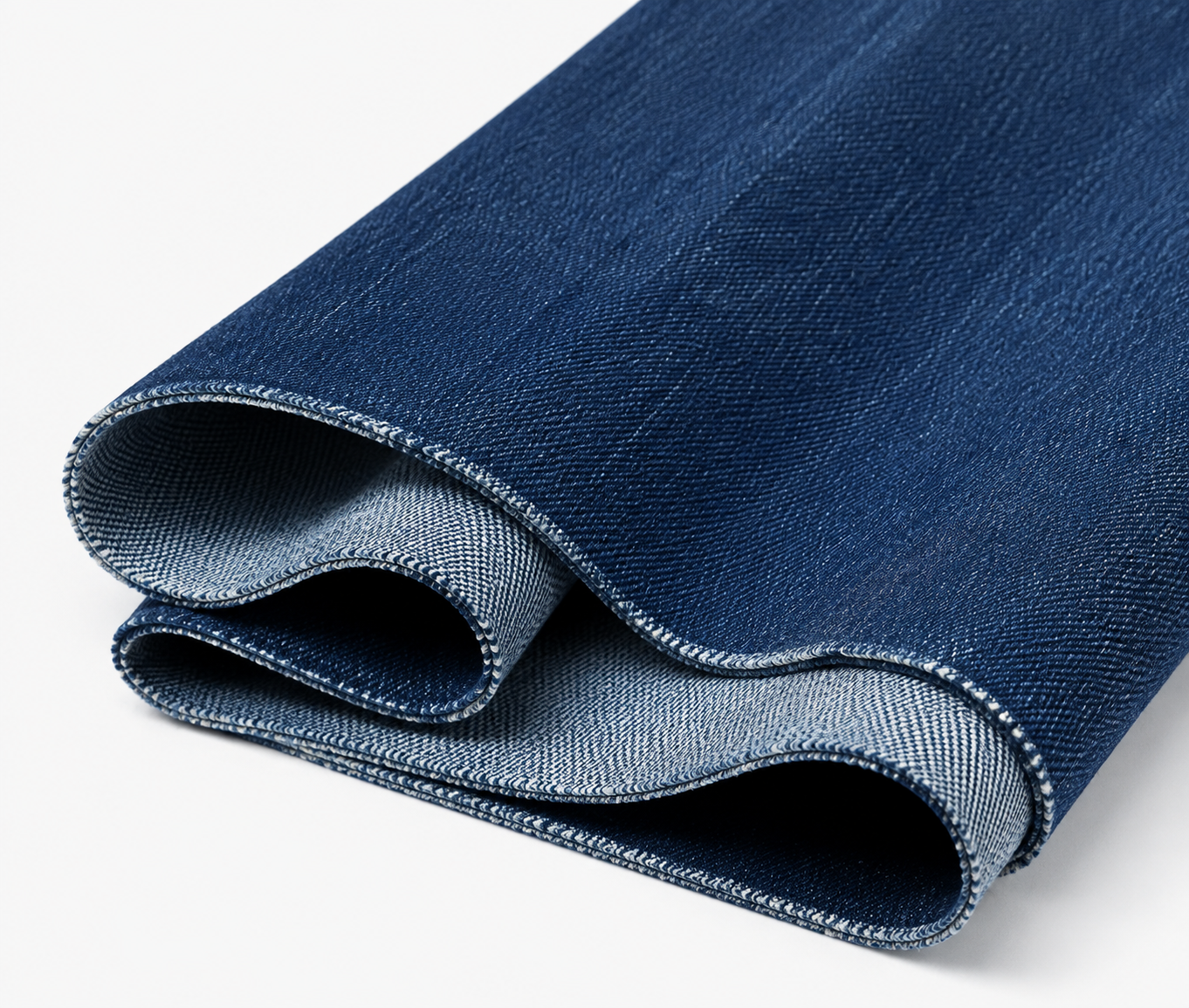
Denim fabric is a durable woven textile traditionally made from cotton using a twill weaving structure. It is widely used for jeans, denim jackets, shirts, skirts, workwear, and streetwear apparel.
The classic appearance of denim comes from its unique weaving method, where indigo-dyed warp yarns are combined with undyed weft yarns to create the recognizable blue denim look.
For clothing brands, choosing the right denim fabric is one of the most important decisions when developing denim products because fabric directly affects:
- Product durability
- Comfort
- Appearance
- Brand positioning
- Manufacturing cost
A reliable denim fabric supplier can help brands select suitable materials based on product requirements, target customers, and production goals.
Internal Link:
Anchor Text:
premium denim fabric supplier
How Is Denim Fabric Made?
The denim manufacturing process includes several key stages:
1. Fiber Selection
Most denim fabrics are made from cotton because cotton provides:
- Softness
- Breathability
- Durability
- Comfort
Modern denim may also include blended materials such as:
- Elastane
- Polyester
- Recycled fibers
These blends improve:
- Stretch
- Recovery
- Durability
- Sustainability
2. Yarn Production
Cotton fibers are spun into yarn before weaving.
Denim traditionally uses:
- Indigo dyed warp yarns
- Natural or white weft yarns
This creates the classic denim surface appearance.
3. Twill Weaving
Denim uses a twill weave structure.
The most common type is:
3×1 Twill
Features:
- Strong construction
- Smooth surface
- Commonly used for premium jeans
2×1 Twill
Features:
- Lighter weight
- Softer feeling
- Suitable for shirts and lightweight apparel
4. Dyeing and Finishing
After weaving, denim can go through different treatments:
- Indigo dyeing
- Washing
- Softening
- Shrinking control
- Surface finishing
These processes create different denim appearances and performance characteristics.
Types of Denim Fabric
Different denim types are designed for different apparel applications.
1. Raw Denim
Raw denim, also called unwashed denim, is denim fabric that has not gone through washing treatments after dyeing.
Characteristics:
- Dark indigo color
- Firm texture
- Natural fading over time
- Premium appearance
Common applications:
- Premium jeans
- Vintage denim collections
- Heritage brands
Advantages:
✔ Long-lasting
✔ Develops unique wear patterns
✔ Premium brand image
Disadvantages:
- Initially stiff
- Requires break-in time
2. Washed Denim
Washed denim is treated after production to create a softer feel and specific visual effects.
Common washing processes include:
Stone Wash
Creates:
- Soft texture
- Vintage appearance
- Faded color
Acid Wash
Creates:
- High contrast patterns
- Fashion-forward appearance
Enzyme Wash
Creates:
- Smooth surface
- Comfortable hand feel
Washed denim is widely used for:
- Casual jeans
- Streetwear
- Fashion collections
3. Stretch Denim
Stretch denim combines cotton with elastic fibers such as elastane.
Typical composition:
- Cotton
- Polyester
- Elastane
Benefits:
- Better comfort
- Improved mobility
- Better fit
Common applications:
- Skinny jeans
- Slim-fit jeans
- Women’s denim
4. Organic Denim
Organic denim uses cotton grown with environmentally focused farming practices.
Benefits:
- Reduced chemical usage
- Sustainable positioning
- Suitable for eco-conscious brands
Many fashion brands now use sustainable denim options to meet increasing consumer demand for environmentally responsible products.
5. Recycled Denim
Recycled denim incorporates recycled fibers from:
- Post-consumer garments
- Textile waste
Benefits:
- Supports circular fashion
- Reduces material waste
Denim Fabric Weight Guide
Fabric weight is one of the most important factors when selecting denim.
Denim weight is usually measured in ounces per square yard (oz).
Lightweight Denim
6-8 oz
Characteristics:
- Soft
- Breathable
- Comfortable
Suitable for:
- Denim shirts
- Summer jeans
- Lightweight jackets
Medium Weight Denim
8-12 oz
Characteristics:
- Balanced durability
- Comfortable structure
Suitable for:
- Everyday jeans
- Denim jackets
- Casual apparel
This is the most commonly used denim weight for commercial apparel production.
Heavyweight Denim
12 oz+
Characteristics:
- Strong durability
- Premium feel
- Structured appearance
Suitable for:
- Workwear
- Premium jeans
- Heritage denim brands
Stretch Denim vs 100% Cotton Denim
Many brands ask:
“Should I choose stretch denim or cotton denim?”
The answer depends on product positioning.
| Feature | 100% Cotton Denim | Stretch Denim |
|---|---|---|
| Comfort | High | Very High |
| Durability | Excellent | Good |
| Flexibility | Medium | High |
| Traditional Feel | Excellent | Medium |
| Best For | Classic jeans | Modern fitted styles |
How Brands Choose the Right Denim Fabric
Choosing denim requires considering several factors.
1. Product Purpose
Different products require different fabrics.
Example:
Jeans
Recommended:
- 10-14 oz denim
- Durable construction
Denim Shirts
Recommended:
- 6-8 oz lightweight denim
Jackets
Recommended:
- 10-14 oz structured denim
2. Target Customer
Luxury brands may choose:
- Premium cotton
- Heavyweight denim
- Special washing
Streetwear brands may prefer:
- Oversized structures
- Washed denim
- Unique finishes
3. Manufacturing Cost
Fabric choice directly impacts production cost.
Factors include:
- Fiber composition
- Weight
- Dyeing process
- Finishing treatment
Brands should balance:
- Quality
- Price
- Customer expectations
Denim Fabric Quality Checklist
Before selecting a denim supplier, brands should evaluate:
Fabric Composition
Check:
- Cotton percentage
- Stretch percentage
- Recycled content
Color Stability
Good denim should maintain:
- Consistent color
- Controlled fading
- Stable dye performance
Shrinkage Control
Quality denim suppliers test:
- Washing shrinkage
- Dimensional stability
Fabric Strength
Important for:
- Jeans
- Workwear
- Heavy-duty apparel
How Much Does Denim Fabric Cost?
Denim fabric pricing depends on:
Material
100% cotton denim usually costs differently from:
- Stretch denim
- Organic denim
- Premium denim
Weight
Heavyweight denim requires more material and usually costs more.
Finishing
Additional processes increase cost:
- Washing
- Softening
- Special effects
Order Quantity
Large production orders usually reduce unit cost.
For brands developing denim products, working with an experienced manufacturer helps optimize material selection and production costs.
Internal Link:
Anchor Text:
custom clothing manufacturing cost
Why Work With a Professional Denim Fabric Supplier?
A professional supplier provides more than fabric.
They support:
Material Development
Helping brands choose:
- Fabric composition
- Weight
- Texture
Sample Production
Allowing brands to test:
- Appearance
- Performance
- Quality
Bulk Supply
Supporting:
- Repeat production
- Large orders
- Consistent quality
SeeTime Luxury Denim Fabric Solutions
SeeTime Luxury provides denim material and apparel manufacturing solutions for brands developing custom denim collections.
Services include:
Custom Denim Fabric Development
Supporting:
- Material customization
- Color development
- Weight adjustment
Denim Apparel Manufacturing
Supporting production of:
- Jeans
- Jackets
- Shirts
- Streetwear collections
OEM & Private Label Production
Helping brands develop unique denim products with:
- Custom designs
- Labels
- Packaging
Internal Link:
Anchor Text:
custom denim manufacturer
Frequently Asked Questions
What is the best denim fabric for jeans?
Medium-weight denim between 8-12 oz is commonly used for everyday jeans because it balances durability and comfort.
What is the difference between raw denim and washed denim?
Raw denim has no washing treatment and develops natural fading over time. Washed denim is processed to create softness and vintage effects.
Is stretch denim better than cotton denim?
Stretch denim provides more comfort and flexibility, while 100% cotton denim offers a more traditional and durable denim experience.
How thick is premium denim fabric?
Premium denim commonly ranges from 10 oz to 14 oz or higher depending on the product purpose.
Can denim fabric be customized?
Yes. Denim can be customized through:
- Fabric composition
- Weight
- Color
- Washing process
- Finishing treatments
Conclusion
Choosing the right denim fabric is essential for creating successful denim products.
The best denim material depends on:
- Product type
- Target customer
- Brand positioning
- Manufacturing requirements
From lightweight denim shirts to heavyweight premium jeans, selecting the right fabric helps brands create products with better quality, performance, and market appeal.
Working with an experienced denim fabric supplier like SeeTime Luxury allows brands to develop customized denim materials and scale production with confidence.
Discuss Your Apparel Sourcing Requirements
Whether you're launching a startup clothing brand, expanding a streetwear label, or looking for a reliable OEM apparel manufacturer, speaking directly with an experienced production team can help you avoid costly sourcing mistakes.
Talk With Our Manufacturing Team