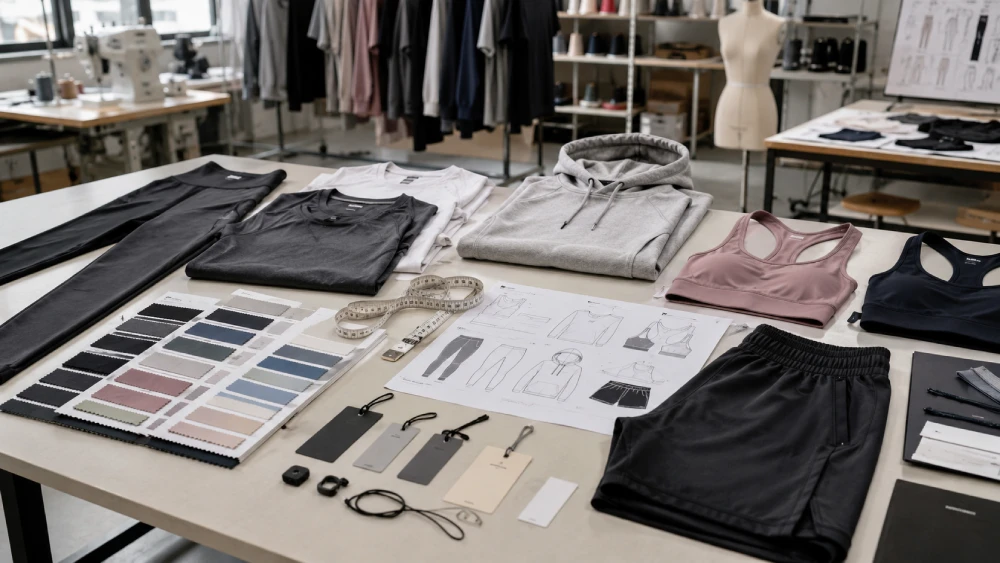
Choosing a high quality sportswear manufacturer is not only about finding a factory that can sew activewear. For apparel brands, gymwear startups, retailers, and distributors, the right manufacturing partner depends on fabric performance, order volume, product complexity, customization needs, sampling process, and bulk production control.
A startup activewear brand may need a flexible private label clothing manufacturer that supports lower MOQ, fabric sourcing, custom logos, labels, and packaging. A premium performance apparel brand may need a technical knitwear specialist with stronger fabric development and fit testing. A global retail program may need a large apparel manufacturing group with compliance systems, production capacity, and multi-country supply chain experience.
This guide is designed as a manufacturer directory and buyer decision resource. It does not rank manufacturers or declare one universal best supplier. Instead, it explains which types of sportswear manufacturers may fit different sourcing strategies, product categories, and buyer stages.
Editorial Note
This guide is written for buyers who are shortlisting a high quality sportswear manufacturer for OEM, ODM, private label, or full-package production. It is not a paid ranking, universal recommendation, or “best manufacturer” list.
Sportswear sourcing depends on product complexity, fabric performance, order quantity, customization requirements, compliance standards, and the buyer’s development stage. A startup gymwear brand, a premium activewear label, a teamwear distributor, and a global retail buyer may all need different types of manufacturing partners.
Seetime Luxury is included where relevant as a China-based OEM clothing manufacturer and ODM apparel manufacturer, but it is not positioned as the default first choice or the universal best option. Buyers should compare all manufacturers based on their own product requirements, budget, MOQ expectations, quality standards, and verification process.
What Does “High Quality” Mean in Sportswear Manufacturing?
A high quality sportswear manufacturer is a supplier that can produce activewear or athletic apparel with reliable fabric performance, accurate fit, durable construction, stable bulk quality, and suitable OEM/ODM customization support.
In casual apparel, buyers often focus on fabric hand feel, stitching, and appearance. In sportswear, those points still matter, but buyers also need to evaluate stretch recovery, sweat management, compression behavior, seam strength, waistband stability, and how the garment performs after repeated washing and movement.
For example, a basic custom T-shirt manufacturer may be suitable for gym tops and training shirts, but that does not automatically mean the same factory can develop compression leggings, yoga sets, sports bras, running shorts, or technical activewear. A true sportswear supplier should understand movement, elasticity, pattern balance, size grading, and fabric testing.
Fabric Performance
Fabric quality is one of the most important parts of sportswear manufacturing. Buyers should evaluate GSM consistency, stretch and recovery, breathability, moisture-wicking performance, pilling resistance, shrinkage control, and colorfastness to washing and perspiration.
For leggings and sports bras, opacity and stretch recovery are especially important. For training T-shirts and running tops, moisture management and breathability may matter more. For hoodies, joggers, and athleisure apparel, fabric weight, softness, shrinkage, and surface stability become key points.
Fit, Pattern, and Size Consistency
Sportswear must support movement. Poor pattern balance can cause pulling, twisting, waistband rolling, or uncomfortable pressure points. Buyers should review fit samples, size set samples, and measurement tolerance before bulk production.
A strong manufacturer should understand size grading, seam placement, stretch direction, elastic recovery, and how fabric behavior affects fit across sizes.
Construction Quality
Sportswear construction often requires stronger sewing knowledge than basic casualwear. Common construction details include flatlock seams, coverstitching, reinforced seams, bar tacks, elastic waistbands, gussets, drawcord channels, zipper details, and pocket construction.
The right stitching method depends on the garment type. Leggings, compression wear, and sports bras need seams that stretch without breaking. Hoodies, joggers, and tracksuits need durable seams that can handle repeated washing and daily wear.
Branding and Finishing Quality
Private label sportswear often includes heat transfer logos, silicone printing, embroidery, woven labels, neck labels, hang tags, care labels, polybags, and retail packaging. Buyers should test logo durability before bulk production, especially on stretch fabrics.
A logo that looks clean on a sample may crack, peel, or distort after washing and stretching. For premium sportswear, decoration quality is part of the product experience.
How We Selected Sportswear Manufacturers
Manufacturers were selected based on public relevance to sportswear, activewear, athletic apparel, knitwear, OEM/ODM production, private label manufacturing, or performance apparel sourcing.
The goal was not to include as many suppliers as possible. Instead, this directory focuses on manufacturers that represent different sourcing models:
- Large-scale global apparel manufacturers
- Technical knitwear and activewear specialists
- Performance and lifestyle apparel manufacturers
- Flexible OEM/ODM suppliers
- Custom sportswear and private label manufacturers
- China-based low-to-mid MOQ apparel partners
Selection factors included product relevance, public information quality, manufacturing focus, sourcing significance, buyer type suitability, and whether the company could reasonably fit the search intent behind “high quality sportswear manufacturer.”
How We Verified Information
Public information was reviewed from official company websites, manufacturer category pages, public company profiles, and company-controlled pages where available. The verification process focused on buyer-relevant facts such as product categories, manufacturing positioning, geographic footprint, activewear or sportswear relevance, OEM/ODM claims, customization support, and stated production capabilities.
However, many important sourcing details are not always public. MOQ, sample cost, production lead time, fabric availability, compliance audits, certifications, testing standards, payment terms, and current capacity should always be confirmed directly with the manufacturer.
Public supplier information can change. Inclusion in this guide does not mean endorsement, guarantee, or verification of current production performance. Buyers should conduct their own due diligence before placing a sample order or bulk order.
Quick Comparison: Which Type of Sportswear Manufacturer Fits Your Brand?
| Manufacturer Type | Best For | Main Strengths | Potential Limitations |
|---|---|---|---|
| Large global apparel manufacturer | Established brands and major retail programs | Capacity, compliance systems, multi-country production | Often unsuitable for small MOQ startup orders |
| Technical knitwear specialist | Premium activewear and performance garments | Fabric engineering, fit, stretch, garment innovation | Higher development cost and stricter order requirements |
| Flexible OEM/ODM supplier | Growing brands and private label programs | Customization, branding, sourcing support | Quality systems must be checked carefully |
| Low-MOQ sportswear factory | Startup brands and test collections | Lower entry barrier, faster product launch | Limited fabric, trims, and custom development options |
| Teamwear manufacturer | Clubs, gyms, schools, and distributors | Logo, name, number, and uniform customization | May be less suitable for premium fashion activewear |
| Full-package apparel manufacturer | Brands needing design-to-delivery support | Fabric sourcing, sampling, labels, packaging, bulk production | Requires clear communication and specifications |
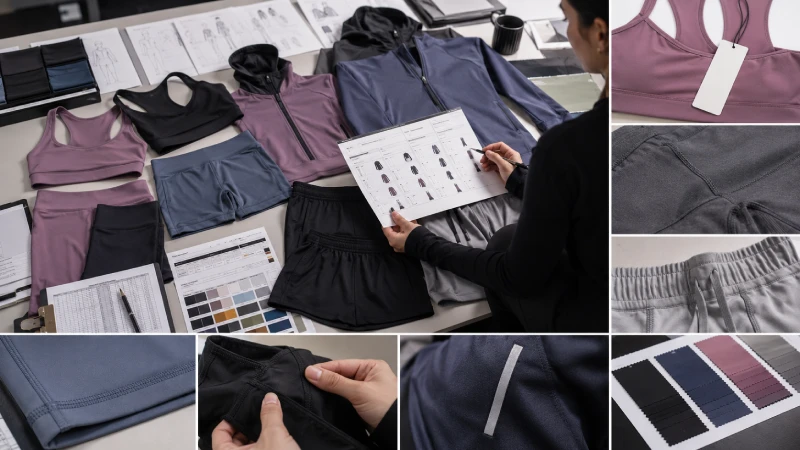
Manufacturer Directory: 12 High Quality Sportswear Manufacturers to Consider
The following manufacturers are not ranked. Each company may be suitable for different buyer types, product categories, and sourcing strategies.
Shenzhou International
Company Overview
Shenzhou International is one of the most significant large-scale knitted garment manufacturers in Asia. It is relevant to buyers researching high quality sportswear manufacturing because of its focus on premium activewear, athleisure, casualwear, fabric production, and large-scale garment output.
This type of manufacturer is most relevant to established brands, large retailers, and companies that require high-volume production, stable quality systems, and vertically integrated manufacturing support.
Best For
Shenzhou International is best suited for established sportswear, athleisure, and casualwear brands that require large production capacity, mature systems, and long-term supplier relationships.
Key Strengths
Its main strength is scale. For buyers with large-volume programs, a vertically integrated manufacturer can help control fabric, dyeing, cutting, sewing, and delivery coordination more effectively than a smaller workshop.
It is also relevant for buyers who need consistent knitted apparel production across repeated orders.
Potential Limitations
Shenzhou International may not be suitable for small startup brands, low-MOQ test orders, or buyers without mature product development documentation. Large manufacturers often prioritize established clients, stable programs, and predictable order volumes.
Main Products
Relevant categories include activewear, athleisure, casualwear, knitted garments, performance tops, and related apparel programs.
MOQ & Customization
MOQ and customization terms should be confirmed directly. Buyers should expect that minimum order expectations may be higher than those of smaller OEM/ODM factories.
Things To Verify Before Ordering
Buyers should verify order volume requirements, development process, fabric options, testing standards, production lead time, factory audit availability, and whether the manufacturer accepts new brand programs.
Website
Eclat Textile
Company Overview
Eclat Textile is a Taiwan-based textile and apparel company with strong relevance to athletic knitwear, material development, and garment solutions. It is especially important for buyers who care about performance fabrics, technical materials, and high-end activewear development.
For premium sportswear brands, Eclat represents a supplier type where fabric engineering and garment manufacturing are closely connected.
Best For
Eclat is best suited for premium activewear, technical sportswear, athletic knitwear, performance apparel, and brands that need stronger material development support.
Key Strengths
The company’s key strength is its focus on athletic knitwear materials and garments. This is important because sportswear quality often begins before sewing. Fabric structure, yarn selection, stretch, breathability, moisture management, and hand feel all influence final garment performance.
Potential Limitations
Eclat may not be the ideal choice for very small brands seeking simple logo customization or ultra-low MOQ production. Technical manufacturers usually require clearer product planning and may be more suitable for buyers with serious development budgets.
Main Products
Relevant categories include athletic knitwear, performance fabrics, activewear, sports gear, technical garments, and fashion-performance apparel.
MOQ & Customization
MOQ should be confirmed directly. Buyers should clarify whether the project requires custom fabric development, existing fabric selection, or full garment development.
Things To Verify Before Ordering
Buyers should verify available fabric libraries, performance testing options, development timeline, sampling fees, minimums by fabric and style, and whether the company can support the buyer’s brand stage.
Website
Crystal International
Company Overview
Crystal International is a global apparel manufacturing group with a diversified product portfolio that includes sportswear and outdoor apparel. It is relevant to buyers seeking a mature apparel manufacturer with broader category capabilities and international production experience.
This supplier type is usually better aligned with established brands, large retailers, and companies that need multi-category apparel manufacturing rather than one small custom sportswear capsule.
Best For
Crystal International is best for large-scale sportswear, outdoor apparel, lifestyle apparel, and multi-category retail programs.
Key Strengths
Its major strength is category diversity and manufacturing scale. For buyers managing multiple apparel lines, a diversified manufacturer can support broader sourcing strategies across sportswear, lifestyle wear, denim, sweaters, intimate apparel, and other categories.
Potential Limitations
Crystal International may not be suitable for small private label startups or buyers looking for very low MOQs. Large groups often require structured development processes and commercial order sizes.
Main Products
Relevant categories include sportswear, outdoor apparel, lifestyle wear, knitted apparel, and broader apparel programs.
MOQ & Customization
MOQ and customization terms should be confirmed directly. Buyers should prepare technical specifications, target price, expected quantity, compliance needs, and delivery requirements before outreach.
Things To Verify Before Ordering
Buyers should verify product category fit, production location, factory audit options, compliance requirements, sampling process, and whether the company supports the buyer’s order size.
Website
MAS Holdings
Company Overview
MAS Holdings is a Sri Lanka-based apparel manufacturer with global relevance in sportswear, lingerie, swimwear, sleepwear, and performance-related garment categories. It is suitable for buyers researching manufacturers with innovation, design, and advanced apparel capabilities.
For high quality sportswear sourcing, MAS is especially relevant to buyers looking beyond basic cut-and-sew production.
Best For
MAS Holdings is best for established brands, performance apparel programs, swimwear, sportswear, and buyers who need design-to-delivery manufacturing support.
Key Strengths
MAS has a strong reputation as a major apparel manufacturing group with experience in technical product categories. Sportswear buyers may find this type of manufacturer suitable when product performance, fit, and compliance are important.
Potential Limitations
MAS may be less accessible for small buyers, very low MOQ programs, or simple private label logo orders. Buyers should verify whether their order size and product category match the company’s commercial requirements.
Main Products
Relevant categories include sportswear, swimwear, performance apparel, intimate apparel, and related technical garment programs.
MOQ & Customization
MOQ should be confirmed directly. Buyers should clarify whether they need OEM production, design support, fabric development, or full-package manufacturing.
Things To Verify Before Ordering
Buyers should verify product specialization, sample process, development cost, testing capability, compliance expectations, production country, and lead time.
Website
Hirdaramani
Company Overview
Hirdaramani is a long-established apparel manufacturer with a manufacturing footprint across Sri Lanka, Bangladesh, Vietnam, and Ethiopia. It provides end-to-end apparel solutions and is relevant for buyers looking for large-scale, sustainability-oriented, and internationally experienced production partners.
For sportswear sourcing, Hirdaramani is most relevant as a mature apparel manufacturing group rather than a low-MOQ startup supplier.
Best For
Hirdaramani is best for established apparel brands, retailers, and buyers looking for end-to-end manufacturing support across multiple production regions.
Key Strengths
Its strengths include long industry history, international footprint, and broader apparel production capabilities. Buyers that require responsible sourcing discussions, repeat programs, and structured supplier management may find this type of manufacturer relevant.
Potential Limitations
Small startup buyers may find the company less suitable if they need very low MOQ, fast logo customization, or informal sampling. Larger manufacturers generally require clearer planning and commercial order potential.
Main Products
Relevant categories may include activewear-adjacent apparel, casualwear, fashion apparel, and broader garment programs depending on the factory division and current capabilities.
MOQ & Customization
MOQ and customization should be confirmed directly. Buyers should ask whether the specific factory division supports sportswear, activewear, or performance garment requirements.
Things To Verify Before Ordering
Buyers should verify sportswear category fit, available production locations, minimum order requirements, sustainability documentation, audit readiness, and development support.
Website
Delta Galil
Company Overview
Delta Galil is a global apparel company with strong relevance to activewear, intimates, seamless apparel, socks, and private label production. It is particularly relevant for buyers interested in seamless technology, bodywear, performance basics, and active lifestyle apparel.
For sportswear buyers, Delta Galil represents a technically capable manufacturer and brand partner rather than a simple custom logo supplier.
Best For
Delta Galil is best for established brands, private label programs, seamless activewear, performance basics, socks, bodywear, and technical apparel categories.
Key Strengths
Its key strength is the combination of design, innovation, seamless apparel expertise, and global apparel manufacturing experience. Seamless construction is especially relevant for activewear where comfort, stretch, and body contouring are important.
Potential Limitations
Delta Galil may not be the most suitable option for early-stage brands seeking small trial orders or basic custom gymwear sets. Buyers should expect a more structured supplier engagement process.
Main Products
Relevant categories include activewear, seamless garments, socks, intimates, bodywear, loungewear, and performance basics.
MOQ & Customization
MOQ should be confirmed directly. Buyers should clarify whether the project is private label, licensed brand production, seamless activewear, or another garment category.
Things To Verify Before Ordering
Buyers should verify product category alignment, order volume requirements, seamless development options, material availability, compliance systems, and production location.
Website
Active Apparel Group
Company Overview
Active Apparel Group is a manufacturer focused on activewear, outerwear, swimwear, performance apparel, and lifestyle apparel. It is relevant for buyers looking for a supplier that clearly positions itself around premium activewear and performance lifestyle products.
Compared with very large diversified apparel groups, this type of manufacturer may feel more directly aligned with activewear-focused brand development.
Best For
Active Apparel Group is best for premium activewear brands, swimwear labels, lifestyle apparel brands, and performance-oriented fashion programs.
Key Strengths
Its key strength is category focus. Buyers sourcing sportswear often benefit from working with a manufacturer that already understands performance apparel, stretch garments, swimwear, and lifestyle-active crossover products.
Potential Limitations
Buyers should verify whether the company’s capacity, MOQ, and development model match their brand stage. Premium-focused manufacturers may not always be the lowest-cost option.
Main Products
Relevant categories include activewear, outerwear, swimwear, performance apparel, and lifestyle apparel.
MOQ & Customization
MOQ and customization options should be confirmed directly. Buyers should ask about fabric sourcing, private label support, sample development, and production timelines.
Things To Verify Before Ordering
Buyers should verify activewear specialization by product type, fabric performance testing, sample approval steps, logo application methods, and production scalability.
Website
Seetime Luxury
Company Overview
Seetime Luxury is a China-based OEM/ODM apparel manufacturer serving global B2B clients with custom apparel and accessory solutions. Its core product areas include custom T-shirts, polo shirts, hoodies, streetwear, sportswear, and activewear.
For buyers looking for a flexible custom sportswear manufacturer in China, Seetime Luxury is relevant because of its OEM manufacturing, ODM support, private label services, low MOQ orientation, fabric sourcing, custom printing, embroidery, and full-package production capabilities.
Best For
Seetime Luxury is best for startup and growing brands that need flexible OEM/ODM support, custom branding, private label apparel, and sportswear or activewear programs connected with casualwear, streetwear, T-shirts, hoodies, and performance-inspired apparel.
Key Strengths
Its key strength is flexibility. Many buyers searching for a high quality sportswear manufacturer are not ready for a large global factory. They need a partner that can help with fabric sourcing, logo customization, sample development, packaging, and manageable order quantities.
Seetime Luxury may be suitable for buyers developing custom gym tops, training T-shirts, athleisure hoodies, sportswear capsules, team apparel, or private label activewear programs.
Potential Limitations
For highly technical compression garments, advanced seamless activewear, or very large global retail programs, buyers should verify whether Seetime Luxury’s current production setup matches the technical and volume requirements.
Main Products
Relevant categories include custom T-shirts, polo shirts, hoodies, streetwear, sportswear, activewear, private label apparel, and custom branded garments.
MOQ & Customization
Seetime Luxury is positioned around low MOQ and customization support, but exact MOQ should be confirmed by product type, fabric, color, size range, logo method, and packaging requirements.
Things To Verify Before Ordering
Buyers should verify fabric options, sample lead time, MOQ per style and color, printing and embroidery durability, size tolerance, washing performance, packaging options, and bulk production inspection process.
Website
Aolafree
Company Overview
Aolafree is a China-based activewear manufacturer that publicly positions itself around OEM and ODM activewear, full customization, seamless knitting, factory capacity, CAD pattern-making, and digital cutting equipment.
It is relevant for buyers looking for custom activewear, gymwear, leggings, sports bras, and performance apparel with stronger activewear specialization.
Best For
Aolafree is best for activewear brands, gymwear startups, fitness apparel businesses, and buyers who want OEM/ODM customization with an activewear-focused supplier.
Key Strengths
Its key strengths include activewear specialization, OEM/ODM positioning, customization support, and stated production equipment for seamless knitting and pattern accuracy. For buyers developing leggings, sports bras, or fitted gymwear, this category focus can be valuable.
Potential Limitations
Buyers should not assume all customization or performance testing is included by default. Activewear factories can differ widely in fabric quality, stitching standards, and bulk consistency.
Main Products
Relevant categories include activewear, gymwear, leggings, sports bras, yoga wear, fitness clothing, seamless activewear, and custom sportswear.
MOQ & Customization
MOQ should be confirmed directly. Buyers should ask whether MOQ differs for seamless products, cut-and-sew styles, custom fabrics, colors, logos, and packaging.
Things To Verify Before Ordering
Buyers should verify fabric libraries, seamless capabilities, logo methods, stitching options, sample approval process, size grading, and whether test reports are available for selected fabrics.
Website
AEL Apparel
Company Overview
AEL Apparel is a China-based custom clothing manufacturer and part of AEL Group. It presents itself as a custom clothing manufacturer serving companies across many countries, with product development and production capacity.
For sportswear buyers, AEL Apparel is relevant as a broader custom apparel manufacturer rather than a manufacturer limited only to technical activewear.
Best For
AEL Apparel is best for brands that need custom clothing manufacturing, private label apparel, activewear, casual sportswear, and broader apparel categories from a China-based supplier.
Key Strengths
Its main strength is versatility. Some buyers want one manufacturer that can support sportswear together with T-shirts, hoodies, streetwear, casualwear, and private label apparel. A broader custom clothing supplier can be useful for brands building mixed collections.
Potential Limitations
Buyers developing highly technical sports bras, compression leggings, or advanced performance garments should verify specific activewear experience rather than relying only on general custom clothing capability.
Main Products
Relevant categories may include activewear, custom clothing, T-shirts, hoodies, casual apparel, private label clothing, and other custom garment programs.
MOQ & Customization
MOQ should be confirmed directly. Buyers should clarify whether requirements involve stock fabrics, custom fabrics, custom sizing, labels, packaging, printing, embroidery, or full ODM development.
Things To Verify Before Ordering
Buyers should verify sportswear-specific samples, fabric performance options, size tolerance, logo durability, washing performance, sample revision policy, and bulk inspection process.
Website
Hingto
Company Overview
Hingto is an activewear and clothing manufacturer that positions itself around custom activewear, gymwear, swimwear, and full branding customization. It is especially relevant for brands looking for activewear manufacturing with a customer-facing private label and customization process.
Best For
Hingto is best for activewear brands, women’s sportswear collections, gymwear brands, swimwear programs, and buyers who need branded private label manufacturing support.
Key Strengths
Its key strength is activewear category focus combined with branding customization. Buyers who want leggings, sports bras, joggers, jackets, T-shirts, swimwear, or related activewear products may find this type of manufacturer suitable for collection development.
Potential Limitations
Buyers should verify actual production location, MOQ, fabric options, and whether the manufacturer directly owns production or coordinates production through partner factories. This matters for quality control and communication.
Main Products
Relevant categories include activewear, gymwear, swimwear, sports bras, leggings, jackets, joggers, yoga clothing, T-shirts, and shorts.
MOQ & Customization
MOQ should be confirmed directly. Buyers should ask whether MOQ varies by existing designs, custom designs, fabric choice, and branding method.
Things To Verify Before Ordering
Buyers should verify fabric quality, pattern control, size set process, logo and label options, packaging, lead time, and production inspection procedures.
Website
Berunwear
Company Overview
Berunwear is a custom sportswear supplier and manufacturer that publicly focuses on sportswear customization, activewear, gym clothes, fitness wear, tracksuits, workout clothing, athletic apparel, and yoga wear.
It is relevant for buyers looking for custom sportswear, team apparel, fitness clothing, or private label activewear at a more flexible sourcing level than large multinational manufacturers.
Best For
Berunwear is best for sportswear customization, teamwear buyers, online sellers, fitness apparel brands, distributors, and buyers looking for custom activewear or workout clothing.
Key Strengths
Its key strength is custom sportswear focus. Buyers who need practical customization, logo application, sports team apparel, or fitness clothing collections may find this type of supplier easier to approach than large global manufacturers.
Potential Limitations
Buyers should verify production scale, direct factory control, quality testing, and ability to handle premium activewear requirements. Custom sportswear suppliers can be useful, but quality must be checked through samples and bulk inspection.
Main Products
Relevant categories include sportswear, activewear, gym clothes, fitness wear, tracksuits, workout clothing, athletic apparel, yoga wear, and custom teamwear.
MOQ & Customization
MOQ should be confirmed directly. Buyers should ask about MOQ by style, color, size range, logo method, and fabric selection.
Things To Verify Before Ordering
Buyers should verify printing and embroidery quality, fabric performance, sewing quality, colorfastness, sample timing, bulk consistency, and after-sales support for repeat orders.
Website
How To Choose the Right High Quality Sportswear Manufacturer
Choosing a sportswear manufacturer should begin with product clarity. The wrong supplier choice usually happens when buyers only ask, “What is your price?” without defining the garment type, fabric requirements, quality standard, and order strategy.
Start With Product Type
Sportswear is a wide category. A factory that makes T-shirts and hoodies may be suitable for gym tops and athleisure, but not necessarily for sports bras or compression leggings. A teamwear supplier may be excellent for printed uniforms but less suitable for premium yoga sets. A seamless activewear factory may be strong in leggings and bodywear but not ideal for fleece hoodies or streetwear collections.
Before contacting factories, define whether you need:
- Performance T-shirts
- Gym tanks
- Training shorts
- Joggers
- Tracksuits
- Hoodies
- Leggings
- Sports bras
- Yoga sets
- Compression wear
- Team uniforms
- Swimwear
- Athleisure collections
Match Supplier Type to Order Volume
Small brands should usually start with flexible OEM/ODM suppliers that can support sample development, logo customization, and manageable MOQs. Growing brands may need a more structured sportswear factory with better fabric sourcing and production control. Established brands may require large manufacturers with compliance systems, multi-country capacity, and audited production.
Trying to work with a factory that is too large can create communication barriers and MOQ problems. Working with a factory that is too small can create capacity, quality, and delivery risks.
Check Fabric and Performance Testing
Fabric is one of the most important parts of sportswear quality. Buyers should ask about stretch recovery, pilling resistance, colorfastness, shrinkage, sweat resistance, and washing performance. For leggings, sports bras, and compression garments, fabric recovery and opacity are especially important. For gym tops and running apparel, moisture management and breathability may matter more.
Review the Sampling Process
A reliable sampling process usually includes a prototype sample, fit sample, size set sample, pre-production sample, and final approved bulk sample. Buyers should not approve bulk production only from a photo. Physical sample review is essential for fit, fabric, stitching, logo placement, hand feel, and sizing.
Evaluate Communication and Documentation
High quality manufacturing also depends on communication. A good supplier should be able to discuss tech packs, fabric options, size charts, tolerance, label placement, packaging, production timelines, and QC steps clearly. If a buyer does not have a tech pack, an ODM-oriented supplier may be more suitable than a pure OEM factory.
Buyer Segmentation: Which Manufacturer Type Is Right for You?
Startup Sportswear Brands
Startup brands usually need low MOQ, sample guidance, existing fabric options, simple logo customization, and private label support. Seetime Luxury, Aolafree, AEL Apparel, Hingto, and Berunwear may be more relevant to this segment than very large global manufacturers.
The key risk for startups is choosing a supplier based only on low price. Sportswear quality problems often appear after washing, stretching, or repeated wear. Startups should invest in sample testing before launching.
Premium Activewear Brands
Premium activewear brands need stronger fabric selection, pattern development, fit testing, and construction control. Eclat Textile, Active Apparel Group, MAS Holdings, Delta Galil, and other technical manufacturers may be more relevant depending on MOQ and project scope.
The key risk for premium brands is underestimating development cost. High-quality leggings, sports bras, and technical tops require more testing than basic casualwear.
Gyms, Clubs, and Teamwear Buyers
Gyms, clubs, schools, and sports teams often need logo customization, player names, numbers, repeatable sizing, and reorder support. Berunwear, Hingto, and flexible custom sportswear suppliers may fit this buyer type.
The key risk is decoration durability. Prints, heat transfers, and embroidery must survive washing and movement.
Retailers and Distributors
Retailers and distributors need consistent bulk production, packaging, price stability, and repeat order support. Depending on order size, they may work with flexible OEM suppliers or larger apparel manufacturers.
The key risk is inconsistent sizing across repeat orders. Buyers should request tolerance charts and approved production samples.
Established Global Brands
Established brands usually need audited factories, compliance systems, multi-country production, technical development, and large capacity. Shenzhou International, Crystal International, MAS Holdings, Hirdaramani, Delta Galil, and similar large manufacturers may be more appropriate.
The key risk is supplier fit. Large factories may not accept smaller or less mature programs.
Common Mistakes When Choosing a Sportswear Manufacturer
Choosing Only by Unit Price
Low unit price can hide fabric weakness, poor recovery, loose stitching, unstable sizing, or weak logo durability. Sportswear is performance-driven, so quality problems can damage customer trust quickly.
Ignoring Fabric Testing
Sportswear fabrics must perform under movement, sweat, washing, and stretching. Buyers should test fabrics before bulk production.
Skipping Size Set Samples
A single sample is not enough. Size set samples help confirm grading across XS, S, M, L, XL, and extended sizes.
Not Testing Logo Durability
Heat transfer logos, silicone prints, screen prints, and embroidery behave differently on stretch fabrics. Buyers should test logo application after washing and stretching.
Assuming Every Apparel Factory Can Make Sportswear
Sportswear is more technical than basic casualwear. The best supplier depends on whether the product is a simple gym T-shirt, a compression garment, a yoga set, or a premium athletic collection.
Questions To Ask Before Ordering
Before choosing a high quality sportswear manufacturer, buyers should ask:
- What sportswear categories do you produce most often?
- Do you support OEM, ODM, or both?
- What is the MOQ per style, color, and size?
- Can you source performance fabrics?
- Do you provide fabric test reports?
- What logo methods do you recommend for stretch garments?
- How many sample revisions are included?
- What is the sample lead time?
- What is the bulk production lead time?
- Do you provide size tolerance charts?
- Can you produce private labels, hang tags, and packaging?
- What QC checks are performed before shipment?
- Can you support repeat orders?
- What payment terms are required?
- Can you provide factory audit or compliance documentation if needed?
Public Information Disclaimer
This guide is based on publicly available information and buyer-oriented sourcing analysis. Manufacturer capabilities, MOQ, certifications, capacity, ownership structure, production locations, and client relationships can change over time.
Inclusion in this guide does not mean endorsement or guarantee. Buyers should contact manufacturers directly, request samples, verify documents, conduct inspections where appropriate, and confirm all commercial terms before placing an order.
FAQ
What is a high quality sportswear manufacturer?
A high quality sportswear manufacturer is a factory or apparel group that can produce sportswear with reliable fabric performance, accurate fit, durable construction, stable bulk quality, and appropriate branding or private label support.
Which country is best for sportswear manufacturing?
There is no single best country. China is strong in flexible OEM/ODM production, fabric sourcing, customization, and lower-to-mid MOQ programs. Taiwan is strong in technical textiles and fabric innovation. Vietnam, Sri Lanka, Bangladesh, and other apparel hubs can be suitable for larger export programs depending on factory capability.
What is the difference between sportswear, activewear, and athleisure?
Sportswear usually refers to clothing designed for sports or physical activity. Activewear is often used for gym, yoga, training, and fitness clothing. Athleisure blends activewear comfort with everyday casual fashion.
What MOQ should I expect for custom sportswear?
MOQ varies by manufacturer, product type, fabric, color, and customization level. Simple logo customization may have lower MOQ, while custom fabrics, custom colors, seamless products, and technical garments usually require higher MOQ.
Can startups work with premium sportswear manufacturers?
Yes, but startups should choose carefully. Some premium manufacturers may require higher order volumes. Startups may be better served by flexible OEM/ODM suppliers that offer existing fabric options, private label services, and sample development.
What fabrics are commonly used for high quality sportswear?
Common sportswear fabrics include polyester-spandex, nylon-spandex, cotton blends, polyester mesh, interlock, jersey, French terry, fleece, and technical knit fabrics. The right fabric depends on the garment’s use.
How do I verify sportswear quality before bulk production?
Buyers should review physical samples, test washing performance, check stretch recovery, inspect seams, confirm size tolerance, test logo durability, and approve a pre-production sample before bulk manufacturing.
Is China a good place to manufacture custom sportswear?
China can be a strong option for custom sportswear because of its fabric supply chain, OEM/ODM flexibility, printing and embroidery options, low-to-mid MOQ availability, and broad apparel manufacturing base. Buyers should still verify the specific factory’s sportswear experience.
What should be included in a sportswear tech pack?
A sportswear tech pack should include sketches, measurements, size chart, fabric details, trims, stitching instructions, logo placement, label details, color codes, packaging requirements, tolerance, and quality standards.
Should I choose OEM or ODM for a sportswear brand?
Choose OEM if you already have complete designs and tech packs. Choose ODM if you need help with design development, fabric selection, style creation, or product structure. Many startup sportswear brands begin with ODM support and move toward OEM as they develop stronger internal product systems.
Discuss Your Apparel Sourcing Requirements
Whether you're launching a startup clothing brand, expanding a streetwear label, or looking for a reliable OEM apparel manufacturer, speaking directly with an experienced production team can help you avoid costly sourcing mistakes.
Talk With Our Manufacturing Team