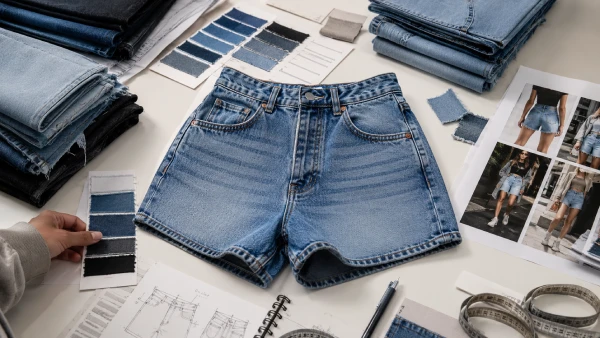
How Jeans Are Made: From Denim Fabric to Finished Product
How Jeans Are Made?
Jeans may look simple, but manufacturing a high-quality pair of jeans requires multiple production stages, including fabric selection, pattern development, cutting, sewing, washing, finishing, and quality inspection.
For clothing brands, understanding the jeans manufacturing process helps them:
- Choose the right manufacturer
- Control product quality
- Estimate production timelines
- Reduce development risks
- Create better denim products
A professional custom jeans manufacturer manages every stage from material sourcing to final production to ensure consistency across bulk orders.
Anchor:
custom jeans manufacturer
Step 1: Denim Fabric Selection
The first step in making jeans is selecting the right denim fabric.
Fabric choice affects:
- Comfort
- Durability
- Appearance
- Price
- Brand positioning
Common denim options include:
100% Cotton Denim
Features:
- Traditional denim feel
- Strong durability
- Classic fading
Used for:
- Premium jeans
- Vintage collections
- Workwear
Stretch Denim
Usually contains:
- Cotton
- Elastane
Benefits:
- Better flexibility
- Comfortable fit
- Suitable for modern silhouettes
Used for:
- Slim jeans
- Skinny jeans
- Fashion denim
Heavyweight Denim
Usually:
12 oz+
Benefits:
- Strong structure
- Premium feeling
- Long-lasting wear
Used for:
- Heritage denim
- Streetwear
- Workwear
Anchor:
denim fabric supplier
Step 2: Design and Product Development
Before production starts, brands usually provide:
- Design concept
- Technical drawings
- Measurements
- Fabric requirements
- Branding details
The factory creates a technical specification including:
- Garment measurements
- Stitching details
- Pocket design
- Hardware selection
- Label placement
A detailed tech pack reduces production errors and improves communication between brands and manufacturers.
Step 3: Pattern Making
Pattern making converts the design into production-ready garment pieces.
For jeans, patterns include:
- Front panels
- Back panels
- Waistband
- Pockets
- Belt loops
- Fly components
Professional pattern development ensures:
- Correct sizing
- Better fitting
- Consistent production
Poor pattern development can lead to:
- Incorrect proportions
- Uncomfortable fit
- Higher return rates
Step 4: Denim Fabric Cutting
After patterns are approved, denim fabric is prepared for cutting.
The cutting process requires accuracy because denim:
- Has a specific grain direction
- May shrink after washing
- Requires pattern alignment
Factories typically use:
- Manual cutting
- Automatic cutting machines
Proper cutting helps reduce:
- Fabric waste
- Production costs
- Size inconsistencies
Step 5: Jeans Sewing and Assembly
The sewing stage combines individual fabric pieces into a finished garment.
Typical jeans construction includes:
Front Assembly
Includes:
- Front pockets
- Coin pocket
- Zipper or button fly
Back Assembly
Includes:
- Back pockets
- Yoke construction
Main Assembly
Includes:
- Side seams
- Inseam stitching
- Waistband attachment
Jeans require strong stitching because they are designed for frequent wear.
Common stitching details include:
- Double stitching
- Reinforced seams
- Decorative pocket stitching
Step 6: Adding Jeans Hardware
Hardware creates both functional and visual details.
Common jeans hardware includes:
Buttons
Used for:
- Waist closure
- Fly systems
Rivets
Used to reinforce:
- Pocket corners
- High-stress areas
Labels
Including:
- Leather patches
- Woven labels
- Brand tags
For private label brands, customized hardware and labels help create unique products.
Step 7: Denim Washing Process
Washing is one of the most important stages in denim production.
It determines:
- Color appearance
- Softness
- Vintage effect
- Final customer experience
Common washing methods:
Stone Wash
Creates:
- Soft texture
- Vintage appearance
Enzyme Wash
Creates:
- Smooth hand feel
- Controlled fading
Acid Wash
Creates:
- Strong contrast
- Fashion appearance
Rinse Wash
Creates:
- Slight softness
- Minimal color change
Different brands choose different washing effects based on market positioning.
Step 8: Quality Control
Before shipment, professional factories inspect finished jeans.
Quality checks usually include:
Measurement Inspection
Checking:
- Waist size
- Hip measurement
- Length
- Leg opening
Sewing Inspection
Checking:
- Loose threads
- Stitch strength
- Seam quality
Appearance Inspection
Checking:
- Wash consistency
- Color accuracy
- Defects
Quality control is especially important for bulk orders because small production issues can affect thousands of garments.
How Long Does It Take to Manufacture Jeans?
The production timeline depends on:
- Design complexity
- Fabric availability
- Sampling process
- Order quantity
- Washing requirements
A typical timeline:
| Stage | Estimated Time |
|---|---|
| Design confirmation | 1-7 days |
| Fabric sourcing | 7-20 days |
| Sample development | 7-15 days |
| Bulk production | 20-45 days |
| Quality inspection | 2-5 days |
Complex denim products with special washing effects may require additional development time.
How Much Does It Cost to Manufacture Jeans?
The cost of producing jeans depends on several factors.
Fabric Cost
Affected by:
- Material
- Weight
- Quality
- Stretch content
Manufacturing Complexity
Factors include:
- Number of pockets
- Stitching details
- Hardware
- Washing process
Order Quantity
Higher quantities usually reduce unit costs.
Customization
Additional branding elements may increase cost:
- Custom labels
- Packaging
- Special trims
- Unique washes
For brands planning production, understanding these factors helps create realistic budgets.
Anchor:
clothing manufacturing cost
Common Mistakes Brands Make When Producing Jeans
Choosing Fabric Only Based on Price
Lower fabric cost may result in:
- Poor durability
- Uncomfortable feel
- Weak brand perception
Skipping Sample Approval
Samples allow brands to test:
- Fit
- Fabric
- Washing result
- Construction
Ignoring Washing Effects
The same denim fabric can look completely different after different washing processes.
Brands should always approve wash samples before bulk production.
Working With Manufacturers Without Denim Experience
Jeans require specialized knowledge in:
- Fabric behavior
- Pattern adjustment
- Washing control
- Construction techniques
How SeeTime Luxury Supports Jeans Manufacturing
SeeTime Luxury provides custom denim manufacturing solutions for brands developing jeans and denim collections.
Services include:
Denim Development
Supporting:
- Fabric selection
- Wash development
- Sample creation
Custom Jeans Production
Including:
- Pattern making
- Cutting
- Sewing
- Finishing
- Quality control
Private Label Denim
Supporting:
- Custom labels
- Branding
- Packaging
Anchor:
Jeans Manufacturing Checklist for Brands
Before starting production, confirm:
✓ Denim fabric specification
✓ Product measurements
✓ Sample approval
✓ Washing effect
✓ Hardware selection
✓ Label requirements
✓ Production timeline
✓ Quality standards
Frequently Asked Questions
How many steps are involved in making jeans?
A typical jeans production process includes fabric selection, pattern making, cutting, sewing, washing, finishing, and quality control.
What fabric is used to make jeans?
Most jeans use cotton denim or cotton-blend denim with optional stretch fibers.
Are jeans washed after production?
Many jeans are washed after sewing to create softness, color effects, and shrinkage control.
How long does it take to make custom jeans?
Production time depends on design complexity, quantity, fabric availability, and finishing requirements.
Can brands customize jeans?
Yes. Brands can customize:
- Fabric
- Fit
- Color
- Wash
- Labels
- Hardware
- Packaging
Conclusion
Making jeans involves much more than sewing denim fabric together.
Every stage, from fabric selection to final quality inspection, affects the finished product.
For brands developing denim collections, choosing an experienced custom jeans manufacturer helps ensure better quality, reliable production, and consistent results.
SeeTime Luxury supports brands with complete denim manufacturing solutions, from development samples to bulk production.
Discuss Your Apparel Sourcing Requirements
Whether you're launching a startup clothing brand, expanding a streetwear label, or looking for a reliable OEM apparel manufacturer, speaking directly with an experienced production team can help you avoid costly sourcing mistakes.
Talk With Our Manufacturing Team