
Introduction
The global fashion industry is shifting toward premium positioning, where quality, exclusivity, and brand identity matter more than mass production. As a result, demand for luxury private label clothing manufacturers has grown rapidly among emerging designers, boutique brands, and established labels seeking greater control over product quality. Unlike standard factories focused on volume, luxury manufacturers specialize in small-batch production, premium materials, and refined craftsmanship.
For fashion brands aiming to build a high-end identity, choosing the right manufacturing partner is a critical decision. The right supplier does more than produce garments—they help translate design concepts into premium products that align with brand positioning. This guide explains what defines luxury private label clothing, how it is produced, and how to select a manufacturer that supports long-term brand growth.
What Defines Luxury Private Label Clothing
Luxury private label clothing refers to garments produced for a brand by a manufacturer that specializes in high-end quality, design precision, and limited production. Unlike mass-market private label products, luxury apparel emphasizes exclusivity and craftsmanship over scale.
At its core, luxury private label clothing is defined by several key elements. First, materials are carefully selected for their texture, durability, and visual appeal, often sourced from premium textile mills. Second, garments are constructed with precision, ensuring accurate fit, structure, and finishing. Third, production volumes are intentionally limited to maintain exclusivity and brand value.
In addition, luxury apparel is closely tied to brand storytelling. Every detail—from fabric selection to stitching techniques—contributes to a cohesive brand identity. This makes luxury private label manufacturing not just a production process, but a strategic extension of the brand itself. For premium fashion labels, it is a way to deliver consistent quality while maintaining full creative control.
Characteristics of Luxury Clothing Manufacturing
Luxury clothing manufacturing differs significantly from standard apparel production in both process and priorities. The most notable characteristic is the focus on quality over quantity. Manufacturers typically operate with lower minimum order quantities (MOQs), allowing brands to produce smaller, more controlled collections without compromising standards.
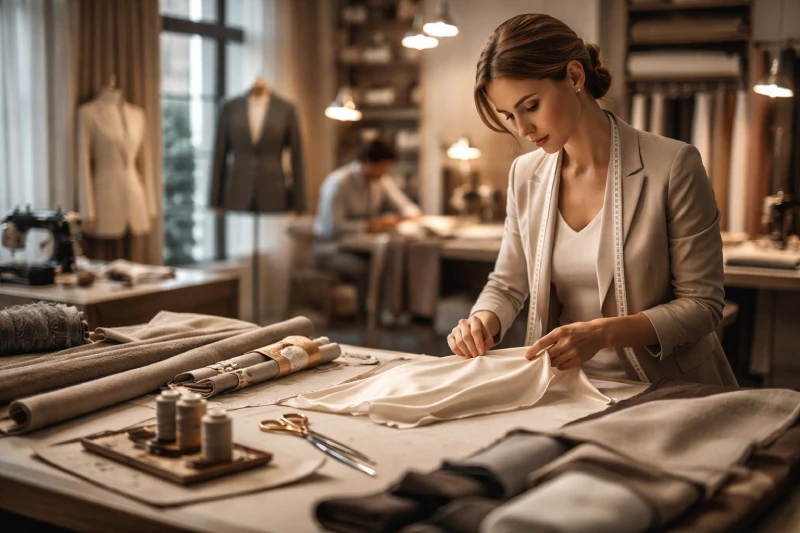
Craftsmanship is another defining factor. Skilled workers, including experienced pattern makers and tailors, play a critical role in ensuring each garment meets precise specifications. Techniques such as hand-finishing, reinforced stitching, and detailed construction are commonly used to achieve superior results.
Quality control processes are also more rigorous. Instead of relying on basic inspections, luxury manufacturers implement multiple checkpoints throughout production, including fabric testing, sample validation, and final garment review. This reduces defects and ensures consistency across batches.
Additionally, production timelines are generally longer. Luxury garments often require multiple sampling rounds to refine fit, materials, and finishing details. While this extends lead times, it allows brands to achieve a higher level of product refinement.
Overall, luxury manufacturers function as collaborative partners, supporting brands through design development, material sourcing, and production optimization.
Materials Used in Luxury Apparel Production
Materials are one of the most important factors in defining luxury apparel. High-end garments rely on premium fabrics that offer superior texture, durability, and aesthetic appeal. Natural fibers are widely used, including cotton, silk, wool, and cashmere. These materials provide comfort and breathability while maintaining a refined appearance.
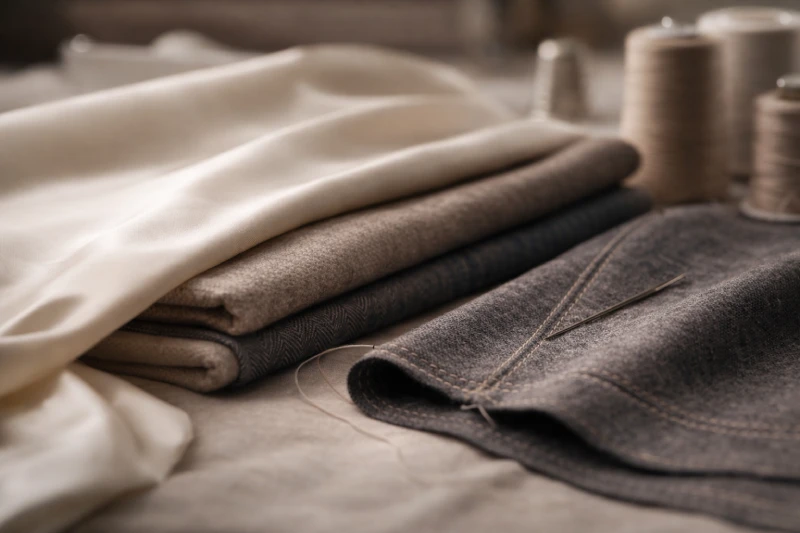
In recent years, sustainable materials have also become increasingly important in luxury fashion. Organic cotton, recycled fibers, and eco-certified textiles allow brands to combine environmental responsibility with premium quality. This aligns with growing consumer demand for sustainable luxury products.
Beyond fiber type, the performance and feel of the fabric are critical. Luxury fabrics are evaluated based on softness, drape, weight, and structure. These characteristics directly affect how a garment looks and feels when worn. For example, a well-structured wool fabric can enhance tailoring, while silk adds fluidity to high-end designs.
Fabric sourcing is another key consideration. Many luxury manufacturers work with established textile mills in regions known for quality production, such as Italy and Japan. Access to these materials enables brands to create distinctive products that stand out in the competitive fashion market.
Benefits of Working With Luxury Private Label Manufacturers
Partnering with luxury private label clothing manufacturers offers several strategic advantages for fashion brands. One of the most significant benefits is enhanced brand positioning. High-quality garments help establish a premium image, allowing brands to differentiate themselves from competitors in crowded markets.
Improved product quality also leads to higher customer satisfaction. Well-made garments are more durable, fit better, and provide a superior wearing experience. This reduces return rates and strengthens customer loyalty over time.
Luxury manufacturers also offer greater flexibility, particularly for emerging brands. Lower MOQs make it possible to launch small collections, test new designs, and adapt to market trends without large upfront investments. This is especially valuable for brands in early growth stages.
In addition, higher product quality supports stronger profit margins. Luxury apparel can be priced at a premium, reflecting the value of materials, craftsmanship, and brand identity. Over time, this contributes to sustainable business growth.
Finally, these manufacturers provide technical expertise throughout the production process, helping brands refine designs and improve overall product quality.
Customization and Craftsmanship in Luxury Clothing
Customization is a central aspect of luxury private label clothing. Unlike mass production, where designs are standardized, luxury manufacturing focuses on creating unique garments tailored to a brand’s vision. This begins with detailed design development, including tech packs, pattern making, and prototype creation.
Branding elements are also highly customizable. Labels, trims, embroidery, and packaging can all be designed to reflect a brand’s identity. These details play a crucial role in shaping how customers perceive the final product.
Fit and silhouette are equally important. Luxury manufacturers invest significant effort in developing accurate patterns and grading systems to ensure consistency across sizes. This results in garments that fit well and maintain their structure over time.
Attention to detail extends to every stage of production. Stitch density, seam finishing, and hardware selection are carefully controlled to achieve a refined finish. Even small elements, such as button placement or stitching alignment, are considered part of the overall quality standard.
Small-batch production further enhances exclusivity. Limited runs allow brands to release capsule collections or seasonal drops, reinforcing their premium positioning in the market.
How to Choose a Luxury Clothing Manufacturer
Selecting the right luxury clothing manufacturer requires careful evaluation. The first step is to assess product quality by requesting samples. This allows brands to examine fabric quality, stitching, and overall construction before committing to production.
Experience in the luxury segment is another critical factor. Manufacturers with a proven track record in high-end apparel are more likely to understand the requirements of premium brands, including attention to detail and consistency.
MOQ requirements should also be considered. Brands need to ensure that production volumes align with their business model and financial capacity. A manufacturer offering flexible MOQs is often more suitable for growing brands.
Communication and development processes are equally important. Clear timelines, responsive communication, and structured sampling stages help prevent delays and misunderstandings during production.
Certifications and compliance should not be overlooked, particularly for brands focused on sustainability or ethical production. These factors can influence brand reputation and customer trust.
Finally, pricing should be evaluated in terms of value rather than cost alone. Investing in quality manufacturing supports long-term brand success and reduces risks associated with poor production.
Conclusion
Luxury private label clothing manufacturers play a vital role in helping fashion brands achieve premium positioning. By combining high-quality materials, advanced craftsmanship, and flexible production capabilities, they enable brands to create distinctive products that stand out in the market.
Choosing the right manufacturing partner is not just about production—it is about building a long-term relationship that supports brand growth. From design development to final production, the right manufacturer adds value at every stage of the process.
For brands aiming to compete in the luxury segment, investing in quality manufacturing is essential. A strong partnership with a reliable manufacturer ensures consistency, enhances brand identity, and lays the foundation for sustainable success.
Discuss Your Apparel Sourcing Requirements
Whether you're launching a startup clothing brand, expanding a streetwear label, or looking for a reliable OEM apparel manufacturer, speaking directly with an experienced production team can help you avoid costly sourcing mistakes.
Talk With Our Manufacturing Team