
Introduction
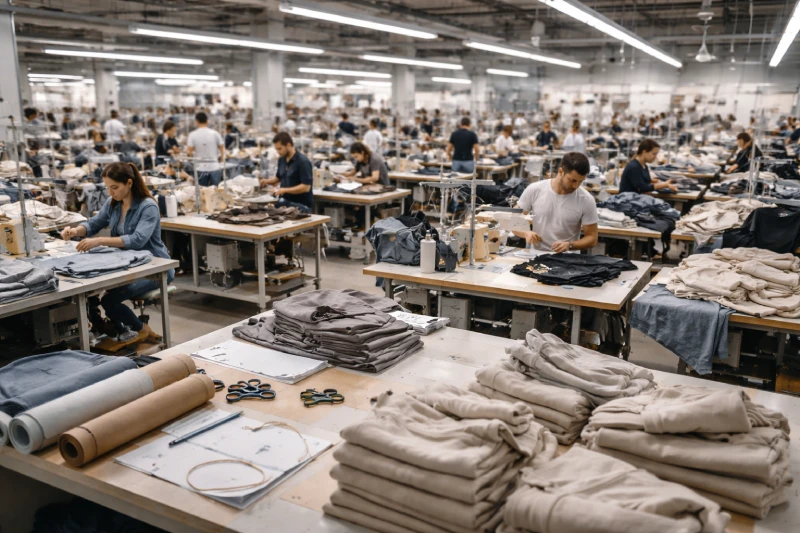
Launching a clothing brand involves more than creating designs and building a marketing strategy. Behind every successful apparel brand is a reliable manufacturing partner capable of turning product ideas into consistent, high-quality garments.
Private label clothing suppliers play a crucial role in this process. These suppliers manufacture garments for brands and apply the brand’s own labels, logos, and customization requirements. In addition to garment production, many suppliers assist with fabric sourcing, product development, branding elements, and packaging preparation.
For fashion startups, ecommerce clothing brands, and boutique retailers, selecting the right supplier can directly influence product quality, production timelines, and overall brand reputation.
However, private label clothing suppliers vary widely in their capabilities, minimum order quantities, customization services, and communication standards. Understanding how suppliers operate and how to evaluate them is essential for building a reliable clothing production supply chain.
This guide explains what private label clothing suppliers do, where to find them, and how to choose the right manufacturing partner for your brand.
What Are Private Label Clothing Suppliers?
Private label clothing suppliers are manufacturers that produce apparel for brands using the brand’s own labels, logos, and design specifications. These suppliers handle garment production while the brand manages marketing, sales, and brand positioning in the market.
In the apparel industry, private label suppliers serve as the manufacturing backbone for many clothing brands. Instead of investing in factories and production equipment, brands collaborate with suppliers that already have the manufacturing infrastructure, skilled labor, and sourcing networks required for garment production.
Private label clothing suppliers typically work with brands to manufacture products based on specific requirements such as fabric selection, garment design, sizing standards, and branding details. The finished products are then sold under the brand’s identity rather than the manufacturer’s.
These suppliers may also be referred to as private label clothing manufacturers, private label apparel suppliers, or private label clothing vendors, depending on their role in the apparel supply chain.
What Services Do Private Label Clothing Suppliers Provide?
Private label clothing suppliers typically provide a range of services that support the full apparel production process, from early product development to finished garment manufacturing.
Garment Manufacturing
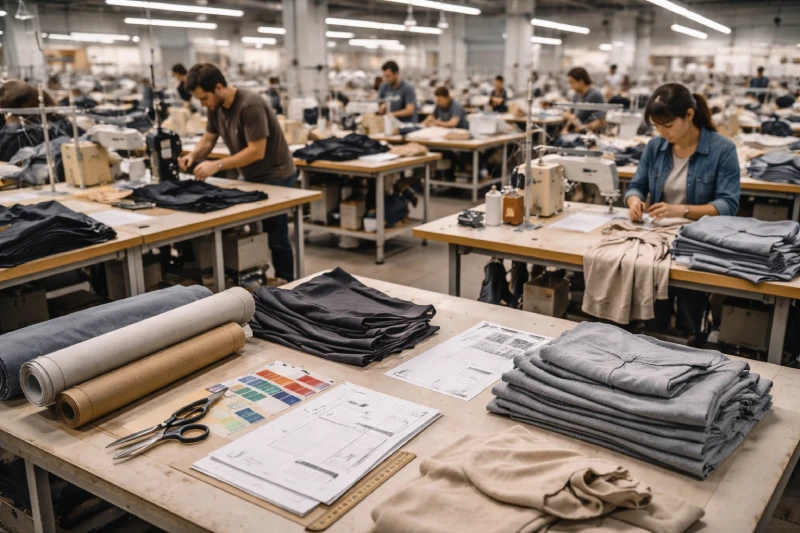
The core service of private label clothing suppliers is garment production. Suppliers use their manufacturing facilities and technical teams to cut, sew, assemble, and finish clothing based on the brand’s design specifications. This includes producing items such as T-shirts, hoodies, activewear, uniforms, or other apparel categories.
Fabric and Material Sourcing
Many suppliers assist brands with sourcing fabrics and trims required for production. This may include cotton, polyester, blends, ribbing materials, buttons, zippers, and other garment components. Access to established textile supply networks helps streamline the sourcing process.
Product Development and Sampling
Before mass production begins, suppliers usually create development samples. Sampling allows brands to test fabric choices, garment fit, and construction quality while refining product specifications.
Branding and Customization
Private label clothing suppliers also support brand identity by applying customization elements such as woven labels, printed neck labels, logo embroidery, and branded packaging.
Together, these services allow clothing brands to transform product concepts into finished garments ready for retail or online sales.
Types of Private Label Clothing Suppliers
Private label clothing suppliers vary widely in their manufacturing capabilities and service scope. Understanding the different types of suppliers can help clothing brands choose a production partner that matches their product strategy and business scale.
Full-Service Clothing Manufacturers
Full-service manufacturers handle multiple stages of the apparel production process. Their services often include product development, fabric sourcing, pattern making, sampling, and bulk manufacturing. These suppliers are commonly chosen by fashion startups and growing clothing brands that require comprehensive production support.
Wholesale Private Label Suppliers
Wholesale private label suppliers typically offer pre-existing garment styles that can be customized with brand labels, logos, or packaging. Because the base products are already developed, this model often allows faster production timelines. However, customization options may be more limited compared with fully custom manufacturing.
Specialized Product Manufacturers
Some suppliers focus on specific garment categories such as sportswear, streetwear, knitwear, denim, or outerwear. These manufacturers usually possess deeper technical expertise in their specialty products.
Sustainable Apparel Manufacturers
An increasing number of suppliers specialize in sustainable production, offering eco-friendly fabrics, responsible sourcing practices, and environmentally conscious manufacturing processes.
Where to Find Private Label Clothing Suppliers
Finding reliable private label clothing suppliers requires exploring several sourcing channels commonly used within the apparel industry. Brands typically evaluate multiple suppliers before selecting a manufacturing partner.
Global Apparel Manufacturing Hubs
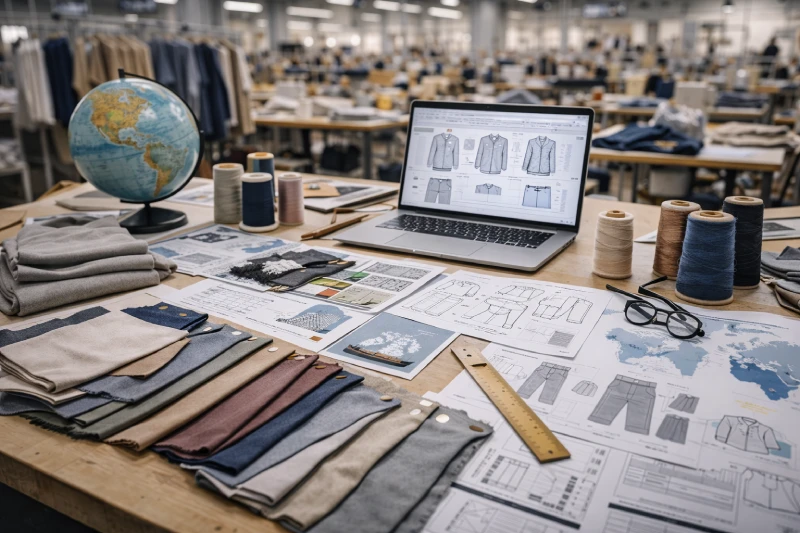
Many private label clothing suppliers operate in regions with established garment manufacturing industries. Countries such as China, Vietnam, Bangladesh, Turkey, and Portugal are known for their large apparel production capacity and diverse manufacturing capabilities. These locations often provide access to experienced factories, textile suppliers, and skilled labor.
B2B Sourcing Platforms
Online sourcing platforms are widely used to identify private label clothing vendors. These platforms allow brands to browse supplier profiles, compare production capabilities, review certifications, and communicate directly with manufacturers. They can serve as an initial research tool when building a shortlist of potential suppliers.
Apparel Trade Shows
Trade exhibitions and textile fairs provide opportunities to meet manufacturers in person. Brands can examine fabric samples, review garment quality, and discuss customization requirements directly with suppliers. This direct interaction often helps establish trust and clarify production expectations.
Sourcing Agencies and Industry Networks
Some brands work with sourcing agencies or industry contacts who help identify suitable manufacturers. These intermediaries may assist with factory selection, supplier communication, and production coordination.
How to Evaluate Private Label Clothing Suppliers
Choosing a reliable private label clothing supplier requires careful evaluation of several operational and production factors. A thorough assessment helps brands reduce manufacturing risks and build stable long-term supply partnerships.
Production Capability
The first step is determining whether the supplier can manufacture the specific garments required. Brands should confirm the supplier’s experience with similar product categories, production capacity, and ability to maintain consistent quality across different order volumes.
Customization Options
Private label manufacturing often involves multiple customization elements. Brands should evaluate whether the supplier can support custom fabrics, colors, labels, printing methods, embroidery, and packaging requirements that match the brand’s design standards.
Product Quality
Reviewing product quality is essential before committing to bulk production. Brands typically assess this through development samples, examining stitching quality, fabric feel, garment construction, and finishing details.
Minimum Order Quantities (MOQ)
Different suppliers set different MOQ levels depending on production processes and factory scale. Brands should confirm that order requirements align with their budget, inventory strategy, and early-stage sales expectations.
Lead Times
Production timelines affect inventory planning and product launches. It is important to understand sampling timelines, bulk production schedules, and potential delays during peak manufacturing seasons.
Communication and Reliability
Clear and consistent communication helps prevent specification errors and production misunderstandings. Suppliers who respond promptly and provide transparent updates are generally easier to collaborate with over time.
Questions to Ask a Private Label Clothing Supplier
Before committing to a private label clothing supplier, brands should ask detailed questions to understand the supplier’s manufacturing capabilities, production process, and collaboration expectations. Clear discussions at this stage can prevent misunderstandings later in production.
Production Experience
Brands should first understand the supplier’s expertise and production scope. Useful questions include:
- What types of garments do you specialize in manufacturing?
- What is your typical monthly production capacity?
- Do you have experience working with private label clothing brands?
Customization Capabilities
Since branding is central to private label production, it is important to ask:
- What customization options are available for logos and labels?
- Can you provide custom packaging or branded tags?
- Are multiple colors or fabric variations available?
Order Requirements
Understanding order structure helps brands plan production.
- What is the minimum order quantity for each product style?
- Can different sizes and colors be mixed within one order?
Sampling and Quality Control
Brands should also clarify product development procedures.
- Do you provide development samples before bulk production?
- What quality control processes are used during manufacturing?
These questions help determine whether a supplier is suitable for long-term collaboration.
Common Mistakes When Choosing Private Label Clothing Suppliers
Selecting a private label clothing supplier is a critical decision, yet many new clothing brands make avoidable sourcing mistakes during the early stages of production.
Choosing Suppliers Based Only on Price
One of the most common mistakes is selecting a supplier solely because they offer the lowest manufacturing price. While competitive pricing is important, extremely low costs may indicate lower-quality materials, inconsistent production standards, or limited quality control processes.
Ignoring Production Capacity
Some suppliers may be suitable for small initial orders but lack the capacity to support larger production volumes as a brand grows. Failing to evaluate long-term production capability can create supply disruptions later.
Skipping Sample Testing
Producing samples before bulk manufacturing is essential. Without testing samples, brands risk receiving products that differ from their expectations in terms of fit, fabric quality, or construction.
Poor Communication With Suppliers
Unclear communication about specifications, sizing, or branding details can lead to production errors and delays. Working with suppliers who provide clear updates and respond promptly helps prevent misunderstandings.
Avoiding these common mistakes helps clothing brands build more reliable manufacturing partnerships.
Working With Overseas Private Label Clothing Suppliers
Many clothing brands work with overseas private label clothing suppliers to access larger manufacturing capacity and competitive production costs. Global apparel manufacturing hubs provide extensive experience in garment production across a wide range of product categories.
Global Manufacturing Advantages
Countries such as China, Vietnam, Bangladesh, and Turkey are well known for their established textile and garment industries. These regions often offer advanced production infrastructure, skilled labor, and access to diverse fabric suppliers, making them common sourcing locations for clothing brands.
Communication Considerations
Working with international suppliers requires clear communication about product specifications. Brands should provide detailed information on garment designs, fabric requirements, sizing charts, branding elements, and packaging instructions to reduce the risk of misunderstandings during production.
Quality Control
To maintain product consistency, brands often implement quality checks throughout the manufacturing process. This may include reviewing pre-production samples, approving production samples, and conducting inspections before shipment.
Logistics and Production Planning
International manufacturing also involves planning for shipping timelines, customs procedures, and inventory scheduling. Proper coordination helps ensure that finished garments arrive on time for product launches and retail distribution.
Conclusion
Choosing the right private label clothing supplier is a fundamental step when building or expanding a clothing brand. Suppliers are responsible not only for manufacturing garments but also for supporting key aspects of the production process, including fabric sourcing, product customization, and quality control.
Reliable private label clothing suppliers help brands maintain consistent product standards and stable production timelines. By carefully evaluating suppliers based on manufacturing capability, customization options, communication practices, and minimum order requirements, brands can reduce sourcing risks and establish stronger production partnerships.
Working with experienced private label clothing manufacturers also makes it easier for brands to scale production as demand grows. For fashion startups, ecommerce clothing businesses, and boutique retailers, selecting the right manufacturing partner provides a solid foundation for long-term product development and brand growth.
Discuss Your Apparel Sourcing Requirements
Whether you're launching a startup clothing brand, expanding a streetwear label, or looking for a reliable OEM apparel manufacturer, speaking directly with an experienced production team can help you avoid costly sourcing mistakes.
Talk With Our Manufacturing Team