
Introduction
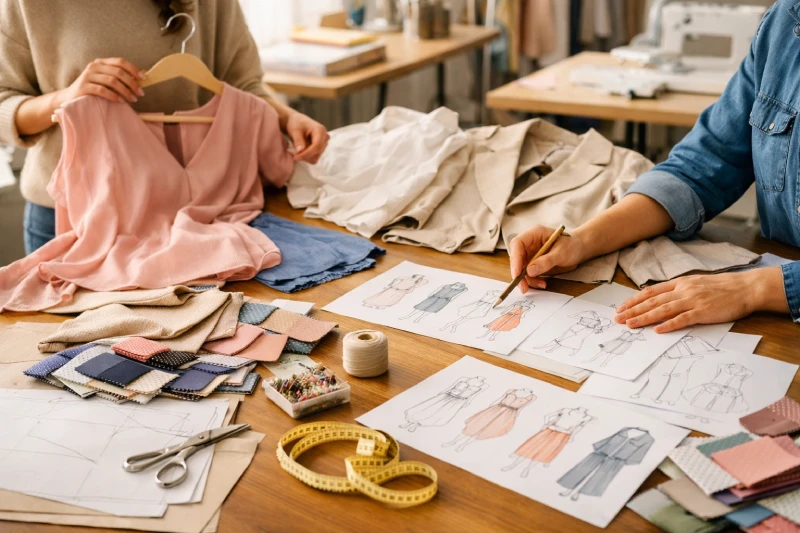
The fashion industry has seen rapid growth in independent brands and boutique labels, many of which rely on private label women’s clothing manufacturers to bring their designs to market. Instead of investing in their own factories, fashion entrepreneurs partner with experienced manufacturers who can produce garments under their brand name. This model allows brands to focus on design, marketing, and customer experience while outsourcing the complexities of apparel production.
Private label women’s clothing manufacturers provide a complete production solution, from sourcing fabrics and developing samples to managing bulk manufacturing and quality control. This approach is particularly popular among boutique brands, online fashion retailers, and startups looking to launch unique women’s clothing collections.
In this guide, we will explore how private label women’s clothing production works, the types of garments manufacturers produce, the customization options available, and how to choose the right manufacturing partner for your fashion brand.
What Are Private Label Women’s Clothing Manufacturers
Private label women’s clothing manufacturers are garment factories that produce apparel for brands under the brand’s own label rather than selling products under the factory’s name. In this model, the fashion brand controls the branding, design direction, and marketing, while the manufacturer focuses on the technical aspects of garment production.
Many private label women’s clothing manufacturers provide end-to-end services that support fashion brands throughout the development process. These services often include fabric sourcing, pattern making, sample development, grading, bulk production, and quality inspection. By working with experienced manufacturers, brands can turn design concepts into finished garments ready for retail or e-commerce distribution.
This model is widely used by boutique brands, online fashion retailers, influencers launching clothing lines, and established fashion companies expanding their product range. With private label womens clothing production, brands gain access to professional manufacturing capabilities while maintaining full ownership of their brand identity and product positioning.
Types of Women’s Clothing Produced by Private Label Manufacturers
Private label women’s clothing manufacturers typically produce a wide range of garments to support different fashion brands, boutiques, and online retailers. Depending on the factory’s specialization, manufacturers may focus on knitwear, woven garments, or performance apparel. Understanding the common categories produced by private label women’s clothing manufacturers helps brands identify the right partner for their product line.
Dresses
Dresses are one of the most popular categories in private label women’s clothing production. Manufacturers produce various styles such as casual dresses, summer dresses, evening dresses, and knit dresses. Fashion brands often develop seasonal dress collections with different silhouettes, fabrics, and prints to match changing trends and customer preferences.
Tops
Women’s tops include a wide variety of garments such as blouses, crop tops, knit tops, and casual t-shirts. These items are often produced in high volumes because they are essential pieces in most women’s wardrobes. Private label manufacturers can support both simple everyday tops and more fashion-driven styles with unique details.
Activewear
Many manufacturers also produce women’s activewear, including yoga sets, leggings, sports bras, and gym tops. With the global growth of fitness and athleisure fashion, women’s clothing private label production increasingly includes performance fabrics and stretch materials designed for comfort and movement.
Boutique Clothing
Private label boutique clothing focuses on smaller collections designed for fashion boutiques and independent brands. These garments are often trend-driven, produced in limited quantities, and feature unique fabrics, trims, or silhouettes that help brands differentiate themselves in the market.
Benefits of Private Label Women’s Clothing Production
Private label manufacturing has become a popular model for fashion brands because it allows companies to build their own clothing lines without managing complex production operations. By partnering with private label women’s clothing manufacturers, brands can focus on design, marketing, and customer relationships while experienced factories handle garment production.
Brand Ownership
One of the biggest advantages of private label production is that brands maintain full ownership of their products. Instead of selling clothing under a supplier’s brand, companies can build their own identity, labels, and collections in the market.
Lower Startup Costs
Starting a clothing brand with private label manufacturing requires significantly less capital compared to operating a factory. Brands avoid investing in machinery, production facilities, and manufacturing staff while still accessing professional production capabilities.
Faster Product Development
Experienced manufacturers already have pattern makers, sample rooms, and established production processes. This allows brands to move from design concepts to finished garments more efficiently.
Flexible Production
Many private label womens clothing manufacturers offer flexible order quantities, making it possible for startups and boutique brands to produce smaller collections and gradually scale production as demand grows.
Access to Manufacturing Expertise
Manufacturers bring valuable industry knowledge, including fabric sourcing, garment construction techniques, and quality control processes that help ensure consistent product quality.
How Women’s Clothing Manufacturing Works
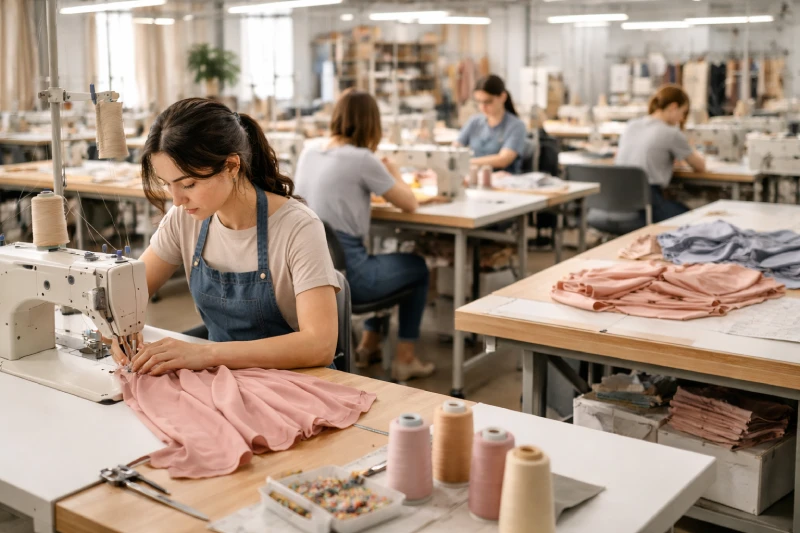
Understanding how production works helps brands collaborate more effectively with private label women’s clothing manufacturers. Although specific workflows may vary between factories, most women’s clothing production follows a structured process from design development to final delivery.
Step 1 — Design Development
The process typically begins with the brand providing design references such as sketches, technical drawings, or tech packs. These documents outline important details including measurements, materials, construction methods, and finishing requirements. Manufacturers review the information to confirm production feasibility.
Step 2 — Fabric Sourcing
Once the design is approved, the manufacturer sources suitable fabrics and trims. Common materials used in private label women’s clothing production include cotton, polyester, rayon, and blended fabrics depending on the garment style.
Step 3 — Sampling
Before bulk production begins, manufacturers create samples based on the approved design. These samples allow brands to evaluate fit, construction quality, and overall appearance. Adjustments can be made during this stage to ensure the final product meets expectations.
Step 4 — Bulk Production
After the sample is approved, factories begin bulk manufacturing. This stage includes fabric cutting, garment sewing, trimming, and finishing processes.
Step 5 — Quality Inspection
Quality control teams inspect garments for issues such as stitching defects, sizing inconsistencies, or fabric flaws.
Step 6 — Packaging and Shipping
Finished garments are packaged according to brand requirements and prepared for shipment to warehouses, retailers, or e-commerce fulfillment centers.
Customization Options for Women’s Private Label Clothing
One of the main reasons brands work with private label women’s clothing manufacturers is the ability to customize garments according to their brand identity and target market. Private label production allows companies to control everything from fabric selection to branding details, creating unique collections that stand out in a competitive fashion market.
Fabric Selection
Manufacturers typically offer a wide range of fabric options. Brands can choose materials such as cotton, polyester, rayon, bamboo fabric, or blended textiles depending on the garment style and performance requirements. Some manufacturers also support sustainable materials like organic cotton or recycled fabrics.
Garment Design
Design customization includes adjustments to silhouettes, sleeve styles, necklines, and garment lengths. Brands can develop original designs or modify existing styles to match their seasonal collections and fashion direction.
Branding Elements
Private label clothing focuses heavily on brand identity. Manufacturers can add custom branding elements such as woven labels, printed neck labels, hang tags, and branded packaging that reflect the brand’s image.
Color and Pattern
Many women’s clothing private label manufacturers support custom dyeing and fabric printing. This allows brands to develop exclusive color palettes or unique patterns for their collections.
Size Range
Manufacturers can produce garments in different size ranges, including standard sizing, extended sizing, and plus-size collections to serve diverse customer groups.
How to Choose a Women’s Clothing Manufacturer
Selecting the right manufacturing partner is one of the most important decisions when launching a fashion brand. Reliable private label women’s clothing manufacturers not only produce garments but also support product development, quality control, and long-term brand growth. Evaluating several key factors can help brands find a manufacturer that fits their production needs.
Manufacturing Experience
Brands should prioritize manufacturers with proven experience in producing women’s apparel. Factories that specialize in dresses, tops, or boutique clothing typically have stronger knowledge of garment construction, sizing standards, and fashion trends.
Minimum Order Quantity (MOQ)
Different manufacturers require different minimum order quantities. Startups and boutique brands often benefit from factories that offer lower MOQs, allowing them to test new designs without committing to large production volumes.
Sampling Capability
A professional manufacturer should provide reliable sample development services. This includes pattern making, prototype samples, and revisions to ensure the final design meets brand expectations before bulk production begins.
Quality Control
Strong quality management is essential in private label womens clothing production. Brands should ask about inspection procedures, production monitoring, and how factories handle defects or inconsistencies.
Communication and Transparency
Clear communication helps prevent production issues. Good manufacturers provide realistic timelines, transparent pricing, and regular updates throughout the manufacturing process.
Common Challenges in Women’s Clothing Manufacturing
While working with private label women’s clothing manufacturers offers many advantages, brands should also understand the challenges that can arise during the production process. Being aware of these potential issues helps fashion brands plan more effectively and maintain smoother manufacturing operations.
Minimum Order Quantities
Some manufacturers require relatively high minimum order quantities, especially when custom fabrics or specialized production processes are involved. This can be challenging for startups or boutique brands that want to test new styles with smaller production runs.
Fabric Sourcing Delays
Fabric availability can sometimes affect production schedules. Certain materials may need to be sourced from specific suppliers, which can lead to longer lead times, particularly for custom colors or unique fabrics.
Fit and Sizing Issues
Achieving consistent sizing across different body types is a common challenge in private label womens clothing production. Proper pattern grading and sample testing are essential to ensure garments fit well across the entire size range.
Production Lead Time
Manufacturing timelines depend on order volume, factory capacity, and material availability. During peak seasons, production lead times may increase as factories manage multiple orders simultaneously.
Trend-Driven Market
Women’s fashion trends change quickly, requiring brands to move rapidly from design to production in order to stay competitive.
Conclusion
Private label manufacturing has become a key strategy for fashion brands looking to launch and grow their own women’s clothing collections. By partnering with experienced private label women’s clothing manufacturers, brands can access professional production capabilities without investing in their own factories or complex supply chains.
These manufacturers support the entire development process, including fabric sourcing, sample creation, bulk production, and quality control. This allows fashion brands to focus on design, branding, and customer experience while ensuring their garments are produced efficiently and consistently.
For brands planning to enter the fashion market, choosing the right manufacturing partner is essential. A reliable manufacturer with strong experience in private label women’s clothing production can help transform design ideas into high-quality garments while supporting long-term brand growth and scalable production.
Discuss Your Apparel Sourcing Requirements
Whether you're launching a startup clothing brand, expanding a streetwear label, or looking for a reliable OEM apparel manufacturer, speaking directly with an experienced production team can help you avoid costly sourcing mistakes.
Talk With Our Manufacturing Team