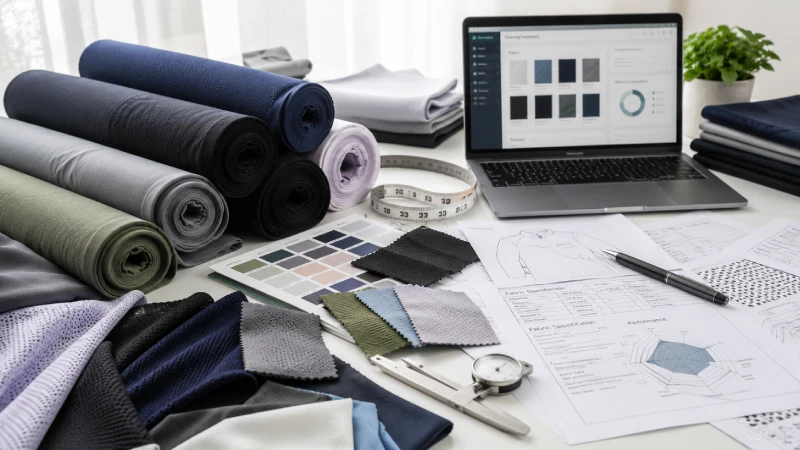
Choosing the right sportswear fabric manufacturer is not only about finding a fabric supplier with attractive colors or competitive prices. For activewear, gymwear, swimwear, running apparel, outdoor sportswear, and private label fitness clothing, fabric performance directly affects fit, comfort, durability, washing stability, and customer satisfaction.
A fabric that looks good on a swatch may still fail in production if it has weak stretch recovery, poor colorfastness, excessive shrinkage, pilling problems, or unstable bulk shade. This is why sportswear fabric sourcing should be treated as a technical sourcing decision, not just a purchasing task.
This guide compares 13 sportswear fabric manufacturers, performance textile suppliers, and sourcing partners that may fit different buyer needs. It also explains how to evaluate fabric types, MOQ, customization options, certifications, and whether your brand should work directly with a fabric mill or with an OEM garment manufacturer.
For brands that need finished sportswear rather than raw fabric only, Seetime Luxury supports OEM/ODM apparel manufacturing, private label sportswear, fabric sourcing, custom printing, embroidery, and full-package production in China.
Editorial Note
This guide is written for apparel buyers, activewear startups, private label sportswear brands, sourcing teams, and product developers who need to evaluate sportswear fabric manufacturers before moving into sampling or bulk production.
The goal is not to name one universal “best” fabric manufacturer. Sportswear fabric sourcing depends on product type, performance requirements, MOQ, price level, testing standards, sustainability goals, and whether the buyer needs raw fabric only or finished garment production. A yoga leggings brand, swimwear label, outdoor apparel buyer, and teamwear supplier may all need different fabric partners.
This article focuses on public information, buyer suitability, sourcing logic, and practical verification steps. Buyers should use this guide as a starting point for supplier research, not as a substitute for direct factory audits, laboratory testing, commercial negotiation, or legal review.
Public Information Disclaimer
The manufacturer information in this guide is based on publicly available company websites, product pages, industry visibility, and sourcing relevance at the time of review. MOQ, lead time, certification status, production capacity, and customization options may change. Buyers should verify all technical, commercial, and compliance information directly with each supplier before placing orders.
Quick Answer: How to Choose a Sportswear Fabric Manufacturer
The right sportswear fabric manufacturer depends on what you are making.
For yoga leggings, compression wear, and premium activewear, buyers usually need high-stretch nylon/spandex or polyester/spandex fabrics with strong recovery, opacity, smooth handfeel, and stable color performance. For running shirts and gym tops, breathable polyester knits, mesh, interlock, or bird eye fabrics may be more suitable. For swimwear and dancewear, buyers should pay attention to chlorine resistance, sunscreen resistance, UV exposure, stretch recovery, and fabric stability. For outdoor sportswear, technical fleece, softshell, weather-resistant woven fabrics, and moisture-management materials may be more relevant.
Buyers also need to decide whether they should work directly with a fabric mill or with a garment manufacturer that can source fabric and produce finished apparel. Direct fabric sourcing gives more control over material selection, but it may require higher MOQ, stronger technical knowledge, and separate garment production management. Full-package OEM sportswear production can be more efficient for buyers who need fabric sourcing, sampling, cutting, sewing, printing, embroidery, labeling, and packaging under one supply chain.
In practical sourcing, the best approach is to build a shortlist by product category, request swatches, test fabric performance, confirm MOQ, and only then proceed to garment sampling.
What Are Sportswear Fabric Manufacturers?
Sportswear fabric manufacturers are textile companies that develop, knit, weave, dye, finish, or supply fabrics used in activewear, performance apparel, swimwear, gymwear, outdoor apparel, athleisure, teamwear, and related products.
They may include:
- Technical fabric mills
- Warp-knit fabric manufacturers
- Circular-knit fabric manufacturers
- Stretch woven fabric manufacturers
- Performance textile developers
- Fabric wholesalers with stock programs
- Recycled polyester or recycled nylon suppliers
- Garment OEM factories with fabric sourcing capability
Sportswear fabric sourcing is more technical than ordinary fashion fabric sourcing because the fabric must support movement, sweat management, washing durability, body fit, and repeated wear. A fabric that looks good on a swatch may still fail in bulk production if it has poor recovery, high shrinkage, weak colorfastness, pilling issues, or unstable shade consistency.
For this reason, buyers should evaluate sportswear fabrics using both commercial and technical criteria.
How We Selected These Manufacturers
The manufacturers and suppliers included in this guide were selected based on sourcing relevance rather than ranking position.
The selection considered:
- Relevance to sportswear, activewear, swimwear, outdoor apparel, or performance textiles
- Publicly visible fabric categories
- Technical fabric specialization
- Suitability for international buyers
- Strength in stretch, knit, woven, fleece, mesh, compression, or functional fabrics
- Sustainability or certification visibility where applicable
- Usefulness for different buyer types and sourcing strategies
This guide includes both fabric manufacturers and fabric suppliers because many apparel buyers search for “sportswear fabric manufacturers” when they are actually open to several sourcing models. Some buyers need a technical mill. Others need a stock fabric supplier. Some need a full-package sportswear OEM that can help source fabric and produce finished garments.
How We Verified Information
The information was reviewed through public company websites, product descriptions, market positioning, and available supplier information. The guide avoids unsupported claims about exact capacity, MOQ, pricing, delivery time, or certification validity unless those details are clearly available from public sources.
Buyers should still verify:
- Current product availability
- Fabric composition
- GSM and width
- MOQ by color and fabric type
- Lab dip and strike-off process
- Bulk lead time
- Certification validity
- Recycled content documentation
- Colorfastness and shrinkage test reports
- Factory location and production ownership
- Whether the company is a mill, converter, distributor, or garment manufacturer
Sportswear Fabric Manufacturer Comparison Table
| Manufacturer / Supplier | Country / Region | Best For | Fabric Focus | Buyer Fit | Notes to Verify |
|---|---|---|---|---|---|
| Carvico | Italy | Swimwear, activewear, technical stretch apparel | Warp-knit performance fabrics | Premium activewear and swimwear brands | MOQ, fabric availability, color program |
| Jersey Lomellina | Italy | Circular-knit stretch sportswear fabrics | Technical circular knits | Premium activewear and athleisure brands | Custom development process, bulk lead time |
| M.I.T.I. | Italy | Athletic and performance knit fabrics | Technical knit fabrics | Sportswear and outdoor apparel buyers | Print compatibility, performance testing |
| Schoeller Textil | Switzerland | Outdoor sportswear and high-performance apparel | Technical textiles and finishing technologies | Advanced performance brands | Project requirements, fabric access, price level |
| Polartec | United States / Global | Outdoor, fleece, base layers, insulation | Performance fabric technologies | Outdoor and technical apparel brands | Authorized fabric access and garment compatibility |
| Apex Mills | United States | Specialty knits, mesh, spacer, elastomerics | Custom technical textiles | Buyers needing engineered fabric solutions | Development MOQ and technical requirements |
| Burlington | United States | Performance apparel and outdoor woven fabrics | Advanced woven performance fabrics | Outdoor, uniform, and activewear buyers | Program availability and finishing options |
| Beverly Knits | United States | Circular-knit performance fabrics | Knitting, dyeing, finishing, technical textiles | Buyers seeking U.S. knit fabric production | MOQ, finishing, domestic supply chain needs |
| Pine Crest Fabrics | United States | Stock stretch fabrics for swim, dance, yoga | Wholesale stretch fabrics | Startups and small-to-mid brands | Stock colors, custom minimums, reorder consistency |
| Payen | France | Elastic yarns and stretch fabrics | Stretch textile solutions | Brands needing European stretch fabric expertise | Fabric programs and development terms |
| Liebaert Textiles | Belgium | Premium elastic fabrics and sports stretch | Elastic fabrics and compression-oriented materials | High-end activewear and bodywear brands | Custom development scope and MOQ |
| Penn Solutions | Italy / Germany | High-performance stretch and compression fabrics | Customizable stretch structures | Sportswear, medical, and technical apparel buyers | Certification validity and production structure |
| Seetime Luxury | China | Finished sportswear production with fabric sourcing | OEM/ODM garment manufacturing and fabric sourcing | Brands needing finished sportswear, not raw fabric only | Fabric source, MOQ, sample approval, testing |
Sportswear Fabric Manufacturers and Suppliers
Carvico
Company Overview
Carvico is an Italian fabric manufacturer known for high-quality stretch fabrics used in sportswear, swimwear, beachwear, and technical apparel. It is especially relevant for buyers who need warp-knit fabrics with strong stretch, recovery, and performance characteristics.
Best For
Carvico is best suited for premium activewear, swimwear, cycling apparel, dancewear, and performance fashion brands that prioritize technical fabric quality over lowest-cost sourcing.
Key Strengths
Its key strengths include high-performance stretch fabrics, sportswear relevance, premium market positioning, and strong visibility in swimwear and activewear fabric sourcing.
Potential Limitations
Carvico may not be the easiest option for very small startup buyers looking for extremely low MOQ or low-cost commodity fabrics. Buyers should confirm whether they can access stock programs, distributors, or direct mill orders.
Main Products
Main product areas include warp-knit stretch fabrics, swimwear fabrics, sportswear fabrics, technical apparel fabrics, and selected sustainable fabric lines.
MOQ & Customization
MOQ and customization should be confirmed directly. Buyers should ask about stock colors, custom dyeing, lab dips, fabric width, GSM, recycled yarn options, and delivery timelines.
Things To Verify Before Ordering
Verify fabric composition, stretch percentage, recovery, chlorine resistance, UV performance, shade continuity, and whether certifications or sustainability claims apply to the specific fabric selected.
Website
Website: Carvico official website
Jersey Lomellina
Company Overview
Jersey Lomellina is an Italian producer of technical circular-knit fabrics. It is closely associated with premium stretch fabric development for sportswear, swimwear, athleisure, and fashion-performance applications.
Best For
Jersey Lomellina is suitable for brands that need circular-knit stretch fabrics with a refined handfeel, technical function, and premium positioning.
Key Strengths
The company’s strengths include circular-knit expertise, activewear relevance, Italian textile development, and fabric lines that combine style, comfort, performance, and sustainability.
Potential Limitations
It may be less suitable for buyers looking only for basic low-cost polyester spandex jersey. Buyers should clarify availability through direct sales, distributors, or regional agents.
Main Products
Main products include circular-knit stretch fabrics, activewear fabrics, swimwear fabrics, and technical fashion-performance fabrics.
MOQ & Customization
Buyers should verify MOQ by color, development options, sampling availability, recycled yarn options, and whether stock programs are available for smaller orders.
Things To Verify Before Ordering
Confirm opacity, stretch recovery, pilling resistance, washing stability, colorfastness, and whether selected fabrics are suitable for leggings, tops, swimwear, or athleisure.
M.I.T.I.
Company Overview
M.I.T.I. is an Italian textile company focused on athletic and performance knit fabrics for sportswear, outdoor apparel, and technical applications. It is relevant for buyers who need functional knit materials rather than basic fashion fabrics.
Best For
M.I.T.I. is best for performance sportswear, running apparel, training wear, outdoor apparel, and brands requiring technical knit development.
Key Strengths
Its strengths include performance knit development, technical applications, sublimation-related fabric solutions, and relevance across indoor and outdoor sports categories.
Potential Limitations
Buyers with very simple products or very low target prices may find technical fabrics more advanced than necessary. Direct commercial access and MOQ should be confirmed.
Main Products
Main products include athletic knit fabrics, performance fabrics, technical fabrics for printing, and sportswear-related textile solutions.
MOQ & Customization
Buyers should ask about standard fabric ranges, custom performance development, print compatibility, minimum dye lots, and lead time for bulk orders.
Things To Verify Before Ordering
Check moisture management, breathability, stretch, recovery, shrinkage, sublimation performance, and after-wash appearance.
Schoeller Textil
Company Overview
Schoeller Textil is a Swiss textile manufacturer known for innovative performance textiles and textile technologies. It is especially relevant for outdoor sports, winter sports, lifestyle performance apparel, protective applications, and high-function fabric development.
Best For
Schoeller is best for advanced outdoor brands, technical sportswear labels, and buyers seeking performance textiles with specialized finishes or fabric technologies.
Key Strengths
Its strengths include innovation, technical textile knowledge, sports and outdoor relevance, finishing technologies, and long-standing industry experience.
Potential Limitations
Schoeller may not be the right partner for basic gymwear startups seeking low-cost stock fabrics. Buyers should expect a more technical sourcing process.
Main Products
Main product areas include sport textiles, outdoor performance fabrics, stretch fabrics, double fabrics, water-management technologies, and functional finishes.
MOQ & Customization
Buyers should verify whether they can buy existing fabrics, develop custom materials, or work through approved sourcing channels. MOQ and development requirements may vary significantly.
Things To Verify Before Ordering
Confirm intended application, finish durability, washing performance, abrasion resistance, certification status, and compatibility with garment construction.
Polartec
Company Overview
Polartec is a well-known performance fabric developer associated with fleece, base layers, insulation, weather protection, and technical fabric technologies. It is highly relevant for outdoor apparel, cold-weather sportswear, and performance layering systems.
Best For
Polartec is best for outdoor brands, technical sportswear companies, fleece apparel buyers, base layer developers, and brands that need established performance fabric technologies.
Key Strengths
Its strengths include strong market recognition, a broad performance fabric portfolio, base layer materials, insulation fabrics, weather protection technologies, and outdoor apparel relevance.
Potential Limitations
Polartec is not a general low-cost fabric wholesaler. Buyers should confirm authorized access, fabric availability, minimums, and whether selected fabrics fit their garment factory’s production capabilities.
Main Products
Main products include fleece, base layer fabrics, insulation fabrics, breathable performance fabrics, weather-resistant fabrics, and specialty technical textiles.
MOQ & Customization
MOQ and sourcing access should be verified directly or through authorized channels. Buyers should also check whether their garment factory can properly cut, sew, and finish Polartec materials.
Things To Verify Before Ordering
Verify fabric category, warmth-to-weight ratio, breathability, drying performance, washing durability, and authorized supply chain access.
Apex Mills
Company Overview
Apex Mills is a U.S.-based specialty textile manufacturer offering customized fabrics, including elastomerics, circular knits, mesh, nettings, and 3D spacer fabrics. It is relevant for buyers who need engineered textile solutions rather than commodity fabric.
Best For
Apex Mills is best for brands or product developers needing custom technical fabrics, mesh structures, spacer fabrics, or specialized performance textile development.
Key Strengths
Its strengths include U.S. manufacturing, custom fabric development, engineered textile capability, and experience with technical fabric applications.
Potential Limitations
Apex may be more suitable for buyers with defined technical requirements and development budgets. It may not be ideal for brands simply looking for low-MOQ stock activewear fabric.
Main Products
Main products include elastomeric fabrics, circular knits, mesh, netting, 3D spacer fabrics, and custom specialty textiles.
MOQ & Customization
Buyers should discuss development requirements, minimum runs, yarn selection, finishing, dyeing, and testing expectations before starting a project.
Things To Verify Before Ordering
Verify performance targets, material specifications, project lead time, prototype process, bulk repeatability, and testing standards.
Burlington
Company Overview
Burlington is a performance fabric company with relevance in apparel, outdoor, activewear, military, barrier, and contract textile markets. It is particularly useful for buyers looking for advanced woven performance fabrics and technical fabric solutions.
Best For
Burlington is best for outdoor apparel, performance woven sportswear, uniforms, travel apparel, and activewear requiring durability, stretch, moisture management, or repellency.
Key Strengths
Its strengths include performance apparel expertise, technical woven fabrics, innovation in finishing technologies, and experience across demanding markets.
Potential Limitations
Burlington may not be the first choice for buyers needing basic knit leggings fabric or small wholesale yardage. Buyers should confirm whether their project fits Burlington’s available programs.
Main Products
Main products include performance apparel fabrics, outdoor woven fabrics, stretch woven fabrics, moisture-management fabrics, and selected repellency technologies.
MOQ & Customization
MOQ may depend on fabric type, finishing, dyeing, and program availability. Buyers should ask about stock-supported materials versus custom development.
Things To Verify Before Ordering
Verify stretch performance, DWR or repellency finish, wash durability, abrasion resistance, shade consistency, and compliance documentation.
Beverly Knits
Company Overview
Beverly Knits is a U.S. circular knit textile manufacturer producing performance fabrics for activewear, outdoor products, medical, industrial, automotive, and other markets. It is relevant for buyers who need U.S.-based knit fabric production and finishing capabilities.
Best For
Beverly Knits is best for buyers seeking circular-knit performance fabrics, domestic U.S. production, and technical textile support.
Key Strengths
Its strengths include circular knitting, dyeing, finishing, coating, printing, and a broad technical textile manufacturing base.
Potential Limitations
Beverly Knits may be better suited to buyers with structured development needs rather than very small brands looking for low quantities from stock.
Main Products
Main products include circular knit fabrics, performance apparel fabrics, polyester textiles, technical textiles, and finished or treated fabric solutions.
MOQ & Customization
Buyers should confirm knitting minimums, dyeing minimums, finishing options, development timelines, and whether domestic production requirements apply.
Things To Verify Before Ordering
Verify handfeel, stretch, recovery, pilling, moisture management, finishing durability, and production scheduling.
Pine Crest Fabrics
Company Overview
Pine Crest Fabrics is a wholesale stretch fabric supplier offering stocked and custom-made stretch fabrics for athletic markets such as dance, swim, yoga, and related apparel categories.
Best For
Pine Crest Fabrics is especially useful for startups, small brands, dancewear companies, swimwear labels, and activewear buyers who need access to stretch fabrics with relatively practical purchasing options.
Key Strengths
Its strengths include stock fabric programs, stretch fabric specialization, athletic market relevance, and accessibility for smaller or mid-sized buyers.
Potential Limitations
Pine Crest is more of a wholesale fabric supplier than a traditional vertically integrated textile mill. Buyers needing fully custom textile engineering may need a technical fabric manufacturer.
Main Products
Main products include stretch fabrics, spandex fabrics, swimwear fabrics, dancewear fabrics, yoga fabrics, and athletic fabric ranges.
MOQ & Customization
Stock fabrics may offer lower minimums than custom fabric programs. Buyers should verify minimum yardage, color availability, reorder consistency, and custom development terms.
Things To Verify Before Ordering
Verify fabric continuity, color availability, bulk shade consistency, recovery, washing performance, and whether fabric is suitable for intended garment use.
Payen
Company Overview
Payen is a French textile group with expertise in elastic yarns and stretch fabrics. It is relevant for sportswear buyers looking for European stretch textile solutions and technical fabric development.
Best For
Payen is best for brands needing stretch fabric expertise, elastic textile solutions, and European manufacturing knowledge.
Key Strengths
Its strengths include long-term textile experience, elastic yarn and stretch fabric specialization, and technical knowledge in stretch performance.
Potential Limitations
Buyers should clarify which business unit or product range fits sportswear fabric sourcing. It may not be the most accessible option for very small activewear startups.
Main Products
Main products include elastic yarns, stretch fabrics, technical textile solutions, and performance-oriented fabric developments.
MOQ & Customization
MOQ and customization depend on the fabric program, yarn selection, and development requirements. Buyers should ask about standard collections and custom project terms.
Things To Verify Before Ordering
Verify stretch recovery, fabric stability, yarn composition, washing performance, dyeing requirements, and delivery timeline.
Liebaert Textiles
Company Overview
Liebaert Textiles is a Belgian textile manufacturer known for premium elastic fabrics. While historically strong in intimate apparel, it is also relevant to sportswear buyers needing compression, comfort, and high-quality stretch materials.
Best For
Liebaert is best for premium activewear, cycling apparel, yoga apparel, compression-oriented sportswear, and brands that value high-end stretch fabrics.
Key Strengths
Its strengths include elastic fabric expertise, custom-made fabric development, compression potential, and European premium textile positioning.
Potential Limitations
Liebaert may not be suitable for buyers focused only on low-cost basic polyester spandex fabric. Custom development and MOQ should be discussed early.
Main Products
Main products include elastic fabrics, stretch fabrics, sportswear fabrics, bodywear fabrics, and premium textile solutions.
MOQ & Customization
Buyers should ask about custom development, stock ranges, minimum colors, sampling, and production lead times.
Things To Verify Before Ordering
Verify compression level, recovery, opacity, fabric weight, finishing, certification status, and garment application suitability.
Penn Solutions
Company Overview
Penn Solutions is a textile company with Italian creativity, German engineering, and global textile coordination. It is relevant for high-performance stretch fabrics, compression fabrics, sportswear, medical textiles, and technical apparel applications.
Best For
Penn Solutions is best for sportswear brands, compression apparel developers, medical-performance apparel buyers, and technical textile projects requiring customized stretch structures.
Key Strengths
Its strengths include high-performance stretch fabrics, customizable structures, variable elasticity, body mapping potential, breathable zones, and technical textile development.
Potential Limitations
The sourcing process may be more technical than basic activewear fabric buying. Buyers should clarify whether they need collection fabrics or custom-engineered materials.
Main Products
Main products include high-performance stretch fabrics, compression fabrics, customizable structures, breathable textile zones, and fabrics for sportswear, medical, and apparel applications.
MOQ & Customization
MOQ, lead time, and development options should be confirmed directly. Buyers should ask whether certification claims apply to the exact fabric they select.
Things To Verify Before Ordering
Verify compression performance, elasticity zones, fabric mapping, certification documents, traceability, shrinkage, and washing durability.
Seetime Luxury
Company Overview
Seetime Luxury is a China-based OEM/ODM apparel manufacturer serving custom T-shirts, polo shirts, hoodies, streetwear, sportswear, activewear, private label programs, custom printing, embroidery, and full-package production. Unlike the fabric mills listed above, Seetime Luxury should be considered a garment manufacturing partner with fabric sourcing support, not a pure fabric mill.
Best For
Seetime Luxury is best for brands that need finished sportswear or activewear production and want support with fabric sourcing, sampling, customization, private label development, printing, embroidery, and bulk apparel manufacturing.
Key Strengths
Its strengths include OEM manufacturing, ODM development, private label services, low MOQ support, fabric sourcing, custom decoration, and finished garment production.
Potential Limitations
Buyers looking only to buy raw sportswear fabric by the roll may need a direct fabric mill or fabric wholesaler. Seetime Luxury is more suitable when the fabric needs to become a finished apparel product.
Main Products
Main products include custom T-shirts, polo shirts, hoodies, streetwear, sportswear, activewear, and private label apparel.
MOQ & Customization
Buyers should discuss garment MOQ, fabric availability, custom fabric requirements, printing, embroidery, labels, packaging, and sample timelines.
Things To Verify Before Ordering
Verify fabric source, GSM, stretch, shrinkage, colorfastness, sample fit, decoration compatibility, bulk lead time, and QC standards.
How to Match Fabric Manufacturers to Sportswear Categories
Choosing a manufacturer should begin with the garment type, not with the supplier name.
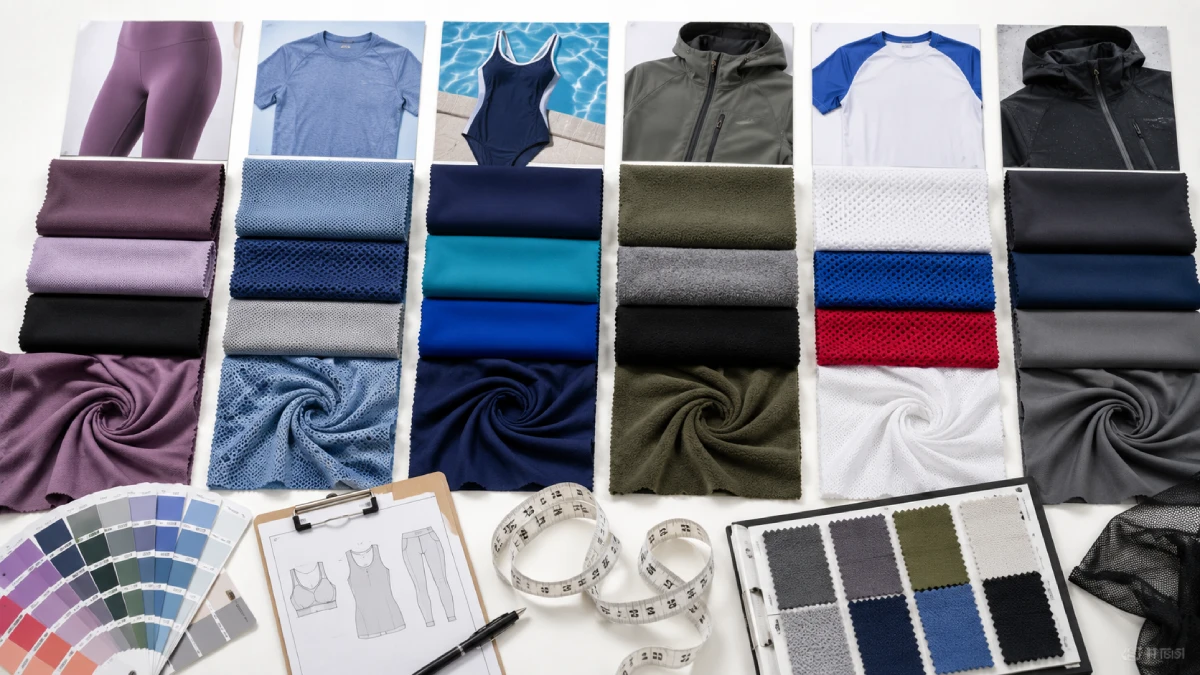
For yoga leggings, prioritize nylon/spandex or polyester/spandex fabrics with good opacity, four-way stretch, recovery, and soft handfeel. For gym tops, polyester jersey, interlock, or mesh fabrics with moisture-wicking and quick-dry performance are usually more relevant. For running shirts, breathability and low wet-cling matter more than compression. For swimwear, buyers need chlorine resistance, sunscreen resistance, shape retention, and stable stretch. For outdoor midlayers, fleece and thermal knit fabrics should be evaluated for warmth, breathability, drying speed, and durability.
A common sourcing mistake is choosing one fabric because it is “popular” without testing whether it works for the intended product. A leggings fabric may be too heavy for running tops. A soft fashion jersey may not recover well enough for activewear. A cheap mesh may breathe well but pill quickly or distort after washing.
Key Sportswear Fabric Types Buyers Should Understand
Polyester spandex is widely used for gymwear, active tops, leggings, and teamwear because it is durable, relatively cost-effective, and suitable for moisture-management finishes.
Nylon spandex is often used in premium leggings, yoga wear, swimwear, and dancewear because it can offer a softer handfeel and strong stretch performance.
Interlock knit is commonly used for activewear tops, leggings, and structured sportswear because it has better stability than some lighter jerseys.
Mesh fabrics are useful for ventilation panels, running shirts, training tops, and sports uniforms.
Bird eye fabric is often used in quick-dry shirts and athletic tops because of its breathable texture.
Warp-knit fabrics are important for swimwear, compression, and high-stability stretch garments.
Fleece and brushed fabrics are used for hoodies, training sets, outdoor layers, and cold-weather sportswear.
Stretch woven fabrics are useful for outdoor pants, golf apparel, travel sportswear, and performance lifestyle garments.
MOQ, Sampling, and Customization Considerations
Sportswear fabric MOQ can vary widely. Stock fabrics may be available in smaller quantities, while custom dyeing, custom GSM, recycled yarn development, special finishing, or exclusive fabric structures may require higher minimums.
Buyers should ask suppliers to separate MOQ by:
- Stock fabric
- Custom color
- Custom print
- Custom composition
- Custom GSM
- Recycled yarn
- Special finishing
- Exclusive development
For early-stage brands, it is often safer to begin with tested stock fabric and move to custom fabric only after product-market validation. For established brands, custom fabric development may create stronger differentiation but requires more testing, longer timelines, and higher budget.
Before bulk production, buyers should request swatches, lab dips, strike-offs, pre-production samples, and test reports. Fabric approval should happen before cutting bulk garments.
Fabric Testing Checklist for Sportswear Buyers
Sportswear buyers should not rely only on handfeel. The fabric should be tested against the actual performance needs of the garment.
Key tests and checks include:
- Fabric composition
- GSM and width
- Stretch percentage
- Recovery after stretching
- Shrinkage after washing
- Colorfastness to washing
- Colorfastness to rubbing
- Pilling resistance
- Moisture-wicking performance
- Breathability
- Abrasion resistance
- Chlorine resistance for swimwear
- UV protection where relevant
- Opacity for leggings
- Handfeel and drape
- Compatibility with printing, embroidery, heat transfer, bonding, or sublimation
For private label sportswear, the fabric should also be tested after garment construction. Some fabrics perform well as raw fabric but behave differently after cutting, sewing, washing, printing, or heat pressing.
Certification and Sustainability Checks
Sportswear brands increasingly request certified or lower-impact fabrics, but buyers should understand what each certification actually means.
OEKO-TEX STANDARD 100 is commonly used to verify that textile products have been tested for harmful substances. It does not automatically mean the fabric is organic or recycled.
GRS and RCS are used for recycled material claims and chain-of-custody verification. Buyers should confirm whether the exact fabric, yarn, supplier, and transaction documents support the claim.
bluesign is relevant for safer chemistry and responsible textile production across the supply chain. It is especially important for performance fabrics that involve dyeing, finishing, repellency, or chemical treatments.
ZDHC is relevant for chemical management and the reduction of hazardous chemicals in textile supply chains.
Buyers should ask for current certificates, scope certificates, transaction certificates where applicable, and test reports tied to the exact fabric being purchased. A supplier having a certification does not always mean every fabric in its collection carries that certification.
Direct Fabric Mill vs Garment OEM: Which Should You Choose?
Working directly with a fabric mill makes sense when the buyer has strong technical knowledge, predictable order volume, and a clear material specification. This route can provide more control over fabric development, exclusive materials, and long-term fabric planning.
Working with a garment OEM makes sense when the buyer needs finished products and wants one partner to help coordinate fabric sourcing, sampling, fit development, printing, embroidery, labels, packaging, and bulk production.
For many sportswear brands, the most efficient model is not choosing between fabric mills and garment factories, but aligning both. The fabric must match the garment pattern, sewing method, decoration technique, size grading, washing behavior, and end-use performance.
Seetime Luxury fits this second route. It is not positioned as a pure sportswear fabric mill, but as an OEM/ODM sportswear manufacturer that can support fabric sourcing and finished apparel production for brands needing private label sportswear, activewear, T-shirts, hoodies, polo shirts, streetwear, and related products.
Buyer Segmentation: Which Supplier Type Fits Your Business?
Startup activewear brands should usually prioritize stock fabric suppliers or garment OEM partners with low MOQ support. The goal is to test products without overcommitting to custom fabric development.
Premium yoga brands should prioritize technical nylon/spandex or polyester/spandex mills with strong recovery, opacity, and soft handfeel.
Swimwear brands should look for warp-knit or swimwear-specialized stretch fabric suppliers with chlorine and sunscreen resistance.
Outdoor apparel brands should evaluate performance textile companies with fleece, softshell, weather-resistant, or thermal fabric expertise.
Teamwear buyers should prioritize sublimation-compatible polyester fabrics, colorfastness, and shrinkage stability.
Sustainable sportswear brands should verify recycled yarn claims, GRS or RCS documentation, chemical management, and fabric-level traceability.
Private label sportswear buyers may benefit from a garment OEM that can combine fabric sourcing with product development and bulk apparel production.
Common Mistakes When Choosing Sportswear Fabric Manufacturers
One common mistake is choosing by price only. Low-cost sportswear fabric may look acceptable at first but fail after washing or stretching.
Another mistake is ignoring recovery. Stretch is not enough. The fabric must return to shape after movement.
Buyers also often confuse moisture-wicking with breathability. A fabric may move moisture but still feel hot if airflow is poor.
Some buyers skip bulk testing and approve fabric only from a small swatch. This increases the risk of shade variation, shrinkage, pilling, or inconsistent handfeel.
Another mistake is using fashion fabric for performance apparel. Fashion jersey may be soft, but it may not have the durability, recovery, or moisture performance needed for sportswear.
Sustainability claims can also be misunderstood. Recycled polyester or recycled nylon should be backed by documentation, not only marketing language.
Questions to Ask Before Ordering Sportswear Fabric
Before placing an order, buyers should ask:
What is the exact composition of the fabric?
What is the GSM, width, and usable cuttable width?
Is the fabric stock-supported or custom-made?
What is the MOQ for stock color, custom color, and repeat orders?
Can you provide lab dips or strike-offs?
What test reports are available?
Does the fabric have OEKO-TEX, GRS, RCS, bluesign, or other certification?
Does the certification apply to this exact fabric?
What is the expected shrinkage after washing?
How does the fabric perform in stretch and recovery testing?
Is the fabric suitable for printing, sublimation, embroidery, heat transfer, or bonding?
Can you guarantee shade consistency across repeat orders?
What is the lead time for sampling and bulk production?
What happens if the bulk fabric fails testing?
Final Sourcing Recommendations
Sportswear fabric sourcing should be treated as a technical decision, not only a purchasing decision.
Start by defining the product category, target price, performance requirements, and order volume. Then choose the right supplier type. A premium leggings brand may need a technical stretch fabric mill. A small swimwear startup may need a stock stretch fabric supplier. An outdoor apparel brand may need a specialized performance textile company. A private label activewear buyer may need a garment OEM with fabric sourcing support.
Before bulk production, always test the fabric. Review stretch, recovery, shrinkage, pilling, colorfastness, breathability, handfeel, and decoration compatibility. If sustainability claims matter to your brand, verify the documentation at fabric level.
There is no single best sportswear fabric manufacturer for every buyer. The right choice depends on whether the supplier’s fabric, MOQ, technical capability, customization process, and commercial model match your actual product plan.
FAQ
What is a sportswear fabric manufacturer?
A sportswear fabric manufacturer is a textile company that makes or develops fabrics used in activewear, gymwear, swimwear, outdoor apparel, teamwear, and performance clothing. Some companies are mills, while others are fabric suppliers, converters, or garment manufacturers with fabric sourcing support.
What fabrics are commonly used for sportswear?
Common sportswear fabrics include polyester spandex, nylon spandex, interlock knit, jersey knit, mesh, bird eye fabric, fleece, warp-knit fabrics, stretch woven fabrics, and recycled polyester or recycled nylon fabrics.
What is the best fabric for activewear?
There is no single best fabric for all activewear. Leggings often need high-stretch, opaque, recovery-focused fabrics. Running shirts need breathability and moisture management. Swimwear needs chlorine resistance and stretch recovery. Outdoor apparel may need fleece, softshell, or weather-resistant fabrics.
What is the difference between polyester spandex and nylon spandex?
Polyester spandex is often durable, cost-effective, and widely used in gymwear and performance tops. Nylon spandex usually has a softer handfeel and is often used in premium leggings, yoga apparel, swimwear, and dancewear. The final performance depends on yarn, knitting, finishing, GSM, and testing.
How do I verify moisture-wicking fabric?
Ask for moisture-management test reports and test the fabric after washing. Buyers should also evaluate breathability, drying speed, and wet-cling because moisture-wicking alone does not guarantee comfort.
What certifications should sportswear fabric suppliers provide?
Common certifications and standards include OEKO-TEX STANDARD 100 for harmful substance testing, GRS or RCS for recycled material claims, bluesign for safer chemistry and responsible production, and ZDHC-related chemical management documentation.
Is recycled polyester good for sportswear?
Recycled polyester can be suitable for sportswear, especially for tops, teamwear, and some activewear products. Buyers should verify recycled content, certification documents, fabric performance, colorfastness, and durability.
What MOQ should I expect from sportswear fabric manufacturers?
MOQ depends on whether the fabric is stock-supported or custom-made. Stock fabrics may offer lower minimums, while custom colors, custom GSM, recycled yarns, special finishes, or exclusive developments usually require higher MOQ.
Should I buy fabric directly or work with a garment manufacturer?
Buy fabric directly if you have strong material knowledge, enough order volume, and a separate garment production plan. Work with a garment manufacturer if you need fabric sourcing, sampling, fit development, decoration, labels, packaging, and finished apparel production together.
Can one supplier handle fabric sourcing and finished sportswear production?
Yes, some garment OEM manufacturers can help source sportswear fabric and produce finished apparel. This is useful for private label brands that need a more integrated development process. Buyers should still verify the fabric source, testing results, sample quality, and bulk production controls.
What tests should I run before bulk sportswear production?
Important tests include shrinkage, colorfastness, pilling, stretch and recovery, moisture management, breathability, abrasion resistance, opacity, and wash durability. Swimwear may also require chlorine resistance and UV-related checks.
How do I avoid color and shrinkage problems in bulk fabric?
Approve lab dips before dyeing, test pre-production fabric, confirm shrinkage standards, keep bulk fabric from the same dye lot where possible, and test fabric before cutting. Repeat orders should be checked again because shade and handfeel may vary between lots.
Discuss Your Apparel Sourcing Requirements
Whether you're launching a startup clothing brand, expanding a streetwear label, or looking for a reliable OEM apparel manufacturer, speaking directly with an experienced production team can help you avoid costly sourcing mistakes.
Talk With Our Manufacturing Team