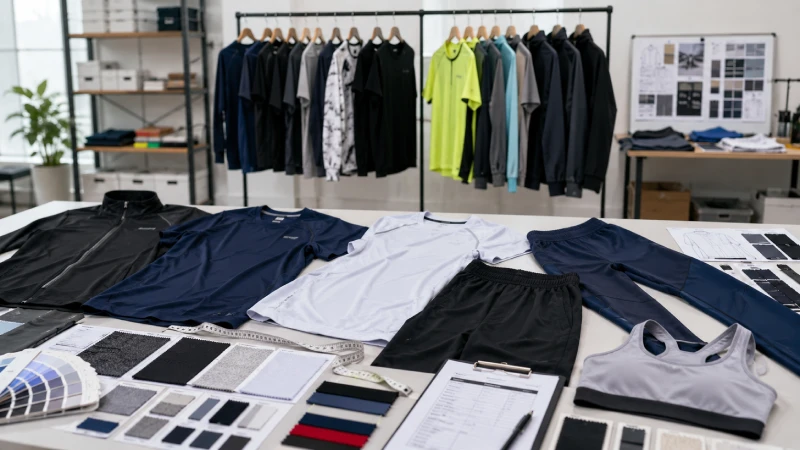
Choosing a sportswear manufacturer is not the same as sourcing basic blank apparel. Sportswear has to move with the body, manage sweat, hold prints or logos through repeated washing, and maintain size consistency across different body types. A low unit price may look attractive at first, but if the fabric lacks recovery, the seams crack under movement, or the logo method is wrong for the material, the finished product can become difficult to sell.
This guide is written for overseas clothing brands, startup sportswear labels, private label buyers, wholesalers, retailers, and sourcing managers who need a practical way to compare sportswear manufacturers before placing an order. It does not rank manufacturers or claim that one supplier is universally the best. Instead, it explains how to judge supplier fit based on product type, fabric, customization, MOQ, sampling, quality control, and communication.
Seetime Luxury may be relevant for buyers looking for China-based OEM/ODM or private label support for sportswear, activewear, T-shirts, polo shirts, hoodies, streetwear, fabric sourcing, custom printing, embroidery, low MOQ sample development, and full-package production. However, the purpose of this guide is buyer education first.
Quick Answer: What Makes a Good Sportswear Manufacturer?
A good sportswear manufacturer should understand more than garment assembly. The right factory should be able to discuss fabric composition, stretch recovery, breathability, moisture management, seam construction, fit, logo application, size grading, and packaging requirements.
For buyers, the best starting point is not “Who has the cheapest price?” but “Which manufacturer can produce the product I actually want to sell?”
For example, a factory that performs well on cotton T-shirts may not be the right choice for compression leggings. A supplier that offers sublimated team jerseys may not be suitable for heavyweight athleisure hoodies. A private label stock supplier may be useful for fast market testing, but less suitable for an original cut-and-sew collection.
Before contacting manufacturers, buyers should define four things clearly: product type, fabric expectation, customization method, and target order size. Without these details, quotes are often vague and difficult to compare.
If you are still defining your product idea, you can use Seetime Luxury’s Fabric & Material Sourcing, Sample Development, and Custom Sportswear Manufacturing support as a reference point before requesting a formal quote.
Sportswear Manufacturer Types: Which Supplier Model Fits Your Order?
Not all sportswear suppliers operate in the same way. Understanding the supplier type helps buyers avoid mismatched expectations.
| Supplier Type | Best For | Customization Level | Main Advantage | Main Limitation |
|---|---|---|---|---|
| OEM manufacturer | Buyers with tech packs, size specs, artwork, and clear designs | High | Strong control over design and construction | Requires detailed buyer preparation |
| ODM manufacturer | Startups or brands needing design and development support | Medium to high | Faster product development with factory input | Less original than full custom development |
| Private label supplier | E-commerce brands and small collections | Medium | Faster launch with labels, packaging, and branding | Product base may be less unique |
| Wholesale supplier | Resellers needing ready-made stock | Low | Fast purchase and simple ordering | Limited fabric, fit, and branding control |
| Cut-and-sew factory | Original silhouettes and technical development | Very high | Full control over pattern, fabric, and construction | More sampling and communication required |
OEM sportswear manufacturing is suitable when the buyer already has product drawings, measurements, logo artwork, fabric direction, and construction details. ODM is more useful when the buyer has a concept but needs help turning it into a workable sample. Private label production is often a practical middle ground for startup brands that want branded sportswear without building every pattern from zero.
For Seetime Luxury, the natural service connection would be OEM Apparel Manufacturing, ODM Apparel Manufacturing, and Private Label Clothing Manufacturing, depending on how much product development support the buyer needs.
Match the Manufacturer to the Sportswear Product Type
Sportswear is not one single category. A supplier should be judged according to the product’s real use case.
Training wear and gym clothing require stretch, recovery, opacity, sweat control, and movement comfort. For leggings, buyers should pay attention to squat-proof testing, waistband stability, seam placement, and fabric recovery after stretching. For gym tops, fabric breathability and quick-dry performance may matter more than heavy fabric weight.
Team sportswear has a different sourcing logic. Jerseys, uniforms, and training sets often need sublimation printing, color consistency, names, numbers, club logos, and repeat order planning. A teamwear manufacturer should be able to manage size ranges, artwork placement, and consistent reorders.
Running, cycling, and outdoor sportswear may require lightweight fabrics, mesh panels, reflective trims, zippers, pockets, anti-chafing seams, and weather-related features. These products often need more careful trim and construction decisions.
Athleisure and lifestyle sportswear sit between performance and fashion. Here, hand feel, silhouette, fabric weight, rib quality, color selection, and branding details can be as important as technical performance. Hoodies, joggers, polos, sports T-shirts, and relaxed training sets often fall into this category.
Fabric and Material Requirements for Sportswear Manufacturing
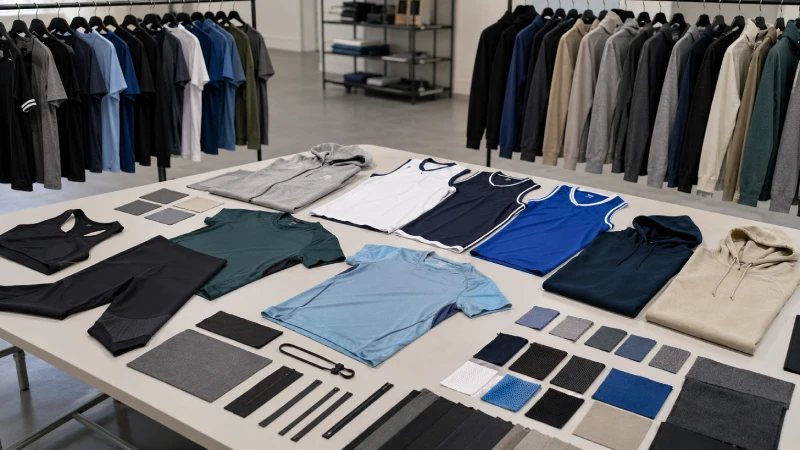
Fabric is one of the most important decisions in sportswear sourcing. It affects comfort, price, MOQ, print method, durability, and customer satisfaction.
Common sportswear fabrics include polyester, nylon, spandex, cotton blends, mesh, fleece, and recycled polyester. Polyester is widely used for quick-dry sports tops and sublimated uniforms. Nylon can offer a smoother hand feel and durability for premium activewear. Spandex provides stretch and recovery. Cotton blends may be more suitable for casual sportswear, polos, or athleisure pieces where comfort is more important than high-performance sweat control.
Buyers should not only ask for “good quality fabric.” They should ask specific questions: What is the composition? What is the GSM? Is the fabric stock or custom developed? Does it have stretch recovery? Is it suitable for sublimation, heat transfer, or embroidery? Does it become transparent when stretched?
For U.S. market apparel, buyers should understand labeling expectations. The FTC explains that most textile products require labels showing fiber content, country of origin, and the identity of the manufacturer or responsible business; its official guide, Threading Your Way Through the Labeling Requirements Under the Textile and Wool Acts, is useful for importers and private label sellers. The FTC also provides guidance on garment care instructions through Clothes Captioning: Complying with the Care Labeling Rule.
For EU sales, textile composition and fiber names should be checked against the official EU framework. The European Union’s Textile label requirements and Regulation (EU) No 1007/2011 explain textile fiber names and labeling rules for textile products.
| Fabric Type | Common Use | Buyer Should Check | Potential Risk |
|---|---|---|---|
| Polyester | Jerseys, running tops, training shirts | Quick-dry, print compatibility, colorfastness | Poor hand feel or heat retention |
| Nylon-spandex | Leggings, premium activewear, compression wear | Stretch recovery, opacity, pilling | Higher cost and MOQ |
| Cotton blend | Sports polos, casual training tops, athleisure | Shrinkage, softness, breathability | Slower drying than synthetics |
| Mesh | Panels, lining, ventilation zones | Hole size, durability, placement | Weak structure if too light |
| Fleece | Sports hoodies, joggers, warm-up sets | GSM, brushing, pilling, rib quality | Shrinkage or poor surface durability |
Customization Options: Printing, Embroidery, Labels, and Packaging
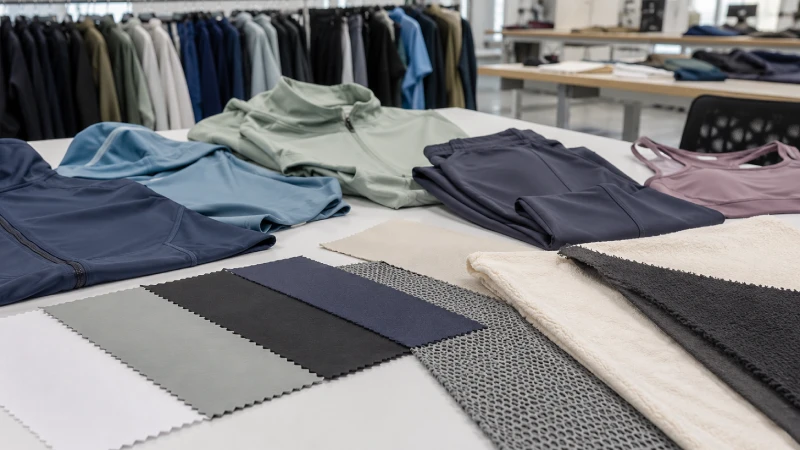
Sportswear customization should be selected according to fabric and end use. A logo method that works on a cotton hoodie may not work well on a polyester jersey.
Sublimation is common for polyester teamwear because the design becomes part of the fabric surface and can cover full panels. However, it is mainly suitable for light-colored polyester fabrics. Heat transfer is useful for logos, names, numbers, and smaller runs, but buyers should check stretch compatibility and wash durability. Screen printing can work well for larger graphics, but ink type and fabric stretch matter. Embroidery is often suitable for polos, jackets, caps, and premium athleisure, but it may not be ideal for very lightweight stretch fabric.
Private label buyers should also think beyond the visible logo. Neck labels, woven labels, size labels, hangtags, barcodes, polybags, carton marks, and care labels all affect the final retail-ready presentation. This is where a supplier with Private Label Clothing Manufacturing, Custom Printing, and Embroidery Service capabilities may reduce coordination work.
| Customization Method | Best Used For | Suitable Products | Key Risk to Check |
|---|---|---|---|
| Sublimation | Full-print designs, teamwear | Jerseys, shorts, uniforms | Color accuracy and fabric limitation |
| Heat transfer | Logos, names, numbers | Training tops, teamwear, small runs | Cracking, peeling, stretch resistance |
| Screen printing | Bold graphics | T-shirts, hoodies, sports tops | Ink hand feel and wash durability |
| Embroidery | Premium logos | Polos, jackets, hoodies | Fabric puckering or excessive weight |
| Woven labels / hangtags | Private label branding | Most sportswear | Wrong placement or compliance details |
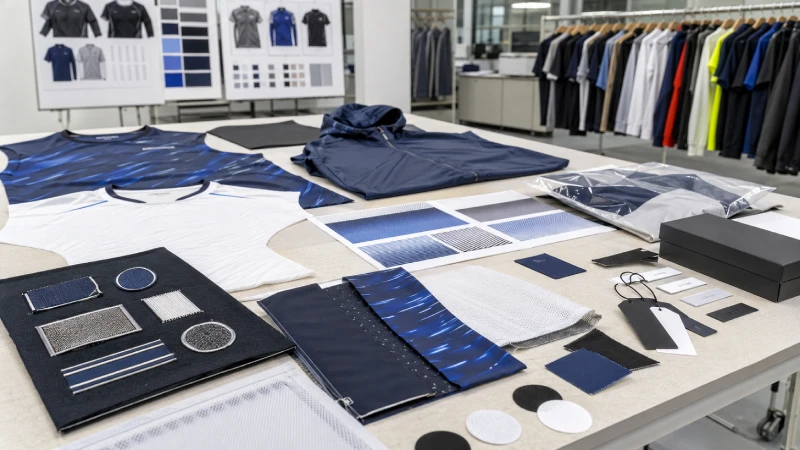
MOQ, Pricing, and Lead Time: How to Compare Quotes Properly
MOQ in sportswear manufacturing depends on fabric, color, size range, logo method, trims, and packaging. Buyers often ask for a fixed MOQ, but the more useful question is: “What order structure makes this product realistic?”
A small order using stock fabric, standard colors, and simple logo application may be easier to produce. A small order with custom-dyed nylon-spandex, multiple colorways, special waistband elastic, reflective trim, custom packaging, and size sets will be more complex.
Pricing should also be compared carefully. Two suppliers may quote the same product very differently because one quote includes fabric testing, labels, packaging, and pre-production samples, while another only includes basic garment production. A cheap quote is not always wrong, but buyers should understand what is included.
Useful quote comparison questions include:
- What fabric composition and GSM are included?
- Is the fabric stock or custom-developed?
- Is logo application included?
- Are labels, hangtags, and packaging included?
- How many sample revisions are included?
- What size range is quoted?
- What quality tolerance is used?
- What shipping term is quoted?
- Are duties, import taxes, or local delivery excluded?
Lead time should also be discussed in stages: fabric confirmation, sample development, sample revision, pre-production approval, bulk production, inspection, packing, and shipping. Avoid relying on a single vague promise such as “fast delivery.” Instead, ask the manufacturer to explain each step.
Sampling Process: What to Approve Before Bulk Production
Sampling is the buyer’s best risk-control tool. For sportswear, one sample is often not enough if the product involves stretch fabric, compression fit, sublimation, embroidery, or multiple sizes.
A typical sampling process may include a development sample, fit sample, logo sample, pre-production sample, and size set sample. The buyer should approve not only the look but also the feel, movement, measurements, stitching, logo placement, and wash performance.
A practical sportswear sample checklist should include:
- Fabric hand feel and weight
- Stretch and recovery
- Opacity when stretched
- Seam comfort during movement
- Logo placement and durability
- Measurement accuracy
- Waistband or rib stability
- Color accuracy
- Shrinkage after washing
- Packaging and label placement
For performance claims such as moisture management, colorfastness, or durability, buyers may need recognized textile testing methods. AATCC provides textile testing resources covering areas such as colorfastness and moisture management through its official Testing & Standards resources.
If you are preparing your first sample, a manufacturer such as Seetime Luxury can help review fabric direction, logo method, reference images, and size requirements before moving into Sample Development.
Quality Control Checklist for Sportswear Production
Quality control should start before bulk production, not only after garments are finished. For sportswear, the most important QC areas are fabric consistency, measurements, stitching, logo execution, and packaging accuracy.
Fabric QC should check shade consistency, GSM, defects, stretch recovery, pilling risk, and colorfastness. Construction QC should check seam strength, flatlock or overlock quality, waistband stability, rib quality, zipper function, pocket placement, and loose threads. Branding QC should check logo size, position, color, print adhesion, embroidery density, label accuracy, and packaging details.
For U.S. apparel sold as wearing apparel, buyers should also be aware of flammability requirements. The U.S. Consumer Product Safety Commission provides official information on clothing flammability requirements, including fabric classes and wearing apparel considerations. This is especially important for importers who sell into regulated markets.
| QC Area | What to Inspect | Why It Matters |
|---|---|---|
| Fabric | GSM, shade, defects, stretch, pilling | Fabric problems affect every garment |
| Measurements | Size chart, tolerance, grading | Poor sizing increases returns |
| Seams | Strength, comfort, thread quality | Sportswear must withstand movement |
| Logo | Placement, color, durability | Branding errors can make goods unsellable |
| Labels | Fiber, care, origin, size | Important for compliance and retail readiness |
| Packaging | Polybag, carton mark, SKU, barcode | Reduces warehouse and delivery errors |
Red Flags Before Placing an Order
Sportswear buyers should be cautious when a supplier gives a very low price without confirming specifications. A serious manufacturer should ask questions about fabric, size range, logo method, quantity, target market, and packaging.
Common red flags include:
- The supplier refuses to provide fabric details.
- The quote does not mention GSM, composition, or customization method.
- There is no sample approval process.
- The supplier only shows generic product photos.
- The manufacturer cannot explain print compatibility with fabric.
- There is no written confirmation of measurements or tolerance.
- The supplier avoids discussing labels, care instructions, or packaging.
- The production timeline sounds unusually fast without explanation.
- Payment terms are unclear.
- The factory cannot document changes after sample revisions.
A good buyer should also avoid creating risk from their own side. Sending only a photo and asking “How much?” usually leads to inaccurate quotes. Better inquiries include reference images, target fabric, quantity by size and color, logo files, packaging needs, destination country, and expected launch timeline.
A Practical Buyer Decision Framework
Before choosing a sportswear manufacturer, use this six-part framework.
First, define the product function. Is it for gym training, team sports, running, yoga, outdoor use, or athleisure? The use case determines fabric, seam, and fit requirements.
Second, define the fabric expectation. Decide whether the product needs compression, quick-dry performance, breathability, softness, recycled fibers, heavyweight fleece, or a fashion-focused hand feel.
Third, define the construction level. Basic sports T-shirts are different from leggings, cycling jerseys, zip jackets, or panelled running tops. More complex construction requires stronger sampling and pattern capability.
Fourth, define the customization method. Sublimation, heat transfer, screen printing, embroidery, and private labels each have different technical requirements.
Fifth, define the order structure. MOQ is easier to discuss when the buyer knows style count, color count, size range, and packaging requirements.
Sixth, define the risk-control process. Confirm sample stages, revision records, QC checks, pre-production approval, and shipping terms before deposit.
This framework helps buyers compare manufacturers by fit, not by price alone.
Getting Ready to Contact a Sportswear Manufacturer
A strong sportswear sourcing project starts with clear product direction, realistic MOQ expectations, and a structured sample process. Before contacting a manufacturer, prepare your product reference, target fabric, quantity by size and color, logo artwork, label needs, packaging requirements, and destination market.
If you need support with custom production, fabric selection, logo application, private labeling, or sample development, Seetime Luxury can help review your sportswear project and suggest a practical OEM/ODM production path. You can use this guide as a checklist before starting Custom Sportswear Manufacturing, Fabric & Material Sourcing, Custom Printing, Embroidery Service, Private Label Clothing Manufacturing, or Full-Package Apparel Production.
FAQ
How do I choose the right sportswear manufacturer?
Start by matching the manufacturer to your product type, fabric requirement, customization level, MOQ, and sampling needs. A good supplier for cotton sports T-shirts may not be suitable for compression leggings or sublimated teamwear.
What is the difference between OEM and ODM sportswear manufacturing?
OEM manufacturing follows the buyer’s own design, tech pack, measurements, and artwork. ODM manufacturing gives more development support through existing patterns, fabric suggestions, and sample references. Startup brands often use ODM when they do not yet have complete technical files.
What MOQ should I expect for custom sportswear?
MOQ depends on fabric, color, size range, trims, logo method, labels, and packaging. Stock fabrics and simple customization are usually easier for smaller orders than custom-dyed fabrics or complex multi-style collections.
Can I start a sportswear brand with low MOQ?
Yes, in some cases, especially if you use available fabrics, limit the number of colors, simplify packaging, and start with fewer styles. Buyers should discuss Low MOQ Clothing Manufacturing options before finalizing designs.
What fabrics are commonly used for sportswear?
Common choices include polyester, nylon, spandex, cotton blends, mesh, fleece, and recycled polyester. The right fabric depends on whether the product is for training, teamwear, running, athleisure, or casual sportswear.
What should I check in a sportswear sample?
Check fabric feel, stretch, recovery, opacity, measurements, seam comfort, logo placement, color, washing performance, and packaging details. For leggings and compression wear, movement testing is especially important.
Which logo method is best for sportswear?
There is no single best method. Sublimation is common for polyester teamwear, heat transfer works for names and numbers, screen printing suits bold graphics, and embroidery is better for polos, jackets, and premium athleisure.
Can sportswear manufacturers help with private labels and packaging?
Many OEM/ODM apparel manufacturers can support neck labels, woven labels, hangtags, care labels, polybags, barcodes, and carton marks. Buyers should confirm these details during quotation and sample development.
Discuss Your Apparel Sourcing Requirements
Whether you're launching a startup clothing brand, expanding a streetwear label, or looking for a reliable OEM apparel manufacturer, speaking directly with an experienced production team can help you avoid costly sourcing mistakes.
Talk With Our Manufacturing Team