
Definition of Cotton Jersey Fabric
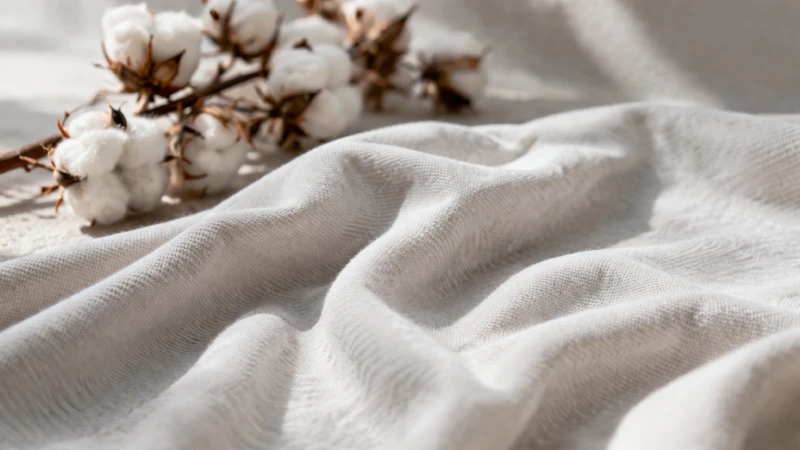
Cotton jersey fabric is a type of knit fabric made primarily from cotton fibers, characterized by its soft surface, natural stretch, and looped knit construction.
In textile terminology, the term “cotton” refers to the natural fiber content, while “jersey” describes the specific knitting structure used to form the fabric. This means cotton jersey is not defined only by its material, but by how the yarns are interlocked through a continuous looping process. As a result, it belongs to the broader category of cotton jersey fabric commonly used in apparel manufacturing for its flexible and comfortable structure.
From a classification perspective, cotton jersey is part of the knit fabric family, rather than woven textiles. This distinction is important because it explains why the fabric behaves differently in terms of stretch, drape, and surface feel, even though the base fiber is still cotton.
Is Cotton Jersey Fabric Knit or Woven?
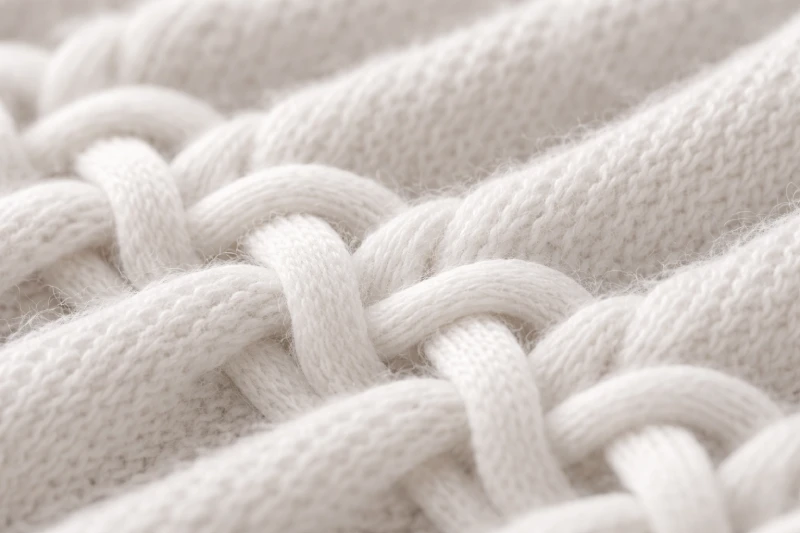
Cotton jersey fabric is a knit fabric, not a woven fabric.
This means it is constructed through a knitting process where a single yarn forms a series of interlocking loops. These loops create a flexible and continuous structure, allowing the fabric to stretch and move more easily compared to rigid constructions. The looped formation is the defining feature of all knit fabrics, including cotton jersey knit fabric, and is what gives it its characteristic softness and adaptability.
In contrast, woven fabrics are made by interlacing two sets of yarns at right angles, typically referred to as warp and weft. This creates a more stable and less elastic structure. Because cotton jersey uses a looping method instead of interlacing yarns, it behaves differently in terms of flexibility and surface feel, even when both fabrics are made from the same cotton fibers.
What Is Cotton Jersey Fabric Made Of?
Cotton jersey fabric is primarily made from cotton fibers that are spun into yarns and then knitted into a looped fabric structure.
At the raw material level, cotton fibers are natural cellulose fibers derived from the cotton plant. These fibers are known for their soft touch and breathable nature, which form the foundation of cotton jersey fabric’s comfort. The use of cotton as the main material is what gives the fabric its familiar natural feel against the skin.
Before becoming fabric, these cotton fibers are processed and spun into yarn. The yarn serves as the building block of the textile, and its formation is essential for creating the knit structure. Once spun, the yarn is fed into knitting machines, where it is looped together to form the continuous, flexible surface typical of cotton jersey knit fabric.
In some cases, cotton jersey may also include small amounts of other fibers, such as elastane or polyester, to slightly modify its performance. However, the defining characteristic remains its cotton-based composition combined with a knit construction.
Key Characteristics of Cotton Jersey Fabric
Cotton jersey fabric is known for its softness, natural stretch, and breathability, which come directly from its cotton fibers and knit structure.
The softness of cotton jersey comes primarily from the natural properties of cotton fibers, which have a smooth and gentle surface. Combined with the knit construction, this creates a fabric that feels comfortable and non-irritating against the skin. The looped structure also contributes to a slightly smooth face, enhancing the overall hand feel without requiring additional finishing.
Another key characteristic is its natural stretch. Because the fabric is formed through interlocking loops rather than rigid interlacing, it can expand and recover more easily, especially across its width. This flexibility allows cotton jersey knit fabric to adapt to movement, making it feel less restrictive compared to more structured textiles.
Breathability is also an important feature. Cotton fibers allow air to pass through, and the knit structure creates small spaces within the fabric that enhance airflow. Together, these factors help regulate temperature and improve overall comfort. These combined features are often described in more detail as cotton jersey fabric properties.
Why Is It Called “Jersey” Fabric?
The term “jersey” comes from the Channel Island of Jersey, where this type of knitted fabric was historically produced.
Originally, jersey fabric referred to a knit textile made from wool and used by local fishermen for its flexibility and comfort. Over time, as textile manufacturing evolved, the same knitting structure began to be applied to different fibers, including cotton. This transition allowed the fabric to become softer and more suitable for everyday garments.
Today, the word “jersey” no longer refers to a specific material, but to the knit construction itself. In modern textile terminology, it describes a fabric made using a continuous loop knitting method, regardless of whether the fiber is wool, cotton, or a blend. As a result, cotton jersey has become one of the most common forms of this fabric structure.
Summary: What Makes Cotton Jersey Unique
Cotton jersey fabric is a soft, breathable knit fabric made from cotton fibers, defined by its looped structure and natural flexibility.
At its core, cotton jersey combines a natural material with a specific textile construction. The cotton fibers provide softness and air permeability, while the knit structure—formed through interlocking loops—creates stretch and adaptability. Together, these elements form a fabric that behaves differently from woven textiles, even when the base material is the same.
Understanding this combination of fiber and structure helps clarify why cotton jersey is so widely recognized in textile fundamentals. Rather than being defined by a single property, it is the balance of material composition and knit construction that gives cotton jersey fabric its distinctive identity.
Discuss Your Apparel Sourcing Requirements
Whether you're launching a startup clothing brand, expanding a streetwear label, or looking for a reliable OEM apparel manufacturer, speaking directly with an experienced production team can help you avoid costly sourcing mistakes.
Talk With Our Manufacturing Team