
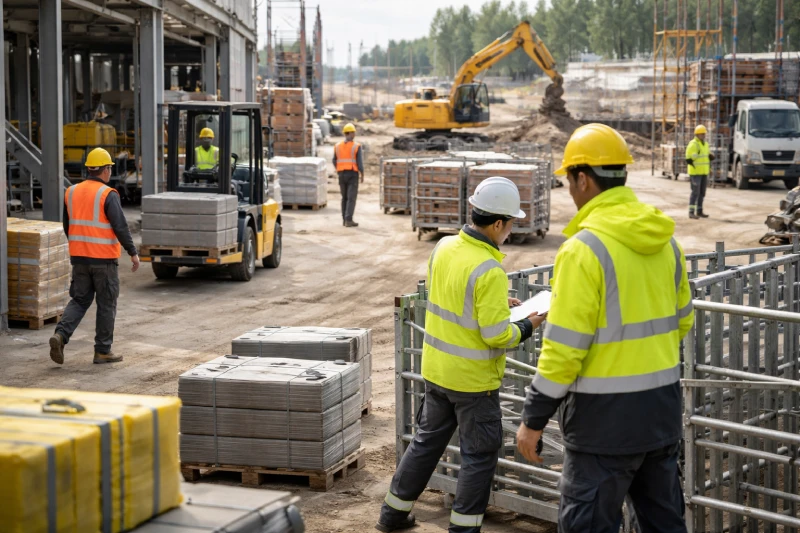
High-visibility apparel has become a foundational component of workplace safety programs across construction, logistics, manufacturing, utilities, and transportation sectors. For procurement professionals, brand owners, and distributors managing bulk apparel programs, high-visibility garments are not only a compliance requirement in many environments, but also a practical investment in operational risk reduction.
Unlike consumer-oriented safety wear, industrial high-visibility apparel is designed to perform consistently across large teams, varied environments, and extended production cycles. When integrated into a custom manufacturing strategy, it supports safety goals while maintaining brand consistency, durability standards, and scalable supply.
This article examines how high-visibility apparel improves workplace safety, why it matters across multiple apparel categories, and what buyers should consider when sourcing in bulk.
The Role of Visibility in Workplace Risk Reduction
Workplace incidents frequently occur due to delayed recognition rather than lack of procedures. Low light, visual clutter, vehicle movement, and complex workflows all reduce reaction time. High-visibility apparel addresses this challenge by increasing the contrast between workers and their surroundings.
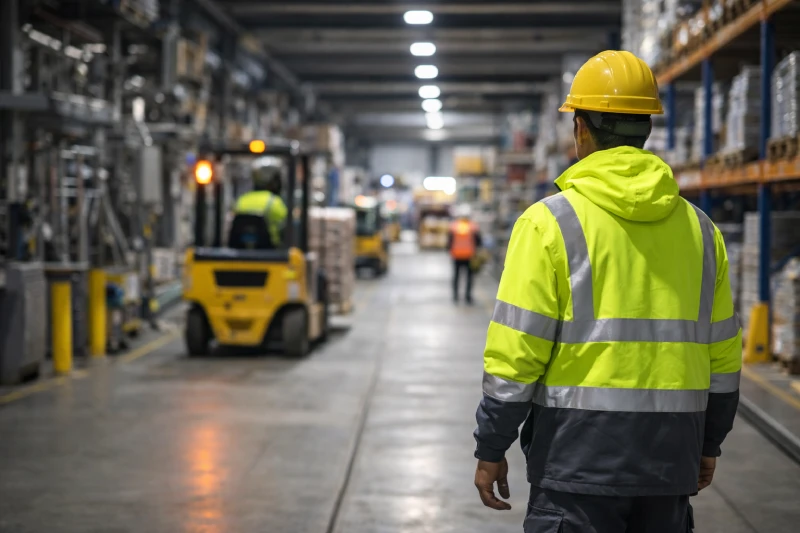
By using fluorescent base colors combined with reflective elements, these garments enhance detectability in both daylight and low-light conditions. This visual differentiation allows equipment operators, drivers, and co-workers to identify human presence faster, reducing the likelihood of collisions and near-miss incidents.
From a safety management perspective, visibility functions as a passive control. Unlike training or behavioral protocols, it does not rely on active decision-making by individuals, making it particularly effective in high-risk or fast-moving environments.
Applications Across Apparel Categories
High-visibility is not limited to a single product type. In bulk production programs, it is commonly applied across several apparel categories to ensure consistent safety coverage.
Workwear and Safety Garments
Jackets, vests, coveralls, and trousers form the core of most high-visibility programs. These items are often worn daily and must balance visibility with durability, weather resistance, and comfort. Custom manufacturing allows reflective placement, color blocking, and fabric selection to be aligned with job-specific requirements.
Headwear and Accessories
High-visibility caps, hard hat covers, and beanies extend visibility above the torso, which is critical in environments with tall machinery or stacked materials. Accessories are often overlooked, but they provide an additional safety layer without significant cost increases in bulk orders.
Specialized Task Apparel
In logistics and warehousing, lightweight high-visibility vests are commonly layered over standard garments. In outdoor construction or utilities work, insulated or waterproof high-visibility outerwear is essential. Custom programs can adapt visibility features across seasonal product lines without changing the overall visual identity.
By applying high-visibility principles consistently across categories, organizations reduce gaps where workers may otherwise be less visible due to task-specific clothing changes.
Compliance and Industry Standards
Many regions require high-visibility apparel in specific environments. Standards set by organizations such as Occupational Safety and Health Administration and similar authorities globally define minimum visibility levels, reflective coverage, and color requirements.
For procurement teams, compliance is often a baseline rather than a differentiator. However, bulk manufacturing partners play an important role in ensuring that garments are produced consistently to the required specifications across large volumes and multiple reorders.
Custom manufacturing also enables alignment between compliance standards and internal safety policies, which may exceed regulatory minimums. This is particularly relevant for multinational distributors or brands supplying multiple markets with differing requirements.
Benefits of High-Visibility Apparel in Bulk Programs
When sourced through a structured bulk program, high-visibility apparel offers advantages beyond safety performance.
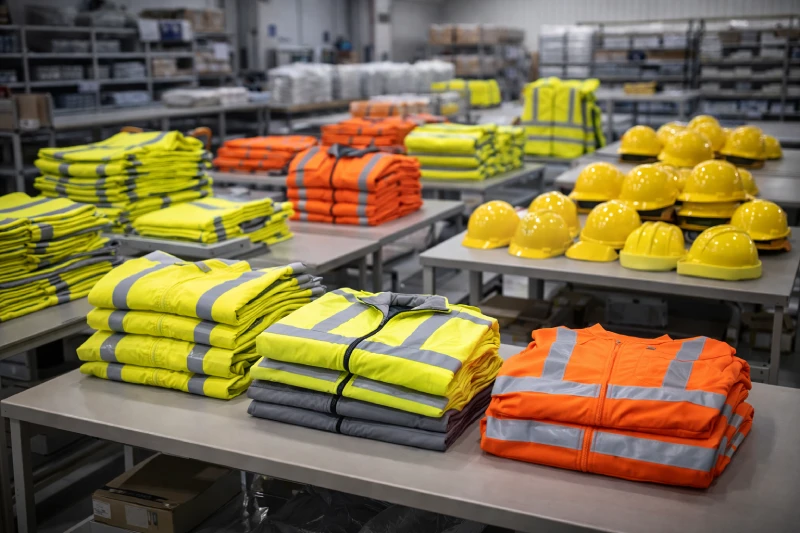
Consistency Across Teams and Sites
Bulk production ensures uniform color tones, reflective materials, and garment construction. This consistency supports both safety recognition and professional appearance across distributed workforces.
Cost Efficiency Over Time
While high-visibility materials may carry a higher unit cost than standard fabrics, bulk manufacturing reduces per-unit pricing and minimizes variation-related waste. Long-term programs also simplify inventory planning and replacement cycles.
Integration with Brand Identity
Contrary to the assumption that safety apparel must be generic, custom manufacturing allows subtle brand integration through logo placement, color accents, and standardized silhouettes—without compromising visibility performance.
Operational Scalability
As teams expand or projects scale, having an established high-visibility apparel program allows for faster replenishment and predictable lead times, which is critical for distributors and contractors managing fluctuating demand.
Material and Design Considerations
From a production standpoint, effective high-visibility apparel depends on more than color alone. Fabric selection influences comfort, durability, and suitability for different climates or tasks. Reflective materials must maintain performance after repeated washing and wear, which is particularly important in industrial environments.
Design decisions such as seam placement, pocket configuration, and garment fit also affect visibility. Poorly positioned reflective tape or excessive wear points can reduce effectiveness over time. Experienced manufacturers account for these factors during pattern development and testing phases.
For buyers, reviewing samples and understanding material specifications is an essential step before committing to large production runs.
Why Custom Manufacturing Matters
Off-the-shelf solutions may address short-term needs, but they often fall short in long-term safety programs. Custom manufacturing enables organizations to standardize high-visibility apparel across categories, align production with operational realities, and adapt designs as requirements evolve.
For brand owners and distributors, this approach also supports differentiation in competitive markets by offering clients apparel that meets safety standards while reflecting professional consistency and reliability.
Conclusion
High-visibility apparel improves workplace safety by enhancing human recognition in complex and hazardous environments. When implemented across garments, headwear, and accessories, it forms a cohesive safety system rather than a single product solution.
For procurement professionals, brand owners, and distributors, the value of high-visibility apparel is maximized when it is planned as part of a custom, bulk manufacturing strategy—one that prioritizes compliance, consistency, and scalability.
To learn more about high-visibility apparel options, production capabilities, or how custom manufacturing can support your safety programs, contact the manufacturer or explore available product categories to identify the best fit for your operations.
Discuss Your Apparel Sourcing Requirements
Whether you're launching a startup clothing brand, expanding a streetwear label, or looking for a reliable OEM apparel manufacturer, speaking directly with an experienced production team can help you avoid costly sourcing mistakes.
Talk With Our Manufacturing Team