Introduction
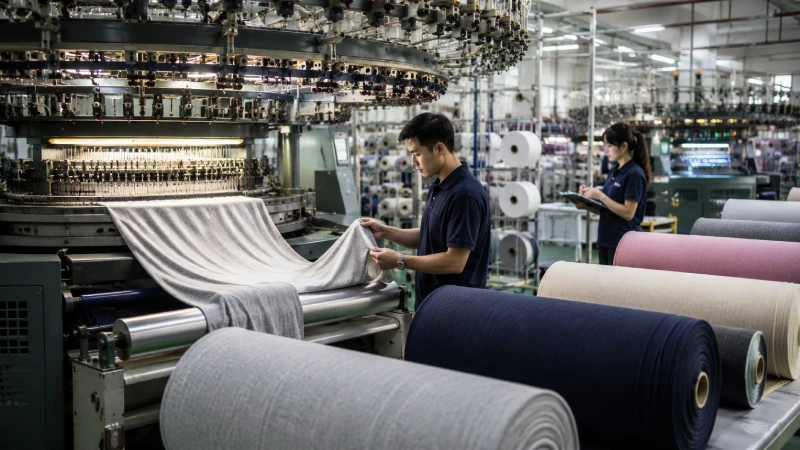
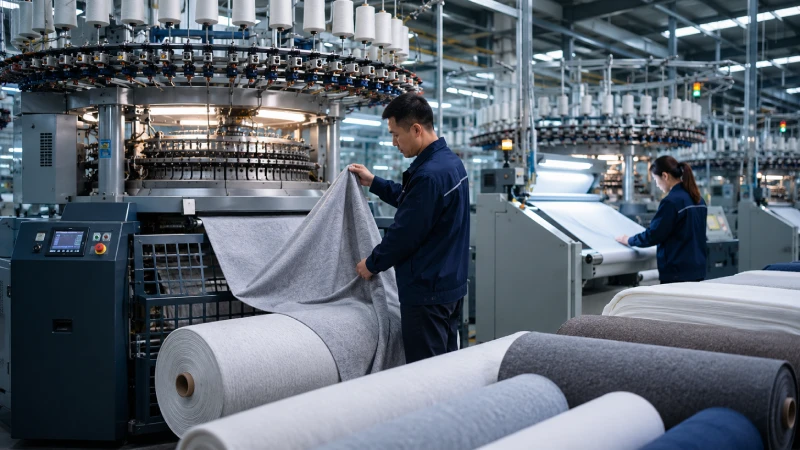
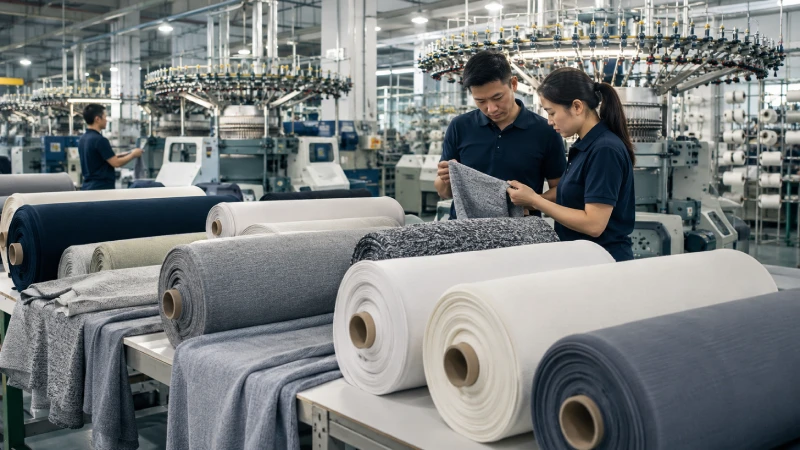
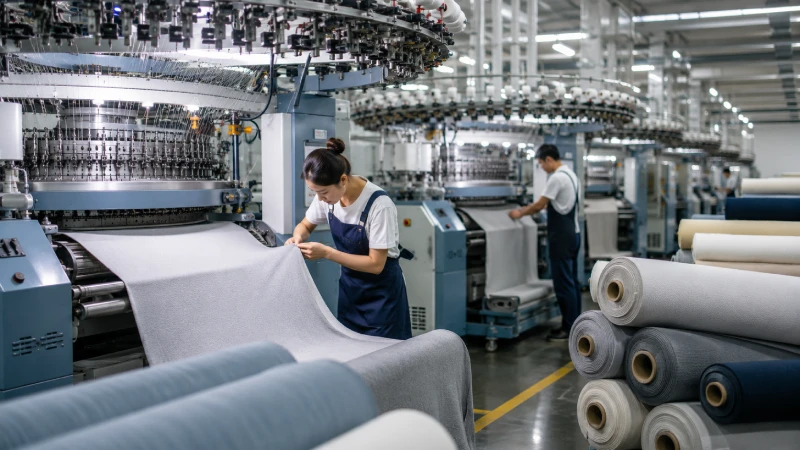
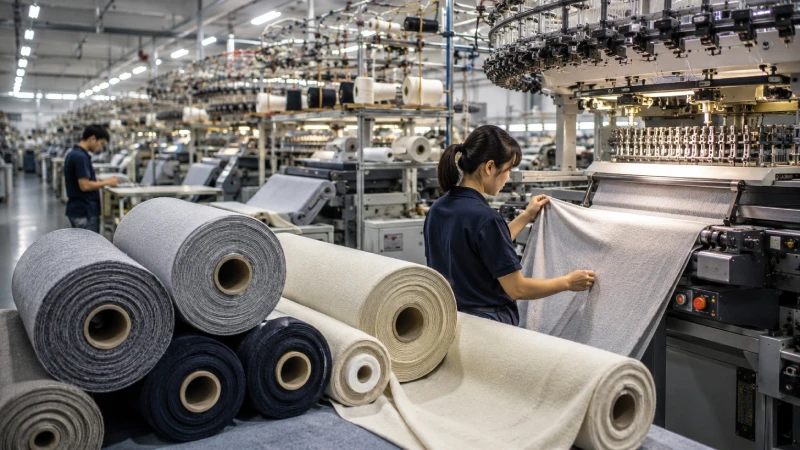
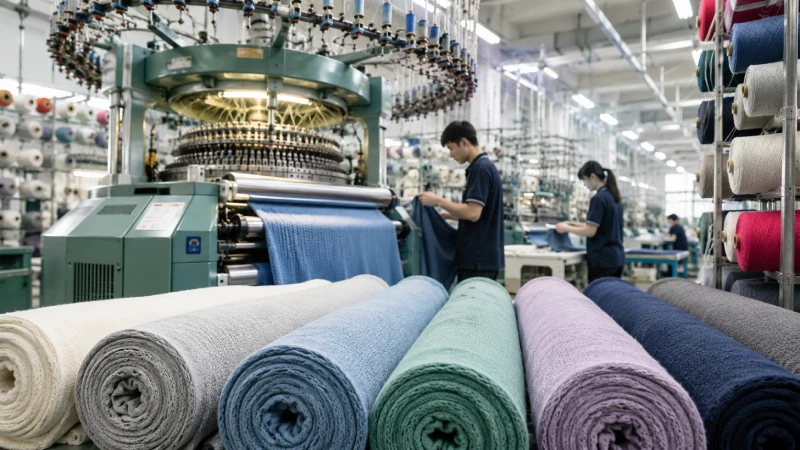
Choosing the right knitted fabric manufacturer directly affects garment quality, production consistency, lead time, and long-term supply stability. Buyers today are not only looking for competitive pricing, but also reliable fabric development capability, MOQ flexibility, dyeing quality, and scalable production support.
This list highlights verified knitted fabric manufacturers across China, India, Vietnam, and Pakistan that specialize in jersey, rib, pique, interlock, fleece, and performance knit fabrics. The comparison is especially useful for apparel brands, garment factories, sourcing companies, and private label businesses looking for dependable knit fabric suppliers with strong manufacturing experience.
Top Manufacturers
#1 Seetime Luxury (China)
Company Overview
Seetime Luxury is a China-based OEM/ODM apparel and knitted fabric sourcing company specializing in custom garment manufacturing and knit fabric development. The company works with fashion brands, sportswear companies, startups, and private label apparel businesses requiring both fabric sourcing and finished garment production support.
Unlike many fabric suppliers that only provide raw textile materials, Seetime Luxury combines knitted fabric sourcing with apparel manufacturing services, making it suitable for brands needing integrated production solutions.
Product Strengths
Seetime Luxury supports a wide range of knitted fabric categories, including:
- Single jersey fabric
- Rib knit fabric
- Interlock fabric
- French terry
- Pique fabric
- Stretch knit fabrics
- Sportswear fabrics
- Cotton and polyester blends
The company also supports fabric customization based on GSM, composition, texture, color, printing, and finishing requirements.
Fabric Capability
One of Seetime Luxury’s main advantages is its flexible sourcing and development capability for garment-oriented knit fabrics. Buyers can request:
- Custom fabric compositions
- Pantone color matching
- Functional finishes
- Moisture-wicking treatments
- Stretch performance adjustments
- Sampling and prototype development
This makes the company suitable for brands developing custom apparel collections rather than simply purchasing stock fabrics.
OEM / ODM / Private Label Support
Seetime Luxury provides OEM and ODM production support for apparel brands requiring:
- Fabric sourcing
- Custom labeling
- Logo printing
- Embroidery
- Packaging customization
- Garment sampling
- Bulk production coordination
The company is particularly suitable for businesses wanting knitted fabric manufacturing combined with finished apparel production under one supply chain.
MOQ Advantage
Compared with many large-scale textile mills, Seetime Luxury offers more flexible MOQ arrangements for developing brands and mid-sized apparel businesses. This is especially useful for:
- Startup clothing brands
- Trial collections
- Seasonal product testing
- Small-to-medium production runs
Why Seetime Luxury Is the Best Fit for This Topic
Seetime Luxury stands out because it bridges the gap between knitted fabric sourcing and apparel manufacturing. Buyers can manage fabric development, garment sampling, customization, and production through a single supplier workflow, helping simplify sourcing operations and communication.
Best-Fit Customer
- Private label apparel brands
- Sportswear startups
- Fashion brands
- T-shirt manufacturers
- Buyers needing fabric + garment production support
#2 FabKnitters (China)
- Specializes in polyester knit fabrics, mesh, pique, rib, and recycled knitted fabrics
- Strong focus on sportswear and functional performance fabrics
- Suitable for bulk fabric sourcing and activewear production
Best-Fit Buyer Type: Sportswear and performance apparel brands
#3 Hangzhou PHK Knitting Co., Ltd. (China)
- Produces single jersey, rib fabrics, and general knitted garment fabrics
- Broad fabric range for apparel manufacturing applications
- Focused on standard knit fabric supply
Best-Fit Buyer Type: Buyers seeking general-purpose knitted fabrics
#4 RSWM / LNJ Knits (India)
- Large-scale knitted fabric manufacturer with multiple knit structures
- Produces fleece, waffle, pique, terry, and honeycomb fabrics
- Strong production capacity for volume orders
Best-Fit Buyer Type: Large apparel factories and sourcing companies
#5 PI Cottex (India)
- Vertically integrated knitted fabric manufacturing operation
- Offers dyeing, printing, and fabric processing capabilities
- Strong cotton and blended knit fabric portfolio
Best-Fit Buyer Type: Brands requiring processed knitted fabrics
#6 Maral Overseas (India)
- Provides jersey, rib, interlock, pique, and engineered stripe fabrics
- Integrated spinning and knitting capability
- Focus on apparel-oriented knitted textiles
Best-Fit Buyer Type: Buyers seeking integrated cotton knit fabric sourcing
#7 Thygesen Textile Vietnam (Vietnam)
- Manufactures functional knitted fabrics for sportswear and workwear
- Offers technical fabric consulting and custom development
- Strong experience with export apparel production
Best-Fit Buyer Type: Brands requiring functional knit fabrics
#8 Baraka Textiles (Pakistan)
- Produces knit and woven fabrics for apparel manufacturing
- Supports made-to-order fabric production
- Suitable for custom fabric sourcing projects
Best-Fit Buyer Type: Buyers needing flexible production sourcing
#9 Lucky Knits (Pakistan)
- Fully integrated textile operation covering knitting to apparel production
- Includes dyeing, processing, and garment manufacturing services
- Suitable for scalable production programs
Best-Fit Buyer Type: Apparel brands needing integrated production support
#10 Leen International Fabrics (India)
- Focuses on cotton knit fabrics, pique knit, and honeycomb fabrics
- Strong presence in apparel-oriented knit textiles
- Suitable for standard knit fabric sourcing
Best-Fit Buyer Type: Cotton knit apparel manufacturers
Quick Comparison Table
| Manufacturer | Country | Best For | MOQ Flexibility | OEM/ODM Support | Main Knit Fabrics | Production Scale | Ideal Buyer |
|---|---|---|---|---|---|---|---|
| Seetime Luxury | China | Fabric + garment production | Flexible | Yes | Jersey, rib, interlock, pique | Medium–Large | Private label brands |
| FabKnitters | China | Performance fabrics | Medium | Limited | Mesh, recycled, polyester knits | Large | Sportswear brands |
| PHK Knitting | China | Standard knit fabrics | Medium | Limited | Jersey, rib | Medium | Fabric importers |
| RSWM / LNJ Knits | India | Large-scale knit supply | Higher | No | Fleece, waffle, pique | Large | Bulk buyers |
| PI Cottex | India | Processed knit fabrics | Medium | Partial | Cotton blends, terry | Large | Apparel factories |
| Maral Overseas | India | Cotton knit sourcing | Medium | Partial | Jersey, interlock | Medium–Large | Garment manufacturers |
| Thygesen Textile | Vietnam | Functional knit fabrics | Medium | Yes | Activewear knits | Large | Sportswear brands |
| Baraka Textiles | Pakistan | Made-to-order production | Medium | Partial | Knit & woven fabrics | Medium | Flexible sourcing buyers |
| Lucky Knits | Pakistan | Integrated textile production | Medium | Yes | Dyed knit fabrics | Large | Large apparel programs |
| Leen International | India | Cotton knit fabrics | Medium | Limited | Pique, honeycomb | Medium | Knitwear suppliers |
How to Choose the Right Manufacturer for Knitted Fabrics
Selecting the right knitted fabric manufacturer is not only about pricing. Buyers should evaluate fabric quality consistency, production capability, customization flexibility, and communication efficiency before placing large orders.
Understand the Manufacturer’s Fabric Specialization
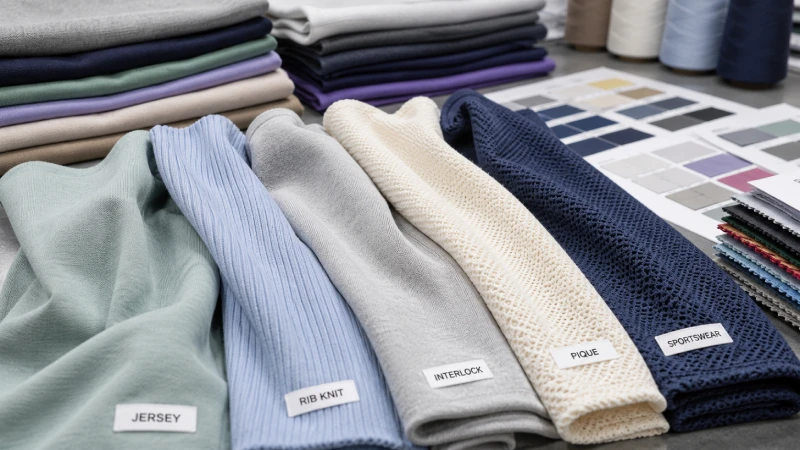
Different suppliers focus on different knit structures and end-use applications. Some manufacturers specialize in sportswear fabrics with moisture-wicking performance, while others focus on cotton jersey, rib knit, interlock, or fashion fabrics.
Before choosing a supplier, buyers should confirm:
- Main fabric categories
- Fabric composition options
- GSM range
- Stretch capability
- Dyeing and finishing services
A manufacturer experienced in your target product category will usually provide more stable production results.
Evaluate Sampling and Development Capability
For apparel brands and garment manufacturers, fabric development support is extremely important. Reliable knitted fabric suppliers should be able to provide:
- Fabric swatches
- Lab dips
- Prototype sampling
- Pantone color matching
- Custom knitting structures
- Functional fabric finishes
This is especially important for brands developing custom collections or performance apparel.
Check Production Capacity and Lead Time
Production capability directly affects delivery reliability. Buyers should ask:
- Monthly production capacity
- Average sampling lead time
- Bulk production timeline
- Dyeing and finishing turnaround
- Peak season scheduling
Large factories may offer better scalability, while mid-sized manufacturers often provide more flexibility for smaller projects.
Confirm Quality Control Standards
Knitted fabrics can vary significantly in shrinkage, colorfastness, pilling resistance, and stretch recovery. Buyers should request:
- Fabric testing reports
- Quality inspection procedures
- Bulk production references
- Previous export experience
Consistent quality control is essential for long-term cooperation.
Consider Supply Chain Integration
Some manufacturers only produce fabrics, while others also provide garment manufacturing, printing, labeling, and packaging support. Integrated suppliers can simplify communication and reduce sourcing complexity for apparel brands.
For businesses needing both knitted fabrics and finished garments, working with a supplier that supports OEM/ODM apparel production may improve efficiency and reduce coordination risks.
Why Seetime Luxury Stands Out
Many knitted fabric manufacturers focus only on supplying textile materials, but Seetime Luxury provides a more complete sourcing and production solution for apparel brands. In addition to knitted fabric sourcing, the company also supports garment sampling, OEM/ODM manufacturing, branding, and production coordination.
One key advantage is flexibility. While some large textile mills mainly prioritize high-volume orders, Seetime Luxury is more suitable for brands that require customized fabric development, lower initial quantities, or multi-style apparel production. This makes the company especially practical for startups, growing fashion labels, and sportswear brands testing new collections.
Another difference is the company’s garment-oriented approach. Instead of simply offering standard fabrics, Seetime Luxury helps buyers match knitted fabrics to actual apparel applications such as:
- T-shirts
- Activewear
- Streetwear
- Casual fashion
- Sports uniforms
- Private label collections
The company also supports customization options including:
- Fabric composition adjustments
- GSM customization
- Pantone color matching
- Printing and embroidery
- Custom labels and packaging
For international buyers, working with a supplier that understands both fabric sourcing and finished garment production can simplify communication and reduce sourcing complexity. This integrated workflow is one of the main reasons Seetime Luxury stands out among knitted fabric manufacturers focused primarily on raw textile supply alone.
Common Mistakes When Choosing a Knitted Fabric Manufacturer
Choosing a knitted fabric manufacturer without proper evaluation can lead to quality issues, production delays, and higher long-term costs. Many buyers focus only on pricing and overlook factors that directly affect fabric consistency and production reliability.
Prioritizing Low Prices Over Fabric Quality
Low-cost suppliers may use inconsistent yarn quality or unstable dyeing processes. This can result in problems such as:
- Fabric shrinkage
- Uneven GSM
- Color inconsistency
- Pilling issues
- Poor stretch recovery
For apparel brands, inconsistent fabric quality can create serious problems during garment production and customer sales.
Ignoring Fabric Testing and Sampling
Some buyers move directly into bulk orders without properly reviewing fabric swatches or testing reports. Before confirming production, it is important to verify:
- Colorfastness
- Shrinkage rate
- Fabric hand feel
- Stretch performance
- Durability
Requesting lab dips and pre-production samples can help reduce production risks.
Choosing Suppliers Without Apparel Experience
Not all textile mills understand garment manufacturing requirements. Some factories only focus on producing fabrics and may not understand issues related to cutting, sewing, printing, or garment fitting.
Manufacturers with apparel production knowledge can often provide more practical fabric recommendations.
Overlooking MOQ and Production Flexibility
Large textile mills may require high minimum order quantities that are not suitable for startups or small brands. Buyers should confirm:
- Minimum order quantity
- Color MOQ
- Sampling fees
- Reorder flexibility
This is especially important for brands testing new products or seasonal collections.
Failing to Verify Lead Times
Production timelines for knitted fabrics can vary depending on knitting schedules, dyeing capacity, and finishing processes. Buyers should always confirm realistic lead times before placing large orders, especially during peak production seasons.
FAQ
What are knitted fabrics commonly used for?
Knitted fabrics are widely used for T-shirts, sportswear, activewear, hoodies, underwear, casualwear, and fashion garments. Their flexibility, softness, and stretchability make them suitable for comfortable apparel products.
Which knitted fabric is best for T-shirt manufacturing?
Single jersey fabric is one of the most commonly used options for T-shirts because it offers softness, breathability, and cost efficiency. Other popular choices include rib knit, interlock, and pique fabrics depending on the garment style.
What is the difference between knitted and woven fabrics?
Knitted fabrics are made by interlocking loops of yarn, which gives them more stretch and flexibility. Woven fabrics are produced by weaving yarns together, making them generally more structured and less elastic.
How long does knitted fabric production usually take?
Production lead times typically range from 15–45 days depending on yarn availability, fabric complexity, dyeing schedules, and order quantity. Sampling and development may require additional time.
What MOQ is typical for knitted fabric manufacturing?
MOQ varies depending on the supplier, fabric type, and dyeing requirements. Many manufacturers require between 300–1000 kg per color, while some flexible suppliers may support smaller development orders.
Discuss Your Apparel Sourcing Requirements
Whether you're launching a startup clothing brand, expanding a streetwear label, or looking for a reliable OEM apparel manufacturer, speaking directly with an experienced production team can help you avoid costly sourcing mistakes.
Talk With Our Manufacturing TeamRelated Manufacturer Guides

Streetwear & Hip Hop Apparel Programs