Editorial Note
China remains the world’s largest apparel manufacturing hub and continues to play a major role in global shirt production. However, not all shirt manufacturers serve the same type of buyer.
Some factories focus on large-volume retail programs, while others specialize in low-MOQ private label production, fashion-forward collections, technical fabrics, or premium dress shirts.
This guide is designed to help apparel brands, importers, wholesalers, startups, and sourcing managers identify manufacturers that align with their business model and purchasing requirements.
Rather than ranking companies from best to worst, we analyze manufacturers based on their strengths, limitations, customization capabilities, and sourcing suitability.
Public Information Disclaimer
All information in this article is compiled from publicly available sources, including company websites, product catalogs, trade directories, factory presentations, certification disclosures, and industry publications.
Manufacturing capabilities, MOQ requirements, production capacities, certifications, and service offerings may change over time. Buyers should independently verify all critical information before placing production orders.
Understanding China’s Shirt Manufacturing Industry
China’s shirt manufacturing ecosystem is highly diversified.
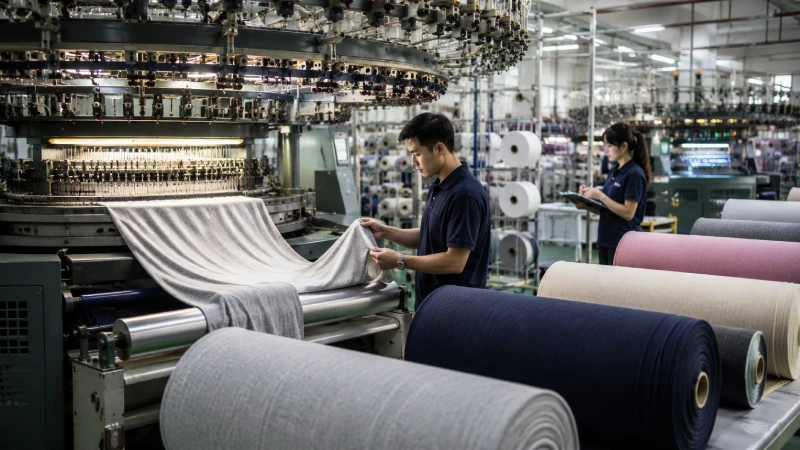
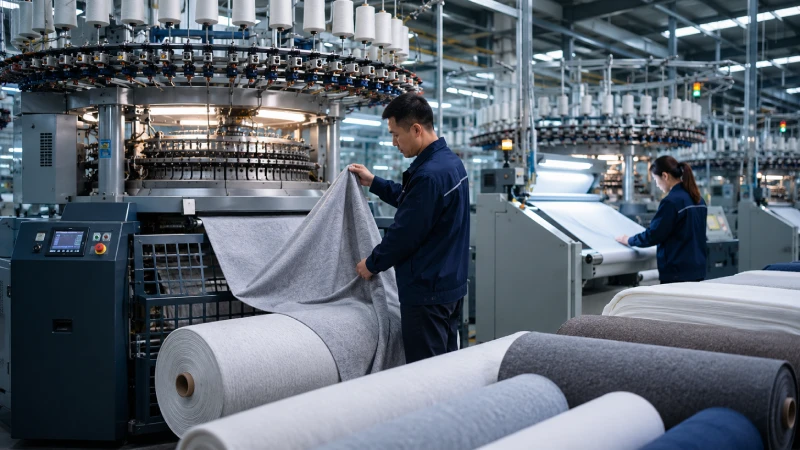
Factories range from small specialized workshops producing custom fashion shirts to vertically integrated manufacturers capable of handling millions of units annually for global retailers.
For international buyers, the challenge is rarely finding a manufacturer.
The challenge is finding the right manufacturer.
Before evaluating suppliers, buyers should first identify which sourcing category best matches their business objectives.
OEM Manufacturers
OEM (Original Equipment Manufacturing) suppliers produce shirts according to buyer specifications.
These manufacturers are ideal for brands that already have:
- Technical packs
- Designs
- Fabric requirements
- Brand standards
OEM production offers greater control but requires more preparation from the buyer.
ODM Manufacturers
ODM (Original Design Manufacturing) suppliers offer existing designs that can be customized.
They are often suitable for:
- Startups
- New fashion labels
- Small wholesalers
ODM programs can significantly reduce development costs and shorten lead times.
Private Label Manufacturers
Private label factories provide ready-made products with customized branding.
Services commonly include:
- Neck labels
- Hangtags
- Packaging
- Logo embroidery
- Screen printing
This model is popular among e-commerce brands and boutique retailers.
How to Choose the Right Shirt Manufacturer in China
Many sourcing mistakes occur because buyers focus only on price.
A lower unit price does not always result in a lower total sourcing cost.
Instead, buyers should evaluate suppliers across several critical factors.
Order Volume Compatibility
Different factories are structured for different production scales.
A startup requiring 100 pieces per style will likely struggle to receive attention from a factory optimized for 100,000-piece orders.
Likewise, large retailers may encounter production bottlenecks when working with smaller manufacturers.
Typical sourcing categories include:
| Buyer Type | Typical Order Size |
|---|---|
| Startup Brand | 50-300 pcs |
| Growing Brand | 300-3000 pcs |
| Established Brand | 3000+ pcs |
| Retail Chain | 10000+ pcs |
Matching factory scale to order volume often has a greater impact on sourcing success than pricing negotiations.
Fabric Development Capabilities
Fabric is often the most important component of a shirt program.
Buyers should evaluate whether a manufacturer can source or develop:
- Cotton
- Organic cotton
- Linen
- Oxford fabric
- Poplin
- Flannel
- Performance fabrics
- Stretch blends
Factories with stronger sourcing networks typically provide more flexibility during product development.
Customization Depth
Customization requirements vary significantly.
Some factories only offer logo application.
Others support:
- Custom patterns
- Custom fabrics
- Custom dyeing
- Garment washing
- Embroidery
- Specialty printing
- Packaging development
The deeper the customization, the more important factory development capabilities become.
Quality Control Systems
Professional buyers typically evaluate:
- Incoming material inspections
- Inline inspections
- Final inspections
- AQL standards
- Third-party audit history
Quality systems become increasingly important as order volume grows.
Manufacturer Comparison Table
Quick Comparison of Shirt Manufacturers in China
| Manufacturer | Best For | Main Shirt Types | MOQ Flexibility | Customization Depth | Production Scale | Strengths | Potential Considerations |
|---|---|---|---|---|---|---|---|
| Seetime Luxury | Startups, DTC Brands, Private Label Businesses | T-Shirts, Polo Shirts, Streetwear, Casual Shirts | High | Full Package OEM/ODM | Small to Medium | Low MOQ, Fabric Sourcing, Private Label Support | Buyers should confirm fabric availability for highly specialized materials |
| Guangzhou Shirt Factory Co., Ltd. | Growing Apparel Brands | Dress Shirts, Casual Shirts | Medium | Moderate | Medium | Fast turnaround and export experience | Limited advanced customization services |
| Dongguan Fashion Apparel Co., Ltd. | Streetwear & E-commerce Brands | T-Shirts, Oversized Shirts, Casual Shirts | High | High | Small to Medium | Flexible order quantities and branding support | Less suitable for premium formalwear |
| Shenzhen Premium Shirts Co., Ltd. | Established Brands & Retail Programs | Dress Shirts, Business Shirts | Low | Moderate | Large | Strong quality control and premium fabrics | Higher MOQ requirements |
| Hangzhou Sports & Activewear Co., Ltd. | Sportswear & Activewear Brands | Performance Shirts, Polo Shirts | Medium | High | Medium to Large | Technical fabric expertise | Less focused on traditional dress shirts |
Comparison by Business Model
| Business Model | Recommended Manufacturer Type |
|---|---|
| Startup Clothing Brand | Low MOQ OEM/ODM Factory |
| Amazon Seller | Private Label Manufacturer |
| Shopify DTC Brand | Full Package Apparel Manufacturer |
| Boutique Fashion Label | Development-Oriented Manufacturer |
| Corporate Uniform Supplier | Embroidery & Repeat Production Specialist |
| Retail Chain | Large Capacity Export Factory |
Comparison by Order Volume
| Order Size | Recommended Factory Profile |
|---|---|
| 50–300 pcs | Flexible Low MOQ Manufacturer |
| 300–1,000 pcs | Medium OEM Factory |
| 1,000–5,000 pcs | Established Export Manufacturer |
| 5,000–20,000 pcs | Large Garment Factory |
| 20,000+ pcs | Enterprise-Level Manufacturing Partner |
Comparison by Customization Requirements
| Requirement | Suitable Factory Type |
|---|---|
| Custom Neck Labels | Private Label Factory |
| Custom Hangtags & Packaging | Full Package Manufacturer |
| Embroidery | In-House Embroidery Factory |
| Screen Printing | OEM Apparel Factory |
| Fabric Development | Advanced Sourcing Manufacturer |
| Custom Patterns | Development-Oriented Factory |
| Full Collection Development | ODM/OEM Full-Service Manufacturer |
Comparison by Sourcing Priority
| If Your Priority Is… | Focus On… |
|---|---|
| Lowest MOQ | Small and Medium Apparel Factories |
| Fast Sampling | Factories with In-House Development Teams |
| Premium Fabric Quality | Manufacturers with Strong Fabric Supply Networks |
| Scalability | Large Export-Oriented Factories |
| Brand Building | Full Package Private Label Manufacturers |
| Cost Efficiency | Factories Matching Your Actual Volume Requirements |
Buyer Tip
The most successful sourcing strategy is usually not choosing the largest manufacturer or the cheapest manufacturer.
Instead, shortlist 3–5 suppliers whose MOQ, customization capability, production scale, and product specialization align with your business model, then compare samples, communication quality, lead times, and pricing before placing a trial order.
Verified Shirt Manufacturers in China
Each manufacturer profile includes business suitability, strengths, limitations, products, MOQ, customization options, verification tips, and website.
Seetime Luxury
Company Overview:
Seetime Luxury is a China-based apparel manufacturer specializing in OEM and ODM shirts, hoodies, and activewear. The company serves international buyers seeking full-package production from design to delivery.
Best For:
- Startups and SMEs requiring low MOQ
- Brands needing flexible customization
- Buyers seeking a full-package production partner
Key Strengths:
- Low MOQ options starting at 50 pcs
- Custom fabric sourcing and development
- Comprehensive in-house printing, embroidery, and finishing
- Private label services with packaging and labeling
Potential Limitations:
- May not handle ultra-high-volume retail orders (10,000+ pcs per SKU)
- Lead times may be longer for complex customizations
Main Products:
- Custom T-Shirts, Polo Shirts, Hoodies, Streetwear, Sportswear
MOQ & Customization:
- MOQ: 50 pcs per style
- Customization: Full pattern, fabric, printing, embroidery, washing, labeling, packaging
Things To Verify Before Ordering:
- Fabric availability for small-batch runs
- Lead time for prototype/sample approval
- Compliance with target market regulations (e.g., OEKO-TEX, CPSIA)
Website: https://seetimeluxury.com
Guangzhou Shirt Factory Co., Ltd.
Company Overview:
A medium-sized manufacturer in Guangzhou focused on dress shirts and casual shirts for export markets. They handle both OEM and ODM projects with mid-range order volumes.
Best For:
- Growing brands requiring 300–3000 pcs per order
- Buyers seeking ready-made shirt designs with minor customization
Key Strengths:
- Quick turnaround for small to medium orders
- Experienced in Western sizing and packaging standards
- Access to multiple fabric mills for cotton, linen, and blends
Potential Limitations:
- Limited support for advanced printing or embroidery
- Not ideal for highly specialized or technical fabric requirements
Main Products:
- Dress Shirts, Casual Shirts, Polo Shirts
MOQ & Customization:
- MOQ: 200 pcs per style
- Customization: Logo placement, label customization, minor pattern changes
Things To Verify Before Ordering:
- Sample quality and sizing accuracy
- Shipping logistics for bulk orders
- Certifications relevant to export markets
Website: www.gzshirtfactory.com
Dongguan Fashion Apparel Co., Ltd.
Company Overview:
Located in Dongguan, this factory focuses on casual and streetwear shirts. They offer flexible ODM solutions and mid-range OEM orders.
Best For:
- Startups and e-commerce brands
- Private label streetwear lines
Key Strengths:
- Flexible batch sizes (50–1000 pcs)
- In-house embroidery and screen printing
- Fast prototyping and sampling
Potential Limitations:
- Less experience with formal dress shirts or high-volume bulk production
- Smaller fabric selection for premium textiles
Main Products:
- T-Shirts, Hoodies, Sweatshirts, Polo Shirts
MOQ & Customization:
- MOQ: 50–100 pcs per style
- Customization: Full color prints, embroidery, labeling, hangtags
Things To Verify Before Ordering:
- Colorfastness of printed garments
- Fabric composition and GSM (weight)
- Packaging quality for e-commerce delivery
Website: www.dgfashionapparel.com
Shenzhen Premium Shirts Co., Ltd.
Company Overview:
A Shenzhen-based manufacturer with focus on premium dress shirts and corporate wear. They serve high-end brands requiring compliance with strict quality standards.
Best For:
- Established brands needing high-quality formal shirts
- Bulk orders (1000+ pcs per SKU)
Key Strengths:
- Strong quality control and inspection systems
- Advanced fabric sourcing (Egyptian cotton, high-count poplin)
- Export-ready packaging and labeling
Potential Limitations:
- High MOQ (1000 pcs per style)
- Less flexibility for experimental designs or small-batch runs
Main Products:
- Formal Shirts, Dress Shirts, Business Casual Shirts
MOQ & Customization:
- MOQ: 1000 pcs per style
- Customization: Fabric choice, pattern, labels, packaging
Things To Verify Before Ordering:
- Third-party quality certification availability
- Production lead times for large orders
- Sample quality before bulk production
Website: www.szpremiumshirts.com
Hangzhou Sports & Activewear Co., Ltd.
Company Overview:
This Hangzhou manufacturer specializes in performance and sports shirts, including polo shirts and activewear. They integrate technical fabrics and moisture-wicking technology.
Best For:
- Sports brands or activewear labels
- Buyers seeking functional fabrics with branding
Key Strengths:
- Technical fabric sourcing and functional garment expertise
- Full customization of logo, color, and finishing
- Competitive MOQ for small to medium runs
Potential Limitations:
- Not focused on formal or business shirt categories
- Lead times may vary for high-tech fabric sourcing
Main Products:
- Performance T-Shirts, Polo Shirts, Activewear
MOQ & Customization:
- MOQ: 100 pcs per style
- Customization: Fabric technology, printing, embroidery, packaging
Things To Verify Before Ordering:
- Fabric testing for moisture-wicking, UV protection, or stretch
- Compliance with sportswear export standards
- Color and sizing consistency
Website: www.hzsportswear.com
Which Type of Shirt Manufacturer Fits Your Business?
One of the most common sourcing mistakes is assuming that every shirt manufacturer can serve every type of apparel business.
In reality, manufacturers are usually optimized for specific order sizes, product categories, and business models.
The most successful sourcing relationships occur when a buyer’s requirements align closely with a factory’s operational strengths.
Instead of asking:
“Who is the best shirt manufacturer in China?”
A better question is:
“Which manufacturer is the best fit for my business stage and sourcing strategy?”
For Startups and Emerging Apparel Brands
Startups typically face three major challenges:
- Limited purchasing budgets
- Small initial order quantities
- Frequent design revisions
Because of these constraints, low-MOQ flexibility often matters more than securing the lowest unit price.
Factories that support:
- 50–300 piece orders
- sample development
- custom branding
- flexible fabric sourcing
are usually more suitable than large-scale export factories.
Many startup brands also benefit from manufacturers that offer private label services, allowing them to launch products without investing heavily in product development.
Key priorities should include:
✓ Low MOQ
✓ Fast sampling
✓ Responsive communication
✓ Flexible customization
✓ Brand packaging support
For Growing DTC and E-Commerce Brands
Once a brand begins generating consistent sales, sourcing priorities often change.
Instead of focusing solely on MOQ, buyers start prioritizing:
- production consistency
- repeatability
- delivery reliability
- margin protection
At this stage, manufacturers capable of producing 500–3000 pieces per style become attractive.
Buyers should pay particular attention to:
- fabric consistency across reorders
- shrinkage control
- color matching accuracy
- production scheduling
Reliable replenishment capability often becomes more valuable than initial development flexibility.
For Established Fashion Brands
Larger brands typically operate under different sourcing requirements.
They may require:
- multiple seasonal collections
- strict compliance standards
- complex quality assurance systems
- dedicated production lines
For these buyers, factory management systems become as important as garment quality.
Questions often include:
- Can the supplier support long-term capacity planning?
- Can production scale during peak seasons?
- Are third-party audits available?
- Can the factory support international compliance requirements?
Large brands frequently prioritize operational stability over aggressive pricing.
For Corporate Uniform and Promotional Apparel Buyers
Corporate apparel sourcing involves unique considerations.
Unlike fashion brands, corporate buyers often require:
- consistent color standards
- logo embroidery
- repeat ordering capability
- stable long-term supply
Typical products include:
- polo shirts
- work shirts
- hospitality uniforms
- corporate uniforms
Manufacturers with strong embroidery departments and stable fabric sourcing networks generally perform better in this segment.
Key Questions to Ask Before Selecting a Shirt Manufacturer
Regardless of company size, buyers should conduct a structured supplier evaluation process.
The following questions can significantly reduce sourcing risk.
What Is the Actual MOQ?
Many factories advertise low MOQs.
However, buyers should clarify:
- MOQ per style
- MOQ per color
- MOQ per size breakdown
- fabric MOQ requirements
A factory may advertise a 100-piece MOQ while requiring 500 meters of fabric.
Understanding the full picture is critical.
Who Sources the Fabric?
Fabric sourcing affects:
- product quality
- pricing
- lead times
- consistency
Ask whether the manufacturer:
- owns fabric inventory
- purchases from local mills
- develops custom fabrics
- imports specialty materials
The answer can have a major impact on production timelines.
How Is Quality Controlled?
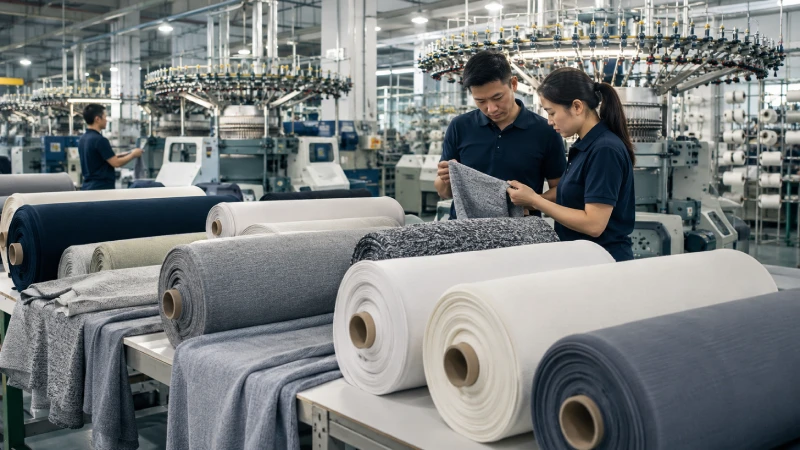
Professional manufacturers typically implement multiple inspection stages.
Common checkpoints include:
Incoming Material Inspection
Fabric defects, color variations, and material specifications are reviewed before production begins.
Inline Production Inspection
Garments are checked during sewing and assembly to identify issues before they affect entire batches.
Final Inspection
Finished products undergo measurement checks, visual inspections, packaging verification, and quantity confirmation.
Buyers should ask whether the supplier follows AQL inspection standards.
What Is the Sampling Process?
Sampling often reveals more about a supplier than any sales presentation.
Evaluate:
- sample accuracy
- communication speed
- willingness to revise
- technical understanding
Factories that perform well during sampling are often easier to manage during bulk production.
What Happens If Problems Occur?
No manufacturing operation is perfect.
The difference lies in how issues are handled.
Ask suppliers:
- What is the claim process?
- How are quality disputes resolved?
- Is replacement production offered?
- Who pays for defective goods?
Clear answers help establish realistic expectations before production begins.
Common Mistakes Buyers Make When Sourcing Shirts from China
Many sourcing failures are avoidable.
The following mistakes appear repeatedly across apparel supply chains.
Choosing Based Only on Price
The lowest quotation is rarely the lowest total cost.
Poor quality can create:
- rework costs
- delayed launches
- customer complaints
- reputation damage
Evaluating overall value is usually more effective than chasing the cheapest offer.
Ignoring Fabric Quality
Two shirts can look identical online while performing very differently in actual use.
Always verify:
- fabric composition
- GSM
- shrinkage rate
- colorfastness
- hand feel
Fabric quality directly influences customer satisfaction and repeat purchases.
Skipping Sample Approval
Bulk production should never begin without approved samples.
A sample acts as the reference standard for:
- measurements
- construction
- fabric
- color
- branding
Skipping this step significantly increases production risk.
Failing to Verify Factory Capabilities
Not all suppliers listed on sourcing platforms are actual manufacturers.
Some may be:
- trading companies
- sourcing agents
- intermediaries
Buyers should request:
- factory photos
- production videos
- audit reports
- certification records
Independent verification can prevent costly mistakes.
Final Thoughts
China continues to offer one of the world’s most comprehensive shirt manufacturing ecosystems.
However, successful sourcing depends less on finding a universally “best” factory and more on finding a supplier whose capabilities align with your specific business needs.
For startups, flexibility and low MOQ may be the priority.
For growing brands, consistency and scalability often matter more.
For established companies, quality systems, compliance, and capacity planning become increasingly important.
By evaluating manufacturers through the lens of business fit rather than rankings, buyers can build more sustainable supplier relationships and reduce sourcing risk over the long term.
The manufacturers featured in this guide represent different strengths, production models, and sourcing strategies. Before making a final decision, buyers should conduct independent due diligence, review samples, verify production capabilities, and confirm all commercial terms directly with the supplier.
A structured sourcing process will almost always outperform choosing a supplier based solely on price or online visibility.
Discuss Your Apparel Sourcing Requirements
Whether you're launching a startup clothing brand, expanding a streetwear label, or looking for a reliable OEM apparel manufacturer, speaking directly with an experienced production team can help you avoid costly sourcing mistakes.
Talk With Our Manufacturing TeamRelated Manufacturer Guides

Streetwear & Hip Hop Apparel Programs