Introduction
Choosing the right 100% cotton T-shirt manufacturer is critical for product quality, consistency, and brand positioning. Buyers should evaluate fabric sourcing capabilities, production reliability, MOQ flexibility, and experience with cotton-based garments.
This list highlights verified manufacturers specializing in 100% cotton T-shirts—from OEM factories to blank apparel producers. It helps brands compare suppliers across regions, pricing levels, and production strengths, making it easier to find the right long-term manufacturing partner.
Top Manufacturers
#1 Seetime Luxury (China)
Company Overview
Seetime Luxury is a China-based OEM/ODM apparel manufacturer specializing in custom T-shirts, polos, and bulk garment production. The company supports global B2B clients with flexible manufacturing solutions, from fabric sourcing to final packaging.
Product Strengths
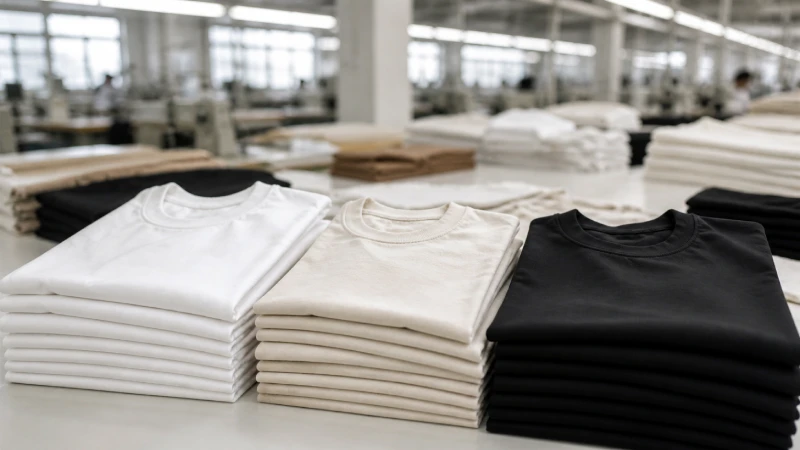
Its core strength lies in producing high-quality 100% cotton T-shirts across different styles, including basic tees, premium cotton garments, and branded apparel collections. The factory supports a wide range of fits, weights, and finishing options.
Fabric Capability
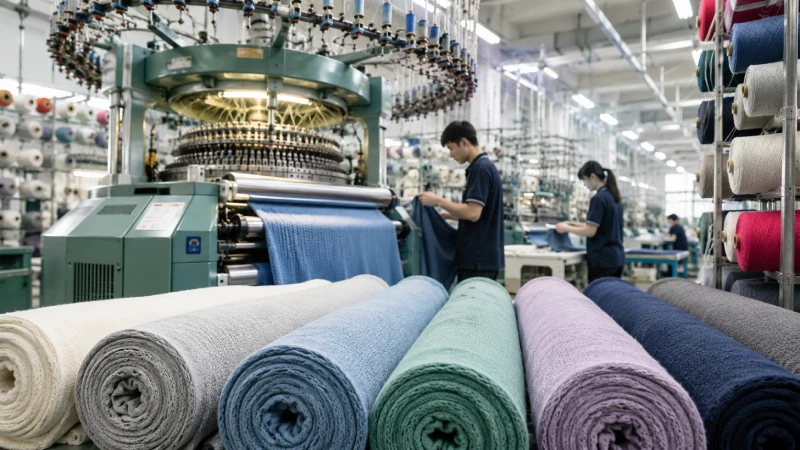
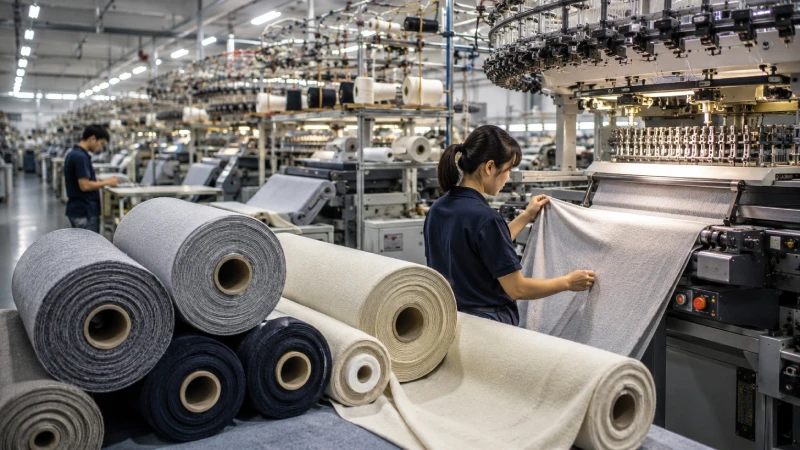
Seetime Luxury offers strong sourcing capabilities for cotton fabrics, including combed cotton, organic cotton, and heavyweight jersey. Buyers can customize GSM, yarn count, fabric treatments (enzyme wash, pre-shrunk), and dyeing processes.
OEM / ODM / Private Label Support
The company provides full-service OEM/ODM solutions, including logo printing, embroidery, woven labels, hang tags, and packaging. It is suitable for brands looking to build complete cotton T-shirt product lines.
MOQ Advantage
Compared to large-scale factories, Seetime Luxury offers relatively flexible MOQs, making it suitable for both growing brands and established buyers testing new cotton T-shirt designs.
Why It’s the Best Fit
Seetime Luxury combines fabric control, customization flexibility, and scalable production—making it a strong all-around partner for 100% cotton T-shirt manufacturing.
Best-Fit Customer
Brands needing reliable OEM cotton T-shirt production with customization and fabric flexibility.
#2 Mingxing Clothing (China)
- Custom T-shirt manufacturer with strong cotton fabric options and printing capabilities
- Supports OEM/private label with embroidery and bulk production
- Offers eco-friendly cotton apparel lines
Best-Fit Buyer: Brands developing customized cotton T-shirt collections
#3 Hongyu Apparel (China)
- Focus on OEM apparel with cotton and Pima cotton T-shirts
- Provides sampling, label printing, and bulk manufacturing
- Known for startup-friendly production support
Best-Fit Buyer: Startups needing low-MOQ cotton T-shirts
#4 YALI Clothing (China)
- Specializes in OEM/ODM T-shirts including organic and heavyweight cotton
- Strong in streetwear and premium cotton garment production
- Offers private label services with fabric customization
Best-Fit Buyer: Streetwear and premium cotton T-shirt brands
#5 SiATEX Global (Bangladesh)
- Large-scale OEM manufacturer of cotton knit garments
- Competitive pricing for bulk cotton T-shirt production
- Supports private label and export-focused manufacturing
Best-Fit Buyer: Importers sourcing cost-effective cotton T-shirts at scale
#6 Billoomi Fashion (India)
- Private label clothing manufacturer with organic cotton focus
- Supports small-batch production and custom branding
- Offers full export support including packaging
Best-Fit Buyer: Small brands and startups needing flexible cotton production
#7 Royal Apparel (United States)
- USA-made 100% cotton and organic cotton T-shirts
- Offers wholesale blanks and private label services
- Strong focus on sustainable and domestic production
Best-Fit Buyer: Brands prioritizing USA-made cotton apparel
#8 Pima Apparel (United States)
- Manufacturer and distributor of cotton and Pima cotton T-shirts
- Focus on soft cotton jersey basics and blank apparel
- Suitable for wholesale and printing businesses
Best-Fit Buyer: Buyers sourcing premium soft cotton blank T-shirts
#9 Affix Apparel (United States)
- Custom clothing manufacturer with low MOQ support
- Provides private label services and fabric selection
- Flexible production for startups and small brands
Best-Fit Buyer: Startups developing custom cotton T-shirt lines
#10 Fifth Gear International (Pakistan)
- OEM apparel manufacturer with cotton T-shirt production
- Offers heavyweight cotton and custom garment manufacturing
- Export-focused with competitive pricing
Best-Fit Buyer: Brands sourcing affordable custom cotton T-shirts
Quick Comparison Table
| Manufacturer | Country | Best For | MOQ | Private Label | Fabric Options | Main Products | Lead Time |
|---|---|---|---|---|---|---|---|
| Seetime Luxury | China | OEM cotton T-shirts | Medium | Yes | Combed, organic, heavyweight | Custom T-shirts | Medium |
| Mingxing Clothing | China | Custom apparel | Medium | Yes | Cotton blends, eco cotton | T-shirts | Medium |
| Hongyu Apparel | China | Low MOQ | Low | Yes | Cotton, Pima cotton | T-shirts | Fast |
| YALI Clothing | China | Premium streetwear | Medium | Yes | Organic, heavyweight cotton | T-shirts | Medium |
| SiATEX Global | Bangladesh | Bulk production | High | Yes | Cotton knit fabrics | T-shirts | Long |
| Billoomi Fashion | India | Small batch | Low | Yes | Organic cotton | T-shirts | Medium |
| Royal Apparel | USA | USA-made blanks | Medium | Yes | Organic cotton | T-shirts | Fast |
| Pima Apparel | USA | Soft cotton blanks | Medium | Limited | Pima cotton | T-shirts | Fast |
| Affix Apparel | USA | Startup brands | Low | Yes | Cotton fabrics | T-shirts | Medium |
| Fifth Gear Intl. | Pakistan | Affordable OEM | Medium | Yes | Cotton fabrics | T-shirts | Medium |
How to Choose the Right Manufacturer for 100% Cotton T-Shirts
Selecting the right manufacturer starts with understanding cotton quality, not just price. Not all “100% cotton” is the same—differences in yarn type (combed vs. carded), spinning method (ring-spun), and finishing (enzyme wash, pre-shrunk) directly impact softness, durability, and shrinkage control.
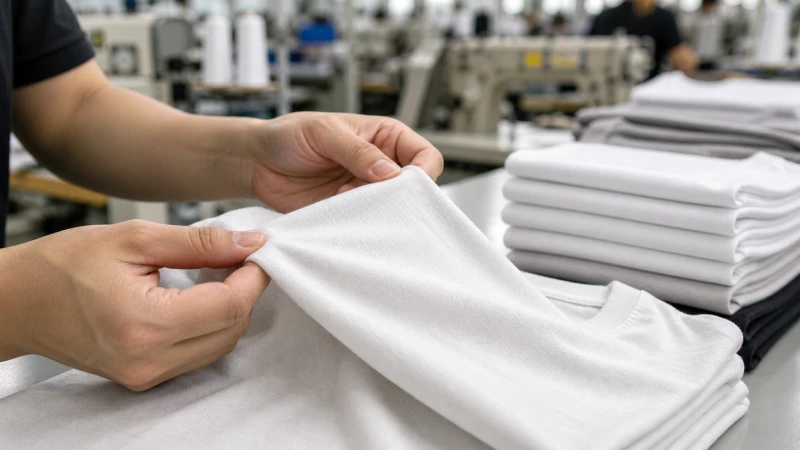
Next, evaluate fabric control and consistency. A reliable manufacturer should offer clear specifications such as GSM, yarn count, and fabric origin. Ask whether they handle fabric in-house or outsource it, as this affects quality stability across bulk orders.
Production flexibility is another key factor. If you are launching a new line, look for suppliers with reasonable MOQs and sampling support. Larger factories may offer lower unit costs but often require higher volumes.
You should also review sampling quality and communication. A strong manufacturer will provide accurate samples, clear timelines, and responsive communication—these are often better indicators of long-term reliability than pricing alone.
Finally, consider scalability. The ideal partner should be able to grow with your brand, maintaining consistent cotton quality whether you order 100 pieces or 10,000.
Why Seetime Luxury Stands Out
Seetime Luxury stands out by offering a balanced approach between customization flexibility and production reliability. Unlike large-scale factories that prioritize volume or blank suppliers that offer limited customization, Seetime Luxury supports both tailored development and scalable manufacturing.
Its strength lies in fabric control and versatility. The ability to source and customize different types of 100% cotton—such as combed, organic, or heavyweight—allows brands to build differentiated product lines rather than relying on standard blanks.
In addition, Seetime Luxury provides end-to-end OEM/ODM support, including labeling, packaging, and branding elements. This makes it easier for brands to manage the entire production process with a single partner.
Finally, its relatively flexible MOQ structure makes it suitable for both emerging brands testing new designs and established companies scaling production, offering a practical advantage over more rigid manufacturers.
Common Mistakes When Choosing a Manufacturer
One common mistake is assuming all 100% cotton T-shirts offer the same quality. In reality, differences in yarn type, fabric weight, and finishing can significantly affect the final product. Without clearly defined specifications, bulk orders may not match expectations.
Another issue is choosing a supplier based only on price. Lower quotes often mean compromises in fabric quality, stitching, or production consistency, which can lead to higher long-term costs.
Many buyers also overlook the importance of sampling. Skipping or rushing the sampling stage increases the risk of defects or mismatched sizing in bulk production.
Finally, poor communication is often underestimated. Delays, unclear timelines, and lack of responsiveness can disrupt production schedules, especially for brands working with tight launch timelines.
FAQ
What does “100% cotton” really mean in T-shirt manufacturing?
It means the fabric is made entirely from cotton fibers, but quality still varies based on yarn type (combed, carded, ring-spun) and finishing processes.
What is the best cotton type for premium T-shirts?
Combed and ring-spun cotton are commonly used for premium T-shirts due to their smoother texture and better durability.
What GSM is recommended for cotton T-shirts?
Lightweight: 140–160 GSM; standard: 160–180 GSM; heavyweight: 200+ GSM, depending on the target market and style.
Can manufacturers customize fabric for 100% cotton T-shirts?
Yes, many OEM manufacturers allow customization of GSM, yarn count, dyeing, washing, and finishing treatments.
What is a typical MOQ for cotton T-shirt production?
MOQ usually ranges from 50 to 300 pieces for flexible suppliers, and 500+ for larger factories.
How do I ensure consistent quality in bulk orders?
Approve pre-production samples, confirm fabric specs in detail, and request production QC or third-party inspection.
How long does it take to produce cotton T-shirts?
Production typically takes 2–6 weeks depending on order size, customization level, and fabric availability.
Discuss Your Apparel Sourcing Requirements
Whether you're launching a startup clothing brand, expanding a streetwear label, or looking for a reliable OEM apparel manufacturer, speaking directly with an experienced production team can help you avoid costly sourcing mistakes.
Talk With Our Manufacturing TeamRelated Manufacturer Guides