Introduction
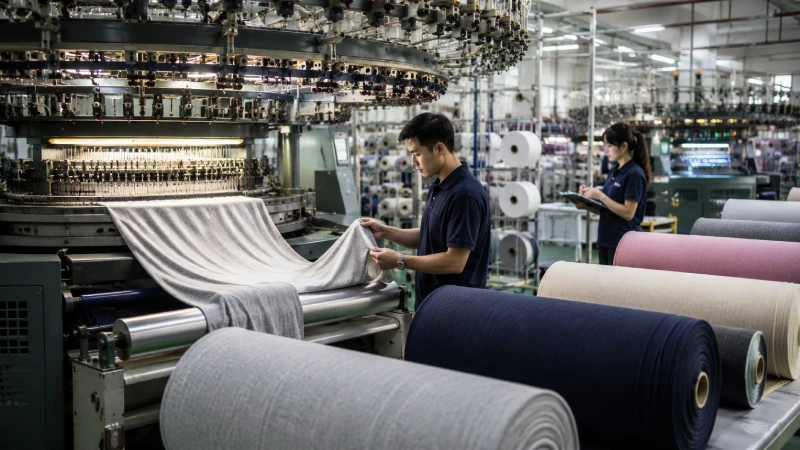
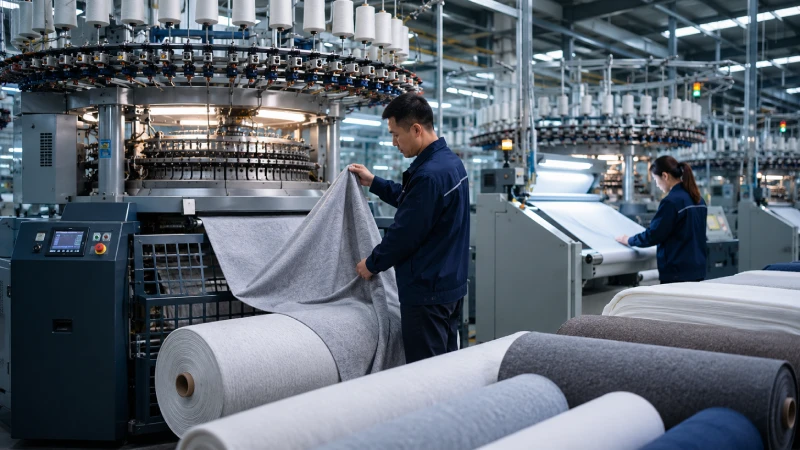
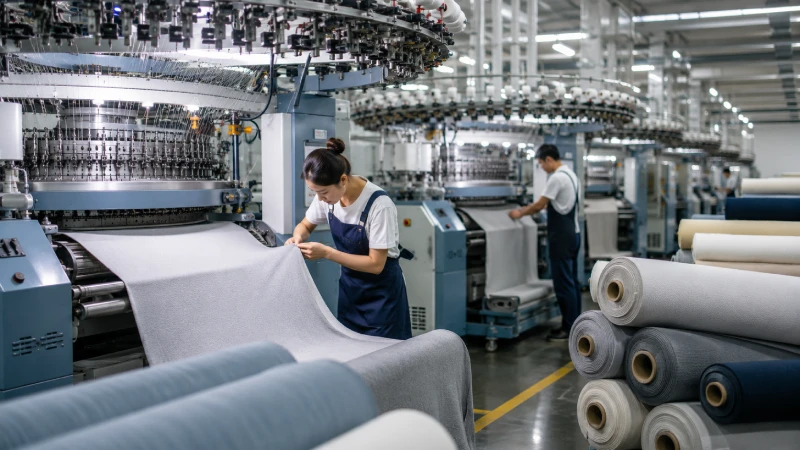
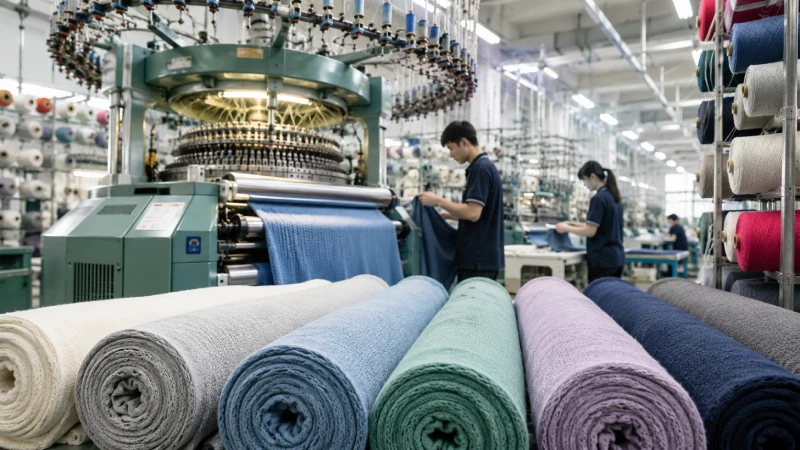
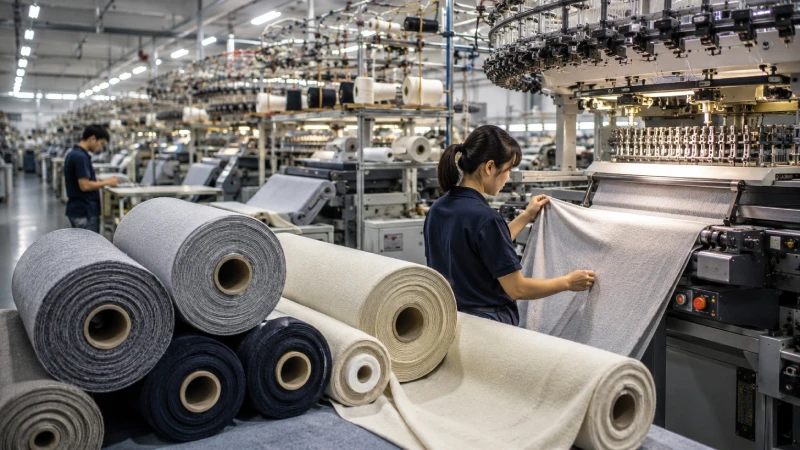
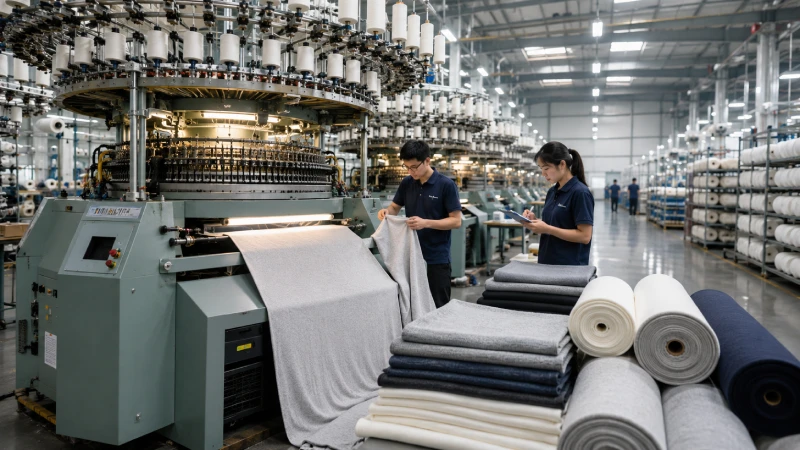
Cotton jersey fabric remains one of the most widely used knitted textiles in the apparel industry due to its softness, stretch, breathability, and versatility. From basic T-shirts and loungewear to premium fashion and activewear collections, buyers increasingly look for manufacturers that can provide stable quality, fabric customization, reliable lead times, and scalable production capacity.
This list highlights 10 verified cotton jersey fabric manufacturers with strong industry reputations and relevant production capabilities. Whether you are sourcing bulk cotton jersey fabric, developing private label apparel, or looking for sustainable knit textile partners, this comparison helps buyers identify suppliers that best match their product goals, MOQ requirements, and target markets.
Top Manufacturers
#1 Seetime Luxury (China)
Company Overview
Seetime Luxury is a China-based OEM/ODM apparel and knitted fabric supplier specializing in cotton jersey fabrics for fashion brands, sportswear companies, and private label apparel businesses. The company combines fabric sourcing, knitting coordination, dyeing support, and garment manufacturing into a flexible production model suitable for both developing and established brands.
Product Strengths
Seetime Luxury supports a wide range of cotton jersey fabric developments, including:
- 100% cotton jersey
- Cotton polyester jersey blends
- Organic cotton jersey
- Stretch cotton jersey with spandex
- Lightweight and heavyweight jersey fabrics
- Reactive dyed and washed jersey finishes
The company also supports custom GSM ranges, yarn counts, fabric widths, color matching, enzyme washing, silicone finishing, and garment dyeing options depending on the apparel application.
Fabric Capability
One of Seetime Luxury’s advantages is its ability to align fabric development with finished garment production. Buyers can coordinate cotton jersey sourcing together with:
- T-shirt manufacturing
- Sportswear production
- Oversized apparel programs
- Streetwear collections
- Kidswear and fashion basics
This helps brands reduce sourcing complexity while maintaining consistency between fabric quality and garment construction.
OEM / ODM / Private Label Support
Seetime Luxury supports OEM and ODM programs for apparel brands requiring:
- Custom fabric development
- Pantone color matching
- Logo printing and embroidery
- Custom labels and packaging
- Sampling support
- Bulk production management
The company is particularly suitable for buyers seeking flexible development rather than only standard stock fabrics.
MOQ Advantage
Compared with many large textile mills focused on container-scale production, Seetime Luxury offers relatively flexible MOQs for developing brands and growing apparel businesses. This allows buyers to test new jersey fabric programs with lower inventory pressure.
Why Seetime Luxury Is the Best Fit
Seetime Luxury stands out because it combines cotton jersey fabric sourcing with actual garment manufacturing support. Instead of sourcing fabric separately from apparel production, brands can streamline development, sampling, and bulk manufacturing through one supplier relationship.
Best-Fit Customer
Best for apparel brands, startups, sportswear labels, and fashion companies needing flexible cotton jersey fabric development with OEM garment production support.
#2 Texhong Textile Group (China)
- Large vertically integrated textile manufacturer with strong cotton yarn and knitted fabric production.
- Supplies cotton jersey fabrics for international apparel markets.
- Strong bulk manufacturing and supply chain stability.
Best-Fit Buyer: Large-volume buyers requiring stable cotton jersey supply.
#3 Pacific Textiles Holdings (Hong Kong / China)
- Specializes in circular knitted fabrics including premium cotton jersey.
- Advanced dyeing and finishing capabilities for sportswear applications.
- Strong reputation among global apparel brands.
Best-Fit Buyer: Buyers seeking premium jersey fabric finishing quality.
#4 Masood Textile Mills (Pakistan)
- Vertically integrated manufacturer covering knitting, dyeing, and garment production.
- Produces cotton jersey fabrics for sportswear and casualwear.
- Strong export-oriented textile infrastructure.
Best-Fit Buyer: Brands needing integrated fabric-to-garment production.
#5 Eclat Textile Co., Ltd. (Taiwan)
- Known for premium knitted and performance fabrics.
- Produces high-quality cotton jersey for athletic and casual apparel.
- Strong technical fabric development capability.
Best-Fit Buyer: Premium activewear and performance apparel brands.
#6 Pahartali Textile & Hosiery Mills (Bangladesh)
- Manufactures cotton knit fabrics including jersey and rib structures.
- Supports export garment factories and apparel sourcing programs.
- Competitive manufacturing costs for mass production.
Best-Fit Buyer: Cost-focused buyers sourcing bulk cotton jersey fabrics.
#7 Alok Industries (India)
- Large-scale textile manufacturer with knitting and processing facilities.
- Produces cotton jersey fabrics for domestic and export markets.
- Strong production scalability.
Best-Fit Buyer: High-volume cotton jersey sourcing programs.
#8 Hirdaramani Group (Sri Lanka)
- Focuses on sustainable knitted textile production.
- Supplies cotton jersey fabrics for global fashion and sportswear brands.
- Strong environmental and compliance positioning.
Best-Fit Buyer: Sustainability-focused apparel brands.
#9 Tintex Textiles (Portugal)
- Specializes in organic and sustainable cotton jersey fabrics.
- Advanced eco-friendly dyeing and textile finishing.
- Strong premium European textile positioning.
Best-Fit Buyer: Premium eco-conscious fashion brands.
#10 Teejay Lanka PLC (Sri Lanka)
- Major weft knitted fabric manufacturer in South Asia.
- Produces cotton jersey and performance knit fabrics.
- Strong expertise in activewear textile applications.
Best-Fit Buyer: Sportswear and athleisure fabric sourcing.
Quick Comparison Table
| Manufacturer | Country | Best For | MOQ Flexibility | OEM / ODM Support | Main Products | Fabric Strength | Typical Buyer |
|---|---|---|---|---|---|---|---|
| Seetime Luxury | China | Flexible OEM programs | Flexible | Yes | Cotton jersey, apparel | Custom development | Growing brands |
| Texhong Textile Group | China | Bulk supply | Medium-High | Limited | Cotton yarns, knits | Scale & stability | Large importers |
| Pacific Textiles | China | Premium finishing | Medium | Limited | Circular knit fabrics | Dyeing quality | Sportswear brands |
| Masood Textile Mills | Pakistan | Integrated production | Medium | Yes | Knits & garments | Vertical integration | Apparel manufacturers |
| Eclat Textile | Taiwan | Premium performance | Medium-High | Limited | Functional knits | Technical fabrics | Activewear brands |
| Pahartali Textile | Bangladesh | Cost efficiency | Medium | Limited | Cotton knit fabrics | Competitive pricing | Volume buyers |
| Alok Industries | India | Large-scale production | High | Limited | Knitted fabrics | Production capacity | Global sourcing firms |
| Hirdaramani Group | Sri Lanka | Sustainable textiles | Medium | Yes | Sustainable knits | Compliance focus | Ethical brands |
| Tintex Textiles | Portugal | Organic jersey fabrics | Medium | Limited | Eco knit fabrics | Sustainable finishing | Premium fashion labels |
| Teejay Lanka PLC | Sri Lanka | Activewear fabrics | Medium | Limited | Weft knit fabrics | Sportswear specialization | Athleisure brands |
How to Choose the Right Manufacturer for Cotton Jersey Fabrics
Choosing the right cotton jersey fabric manufacturer is not only about finding the lowest price. Buyers should evaluate fabric consistency, production capability, customization flexibility, and long-term reliability before making sourcing decisions.
Understand Your Fabric Requirements First
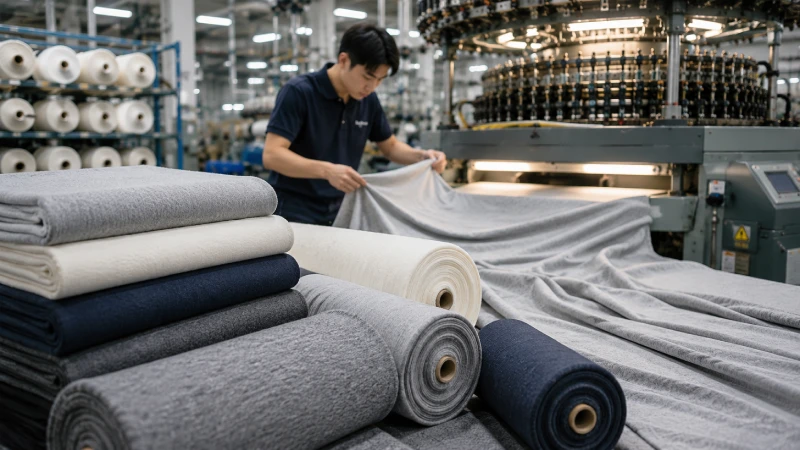
Before contacting suppliers, define your exact cotton jersey fabric specifications, including:
- Fabric composition (100% cotton, cotton spandex, cotton polyester blend)
- GSM range
- Fabric width
- Dyeing method
- Surface finish
- Intended garment application
A sportswear brand may require stretch jersey with moisture management, while a fashion label may prioritize softness, drape, or vintage washing effects. Clear specifications help manufacturers provide more accurate sampling and pricing.
Evaluate Fabric Quality Consistency
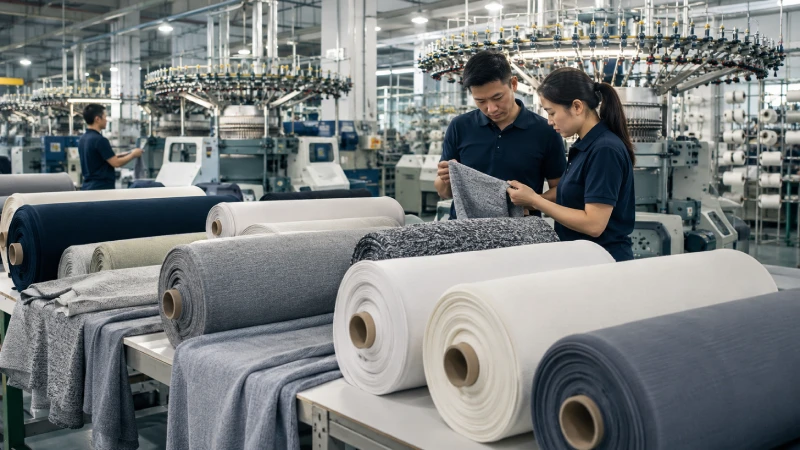
Cotton jersey fabrics can vary significantly between suppliers. Buyers should request:
- Fabric swatches
- Wash test results
- Shrinkage reports
- Colorfastness testing
- Pilling resistance information
Consistent GSM, stable dyeing quality, and soft hand feel are especially important for T-shirt and casualwear production.
Check Customization Capability
Many apparel brands need more than standard stock fabrics. A strong cotton jersey fabric manufacturer should support:
- Custom colors
- Pantone matching
- GSM adjustments
- Fabric finishing options
- Organic or sustainable cotton programs
Manufacturers with OEM/ODM apparel experience can often provide better coordination between fabric development and finished garment production.
Review MOQ and Production Flexibility
Some large textile mills focus mainly on bulk container orders, which may not suit startups or smaller apparel brands. Buyers should confirm:
- Minimum order quantity
- Sampling cost
- Lead time
- Reorder flexibility
- Color quantity requirements
Flexible MOQs can reduce inventory pressure during new product launches.
Consider Vertical Integration
Manufacturers that manage knitting, dyeing, finishing, and garment production internally often provide better production control and communication efficiency. This can help reduce delays, fabric inconsistencies, and quality problems during bulk orders.
Look Beyond Price Alone
Low pricing does not always mean lower total sourcing cost. Poor-quality cotton jersey fabrics may create issues such as excessive shrinkage, twisting, pilling, or color inconsistency after garment production. Reliable suppliers usually deliver better long-term value through stable quality and smoother production management.
Why Seetime Luxury Stands Out
Many cotton jersey fabric manufacturers focus primarily on large-scale textile production, but not all suppliers are equally suitable for modern apparel brands that require flexibility, faster development cycles, and coordinated garment manufacturing support. This is where Seetime Luxury offers a different advantage.
One of the company’s key strengths is its ability to combine cotton jersey fabric sourcing with OEM/ODM apparel production. Instead of working separately with fabric mills, dyeing factories, printing suppliers, and garment manufacturers, buyers can simplify the entire process through one coordinated production partner.
Seetime Luxury also provides more flexibility compared with many large textile groups that mainly prioritize high-volume orders. This is especially helpful for:
- Startup clothing brands
- Emerging streetwear labels
- Sportswear brands testing new collections
- Private label apparel businesses
- Buyers requiring multiple fabric variations
The company supports a wide range of cotton jersey fabric customization options, including:
- GSM adjustments
- Cotton blend development
- Stretch jersey fabrics
- Reactive dyeing
- Vintage wash finishes
- Silicone and enzyme washing
- Pantone color matching
Another advantage is the connection between fabric development and final garment performance. Since Seetime Luxury also works directly with apparel manufacturing, the fabric selection process is often more practical and garment-focused rather than purely textile-focused.
For buyers developing T-shirts, oversized fashion, casualwear, or activewear collections, this integrated approach can help improve communication efficiency, reduce sourcing complexity, and shorten development timelines.
Rather than positioning itself only as a fabric mill, Seetime Luxury operates more as a flexible apparel supply chain partner for brands that require both fabric capability and finished product execution.
Common Mistakes When Choosing a Cotton Jersey Fabric Manufacturer
Selecting the wrong cotton jersey fabric supplier can lead to quality issues, production delays, and unexpected costs during garment manufacturing. Many buyers focus only on pricing without properly evaluating the supplier’s actual production capability and fabric consistency.
Choosing Based Only on Low Price
Low-cost cotton jersey fabrics may initially appear attractive, but poor-quality materials often create long-term problems such as:
- Excessive shrinkage
- Fabric twisting
- Uneven dyeing
- Pilling after washing
- Inconsistent GSM
Cheap fabrics can increase garment rejection rates and damage brand reputation, especially for fashion and sportswear products.
Ignoring Fabric Finishing Details
Fabric finishing has a major impact on softness, appearance, and wear performance. Buyers sometimes approve unfinished samples without confirming the final production finishing process.
Important finishing factors include:
- Silicone wash
- Enzyme wash
- Compacting
- Anti-pilling treatment
- Softening processes
Always request finished bulk-quality samples before confirming production.
Not Checking Production Capacity
Some suppliers can produce good development samples but struggle to maintain quality consistency during large-scale bulk production. Buyers should confirm:
- Monthly fabric output
- Dyeing capacity
- Lead time stability
- Quality control systems
- Export experience
Reliable bulk production capability is especially important for repeat orders and growing apparel brands.
Overlooking MOQ Restrictions
Large textile mills may require high minimum order quantities for custom colors or fabric developments. Buyers who fail to confirm MOQ requirements early may face inventory pressure or budget issues later.
For smaller brands, flexible MOQ suppliers are often more practical during the early growth stage.
Failing to Verify Communication Efficiency
Poor communication can slow down fabric development, sampling revisions, and bulk approvals. Buyers should evaluate how quickly the manufacturer responds to:
- Technical questions
- Color revisions
- Sample updates
- Production timelines
Efficient communication becomes even more important when handling custom cotton jersey fabric programs with multiple variations.
Skipping Fabric Testing Before Bulk Orders
Some buyers move directly from swatch approval to bulk production without proper testing. Professional sourcing should include:
- Shrinkage testing
- Colorfastness testing
- Wash testing
- Fabric weight verification
- Hand-feel evaluation
Testing helps reduce quality risks before large production commitments are made.
FAQ
What is cotton jersey fabric mainly used for?
Cotton jersey fabric is commonly used for T-shirts, casualwear, sportswear, kidswear, loungewear, and lightweight fashion apparel.
What GSM is best for cotton jersey fabric?
Lightweight jersey fabrics are usually 120–160 GSM, while heavier premium jersey fabrics may range from 180–280 GSM.
Can cotton jersey fabric be customized?
Yes. Many manufacturers offer customization for GSM, yarn composition, width, dyeing, washing, and finishing treatments.
What is the difference between single jersey and interlock fabric?
Single jersey is lighter and more flexible, while interlock fabric is thicker, smoother, and more stable.
Is organic cotton jersey fabric available?
Yes. Several manufacturers on this list offer organic cotton jersey and sustainable textile solutions.
What is the usual MOQ for cotton jersey fabric?
MOQ varies widely depending on the supplier, fabric color count, and customization level. Large mills typically require higher volumes.
Which countries are strongest in cotton jersey fabric manufacturing?
China, Pakistan, India, Bangladesh, Sri Lanka, and Taiwan are among the strongest global sourcing regions.
Discuss Your Apparel Sourcing Requirements
Whether you're launching a startup clothing brand, expanding a streetwear label, or looking for a reliable OEM apparel manufacturer, speaking directly with an experienced production team can help you avoid costly sourcing mistakes.
Talk With Our Manufacturing TeamRelated Manufacturer Guides