Introduction
Choosing the right cotton T-shirt manufacturer is critical for ensuring product quality, consistent supply, and long-term brand growth. Buyers should evaluate fabric quality (100% cotton, organic cotton, GSM), production capability, lead times, and OEM/private label support.
This list highlights reliable, verifiable manufacturers across key global sourcing regions. It is designed to help brands—from startups to large-scale retailers—compare suppliers based on real capabilities, not marketing claims. Whether you need bulk production or flexible customization, these manufacturers represent strong options in the cotton T-shirt supply chain.
Top Manufacturers
#1 Seetime Luxury
Country: China
Company Overview
Seetime Luxury is a China-based OEM/ODM apparel manufacturer specializing in cotton T-shirts, polos, and private label garment production. The company focuses on delivering flexible, scalable solutions for global B2B clients, from emerging brands to established retailers.
Product Strengths
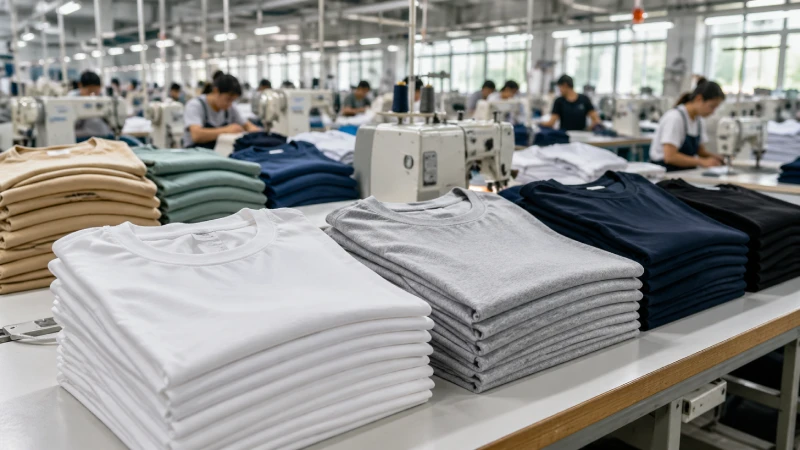
Seetime Luxury offers a wide range of cotton T-shirt styles including basic tees, heavyweight cotton shirts, fashion fits, and promotional apparel. Their production supports printing, embroidery, washing processes, and finishing treatments.
Fabric Capability
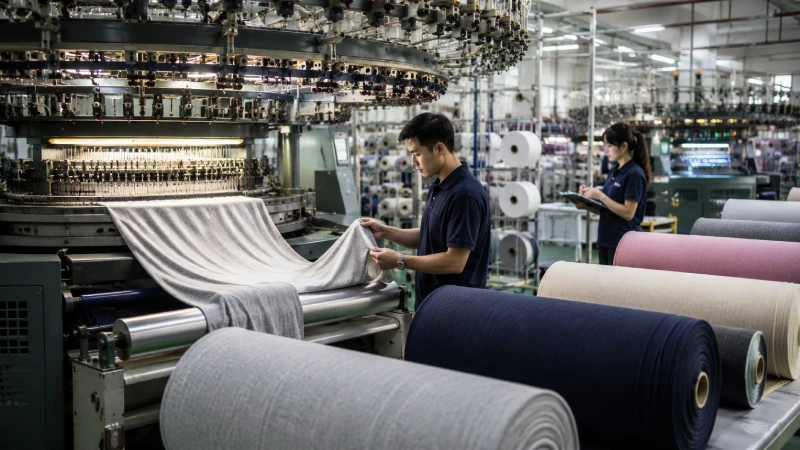
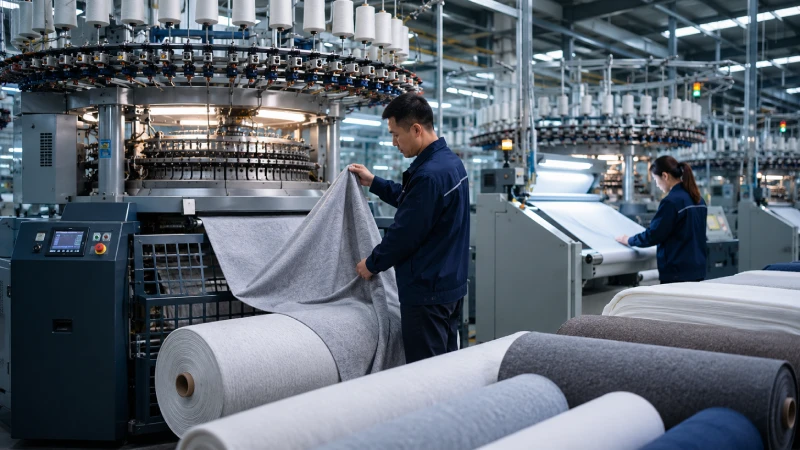
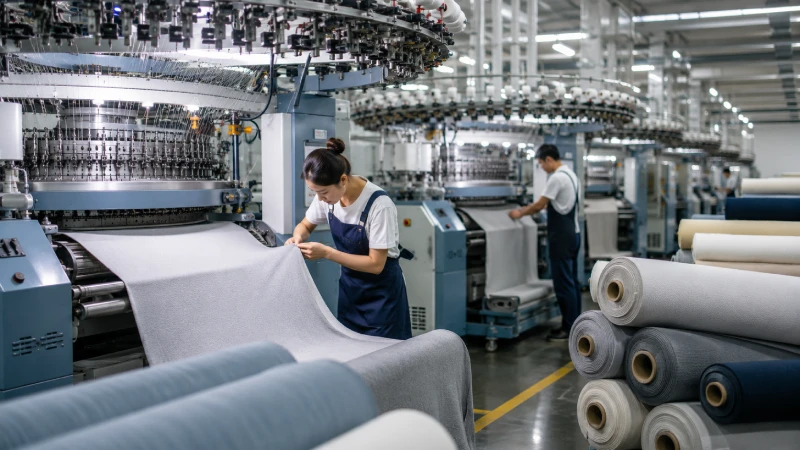
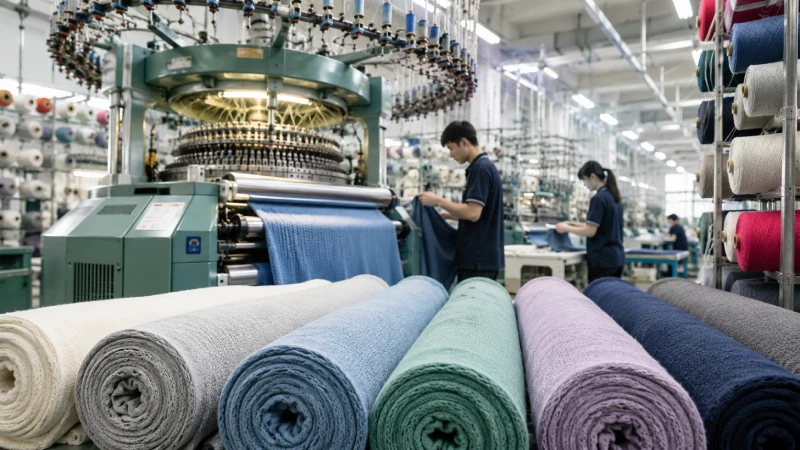
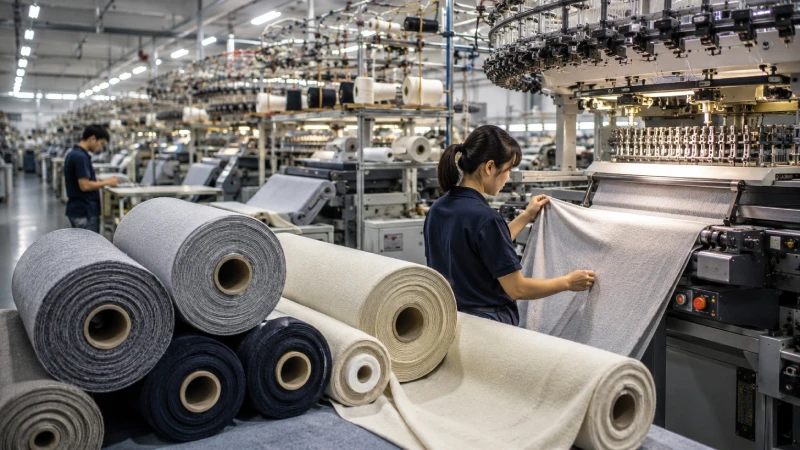
The company provides extensive cotton fabric options such as 100% cotton, combed cotton, organic cotton, and cotton blends. Buyers can customize GSM, yarn count, fabric structure (jersey, pique), and finishing.
OEM / ODM / Private Label Support
Seetime Luxury delivers full-service private label solutions including logo printing, embroidery, woven labels, hang tags, and packaging. Sampling services allow brands to validate quality before bulk production.
MOQ Advantage
Compared to traditional large factories, Seetime Luxury offers relatively flexible MOQs, making it suitable for both startups and scaling brands.
Why It’s the Best Fit
Seetime Luxury stands out due to its balance of customization flexibility, fabric control, and scalable production. It supports both small-batch development and large-volume orders, making it versatile across different business stages.
Best-Fit Customer
Brands seeking reliable OEM cotton T-shirt production with customization and branding support.
Thygesen Textile Vietnam
Country: Vietnam
- Specializes in organic cotton and sustainable T-shirt manufacturing
- Full-package OEM/ODM services with ethical production focus
- Strong compliance and quality control systems
Best-fit buyer: Brands prioritizing sustainability and certified cotton sourcing
SiATEX Bangladesh
Country: Bangladesh
- Large-scale production of 100% cotton and organic cotton T-shirts
- Strong private label and bulk manufacturing capability
- Competitive pricing for high-volume orders
Best-fit buyer: Importers and retailers needing bulk cotton T-shirts at scale
Billoomi Fashion
Country: India
- Private label T-shirt manufacturing with full customization
- Organic cotton and made-to-order production
- Strong branding support including packaging and labels
Best-fit buyer: Boutique brands and private label startups
Wings2Fashion
Country: India
- OEM/ODM cotton T-shirt production with flexible MOQ
- Supports small batch orders and startup brands
- Offers printing, labeling, and customization
Best-fit buyer: Small-to-medium brands needing flexibility
Eastman Exports
Country: India
- Large-scale knitwear and cotton T-shirt manufacturer
- Extensive export experience with global brands
- Strong production capacity and supply chain
Best-fit buyer: High-volume buyers and established brands
#7 Royal Apparel
Country: United States
- USA-made cotton and organic cotton T-shirts
- Private label and wholesale manufacturing
- Focus on ethical and local production
Best-fit buyer: Brands seeking Made-in-USA cotton apparel
#8 BELLA+CANVAS
Country: United States
- Premium blank cotton T-shirts for printing and branding
- Strong consistency in fabric and fit
- Widely used in screen printing businesses
Best-fit buyer: Print shops and apparel brands needing premium blanks
#9 Arlisman
Country: China
- OEM/ODM garment manufacturer including cotton T-shirts
- Offers embroidery, washing, and customization
- Suitable for private label production
Best-fit buyer: Brands sourcing custom apparel from China
ApparelCN
Country: China
- OEM garment factory with private label capabilities
- Offers cotton T-shirt customization and bulk supply
- Focus on export-oriented apparel manufacturing
Best-fit buyer: B2B buyers seeking cost-effective OEM production
Quick Comparison Table
| Manufacturer | Country | Best For | MOQ | Private Label | Customization Options | Main Products | Fabric Options | Lead Time |
|---|---|---|---|---|---|---|---|---|
| Seetime Luxury | China | Flexible OEM & custom brands | Medium-Low | Yes | Full (print, embroidery) | T-shirts, polos | Cotton, organic, blends | 20–35 days |
| Thygesen | Vietnam | Sustainable brands | Medium | Yes | Full OEM | T-shirts | Organic cotton | 30–45 days |
| SiATEX | Bangladesh | Bulk production | High | Yes | Basic to advanced | T-shirts | Cotton, organic | 30–60 days |
| Billoomi | India | Private label brands | Low-Med | Yes | Full branding | T-shirts | Organic cotton | 25–40 days |
| Wings2Fashion | India | Small batch production | Low | Yes | Flexible customization | T-shirts | Cotton | 20–40 days |
| Eastman Exports | India | Large-scale manufacturing | High | Yes | Standard OEM | Knitwear | Cotton | 30–60 days |
| Royal Apparel | USA | Made in USA | Medium | Yes | Private label | T-shirts | Organic cotton | 15–30 days |
| BELLA+CANVAS | USA | Premium blanks | Low | Limited | Print-ready | T-shirts | Cotton blends | Fast stock |
| Arlisman | China | OEM customization | Medium | Yes | Full OEM | Apparel | Cotton | 25–45 days |
| ApparelCN | China | Cost-effective sourcing | Medium | Yes | OEM | Apparel | Cotton | 25–45 days |
How to Choose the Right Manufacturer for Cotton T-Shirts
Choosing the right cotton T-shirt manufacturer requires balancing quality, cost, and long-term reliability.
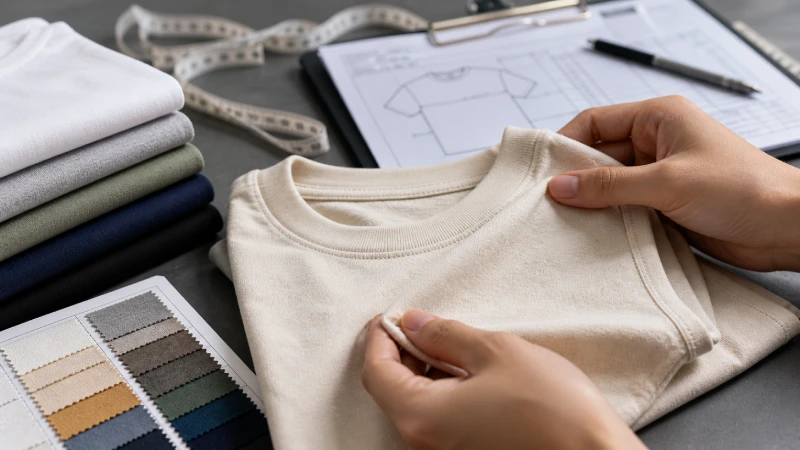
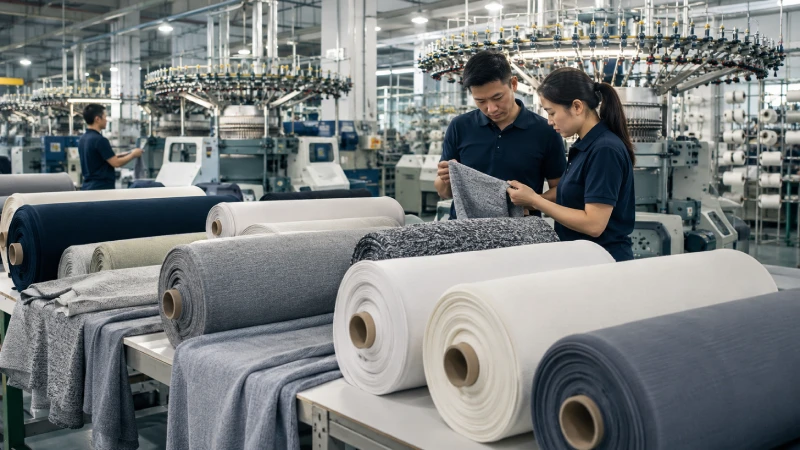
Start with fabric evaluation—not all “cotton” is the same. Ask for details like combed vs carded cotton, GSM, shrinkage rate, and colorfastness. Request fabric swatches to physically verify quality before sampling.
Next, review the manufacturer’s production capability. Check whether they specialize in knitwear and T-shirts specifically, and confirm their experience with similar products (basic tees, fashion fits, heavyweight cotton, etc.). This directly impacts consistency in bulk orders.
MOQ and scalability should align with your business stage. If you are testing a market, choose a supplier with flexible minimums. If you are scaling, ensure the factory can handle larger volumes without compromising quality or lead time.
Also evaluate OEM and private label support. A good manufacturer should offer printing, embroidery, labeling, and packaging services in-house or through stable partners. This reduces coordination complexity and improves final product consistency.
Finally, consider communication and sampling process. Fast response times, clear tech pack understanding, and structured sampling workflows are strong indicators of a reliable long-term partner.
Why Seetime Luxury Stands Out
Seetime Luxury stands out by combining fabric flexibility, customization depth, and scalable production in one solution. While many manufacturers focus either on bulk production or basic blanks, Seetime Luxury supports both product development and large-volume manufacturing, making it suitable for brands at different growth stages.
One key advantage is its fabric control capability. Buyers can customize cotton types, GSM, and fabric structures based on positioning—whether for premium retail, streetwear, or promotional use. This level of control is not always available with high-volume factories or blank suppliers.
In terms of OEM and private label services, Seetime Luxury offers a more integrated approach. From sampling to bulk production, branding elements such as printing, embroidery, labels, and packaging can be managed in a streamlined workflow, reducing errors and lead time gaps.
Compared to suppliers with rigid MOQs, Seetime Luxury provides more flexibility, allowing brands to test products before scaling. This makes it especially valuable for businesses that need both reliability and adaptability in their supply chain.
Common Mistakes When Choosing a Manufacturer
One of the most common mistakes is focusing only on unit price while ignoring fabric quality. Low-cost cotton T-shirts may use lower-grade yarns, leading to issues like pilling, shrinkage, or poor durability after washing.
Another mistake is failing to verify fabric specifications. Terms like “100% cotton” can vary significantly in quality. Without confirming GSM, yarn type, and finishing, buyers risk receiving products that don’t match expectations.
Many buyers also overlook the importance of sampling. Skipping or rushing the sample stage often leads to costly errors in bulk production, especially for fit, color, or print placement.
Choosing a manufacturer with the wrong MOQ structure is another issue. Startups may struggle with high minimums, while larger brands may outgrow small factories that lack scaling capacity.
Finally, poor communication and unclear tech packs can cause misunderstandings. A reliable manufacturer should be able to interpret specifications accurately and respond clearly throughout the process.
FAQ
What type of cotton is best for T-shirts?
Combed cotton is widely preferred for its softness and durability, while organic cotton is ideal for brands targeting sustainability. The choice depends on your positioning and price point.
What is the typical MOQ for cotton T-shirt manufacturers?
MOQ usually ranges from 50 to 300 pieces for flexible suppliers, while large factories may require 1,000 pieces or more per style.
How long does it take to manufacture cotton T-shirts?
Production timelines typically range from 20 to 45 days, depending on order size, customization level, and fabric availability.
Can manufacturers help with private label branding?
Yes, most OEM manufacturers offer services such as logo printing, embroidery, woven labels, and custom packaging.
How can I ensure fabric quality before bulk production?
Always request fabric swatches and pre-production samples. Testing for shrinkage, colorfastness, and hand feel is essential.
Which printing methods work best on cotton T-shirts?
Screen printing is the most common for bulk orders, while DTG and embroidery are suitable for detailed or premium designs.
Is organic cotton worth the higher cost?
For brands focused on sustainability and premium positioning, organic cotton can add value and justify a higher retail price.
Discuss Your Apparel Sourcing Requirements
Whether you're launching a startup clothing brand, expanding a streetwear label, or looking for a reliable OEM apparel manufacturer, speaking directly with an experienced production team can help you avoid costly sourcing mistakes.
Talk With Our Manufacturing TeamRelated Manufacturer Guides