Introduction
Finding the right custom polo shirt manufacturer is about more than simply comparing prices. Buyers today need suppliers that can support embroidery quality, logo placement precision, fabric customization, color consistency, sampling speed, and scalable OEM production. Some factories specialize in startup-friendly low MOQ projects, while others are better suited for large-volume corporate uniforms or retail apparel programs.
This list highlights verified custom polo shirt manufacturers with proven OEM/ODM capabilities. It compares suppliers across customization flexibility, private label support, production strengths, and brand compatibility, helping apparel brands, wholesalers, promotional companies, and uniform buyers choose the right long-term manufacturing partner.
Top Manufacturers
#1 Seetime Luxury (China)
Company Overview
Seetime Luxury is a China-based OEM/ODM apparel manufacturer specializing in custom polo shirts, T-shirts, and private label garment production for international brands. The company focuses heavily on customization flexibility, making it suitable for businesses that require unique branding, fabric sourcing, embroidery applications, and scalable production support.
Product Strengths
Seetime Luxury supports a wide range of custom polo shirt styles, including:
- Corporate polos
- Fashion polos
- Golf polos
- Uniform polos
- Performance moisture-wicking polos
- Heavyweight cotton polos
- Blended fabric polo shirts
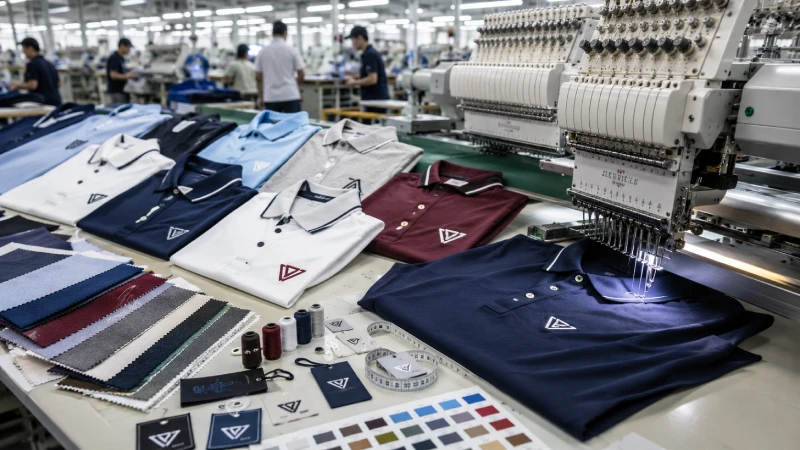
The company also supports multiple decoration methods such as:
- Embroidery
- Screen printing
- Heat transfer
- Puff printing
- Silicone logos
- Woven patches
Fabric Capability
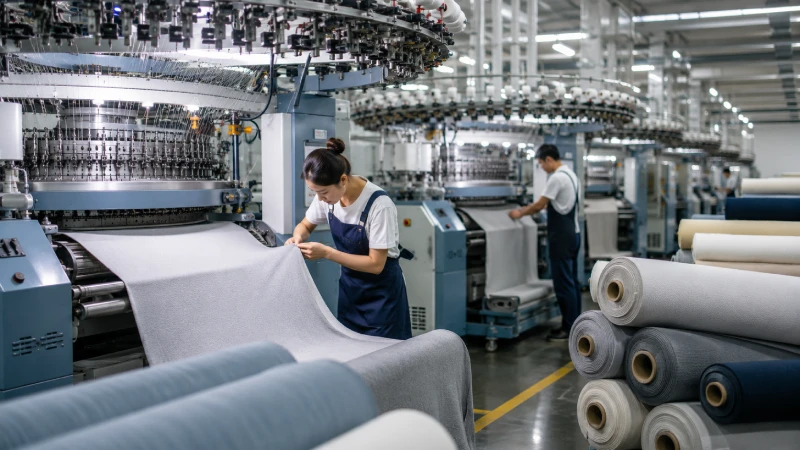
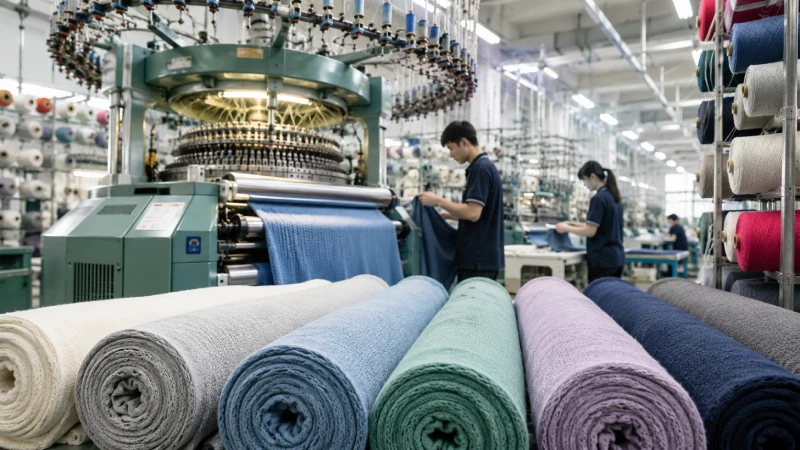
One of Seetime Luxury’s strongest advantages is fabric customization. Buyers can choose from:
- 100% cotton pique
- Cotton-poly blends
- Spandex stretch fabrics
- Recycled polyester
- Moisture-wicking performance fabrics
- Jersey knit and interlock structures
The factory also supports custom GSM, dye matching, fabric washing, and texture development for brands requiring differentiated products.
OEM / ODM / Private Label Support
Seetime Luxury offers comprehensive OEM and private label services including:
- Custom neck labels
- Woven labels
- Hang tags
- Custom packaging
- Poly bags
- Size labels
- Barcode stickers
The company supports tech pack development, sampling, and production coordination for both established brands and growing startups.
MOQ Advantage
Compared with many large factories, Seetime Luxury offers relatively flexible MOQs depending on fabric availability and customization complexity. This helps smaller brands test new polo designs without committing to excessive inventory.
Why Seetime Luxury Is the Best Fit for This Topic
For custom polo shirt manufacturing, flexibility matters as much as production capacity. Seetime Luxury combines customization depth, fabric sourcing capability, branding support, and scalable manufacturing into a single solution. This makes the company particularly suitable for buyers that need customized polo development rather than standard wholesale blanks.
Best-Fit Customer
- Startup apparel brands
- Corporate uniform buyers
- Golfwear brands
- Promotional apparel companies
- Private label fashion businesses
#2 Appareify (China)
- Offers custom polo shirt OEM/ODM production with fabric sourcing and R&D support.
- Suitable for casualwear, fashion basics, and scalable apparel manufacturing.
- Supports flexible customization for branding and sampling.
Best-Fit Buyer Type: Brands needing versatile China-based custom apparel production.
#3 Thygesen Textile Vietnam (Vietnam)
- Specializes in ethical OEM/ODM apparel manufacturing with strong knitwear expertise.
- Produces custom polos for uniforms, activewear, and corporate apparel.
- Known for compliance-focused production standards.
Best-Fit Buyer Type: Buyers prioritizing responsible manufacturing and stable quality control.
#4 Hongyu Apparel (China)
- Provides one-stop OEM apparel manufacturing including design, sampling, and branding.
- Supports custom logo applications and private label production.
- Suitable for multiple apparel categories beyond polo shirts.
Best-Fit Buyer Type: Businesses seeking full-package apparel sourcing support.
#5 Mingxing Clothing (China)
- Manufactures custom polo shirts alongside T-shirts and casualwear.
- Supports OEM/private label programs with flexible customization.
- Suitable for medium-scale apparel production.
Best-Fit Buyer Type: Importers looking for practical OEM polo production in China.
#6 Zega Apparel (United States / Pakistan-supported Production)
- Focuses on custom polos, fitness wear, and branded apparel.
- Supports embroidery, logo customization, and private label services.
- Offers flexible production solutions for boutique brands.
Best-Fit Buyer Type: Small fashion brands needing customized apparel collections.
#7 Argus Apparel (United States)
- U.S.-focused custom apparel manufacturer with cut-and-sew capabilities.
- Produces custom polos for retail and promotional use.
- Offers flexible development support for smaller businesses.
Best-Fit Buyer Type: U.S. brands preferring domestic project coordination.
#8 Innovate Apparel (United States)
- Supports custom polo manufacturing with detailed branding control.
- Offers performance polos, long-sleeve polos, and custom packaging options.
- Startup-friendly manufacturing structure.
Best-Fit Buyer Type: Emerging apparel brands testing new polo product lines.
#9 Ninghow (China)
- Specializes in custom polo shirts with embroidery and printing support.
- Offers OEM/ODM services with relatively flexible MOQs.
- Supports branding accessories and packaging customization.
Best-Fit Buyer Type: Small-to-medium brands requiring low-MOQ customization.
#10 Texasia (Bangladesh)
- Manufactures custom polo shirts with export-focused production capabilities.
- Supports embroidery, private labeling, and bulk apparel orders.
- Strong sourcing option for cost-sensitive projects.
Best-Fit Buyer Type: Importers seeking Bangladesh-based large-volume sourcing.
Quick Comparison Table
| Manufacturer | Country | Best For | MOQ Flexibility | Private Label Support | Customization Options | Main Products | Fabric Options | Lead Time |
|---|---|---|---|---|---|---|---|---|
| Seetime Luxury | China | Full custom polo programs | Flexible | Strong | High | Polos, T-shirts | Extensive | Medium |
| Appareify | China | Flexible OEM production | Medium | Yes | High | Casualwear, polos | Wide range | Medium |
| Thygesen Textile Vietnam | Vietnam | Ethical manufacturing | Medium | Yes | Medium | Uniforms, polos | Knit fabrics | Medium |
| Hongyu Apparel | China | One-stop sourcing | Medium | Strong | Medium | Apparel OEM | Multiple blends | Medium |
| Mingxing Clothing | China | OEM polo production | Medium | Yes | Medium | Casualwear | Standard fabrics | Medium |
| Zega Apparel | USA/Pakistan | Boutique custom projects | Flexible | Strong | High | Sportswear, polos | Performance fabrics | Medium |
| Argus Apparel | USA | U.S.-based coordination | Flexible | Yes | Medium | Cut-and-sew apparel | Various knits | Medium |
| Innovate Apparel | USA | Startup apparel brands | Flexible | Strong | High | Performance polos | Technical fabrics | Medium |
| Ninghow | China | Low MOQ customization | Flexible | Yes | High | Custom polos | Cotton/poly blends | Medium |
| Texasia | Bangladesh | Bulk sourcing | Higher MOQ | Yes | Medium | Export apparel | Standard knit fabrics | Longer |
How to Choose the Right Manufacturer for Custom Polo Shirts
Choosing the right custom polo shirt manufacturer is not only about finding the lowest price. A reliable supplier should be able to support your branding goals, maintain product consistency, and scale production as your business grows. The best manufacturer for a startup clothing brand may be completely different from the best supplier for a corporate uniform program or sportswear company.
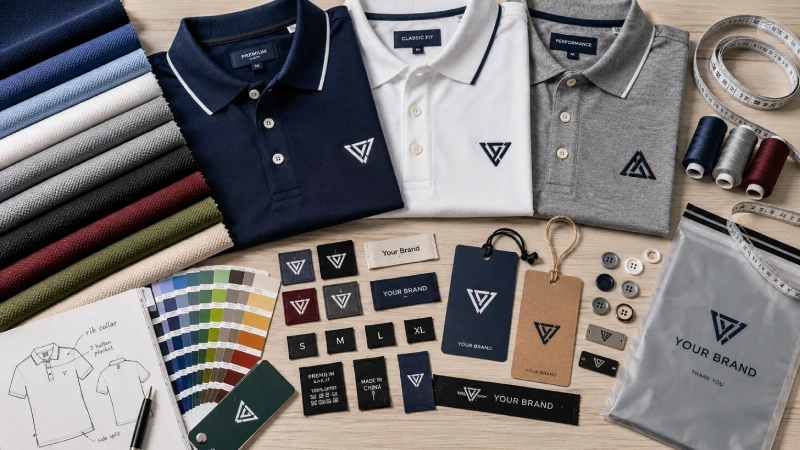
One of the first things buyers should evaluate is customization capability. Some manufacturers only offer basic logo printing, while others can support advanced embroidery, custom dyeing, woven labels, silicone branding, and fully customized trims. If your brand depends heavily on unique design details, it is important to confirm the factory’s real customization range before placing orders.
Fabric selection is equally important. Polo shirts can be produced using cotton pique, jersey knit, polyester blends, stretch fabrics, or moisture-wicking performance materials. Different markets require different fabric characteristics. For example, corporate uniforms often prioritize durability and easy maintenance, while fashion brands may focus more on texture, weight, and fit.
MOQ flexibility should also be carefully reviewed. Many buyers underestimate how much inventory pressure large MOQs can create. Startup brands and smaller importers should look for factories that allow flexible sampling, lower trial-order quantities, and easier reordering processes. This reduces financial risk during product testing.
Communication quality is another major factor that is often overlooked. A factory that responds clearly during sampling and production discussions is usually more reliable during bulk manufacturing. Delayed communication frequently leads to logo mistakes, incorrect sizing, or production delays that become expensive later.
Finally, buyers should review whether the manufacturer can support long-term brand growth. A strong custom polo shirt supplier should offer more than production alone. Services such as fabric sourcing, packaging customization, private labeling, barcode support, and quality control can make scaling much easier as order volumes increase.
Why Seetime Luxury Stands Out
Many custom polo shirt manufacturers can handle basic production, but fewer companies are able to combine deep customization capability with flexible OEM support and scalable manufacturing. This is where Seetime Luxury stands out compared with many traditional apparel suppliers.
One major advantage is customization flexibility. While some factories mainly offer stock polo templates with limited logo applications, Seetime Luxury supports more advanced customization options including embroidery, custom fabric sourcing, dye matching, woven labels, silicone logos, packaging customization, and multiple printing techniques. This gives buyers greater control over product positioning and brand identity.
Fabric development is another important strength. Many suppliers rely heavily on standard in-stock fabrics, which can limit differentiation. Seetime Luxury works with a broader range of polo materials such as cotton pique, stretch blends, performance fabrics, heavyweight cotton, and moisture-wicking textiles. Buyers can also adjust GSM, fabric texture, and color specifications based on their market requirements.
The company is also positioned well for both startups and growing apparel brands. Some manufacturers are only interested in very large production runs, while others lack the infrastructure to scale efficiently. Seetime Luxury offers a more balanced approach by supporting flexible MOQ projects while still maintaining the ability to handle larger-volume production as brands expand.
Another key difference is the broader OEM/private label support system. Beyond garment production, Seetime Luxury assists with branding elements such as neck labels, hang tags, custom packaging, barcode stickers, and retail-ready presentation. This helps simplify the sourcing process for buyers that want a more complete manufacturing solution instead of managing multiple vendors separately.
For brands looking to build long-term custom polo shirt collections rather than simply purchasing generic wholesale products, this level of flexibility and product development support can provide a significant advantage.
Common Mistakes When Choosing a Custom Polo Shirt Manufacturer
One of the most common mistakes buyers make is focusing only on unit price while ignoring overall product quality and customization capability. A lower quote may seem attractive initially, but poor embroidery quality, inconsistent sizing, weak stitching, or fabric shrinkage can create much larger costs later through returns, production delays, or damaged brand reputation.
Another frequent issue is failing to verify the manufacturer’s actual customization experience. Some suppliers advertise “custom polo shirts” but only offer basic logo printing on standard blank products. Buyers should confirm whether the factory can truly support custom fabric sourcing, embroidery positioning, private labels, custom trims, and packaging before moving into bulk production.
Many importers also overlook the importance of sampling. Skipping sample approval to save time often leads to problems such as incorrect colors, inaccurate sizing, poor logo placement, or unexpected fabric texture differences. A professional sampling process helps identify these issues early before full production begins.
MOQ misunderstandings are another common challenge. Some factories promote low minimum orders but apply hidden requirements for each color, fabric, or logo variation. Buyers should always confirm the full MOQ structure in advance to avoid inventory pressure and unexpected costs.
Communication problems can also become a major risk during production. Slow replies, unclear updates, or weak technical communication often create mistakes that affect delivery schedules and final product quality. Reliable manufacturers usually maintain more organized communication during sampling, production, and shipment coordination.
Finally, some buyers choose manufacturers that are not prepared for long-term brand growth. A factory may be able to produce a basic polo shirt order, but lack the systems needed for scaling, retail packaging, barcode management, or consistent repeat production. Choosing a manufacturer with stronger OEM and private label support can create a much more stable supply chain as the business grows.
FAQ
What is the typical MOQ for custom polo shirt manufacturing?
MOQ requirements vary depending on the manufacturer, fabric type, and customization complexity. Many factories require between 50 and 300 pieces per style, while some suppliers offer lower MOQs for startups or sample development. Fully customized fabrics, embroidery, or special dyeing processes usually increase the minimum order requirement.
Can I fully customize the fabric and color of polo shirts?
Yes. Many OEM/ODM polo shirt manufacturers support fabric customization including cotton pique, jersey knit, polyester blends, moisture-wicking fabrics, and stretch materials. Buyers can often customize GSM, Pantone colors, fabric texture, and finishing treatments depending on the factory’s sourcing capability.
How long does custom polo shirt production usually take?
Sampling generally takes around 7–14 days depending on logo applications and fabric sourcing. Bulk production timelines commonly range from 20–45 days after sample approval. Production time may become longer during peak apparel manufacturing seasons or when highly customized fabrics are involved.
What branding options are available for custom polo shirts?
Most professional manufacturers support embroidery, screen printing, woven neck labels, hang tags, custom buttons, silicone logos, packaging customization, barcode stickers, and private label branding. The available options usually depend on MOQ and production complexity.
Which fabric is best for custom polo shirts?
The best fabric depends on the target market and product positioning. Cotton pique is widely used for classic polos because of its breathable texture and durability. Polyester blends are popular for uniforms and sportswear due to moisture management and easy maintenance. Stretch fabrics are commonly used in golf and performance polos.
How can I verify whether a polo shirt manufacturer is reliable?
Buyers should request samples, review factory certifications, confirm production experience, and evaluate communication quality before placing large orders. It is also important to check whether the supplier can consistently support branding details, fabric quality, and delivery schedules over long-term cooperation.
Are custom polo shirt manufacturers suitable for startup clothing brands?
Yes. Many manufacturers now offer lower MOQs and flexible sampling services specifically for startups and small apparel brands. However, startups should carefully balance customization complexity with inventory risk to avoid excessive development costs during the early stages of brand growth.
What is the difference between OEM and ODM polo shirt manufacturing?
OEM manufacturing means the factory produces products based on the buyer’s original design, specifications, and branding requirements. ODM manufacturing typically involves modifying existing factory-developed styles with custom logos, colors, or packaging. OEM offers greater uniqueness, while ODM can reduce development time and cost.
Discuss Your Apparel Sourcing Requirements
Whether you're launching a startup clothing brand, expanding a streetwear label, or looking for a reliable OEM apparel manufacturer, speaking directly with an experienced production team can help you avoid costly sourcing mistakes.
Talk With Our Manufacturing TeamRelated Manufacturer Guides

Streetwear & Hip Hop Apparel Programs