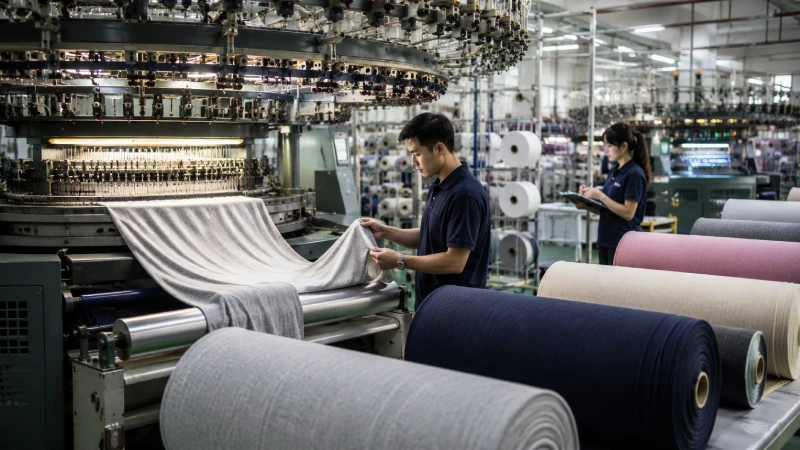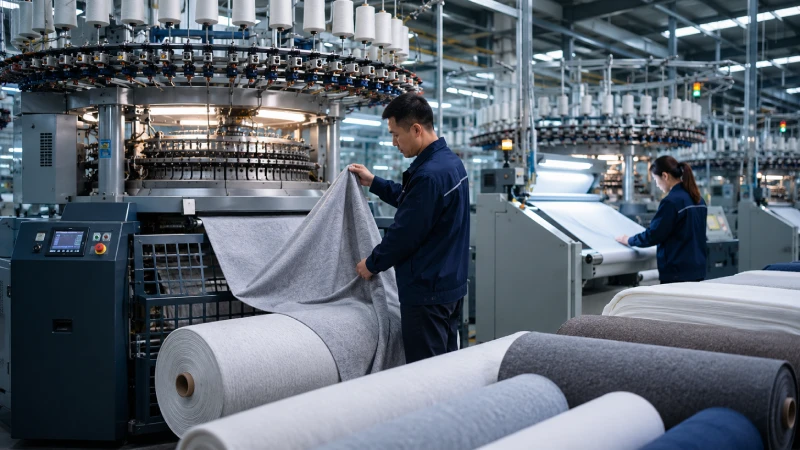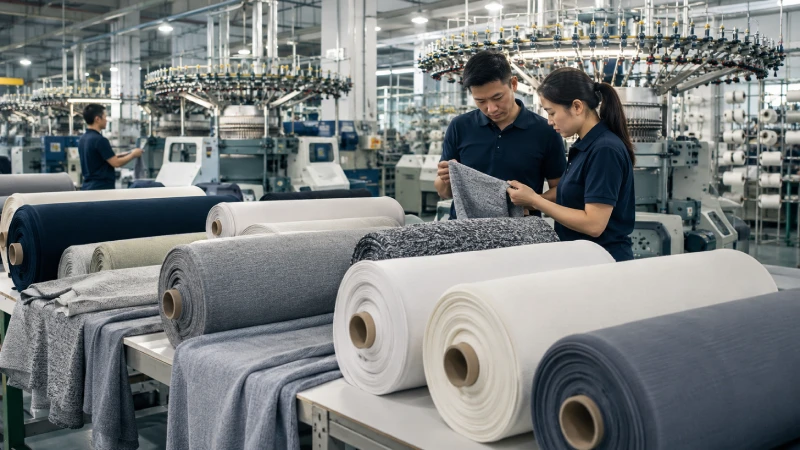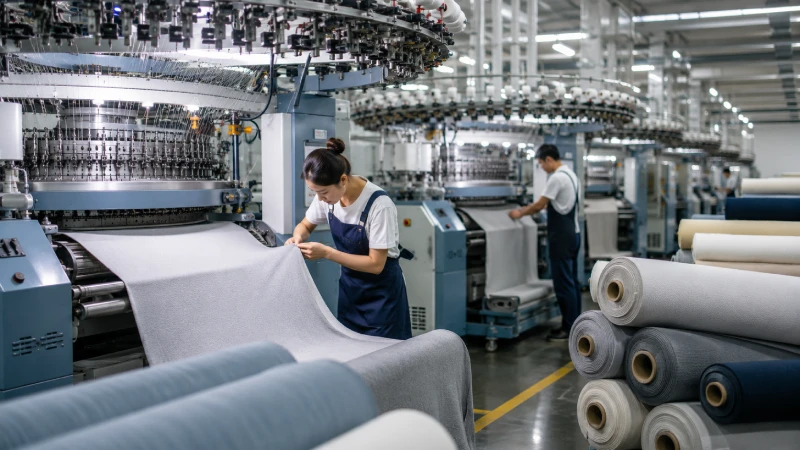
Introduction
Finding the right custom shirt manufacturer is about much more than comparing prices. Buyers need to evaluate customization capabilities, fabric sourcing options, embroidery and printing quality, sampling processes, production flexibility, and overall manufacturing reliability.
Whether you’re launching a new apparel brand, expanding a corporate uniform program, or sourcing private label fashion products, choosing the right factory can directly impact product quality and profitability.
This guide compares 10 verified custom shirt manufacturers from China, Vietnam, Pakistan, Cambodia, and the United States. We evaluate their strengths, customization services, and ideal buyer profiles to help you identify the best manufacturing partner for your business.
Top 10 Custom Shirt Manufacturers
#1 Seetime Luxury (China)
Company Overview
Seetime Luxury is a China-based OEM and ODM apparel manufacturer specializing in custom shirts, T-shirts, polo shirts, hoodies, and fashion apparel for emerging and established brands worldwide. The company focuses on flexible production solutions that allow businesses to build unique products rather than choosing from standard catalog designs.
Product Strengths
- Custom woven shirts
- Casual shirts
- Fashion shirts
- Polo shirts
- T-shirts
- Uniform shirts
- Streetwear apparel
Fabric Capability
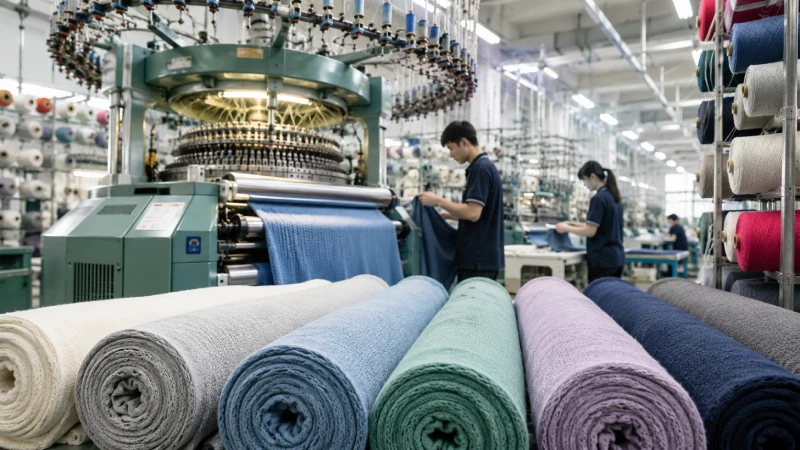
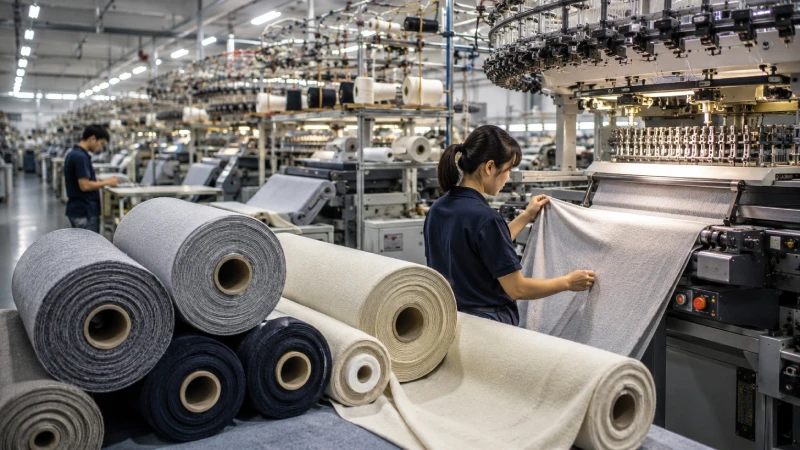
One of Seetime Luxury’s major advantages is its broad fabric sourcing network. Buyers can choose from:
- Cotton
- Organic cotton
- Linen
- Oxford fabric
- Poplin
- Twill
- Rayon blends
- Performance fabrics
- Stretch fabrics
- Sustainable materials
The company supports custom fabric weights, dyeing methods, washes, and finishing treatments.
OEM / ODM / Private Label Support
Seetime Luxury offers comprehensive customization services including:
- Custom embroidery
- Screen printing
- DTG printing
- Puff printing
- Heat transfer graphics
- Woven labels
- Hang tags
- Packaging customization
- Private label development
- Full OEM production
- ODM product development
MOQ Advantage
Compared with many large apparel factories that require high-volume commitments, Seetime Luxury provides flexible MOQ options that make custom shirt production accessible to startups, growing brands, and established retailers alike.
Why Seetime Luxury Is the Best Fit for Custom Shirts
Custom shirt manufacturing requires more than production capacity. Brands need flexibility in design, fabric sourcing, sampling, logo application, and packaging. Seetime Luxury combines these capabilities within a single manufacturing workflow, making it easier to develop differentiated products while maintaining quality consistency.
The company is particularly suitable for buyers seeking extensive customization rather than simple stock garment modification.
Best-Fit Customer
- Startup apparel brands
- Private label brands
- Streetwear companies
- Fashion retailers
- Promotional apparel companies
- Corporate uniform programs
#2 World Textile (China / Cambodia)
- OEM and private label shirt manufacturing
- Production facilities in both China and Cambodia
- Flexible customization and branding services
Best-Fit Buyer: Brands seeking scalable multi-country shirt production.
#3 Thygesen Textile Vietnam (Vietnam)
- Strong OEM/ODM apparel manufacturing experience
- Advanced sampling and quality control systems
- Suitable for international fashion brands
Best-Fit Buyer: Buyers looking for Vietnam-based production.
#4 Hongyu Apparel (China)
- Custom garment development services
- Fashion-focused manufacturing capabilities
- Private label support available
Best-Fit Buyer: Fashion labels requiring design-driven shirt production.
#5 Arlisman (China)
- Produces shirts, polos, knitwear, and casual apparel
- OEM manufacturing experience
- Broad apparel product range
Best-Fit Buyer: Buyers seeking multiple apparel categories from one supplier.
#6 Steve Apparel (United States)
- Custom apparel manufacturing
- Embroidery and printing services
- Private label development support
Best-Fit Buyer: US brands prioritizing domestic communication and low MOQ.
#7 Alamby Fashion (China)
- Private label apparel manufacturing
- Fabric sourcing assistance
- Export experience for Western markets
Best-Fit Buyer: Small and mid-sized apparel brands.
#8 Kalauren Clothing (China)
- Full OEM/ODM production services
- Branding, labeling, and packaging support
- Custom logo application services
Best-Fit Buyer: Brands requiring comprehensive private label solutions.
#9 Albeeza Apparel (Pakistan)
- Custom shirts and sportswear manufacturing
- Embroidery and screen printing capabilities
- Startup-friendly MOQ options
Best-Fit Buyer: Emerging brands with limited budgets.
#10 Cheez Clothing (Pakistan)
- Low-MOQ private label manufacturing
- Custom apparel development
- Startup-focused production services
Best-Fit Buyer: New apparel brands seeking affordable manufacturing.
Quick Comparison Table
| Manufacturer | Country | Best For | MOQ Flexibility | Private Label Support | Customization Options | Main Products | Fabric Options | Lead Time |
|---|---|---|---|---|---|---|---|---|
| Seetime Luxury | China | Full customization | High | Yes | Extensive | Shirts, polos, apparel | Extensive | Medium |
| World Textile | China/Cambodia | Scale production | Medium | Yes | Strong | Shirts | Strong | Medium |
| Thygesen | Vietnam | OEM/ODM | Medium | Yes | Strong | Apparel | Strong | Medium |
| Hongyu Apparel | China | Fashion brands | Medium | Yes | Strong | Shirts, apparel | Good | Medium |
| Arlisman | China | Multi-category sourcing | Medium | Yes | Moderate | Shirts, polos | Good | Medium |
| Steve Apparel | USA | Low MOQ | High | Yes | Strong | Custom apparel | Good | Medium |
| Alamby Fashion | China | Growing brands | Medium | Yes | Moderate | Apparel | Good | Medium |
| Kalauren | China | Branding services | Medium | Yes | Strong | Apparel | Good | Medium |
| Albeeza Apparel | Pakistan | Budget sourcing | High | Yes | Strong | Shirts, sportswear | Good | Medium |
| Cheez Clothing | Pakistan | Startups | High | Yes | Moderate | Apparel | Good | Medium |
How to Choose the Right Manufacturer for Custom Shirts
Selecting a custom shirt manufacturer involves much more than comparing quotations. The right supplier should be able to transform your design concepts into market-ready products while maintaining consistent quality, reliable lead times, and flexible customization options.
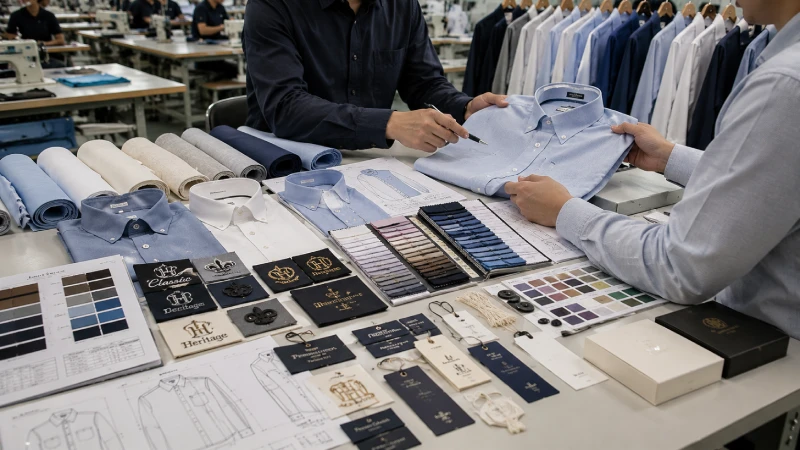
Evaluate Customization Capabilities
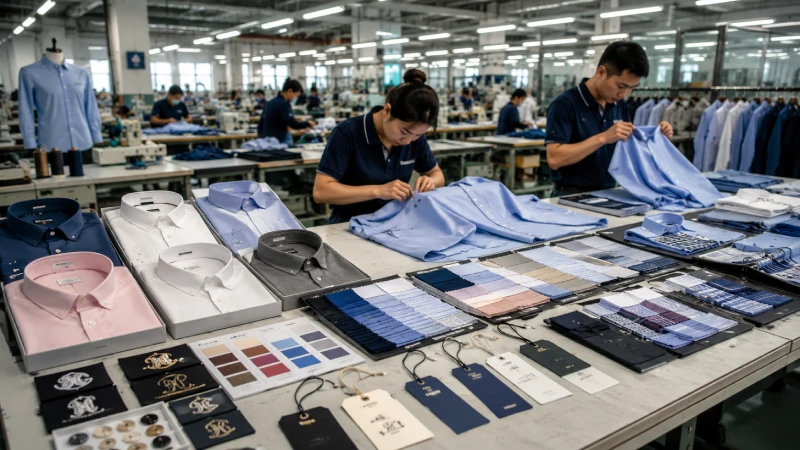
Not all manufacturers offer the same level of customization. Some factories only provide basic logo printing, while others can support custom embroidery, woven labels, hang tags, packaging, fabric dyeing, garment washing, and unique pattern development. Before choosing a supplier, verify whether they can accommodate your branding requirements and product vision.
Review Fabric Options and Sourcing Ability
Fabric is one of the most important factors affecting shirt quality and customer satisfaction. A strong manufacturer should offer multiple fabric choices such as cotton, linen, poplin, twill, Oxford, rayon blends, and sustainable materials. Manufacturers with extensive sourcing networks can also help brands develop unique products that stand out in competitive markets.
Assess Sampling and Product Development Support
A professional sampling process helps identify potential issues before bulk production begins. Look for manufacturers that provide prototype samples, fit samples, and pre-production samples. This is especially important for brands launching new collections or custom shirt designs.
Compare MOQ and Scalability
Minimum order quantity (MOQ) requirements vary significantly between manufacturers. Startups may prefer suppliers with lower MOQs, while larger brands should evaluate whether a factory can scale production as order volumes increase. The ideal partner should support both current needs and future growth.
Verify Quality Control Standards
Request detailed information about the factory’s quality control procedures. Reliable manufacturers conduct inspections throughout production, including fabric inspection, in-line quality checks, and final product verification. Consistent quality standards reduce returns and help protect your brand reputation.
Consider Communication and Lead Time Reliability
Even a highly capable factory can become difficult to work with if communication is slow or unclear. Evaluate how quickly the manufacturer responds to inquiries, provides quotations, and updates project timelines. Strong communication often reflects better project management and smoother long-term cooperation.
Ultimately, the best custom shirt manufacturer is one that balances customization flexibility, quality control, pricing, and production reliability while aligning with your brand’s goals and growth strategy.
Why Seetime Luxury Stands Out
Many custom shirt manufacturers can produce garments based on existing specifications, but fewer suppliers offer the level of flexibility needed to help brands create truly differentiated products. This is where Seetime Luxury stands apart from many factories in the market.
One of Seetime Luxury’s key strengths is its comprehensive customization capability. Instead of limiting buyers to standard shirt templates, the company supports a wide range of customization options, including custom fabrics, embroidery, printing techniques, garment washes, woven labels, hang tags, and branded packaging. This allows brands to develop products that better reflect their identity and target market.
Another advantage is fabric sourcing flexibility. While some manufacturers focus on a limited selection of materials, Seetime Luxury works with various fabric suppliers to provide options such as cotton, linen, Oxford fabric, poplin, twill, rayon blends, and sustainable textiles. This gives buyers greater control over product quality, appearance, and pricing.
The company also offers a balanced approach to MOQ requirements. Large factories often prioritize high-volume orders, making it difficult for startups and growing brands to access professional manufacturing services. Seetime Luxury provides more flexibility, allowing businesses to test new products and collections before committing to larger production runs.
In addition, Seetime Luxury combines OEM and ODM capabilities within a single manufacturing workflow. Buyers can either submit their own designs or collaborate with the factory to develop new products from concept to production. This is particularly valuable for brands that need technical support during product development.
For businesses seeking a reliable partner that can support customization, branding, product development, and future growth, Seetime Luxury offers a well-rounded manufacturing solution that goes beyond basic shirt production.
Common Mistakes When Choosing a Custom Shirt Manufacturer
Choosing a custom shirt manufacturer is a long-term business decision, yet many buyers focus on the wrong factors during the supplier selection process. Avoiding a few common mistakes can save significant time, money, and product development challenges later on.
Choosing Based Solely on Price
One of the most common mistakes is selecting a manufacturer simply because they offer the lowest quotation. While competitive pricing is important, extremely low prices often result in compromises in fabric quality, stitching consistency, printing durability, or overall workmanship. A slightly higher production cost can often deliver better long-term value and customer satisfaction.
Ignoring Fabric Quality and Specifications
Custom shirts are heavily influenced by fabric selection. Some buyers approve samples without thoroughly reviewing fabric composition, weight, shrinkage rates, or colorfastness. This can lead to inconsistent product quality and customer complaints after launch. Always request detailed fabric specifications before placing bulk orders.
Skipping the Sampling Process
Rushing directly into production without approving samples is a costly mistake. Sampling allows buyers to evaluate fit, sizing, embroidery placement, print quality, and overall garment construction. Investing in proper sample development helps identify problems before they affect an entire production run.
Overlooking Branding Details
Custom shirts are not only about the garment itself. Elements such as woven labels, hang tags, packaging, logo placement, and finishing details contribute significantly to brand perception. Failing to define these details early can result in products that look generic despite having custom designs.
Choosing a Factory That Cannot Scale
A manufacturer may be suitable for initial orders but struggle as your business grows. Buyers should evaluate not only current production capacity but also whether the supplier can support larger orders, additional product categories, and future expansion plans.
Poor Communication During Supplier Selection
Many production issues begin with communication problems. Slow responses, unclear quotations, and inconsistent information during the inquiry stage are often warning signs. Working with a manufacturer that communicates clearly and efficiently can greatly reduce delays and misunderstandings throughout the production process.
By carefully evaluating suppliers beyond price alone, brands can build stronger manufacturing partnerships and create custom shirt collections that support long-term business growth.
FAQ
What is the typical MOQ for custom shirt manufacturing?
The minimum order quantity varies depending on the manufacturer, fabric type, and customization requirements. Some factories accept orders as low as 50–100 pieces per style, while others may require 300–500 pieces or more. Brands that are just starting out should prioritize manufacturers that offer flexible MOQs and scalable production options.
Can I fully customize my shirts, including fabric, logo, and packaging?
Yes. Most professional custom shirt manufacturers provide a wide range of customization services. These typically include fabric selection, custom colors, embroidery, screen printing, woven labels, hang tags, size labels, and branded packaging. However, the level of customization varies between factories, so it’s important to confirm capabilities before starting development.
How long does it take to produce custom shirts?
Production timelines depend on order size, fabric sourcing requirements, and the complexity of customization. In most cases, sample development takes 1–3 weeks, while bulk production requires an additional 3–8 weeks after sample approval. Manufacturers may need more time during peak production seasons.
What should I ask for before placing a bulk order?
Before committing to bulk production, buyers should request product samples, fabric specifications, size charts, production timelines, quality control procedures, and detailed quotations. Reviewing these details in advance helps minimize misunderstandings and reduces the risk of costly production errors.
Which country is best for custom shirt manufacturing?
There is no single best country for every buyer. China remains one of the most popular choices due to its extensive supply chain, customization capabilities, and production capacity. Vietnam is often preferred for high-quality apparel manufacturing, while Pakistan can offer competitive pricing for custom garments. The best option depends on your budget, quality requirements, order volume, and customization needs.
Discuss Your Apparel Sourcing Requirements
Whether you're launching a startup clothing brand, expanding a streetwear label, or looking for a reliable OEM apparel manufacturer, speaking directly with an experienced production team can help you avoid costly sourcing mistakes.
Talk With Our Manufacturing TeamRelated Manufacturer Guides