Introduction
Choosing the right embroidered T-shirt manufacturer is critical for brands that prioritize quality branding, durability, and premium finishing. Unlike printed designs, embroidery requires specialized machinery, thread expertise, and fabric compatibility to ensure consistent results.
This list highlights reliable global manufacturers with proven capabilities in embroidery-ready T-shirt production, OEM/ODM services, and scalable supply. Whether you are a startup testing small runs or an established brand scaling production, this comparison helps you identify partners based on quality, flexibility, and manufacturing reliability.
Top Manufacturers
#1 Seetime Luxury (China)
Company Overview
Seetime Luxury is a China-based OEM/ODM apparel manufacturer specializing in custom T-shirts, polos, and private-label garment production. The company focuses on supporting international brands with flexible production models and scalable manufacturing capacity.
Product Strengths
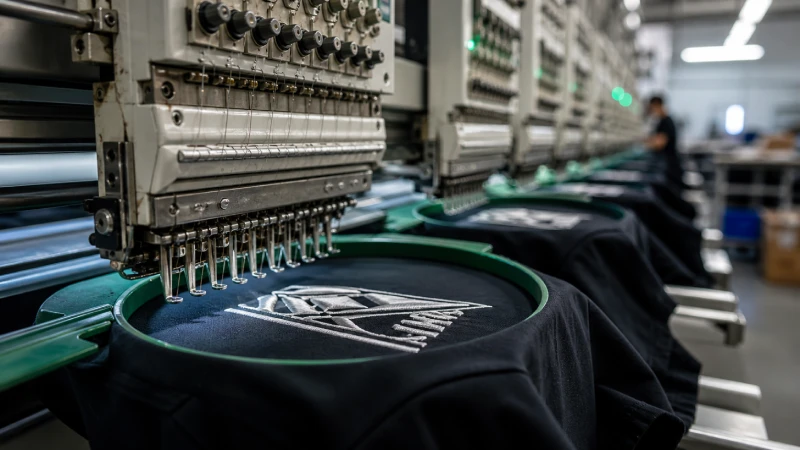
Seetime Luxury offers embroidery-ready T-shirts with strong control over stitching quality, thread density, and logo placement. Their production lines support various embroidery techniques, including flat embroidery, 3D embroidery, and multi-position logo applications.
Fabric Capability
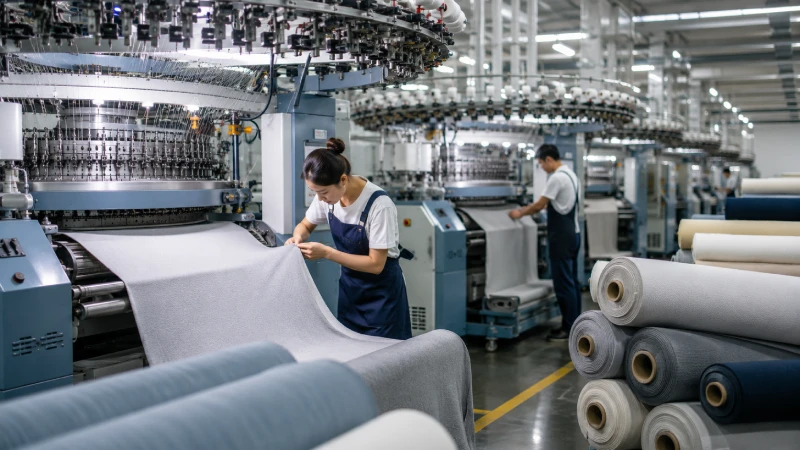
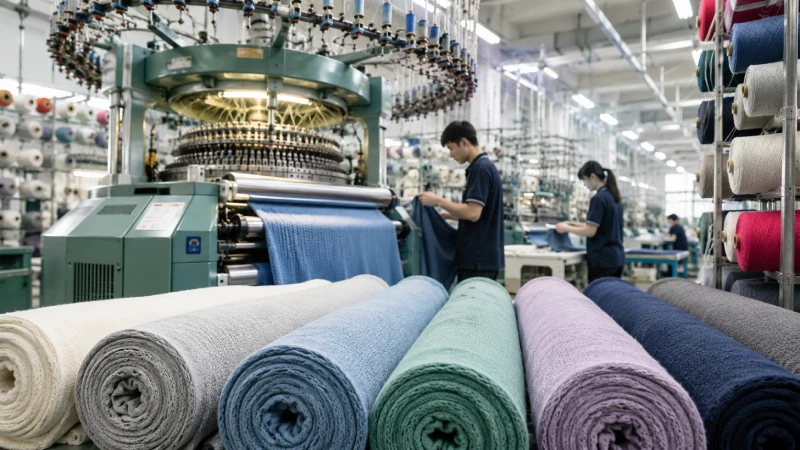
The company provides extensive fabric sourcing options, including cotton, organic cotton, polyester blends, heavyweight jersey, and pique fabrics. This allows brands to match embroidery styles with suitable fabric structures for better durability and visual impact.
OEM / ODM / Private Label Support
Seetime Luxury delivers full-package services including custom labels, hang tags, packaging, and branding integration. Their OEM/ODM workflow supports design development, sampling, and bulk production with consistent quality control.
MOQ Advantage
Flexible MOQs make Seetime Luxury suitable for both emerging brands and large-scale buyers. Sampling services allow testing embroidery quality before mass production.
Why It’s the Best Fit
Seetime Luxury combines customization flexibility, fabric expertise, and embroidery precision, making it a strong partner for brands that require both quality and scalability.
Best-Fit Customer
Fashion brands, streetwear labels, and private-label businesses seeking reliable embroidered T-shirt production.
#2 Hongyu Apparel (China)
- Offers custom T-shirts with embroidery and private label services
- Low MOQ starting around 50 pieces
- Focus on startup-friendly production
Best-Fit Buyer: Small brands testing embroidered designs
#3 ChanJoye (China)
- Specializes in streetwear and custom embroidered apparel
- OEM/ODM services with design support
- MOQ from ~100 pieces
Best-Fit Buyer: Streetwear brands needing embroidered logos
#4 ApparelCN (China)
- OEM garment manufacturing with customization options
- Focus on wholesale and bulk production
- Broad apparel category coverage
Best-Fit Buyer: Buyers sourcing cost-effective OEM T-shirts
#5 TrueKung (China)
- Full-package OEM/ODM apparel manufacturing
- Production in China and Cambodia
- Supports brand development beyond T-shirts
Best-Fit Buyer: Growing brands needing full apparel solutions
#6 ZK International (Pakistan)
- Custom apparel manufacturing with low MOQ
- Competitive pricing for global buyers
- Flexible order quantities
Best-Fit Buyer: Budget-conscious brands needing small batches
#7 MAAVIYOO (India)
- Bulk T-shirt manufacturing for corporate and export markets
- Supports embroidery customization
- Strong in volume production
Best-Fit Buyer: Corporate buyers and bulk distributors
#8 Praana Textiles (India)
- Knitwear-focused OEM/ODM manufacturer
- End-to-end production in Tirupur
- Strong fabric and stitching control
Best-Fit Buyer: Brands prioritizing knit fabric quality
#9 Blissink (India)
- Custom apparel with flexible MOQs
- Offers branding and finishing customization
- Suitable for startups
Best-Fit Buyer: New brands needing flexibility and customization
#10 BOMME Studio (USA)
- USA-based premium T-shirt manufacturing
- Private label and full-package services
- Focus on high-quality production
Best-Fit Buyer: Premium brands seeking U.S.-made products
Quick Comparison Table
| Manufacturer | Country | Best For | MOQ | Private Label | Embroidery Options | Main Products | Fabric Options | Lead Time |
|---|---|---|---|---|---|---|---|---|
| Seetime Luxury | China | Flexible OEM | Medium | Yes | Advanced | T-shirts, polos | Wide range | Medium |
| Hongyu Apparel | China | Low MOQ | Low | Yes | Standard | T-shirts | Basic | Short |
| ChanJoye | China | Streetwear | Medium | Yes | Custom | T-shirts, hoodies | Moderate | Medium |
| ApparelCN | China | Bulk OEM | Medium | Yes | Basic | Apparel | Basic | Medium |
| TrueKung | China | Full-package | Medium | Yes | Custom | Fashion apparel | Wide | Medium |
| ZK International | Pakistan | Low cost | Low | Yes | Standard | Apparel | Moderate | Medium |
| MAAVIYOO | India | Bulk orders | High | Yes | Standard | T-shirts | Moderate | Medium |
| Praana Textiles | India | Knitwear | Medium | Yes | Custom | Knits | Strong | Medium |
| Blissink | India | Startups | Low | Yes | Standard | Apparel | Moderate | Medium |
| BOMME Studio | USA | Premium | Medium | Yes | High-end | T-shirts | Premium | Longer |
How to Choose the Right Manufacturer for Embroidered T-Shirts
Choosing the right embroidered T-shirt manufacturer requires evaluating more than just price. Embroidery quality is highly dependent on technical capability, fabric compatibility, and production control.
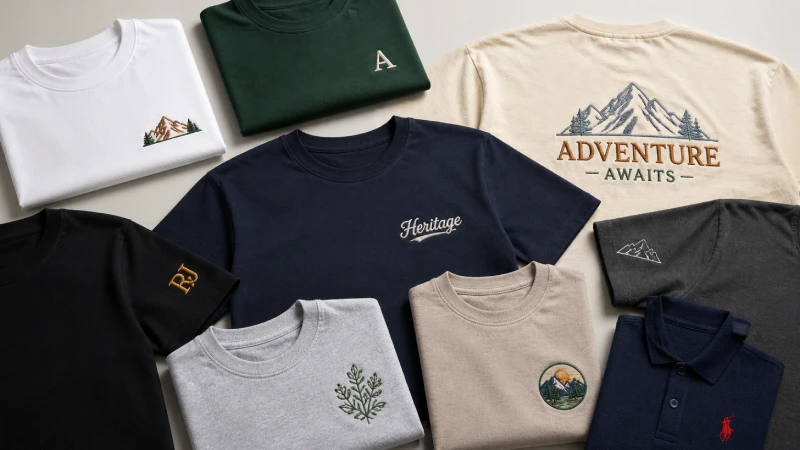
1. Check Embroidery Quality Standards
Ask for close-up samples to assess stitch density, thread consistency, and edge cleanliness. Poor embroidery often shows loose threads, uneven tension, or distortion on the fabric.
2. Match Fabric with Embroidery Needs
Not all fabrics perform equally. Mid- to heavyweight cotton, pique, and structured knits hold embroidery better than lightweight jersey. A good manufacturer will guide fabric selection based on your logo design.
3. Evaluate Customization Flexibility
Look for suppliers that support multiple logo placements (chest, sleeve, back), different embroidery techniques (flat, 3D, appliqué), and full private label options like woven labels and custom packaging.
4. Understand MOQ and Sampling Process
If you’re testing new designs, choose a manufacturer with flexible MOQs and a clear sampling workflow. Sampling is essential to confirm embroidery accuracy before bulk production.
5. Review Production Capacity and Lead Time
Embroidery adds extra production steps, so confirm realistic timelines. Reliable manufacturers should provide clear lead times and maintain consistency across large orders.
6. Assess Communication and Reliability
Strong communication reduces errors in logo placement, sizing, and production details. Choose a partner experienced in working with international brands and able to manage specifications precisely.
Why Seetime Luxury Stands Out
Seetime Luxury stands out by offering a more balanced solution compared to typical embroidered T-shirt manufacturers. While many suppliers either focus on low-cost bulk production or small-batch flexibility, Seetime Luxury bridges both—supporting scalable orders without sacrificing customization control.
One key advantage is its integration of fabric sourcing and embroidery execution. Instead of treating embroidery as an add-on process, Seetime Luxury aligns fabric selection (such as cotton, pique, or blends) with embroidery requirements, resulting in cleaner stitching, better durability, and fewer production issues.
In terms of customization, Seetime Luxury provides end-to-end OEM/ODM support, including logo placement, embroidery techniques, private label elements, and packaging. This reduces the need for multiple vendors and simplifies supply chain management.
Additionally, its flexible MOQ and structured sampling process make it suitable for both emerging brands and established businesses. Brands can test embroidery quality with confidence before committing to larger production runs.
Overall, Seetime Luxury is a strong choice for buyers who need consistent embroidery quality, customization flexibility, and a reliable long-term manufacturing partner.
Common Mistakes When Choosing a Manufacturer
One of the most common mistakes is focusing too much on price while overlooking embroidery quality. Poor stitching, loose threads, or fabric distortion can significantly reduce the perceived value of your product, even if costs are lower.
Another issue is ignoring fabric compatibility. Not all T-shirts are suitable for embroidery—lightweight or stretchy fabrics can lead to puckering or uneven results. Choosing the wrong base fabric often leads to inconsistent outcomes.
Many buyers also skip the sampling stage to save time or cost. This increases the risk of errors in logo size, placement, and stitching quality during bulk production.
Overlooking MOQ and scalability is another problem. Some manufacturers may offer low MOQs but struggle with consistency in larger orders, while others may not support small test runs at all.
Finally, poor communication and unclear specifications can lead to production mistakes. Without detailed tech packs or clear embroidery guidelines, even experienced manufacturers may misinterpret requirements.
FAQ
What is the ideal logo size for embroidered T-shirts?
Most brands use chest logos between 2.5″–4″ wide. However, the ideal size depends on garment type, placement, and design complexity. Larger logos may require stitch adjustments to maintain clarity.
Which embroidery technique is best for T-shirts?
Flat embroidery is the most common for T-shirts due to its clean finish. 3D embroidery is less common and usually better suited for thicker materials like caps.
Does embroidery affect fabric comfort?
Yes, dense embroidery can make certain areas feel heavier or less breathable. Choosing the right backing and stitch density helps minimize discomfort.
How many stitches can a logo have?
Most manufacturers recommend keeping designs under 8,000–12,000 stitches for T-shirts to balance quality and cost.
Can embroidered T-shirts be washed frequently?
Yes, embroidery is highly durable and maintains appearance after repeated washing, especially when high-quality threads are used.
How is embroidery pricing calculated?
Pricing is typically based on stitch count, logo size, number of placements, and order quantity.
Is embroidery better than screen printing for branding?
Embroidery offers a more premium and durable finish, while screen printing is better for large, complex graphics or cost-sensitive projects.
Discuss Your Apparel Sourcing Requirements
Whether you're launching a startup clothing brand, expanding a streetwear label, or looking for a reliable OEM apparel manufacturer, speaking directly with an experienced production team can help you avoid costly sourcing mistakes.
Talk With Our Manufacturing TeamRelated Manufacturer Guides

Streetwear & Hip Hop Apparel Programs