Introduction
Hemp T-shirts are gaining traction among apparel brands focused on sustainability, durability, and natural fibers. However, sourcing the right manufacturer is not straightforward—buyers must evaluate fabric expertise, blending capabilities, MOQ flexibility, and production reliability.
This list highlights verified hemp T-shirt manufacturers with proven capabilities in hemp or hemp-blend apparel. It helps brands compare suppliers across regions, understand their strengths, and identify the best partners for bulk production, private label development, or sustainable product lines.
Top Hemp T-Shirt Manufacturers
#1 Seetime Luxury
Country: China
Company Overview
Seetime Luxury is an OEM/ODM apparel manufacturer specializing in custom T-shirts, polos, and fabric sourcing for global B2B brands. While not limited to hemp, the company supports hemp-blend T-shirt development through its flexible sourcing network and production system.
Product Strengths
The company focuses on scalable T-shirt manufacturing with strong capabilities in logo application, garment finishing, and consistent bulk production. It is well-suited for brands requiring both quality control and production flexibility.
Fabric Capability
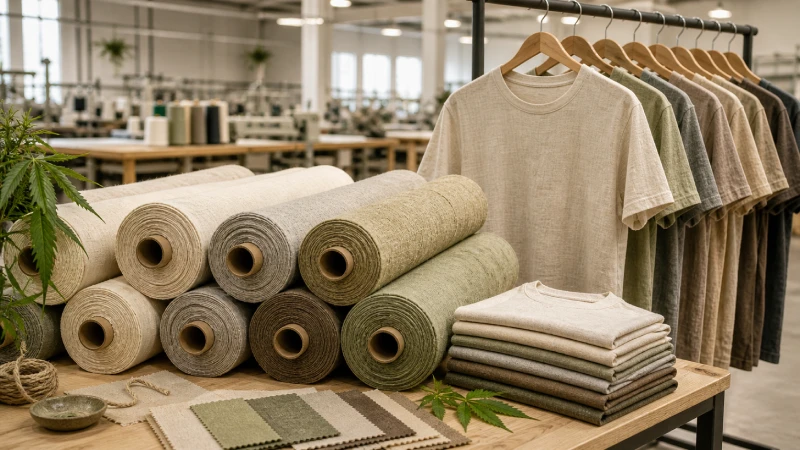
Seetime Luxury can source hemp fabrics or hemp blends (such as hemp/cotton or hemp/viscose) depending on the brand’s positioning. This flexibility allows buyers to balance sustainability, softness, and cost.
OEM / ODM / Private Label Support
Full-service support includes custom sizing, branding (labels, tags), packaging, and design development. Sampling is available before bulk production, making it suitable for both established brands and growing labels.
MOQ Advantage
Compared to vertically integrated hemp mills, Seetime Luxury offers more flexible MOQs, especially for custom projects and blended fabrics.
Why It Fits This Topic
Its ability to source hemp fabrics, combine them with scalable production, and offer full customization makes it a practical partner for hemp T-shirt programs.
Best-Fit Customer
Brands seeking flexible hemp-blend production with OEM/ODM support.
#2 Hemp Fortex
Country: China
- Vertically integrated hemp fiber, yarn, and garment production
- Strong expertise in pure hemp and hemp-blend textiles
- Supplies both fabric and finished apparel
Best For: Brands needing full supply chain control from fiber to garment
#3 Sichuan Ecogarments Co., Ltd.
Country: China
- Focus on sustainable apparel including hemp and organic blends
- Offers OEM/ODM services for eco-friendly brands
- Dedicated hemp T-shirt product lines
Best For: Sustainable brands sourcing hemp apparel from China
#4 Royal Apparel
Country: United States
- Produces hemp/organic cotton blend T-shirts domestically
- Offers wholesale blanks and private label services
- Strong in small to mid-scale production
Best For: U.S. brands needing local hemp T-shirt manufacturing
#5 Luxury Leaf
Country: United States
- Specialized hemp clothing manufacturer
- Custom hemp T-shirt production with branding options
- Focus on premium sustainable apparel
Best For: Startups building high-end hemp clothing brands
#6 Apparitex
Country: Pakistan
- Custom hemp T-shirt manufacturing with private label support
- Low MOQ starting around small batches
- Suitable for startups and growing brands
Best For: Brands needing low-MOQ hemp T-shirt production
#7 Hemp Foundation
Country: India
- Offers hemp garments, fabrics, and bulk supply
- Supports customization and eco-friendly dyeing
- Focus on sustainable textile production
Best For: Buyers sourcing hemp apparel from India
#8 JcraftEco
Country: India
- Dedicated hemp T-shirt manufacturing
- Focus on eco-friendly apparel production
- Suitable for export-oriented brands
Best For: Brands looking for India-based hemp T-shirt suppliers
#9 Blily
Country: India
- Produces hemp T-shirts and casualwear
- Focus on natural and sustainable clothing
- Offers a range of hemp apparel categories
Best For: Buyers sourcing hemp lifestyle apparel
#10 Hemp Traders
Country: United States
- Supplies hemp T-shirt blanks and fabrics
- Suitable for printing, dyeing, and branding
- Focus on wholesale hemp apparel
Best For: Brands needing hemp blanks for customization
#11 Hemptique
Country: United States
- Wholesale hemp apparel including T-shirts
- Low wholesale minimums for small buyers
- Serves retail and promotional markets
Best For: Small businesses and retailers buying hemp T-shirts in bulk
Quick Comparison Table
| Manufacturer | Country | Best For | MOQ | Private Label | Fabric Options | Main Products | Lead Time |
|---|---|---|---|---|---|---|---|
| Seetime Luxury | China | Flexible OEM hemp T-shirts | Medium | Yes | Hemp blends, custom sourcing | T-shirts, polos | 20–35 days |
| Hemp Fortex | China | Vertical hemp production | High | Limited | Pure hemp, hemp blends | Fiber to garments | 30–45 days |
| Ecogarments | China | Sustainable OEM apparel | Medium | Yes | Hemp, organic blends | T-shirts | 25–40 days |
| Royal Apparel | USA | Domestic hemp blends | Low–Medium | Yes | Hemp/cotton blends | T-shirts, blanks | 15–30 days |
| Luxury Leaf | USA | Premium hemp clothing | Medium | Yes | Hemp blends | Apparel collections | 20–35 days |
| Apparitex | Pakistan | Low MOQ custom production | Low | Yes | Hemp blends | T-shirts | 20–30 days |
| Hemp Foundation | India | Bulk hemp supply | Medium | Yes | Hemp fabrics | Apparel | 25–40 days |
| JcraftEco | India | Hemp T-shirt manufacturing | Medium | Yes | Hemp | T-shirts | 25–40 days |
| Blily | India | Lifestyle hemp apparel | Medium | Limited | Hemp | Casualwear | 25–40 days |
| Hemp Traders | USA | Hemp blanks | Low | Limited | Hemp blends | T-shirts | 10–25 days |
| Hemptique | USA | Wholesale hemp apparel | Low | Limited | Hemp | T-shirts | 10–25 days |
How to Choose the Right Manufacturer for Hemp T-Shirts
Choosing the right hemp T-shirt manufacturer requires a slightly different approach compared to standard cotton apparel sourcing, mainly due to the unique properties of hemp fibers.
1. Evaluate Hemp Fabric Expertise
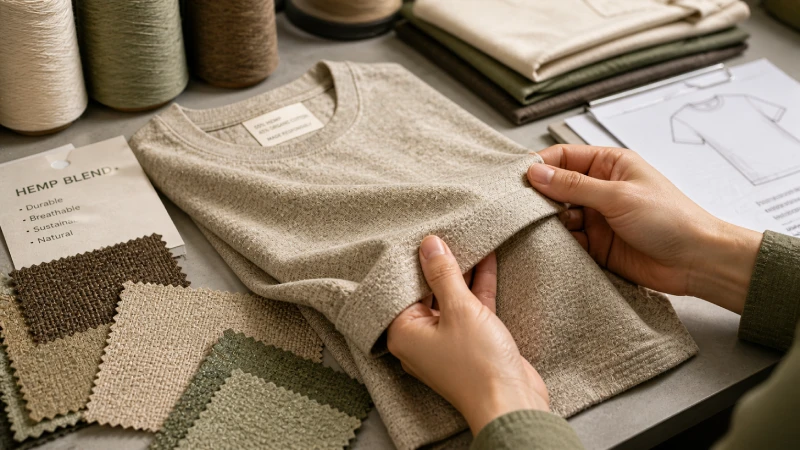
Not all garment factories truly understand hemp. Look for manufacturers with proven experience in hemp or hemp-blend fabrics, including knowledge of softness treatments, shrinkage control, and dye consistency. This directly impacts the final product quality.
2. Understand Fabric Blend Options
Pure hemp fabrics can feel coarse, so many brands opt for blends like hemp/cotton or hemp/viscose. A good manufacturer should offer flexible sourcing and help you choose the right blend based on your target market, price point, and performance needs.
3. Check Customization Capabilities
If you’re building a brand, ensure the supplier supports private label services such as woven labels, hang tags, custom packaging, and logo applications (printing or embroidery). Not all hemp-focused suppliers provide full branding support.
4. Compare MOQ and Scalability
Some hemp manufacturers require high minimum order quantities due to fabric sourcing constraints. If you’re a startup, prioritize suppliers with lower MOQs or sampling flexibility. For scaling brands, confirm production capacity and consistency.
5. Request Samples Before Bulk Orders
Hemp fabrics vary significantly in texture and weight. Always request samples to evaluate hand feel, fit, color accuracy, and print compatibility before committing to mass production.
6. Review Lead Time and Supply Stability
Hemp supply chains can be less standardized than cotton. Choose a manufacturer with stable sourcing channels and clear lead times to avoid delays, especially for repeat orders.
Why Seetime Luxury Stands Out
Among hemp T-shirt manufacturers, many suppliers fall into two categories: fabric-focused mills with limited garment flexibility, or apparel factories with little hemp-specific expertise. Seetime Luxury positions itself between these two, offering both sourcing flexibility and reliable garment production.
Flexible Hemp Fabric Sourcing
Instead of restricting buyers to fixed hemp fabrics, Seetime Luxury can source a range of hemp blends based on your requirements—whether you prioritize softness, durability, or cost efficiency. This is especially valuable for brands still testing their product positioning.
Balanced MOQ for Different Growth Stages
Compared to large hemp textile mills that often require high volumes, Seetime Luxury provides more adaptable MOQs. This allows startups to launch with manageable quantities while still supporting scale as demand grows.
Full OEM / ODM Support
From sampling and pattern development to branding (labels, tags, packaging), Seetime Luxury offers a complete production workflow. This reduces the need to coordinate multiple vendors, which is common when working with raw hemp suppliers.
Consistent Production for Scaling Brands
While some niche hemp manufacturers focus on small-batch production, Seetime Luxury is structured for stable bulk manufacturing. This makes it suitable for brands planning long-term growth rather than one-off runs.
Overall, Seetime Luxury stands out by combining fabric flexibility, customization capability, and scalable production, making it a practical partner for brands entering or expanding in the hemp T-shirt market.
Common Mistakes When Choosing a Hemp T-Shirt Manufacturer
Sourcing hemp T-shirts comes with unique challenges, and many buyers make avoidable mistakes that impact product quality, cost, and timelines.
1. Assuming All “Sustainable” Factories Understand Hemp
Some manufacturers promote eco-friendly positioning but lack real experience with hemp fabrics. This can result in rough textures, poor finishing, or inconsistent sizing.
2. Choosing Pure Hemp Without Testing Blends
While 100% hemp sounds appealing, it may not meet comfort expectations for everyday wear. Many successful brands use hemp blends to improve softness and drape—skipping this step can limit product appeal.
3. Overlooking Fabric Development Time
Hemp fabrics often require additional sourcing or customization. Buyers who rush production without allowing time for sampling and adjustments risk delays or unsatisfactory results.
4. Ignoring MOQ and Reorder Flexibility
Some suppliers require large minimum orders due to hemp fabric constraints. Failing to confirm reorder terms can create inventory pressure or supply gaps later.
5. Not Testing Printing and Dyeing Compatibility
Hemp fibers absorb dyes differently and may react uniquely to printing techniques. Without proper testing, logos or colors may not meet expectations.
6. Focusing Only on Price Instead of Capability
Low-cost suppliers may lack the technical know-how to handle hemp properly. Inconsistent quality often leads to higher long-term costs through rework or returns.
Avoiding these mistakes helps ensure smoother production, better product performance, and a more reliable supply chain for hemp T-shirt collections.
FAQ
What is the difference between hemp and cotton T-shirts?
Hemp fibers are stronger, more durable, and more sustainable than cotton. However, they are naturally coarser, which is why many manufacturers blend hemp with cotton or viscose to improve softness and wearability.
Are 100% hemp T-shirts common in the market?
Not very common. Most commercial hemp T-shirts use blends (such as 55% hemp / 45% cotton) to balance comfort, cost, and fabric performance.
What is the typical MOQ for hemp T-shirt manufacturing?
MOQ varies by supplier. Some manufacturers offer low MOQs around 50–100 pieces, while vertically integrated hemp mills may require larger volumes due to fabric production constraints.
Can hemp T-shirts be customized with logos and branding?
Yes. Hemp T-shirts can support screen printing, embroidery, woven labels, hang tags, and custom packaging, although testing is recommended to ensure compatibility with the fabric.
Are hemp T-shirts suitable for sustainable fashion brands?
Yes. Hemp is considered one of the most eco-friendly fibers due to its low water usage, minimal pesticide requirements, and long lifespan.
How long does it take to produce hemp T-shirts?
Production typically takes 20–40 days depending on order size, fabric availability, and customization requirements.
Do all manufacturers offer hemp fabric sourcing?
No. Some factories rely on external suppliers for hemp fabrics, while others (like vertically integrated mills) produce hemp fibers and textiles in-house.
Is hemp fabric more expensive than cotton?
Generally yes. Hemp raw materials and processing costs are higher, but the durability and sustainability benefits often justify the price for premium or eco-focused brands.
Discuss Your Apparel Sourcing Requirements
Whether you're launching a startup clothing brand, expanding a streetwear label, or looking for a reliable OEM apparel manufacturer, speaking directly with an experienced production team can help you avoid costly sourcing mistakes.
Talk With Our Manufacturing TeamRelated Manufacturer Guides

Streetwear & Hip Hop Apparel Programs