Introduction
Finding a reliable high quality polo shirt manufacturer is not only about price. Buyers also need to evaluate fabric consistency, stitching quality, collar durability, customization capability, production scalability, and communication efficiency. The right supplier can directly impact product quality, customer satisfaction, and long-term brand growth.
This guide compares some of the most recognized polo shirt manufacturers across China, Vietnam, Bangladesh, Pakistan, and the United States. The list focuses on companies with proven apparel manufacturing experience, OEM/ODM capability, and strong polo shirt production backgrounds. Whether you are building a premium fashion label, sourcing uniforms, or expanding a private label apparel business, this comparison helps simplify the supplier selection process.
Top Manufacturers
#1 Seetime Luxury (China)
Company Overview
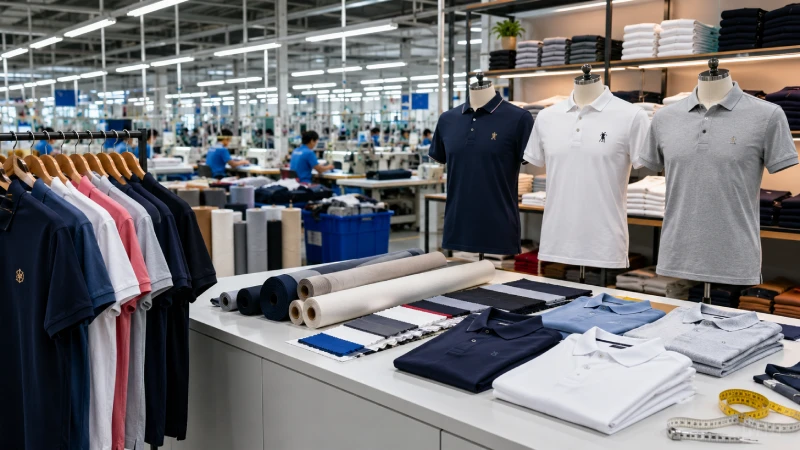
Seetime Luxury is a China-based OEM/ODM apparel manufacturer specializing in high quality polo shirts, T-shirts, and custom fashion production for global apparel brands. The company supports both established businesses and growing private label brands with flexible manufacturing solutions and fabric sourcing support.
Product Strengths
- Premium polo shirt manufacturing with embroidery, printing, and custom trims
- Supports fashion polos, corporate polos, sports polos, oversized fits, and luxury casualwear
- Strong experience in custom color matching and logo applications
- Flexible production for both startup brands and large-volume buyers
Fabric Capability
Seetime Luxury works with a wide range of polo fabrics, including:
- Cotton pique
- Cotton-spandex blends
- Mercerized cotton
- Polyester performance fabrics
- Bamboo blends
- Moisture-wicking sports fabrics
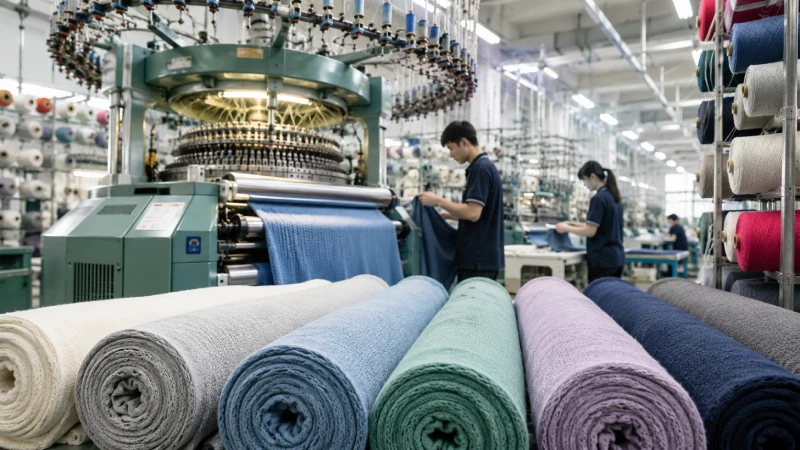
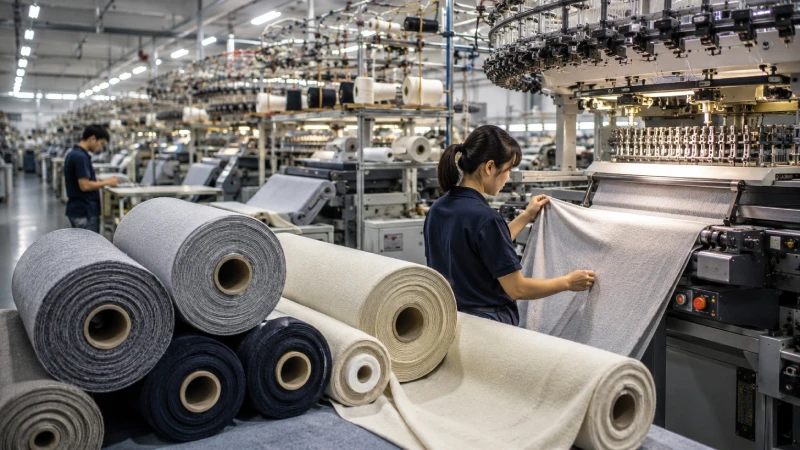
The company also supports GSM customization, fabric washing, dyeing, anti-pilling treatments, and collar structure development.
OEM / ODM / Private Label Support
- Custom woven labels
- Hang tags and packaging
- Embroidery and screen printing
- Tech pack development
- Sampling services
- Full OEM/ODM production support
MOQ Advantage
Compared with many large-scale factories, Seetime Luxury offers relatively flexible MOQ options, making it suitable for brands testing new polo collections or running multiple color variations.
Why Seetime Luxury Is the Best Fit for This Topic
Seetime Luxury combines customization flexibility, strong fabric sourcing capability, and scalable manufacturing support. Unlike factories focused only on large-volume basics, the company supports both premium branding and practical production flexibility, which is important for buyers seeking high quality polo shirt manufacturing rather than simple commodity sourcing.
Best-Fit Customer
- Fashion brands
- Premium private label startups
- Corporate apparel companies
- Sportswear brands
- Boutique clothing businesses
#2 Thygesen Textile Vietnam (Vietnam)
- OEM/ODM polo shirt manufacturing with strong quality control
- Experienced in knitwear and performance apparel production
- Focuses on fabric consistency and export manufacturing
Best-Fit Buyer Type: Brands seeking Vietnam-based premium apparel production.
#3 Esquel Group (Hong Kong / China)
- Vertically integrated textile and garment manufacturer
- Strong reputation in premium cotton apparel production
- Large-scale manufacturing capability for global brands
Best-Fit Buyer Type: Established premium apparel companies.
#4 Crystal International Group (Hong Kong)
- Large global apparel manufacturing group
- Diversified production across sportswear and lifestyle apparel
- Strong production scalability and sourcing network
Best-Fit Buyer Type: Large international brands with high-volume demand.
#5 Square Fashions Ltd. (Bangladesh)
- Specializes in knit garments including polo shirts
- Strong export-oriented manufacturing capacity
- Produces men’s, women’s, and kids’ polo products
Best-Fit Buyer Type: Buyers sourcing bulk knit polos from Bangladesh.
#6 Texasia (Bangladesh)
- Provides custom polo manufacturing and private label support
- Offers embroidery, printing, and packaging customization
- Flexible production structure for apparel brands
Best-Fit Buyer Type: Private label polo shirt businesses.
#7 Easson Apparel (China)
- OEM/ODM polo shirt production for wholesalers and brands
- Supports custom fabrics, trims, and branding
- Focused on export apparel manufacturing
Best-Fit Buyer Type: Buyers needing flexible OEM polo manufacturing.
#8 Argus Apparel (United States)
- USA-based private label apparel manufacturer
- Supports custom polos and uniform programs
- Offers low MOQ options for certain projects
Best-Fit Buyer Type: American brands preferring domestic sourcing.
#9 Zega Apparel (Pakistan / United States)
- Custom polo manufacturing with private label capability
- Supports startup apparel brands and small-batch production
- Provides branding and decoration services
Best-Fit Buyer Type: Startup clothing brands and boutique labels.
#10 Mingxing Clothing (China)
- China-based OEM apparel manufacturer
- Produces polo shirts, T-shirts, and casualwear
- Offers embroidery and printing customization
Best-Fit Buyer Type: Brands sourcing cost-effective custom polos from China.
Quick Comparison Table
| Manufacturer | Country | Best For | MOQ Flexibility | Private Label Support | Fabric Options | Main Products | Lead Time |
|---|---|---|---|---|---|---|---|
| Seetime Luxury | China | Flexible premium custom polos | Flexible | Strong | Wide | Polo shirts, fashion apparel | Medium |
| Thygesen Textile Vietnam | Vietnam | OEM knitwear production | Medium | Yes | Performance fabrics | Polo shirts, activewear | Medium |
| Esquel Group | Hong Kong / China | Premium large-scale production | Higher MOQ | Limited OEM focus | Premium cotton | Shirts, polos | Longer |
| Crystal International | Hong Kong | Global-scale apparel sourcing | Higher MOQ | Yes | Diversified | Lifestyle apparel | Medium-Long |
| Square Fashions | Bangladesh | Bulk knit apparel | Medium | Yes | Knit fabrics | Polo shirts | Medium |
| Texasia | Bangladesh | Private label polos | Flexible | Strong | Custom fabrics | Polo shirts | Medium |
| Easson Apparel | China | OEM custom apparel | Flexible | Strong | Multiple blends | Polos, T-shirts | Medium |
| Argus Apparel | United States | Domestic production | Lower MOQ | Yes | Standard blends | Uniform polos | Short |
| Zega Apparel | Pakistan / USA | Startup-friendly production | Low | Strong | Multiple fabrics | Custom polos | Medium |
| Mingxing Clothing | China | Cost-effective sourcing | Flexible | Yes | Standard knit fabrics | Casual apparel | Medium |
How to Choose the Right Manufacturer for High Quality Polo Shirts
Choosing the right high quality polo shirt manufacturer requires more than comparing prices. Buyers should focus on overall production reliability, fabric consistency, customization capability, and long-term cooperation potential. A factory that produces basic low-cost polos may not be suitable for brands targeting premium retail, uniforms, sportswear, or fashion markets.
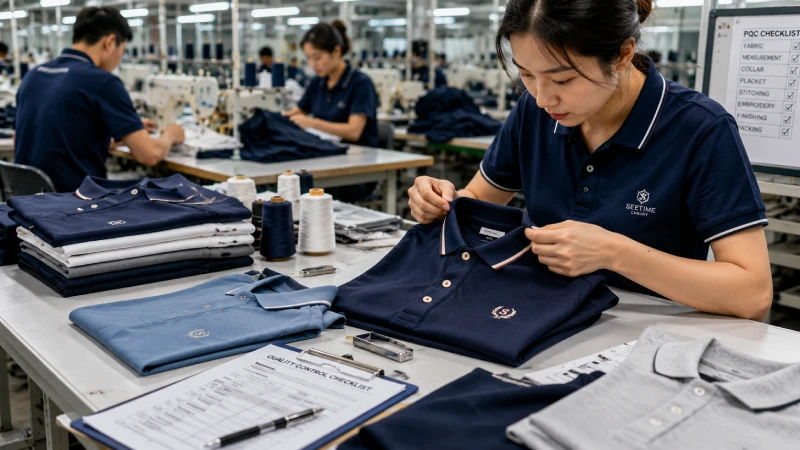
One of the first things to evaluate is fabric quality. High quality polo shirts usually rely on durable fabrics such as cotton pique, mercerized cotton, combed cotton blends, or moisture-wicking performance materials. Buyers should ask suppliers about fabric GSM, shrinkage control, colorfastness, anti-pilling treatment, and washing performance before approving bulk production.
Construction quality is equally important. Polo collars, cuffs, plackets, and stitching often determine whether the garment maintains its shape after repeated wear. Reviewing detailed samples helps buyers identify issues like weak collars, uneven stitching, poor embroidery finishing, or inconsistent sizing.
Customization capability also plays a major role. Some manufacturers only offer standard production, while others support custom dyeing, embroidery, logo placement, woven labels, hang tags, packaging, and OEM/ODM development. Brands planning long-term product differentiation should prioritize suppliers with stronger customization support.
MOQ flexibility and communication efficiency should not be overlooked either. Large factories may offer lower unit pricing but require high minimum orders, while more flexible manufacturers can better support startups, seasonal collections, or test runs. Clear communication during sampling and production is often a strong indicator of how smoothly future orders will operate.
Finally, buyers should compare lead times, production experience, export capability, and previous polo shirt manufacturing projects before selecting a long-term manufacturing partner.
Why Seetime Luxury Stands Out
Many polo shirt manufacturers focus mainly on large-volume basic production, which can limit flexibility for brands that require custom fabrics, detailed branding, or smaller development runs. Seetime Luxury stands out by combining scalable manufacturing capability with a more customization-focused production approach.
One of the company’s main advantages is its flexibility across different polo shirt categories. Instead of producing only standard corporate polos, Seetime Luxury supports fashion polos, oversized fits, sports polos, promotional apparel, and premium retail collections. This makes the company suitable for a wider range of buyers, from startup labels to established apparel brands.
Fabric sourcing is another important differentiator. Seetime Luxury works with multiple fabric types, including cotton pique, cotton-spandex blends, performance polyester, bamboo fabrics, and mercerized cotton. Buyers can also request customized GSM, dyeing methods, embroidery applications, washing effects, and finishing treatments depending on the target market.
Compared with some larger factories that prioritize only high-volume orders, Seetime Luxury offers more flexible MOQ structures and product development support. This is especially useful for brands launching new collections, testing seasonal colors, or building private label programs with multiple design variations.
The company also provides broader OEM/ODM support, including woven labels, hang tags, packaging customization, embroidery, printing, and sampling services. For buyers looking for a balance between quality, customization, and production flexibility, Seetime Luxury offers a more adaptable manufacturing solution than many traditional bulk-focused suppliers.
Common Mistakes When Choosing a Manufacturer
Many buyers focus heavily on pricing when selecting a polo shirt manufacturer, but this often leads to quality inconsistencies and production problems later. High quality polo shirts require stable fabric sourcing, accurate sizing, durable collar construction, and reliable finishing processes. Choosing a supplier based only on the lowest quotation can increase the risk of shrinkage issues, poor stitching, fading colors, or delayed production timelines.
Another common mistake is ignoring fabric details during the sampling stage. Buyers sometimes approve samples without reviewing GSM, fabric composition, wash performance, or anti-pilling treatment. Even small differences in fabric quality can significantly affect the final product appearance and customer satisfaction.
Some brands also underestimate the importance of customization capability. A manufacturer may offer polo shirt production but lack strong embroidery, printing, packaging, or private label support. This becomes a problem when brands want to scale product collections or create more differentiated designs.
Failing to verify MOQ structure is another issue. Some suppliers advertise low MOQ options but increase costs heavily for custom colors, fabrics, or trims. Buyers should confirm how MOQ changes based on customization requirements before moving into bulk production.
Communication quality is equally important. Slow sample revisions, unclear production updates, and inconsistent responses are often warning signs of future manufacturing problems. Reliable communication during the early stages usually reflects how stable the long-term partnership will be.
Finally, many buyers skip factory background checks entirely. Reviewing previous polo shirt projects, export experience, certifications, and production specialization can help avoid working with suppliers that mainly produce unrelated apparel categories.
FAQ
What makes a polo shirt manufacturer “high quality”?
A high quality polo shirt manufacturer usually demonstrates strong fabric sourcing capability, stable stitching quality, durable collar construction, consistent sizing control, and reliable production management. Manufacturers with OEM/ODM experience and long-term export capability are often better equipped to maintain quality consistency across bulk orders.
What fabrics are commonly used for premium polo shirts?
Cotton pique remains one of the most popular options for premium polo shirts because of its texture, breathability, and durability. Other common fabrics include mercerized cotton, cotton-spandex blends, polyester performance fabrics, bamboo blends, and moisture-wicking sports materials. The best fabric depends on the target market and intended product positioning.
What is the normal MOQ for custom polo shirt manufacturing?
MOQ varies depending on the manufacturer, fabric type, and customization complexity. Many OEM apparel factories start around 100–300 pieces per design or color, while highly customized projects may require larger minimums. Some manufacturers also offer lower MOQ support for sampling or startup brands.
Can manufacturers provide private label polo shirt services?
Yes. Most professional polo shirt manufacturers offer private label support such as woven labels, custom hang tags, packaging, embroidery, logo printing, and OEM/ODM production services. Buyers should confirm these capabilities before starting product development.
Which countries are best for polo shirt manufacturing?
China, Vietnam, Bangladesh, and Pakistan are among the strongest sourcing regions for polo shirts. China is often preferred for customization flexibility and fabric sourcing, Vietnam for stable production quality, Bangladesh for cost-effective bulk manufacturing, and Pakistan for competitive knit apparel production.
How long does polo shirt production usually take?
Sample development commonly takes 7–14 days depending on customization requirements. Bulk production timelines are often between 25–45 days after sample approval and fabric confirmation. Production schedules can vary based on order volume and seasonal demand.
What should buyers check before placing a bulk order?
Buyers should carefully review fabric quality, shrinkage performance, stitching consistency, collar durability, sizing accuracy, embroidery quality, and packaging standards. Requesting pre-production samples and confirming production timelines can help reduce manufacturing risks.
Is OEM or ODM manufacturing better for polo shirt brands?
OEM manufacturing is suitable for brands with their own designs and specifications, while ODM production is more suitable for buyers using existing factory-developed styles with limited modifications. The better option depends on the brand’s development strategy, budget, and customization needs.
Discuss Your Apparel Sourcing Requirements
Whether you're launching a startup clothing brand, expanding a streetwear label, or looking for a reliable OEM apparel manufacturer, speaking directly with an experienced production team can help you avoid costly sourcing mistakes.
Talk With Our Manufacturing TeamRelated Manufacturer Guides