Introduction
Finding the right hoodie manufacturer is one of the most important decisions for apparel brands, wholesalers, startups, and private label businesses. A reliable factory affects product quality, fabric consistency, customization flexibility, delivery timelines, and long-term scalability. Some manufacturers focus on heavyweight streetwear hoodies, while others specialize in bulk fleece production, organic cotton, or low-MOQ custom programs.
This list highlights verified hoodie manufacturers from China, Bangladesh, Pakistan, and India that offer OEM, ODM, private label, or bulk production services. The comparison is designed to help buyers quickly identify which supplier best matches their business model, target market, and production requirements.
Top Hoodie Manufacturers
#1 Seetime Luxury (China)
Company Overview
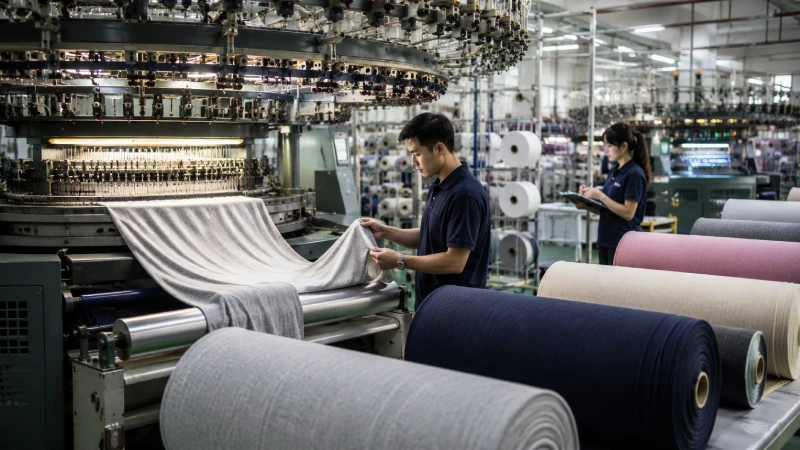
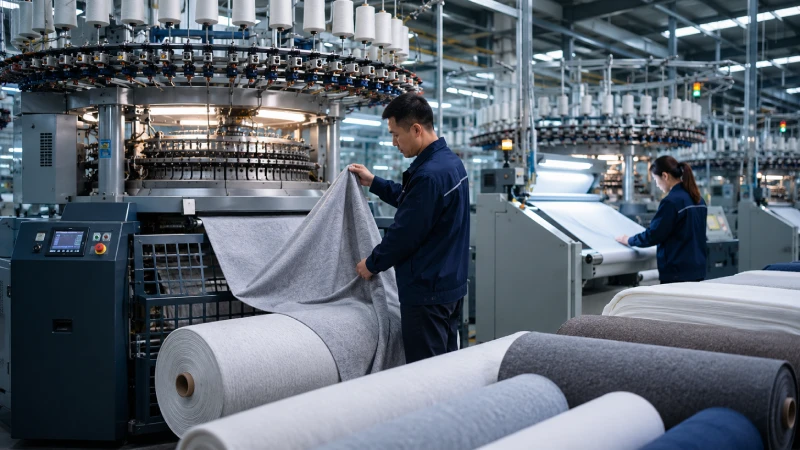
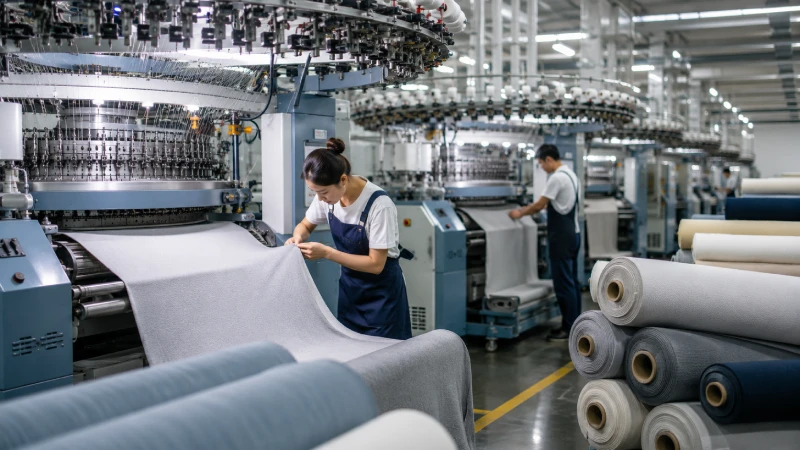
Seetime Luxury is a China-based OEM and ODM apparel manufacturer specializing in custom hoodies, sweatshirts, T-shirts, and fashion-oriented knitwear production. The company works with startups, growing fashion brands, wholesalers, and established apparel companies seeking flexible manufacturing solutions with customization support.
Product Strengths
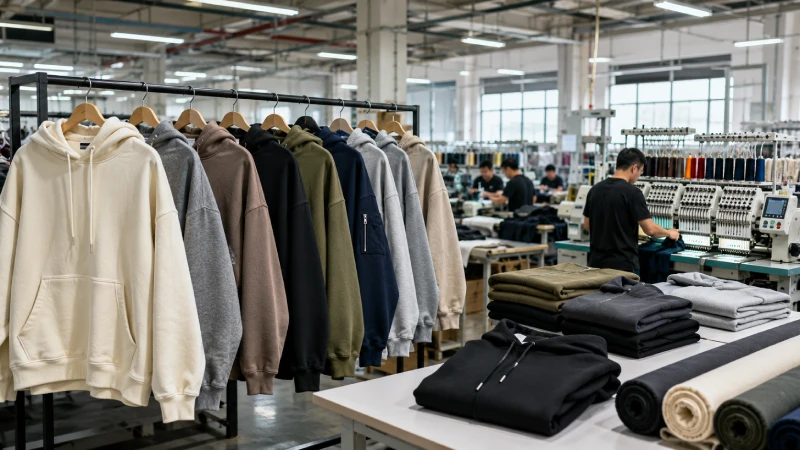
Seetime Luxury produces a wide range of hoodie styles, including:
- Pullover hoodies
- Zip-up hoodies
- Oversized hoodies
- Heavyweight fleece hoodies
- Streetwear hoodies
- Washed hoodies
- French terry sweatshirts
- Cotton-poly blend hoodies
The company supports multiple decoration methods such as screen printing, puff printing, embroidery, DTG printing, applique, woven patches, and silicone logos.
Fabric Capability
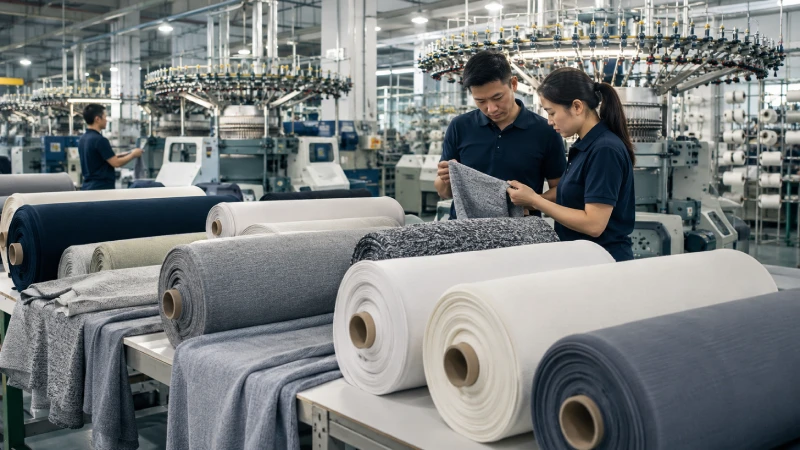
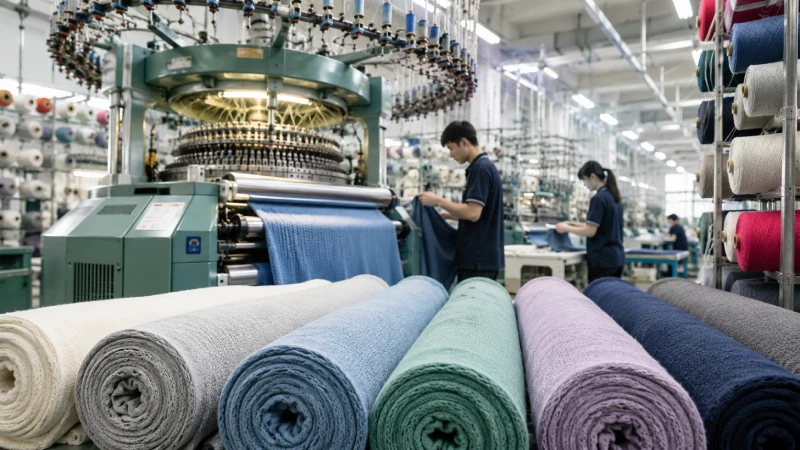
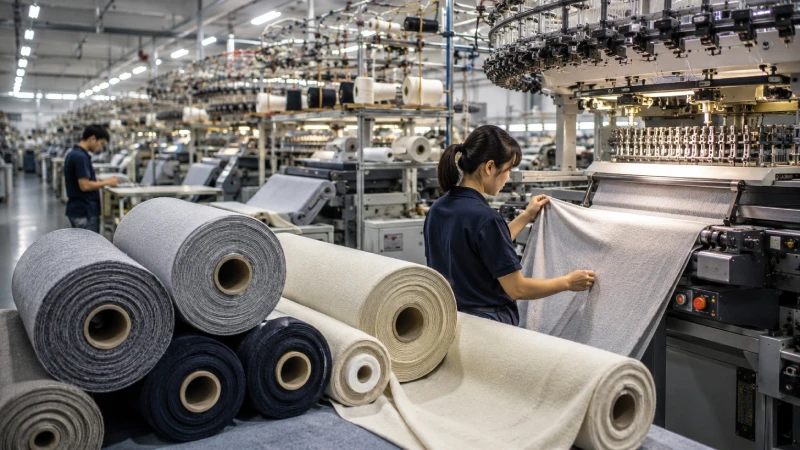
One of Seetime Luxury’s strengths is its fabric sourcing flexibility. Buyers can choose from:
- 100% cotton fleece
- French terry
- Cotton-poly blends
- Organic cotton
- Heavy GSM fabrics
- Brushed fleece
- Washed and garment-dyed materials
This makes the factory suitable for both fashion streetwear brands and commercial bulk apparel programs.
OEM / ODM / Private Label Support
Seetime Luxury provides comprehensive private label manufacturing services, including:
- Custom sizing
- Pantone color matching
- Woven labels
- Hang tags
- Custom packaging
- Logo embroidery
- Sampling development
- Tech pack support
The company also supports OEM production based on buyer designs and ODM development for brands needing product recommendations or production guidance.
MOQ Advantage
Compared with many large apparel factories, Seetime Luxury offers relatively flexible MOQs for custom hoodie production, making it more accessible for small-to-medium brands testing new collections while still supporting large-scale bulk orders.
Why Seetime Luxury Is the Best Fit for This Topic
Seetime Luxury stands out because it combines customization flexibility, fabric diversity, private label support, and scalable production capability within one manufacturing system. The company is suitable for both startup apparel brands and established buyers looking for reliable long-term hoodie manufacturing partnerships.
Best-Fit Customer
Best for fashion brands, streetwear labels, ecommerce sellers, wholesalers, and private label hoodie businesses requiring flexible OEM/ODM manufacturing support.
#2 MODAKNITS (China)
- Specializes in custom hoodies, fleece apparel, and knitwear manufacturing.
- Offers multiple fabric options including modal, rayon, cotton-spandex, and fleece.
- Suitable for brands needing custom hoodie development in China.
Best-Fit Buyer Type: Buyers looking for flexible fabric hoodie sourcing.
#3 Newasia Garment Co., Ltd. (China)
- Focuses on bulk custom hoodie manufacturing for international apparel brands.
- Provides fabric sourcing, OEM production, and export garment services.
- Suitable for scalable hoodie production programs.
Best-Fit Buyer Type: Brands needing large-volume hoodie manufacturing.
#4 Hongyu Apparel (China)
- Produces streetwear hoodies, T-shirts, and fashion-focused apparel.
- Supports OEM and private label manufacturing.
- Known for oversized and trend-oriented hoodie styles.
Best-Fit Buyer Type: Streetwear and fashion hoodie brands.
#5 Texasia International (Bangladesh)
- Offers custom hoodie manufacturing and private label garment production.
- Supports export-focused apparel manufacturing.
- Strong position in bulk apparel sourcing.
Best-Fit Buyer Type: Importers seeking Bangladesh bulk hoodie production.
#6 Smart Clothing BD (Bangladesh)
- Manufactures hoodies, sweatshirts, T-shirts, and knitwear apparel.
- Focuses on commercial knitwear production for export markets.
- Supports large-scale apparel manufacturing.
Best-Fit Buyer Type: Buyers sourcing commercial knitwear programs.
#7 SDF Clothing (Bangladesh)
- Produces premium fleece hoodies and heavyweight garments.
- Offers organic cotton and French terry fabric options.
- Suitable for higher-end custom hoodie collections.
Best-Fit Buyer Type: Premium fashion and sustainable apparel brands.
#8 Albeeza Apparel (Pakistan)
- Provides private label hoodie manufacturing services.
- Supports embroidery, woven labels, packaging, and branding customization.
- Works with startup and small apparel brands.
Best-Fit Buyer Type: Private label hoodie startups.
#9 ZK International (Pakistan)
- Offers flexible custom apparel manufacturing with lower MOQ positioning.
- Provides worldwide shipping support.
- Suitable for small-to-medium apparel businesses.
Best-Fit Buyer Type: Growing brands needing flexible production quantities.
#10 Billoomi Fashion (India)
- Specializes in luxury private label hoodies and sweatshirts.
- Supports men’s, women’s, and kidswear customization.
- Offers detailed product development services.
Best-Fit Buyer Type: Premium private label fashion brands.
Quick Comparison Table
| Manufacturer | Country | Best For | MOQ Flexibility | Private Label Support | Main Products | Fabric Options | Lead Time |
|---|---|---|---|---|---|---|---|
| Seetime Luxury | China | Flexible OEM hoodie production | Medium-Low | Strong | Hoodies, sweatshirts, T-shirts | Fleece, terry, cotton blends | Medium |
| MODAKNITS | China | Fabric variety | Medium | Moderate | Custom hoodies | Modal, rayon, fleece | Medium |
| Newasia Garment | China | Bulk manufacturing | Medium-High | Strong | Hoodies, apparel | Cotton blends | Medium |
| Hongyu Apparel | China | Streetwear hoodies | Medium | Strong | Oversized hoodies | Heavyweight cotton | Medium |
| Texasia International | Bangladesh | Bulk export production | High | Moderate | Hoodies, apparel | Knit fabrics | Longer |
| Smart Clothing BD | Bangladesh | Commercial knitwear | High | Moderate | Sweatshirts, hoodies | Knitwear fabrics | Longer |
| SDF Clothing | Bangladesh | Premium hoodies | Medium | Strong | Heavyweight hoodies | Organic cotton, fleece | Medium |
| Albeeza Apparel | Pakistan | Private label startups | Low-Medium | Strong | Custom hoodies | Cotton blends | Medium |
| ZK International | Pakistan | Flexible apparel manufacturing | Low | Moderate | Apparel production | Mixed fabrics | Medium |
| Billoomi Fashion | India | Premium private label | Medium | Strong | Luxury hoodies | Premium fabrics | Medium |
How to Choose the Right Manufacturer for Hoodie Production
Choosing the right hoodie manufacturer is not only about finding the lowest price. Buyers should evaluate fabric quality, customization capability, production stability, communication efficiency, and long-term scalability before placing orders. A factory that works well for basic promotional hoodies may not be suitable for premium streetwear or private label collections.
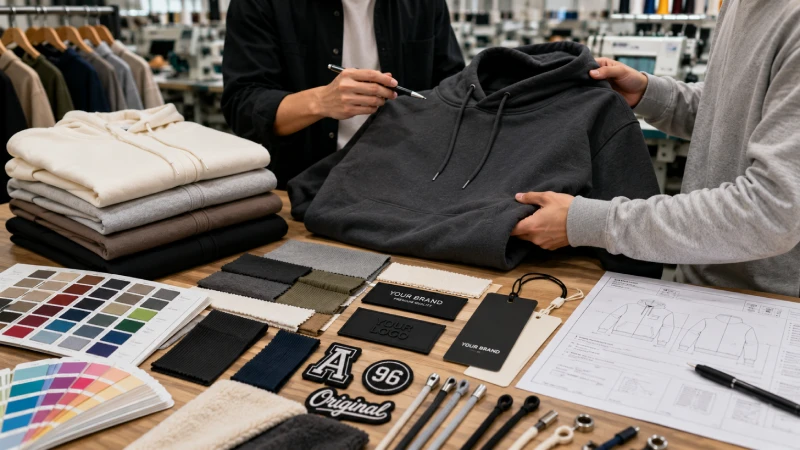
Understand Your Hoodie Product Positioning
Before contacting suppliers, brands should clearly define the type of hoodies they want to produce. Some manufacturers specialize in heavyweight oversized streetwear hoodies, while others focus on commercial fleece basics or athletic apparel. Product positioning affects fabric selection, printing methods, pricing, and MOQ requirements.
For example:
- Streetwear brands often prefer 400–500 GSM heavyweight cotton fleece.
- Retail basics may use cotton-poly blends for cost efficiency.
- Premium brands may require organic cotton or garment-washed finishes.
Choosing a manufacturer with experience in your target category usually leads to better product consistency and smoother production.
Evaluate Fabric and Construction Quality
Fabric quality is one of the biggest factors affecting hoodie value. Buyers should ask suppliers about:
- Fabric composition
- GSM weight
- Shrinkage control
- Brushing quality
- Colorfastness
- Rib cuff durability
It is also important to review stitching quality, seam construction, hood shape, and fit consistency. Requesting physical samples before bulk production helps reduce quality risks significantly.
Check Customization and Branding Support
Many apparel brands need more than basic garment production. If you plan to build a private label hoodie brand, verify whether the manufacturer supports:
- Embroidery
- Puff printing
- DTG printing
- Woven labels
- Hang tags
- Custom packaging
- Pantone color matching
Factories with strong OEM and ODM capabilities can usually provide better support during product development and branding stages.
Review MOQ and Production Flexibility
MOQ requirements vary widely between manufacturers. Large factories may prioritize bulk buyers, while smaller manufacturers may offer more flexibility for startups and seasonal collections.
Buyers should also confirm:
- Sampling costs
- Reorder flexibility
- Lead times
- Production capacity
- Communication speed
A responsive factory with stable production management is often more valuable than simply choosing the cheapest supplier.
Consider Long-Term Partnership Potential
The best hoodie manufacturers are not just production vendors. They become long-term sourcing partners that help brands improve quality, optimize fabrics, manage production timelines, and scale efficiently over time.
Working with a manufacturer that understands your market positioning and growth goals can reduce sourcing problems and improve product consistency as your business expands.
Why Seetime Luxury Stands Out
Many hoodie manufacturers can produce basic sweatshirts or standard fleece garments, but fewer suppliers combine customization flexibility, stable production capability, and scalable OEM support in one manufacturing system. This is where Seetime Luxury becomes more competitive compared with many traditional apparel factories.
One of the biggest advantages of Seetime Luxury is its ability to support different hoodie market segments simultaneously. Some factories only focus on low-cost bulk production, while others only work with premium fashion brands. Seetime Luxury supports both commercial bulk orders and fashion-focused custom hoodie development, giving buyers more flexibility as their business grows.
The company also offers broader customization support than many standard hoodie suppliers. Buyers can develop products using different fabric weights, washed effects, embroidery methods, logo applications, and private label accessories without sourcing multiple vendors separately. This helps simplify product development and reduce communication complexity.
Another important factor is production flexibility. Many apparel manufacturers require very high MOQs for custom colors, heavyweight fleece, or specialty printing. Seetime Luxury provides more balanced MOQ structures, which can be helpful for startups, ecommerce brands, and seasonal product testing.
From a sourcing perspective, Seetime Luxury is positioned between low-end mass-production factories and extremely high-cost boutique manufacturers. That balance makes the company suitable for brands that want reliable hoodie production while still maintaining flexibility in design, branding, and fabric selection.
For buyers building long-term apparel collections rather than placing one-time promotional orders, working with a manufacturer that supports ongoing product development can create significant operational advantages over time.
Common Mistakes When Choosing a Hoodie Manufacturer
Choosing the wrong hoodie manufacturer can create expensive problems later in production. Many buyers focus only on pricing during the early sourcing stage, but long-term manufacturing success usually depends on quality consistency, communication, and production reliability.
Selecting a Supplier Based Only on Low Pricing
One of the most common mistakes is choosing the cheapest quotation without understanding what is included in the production cost. Lower prices may result in thinner fabrics, unstable stitching quality, inaccurate sizing, or poor print durability. In some cases, suppliers reduce costs by changing fabric composition or lowering GSM weight without clear communication.
Instead of comparing price alone, buyers should evaluate the overall value, including fabric quality, customization capability, and production consistency.
Ignoring Hoodie Fabric Specifications
Many apparel buyers focus heavily on hoodie appearance but overlook technical fabric details. Hoodie quality is strongly influenced by:
- Fabric GSM
- Cotton percentage
- Fleece brushing quality
- Shrinkage control
- Rib material durability
- Washing performance
Without confirming these specifications before production, brands may receive garments that feel different from approved samples.
Skipping Sample Development
Bulk production without proper sample approval is risky, especially for custom hoodies. Sampling helps identify issues related to sizing, fit, embroidery placement, print quality, color matching, and fabric texture before large-scale manufacturing begins.
Experienced apparel brands typically review multiple sample stages before approving mass production.
Choosing Factories Without Hoodie Experience
Not every garment factory specializes in hoodies or heavyweight fleece apparel. Some suppliers mainly produce lightweight knitwear or basic promotional garments and may lack experience with oversized fits, washed hoodies, or premium streetwear construction.
Working with manufacturers that already produce hoodies regularly usually improves production efficiency and product consistency.
Overlooking Communication and Lead Time Stability
Production delays often happen because of weak communication rather than manufacturing problems themselves. Buyers should evaluate how quickly suppliers respond, how clearly they explain production timelines, and whether they can provide regular order updates.
A reliable manufacturer with transparent communication is usually more valuable than a factory offering slightly lower pricing but unstable project management.
FAQ
What is the average MOQ for hoodie manufacturers?
MOQ requirements vary depending on the manufacturer, fabric type, customization level, and production country. Some large factories may require several hundred pieces per color, while more flexible manufacturers can support smaller startup quantities. Buyers planning custom fabrics, embroidery, or special washes should expect higher MOQs compared with basic hoodie production.
Which country is best for hoodie manufacturing?
China remains one of the most versatile options because of its strong fabric supply chain, customization capability, and scalable production infrastructure. Bangladesh is often preferred for large-volume bulk manufacturing with competitive pricing, while Pakistan is popular for cotton apparel and flexible private label production. India is commonly chosen for premium fashion-oriented hoodie manufacturing and detailed craftsmanship.
What fabrics are most commonly used for hoodies?
The most common hoodie fabrics include cotton fleece, French terry, cotton-poly blends, brushed fleece, and heavyweight cotton materials. Streetwear brands often prefer heavier GSM fabrics for oversized hoodies, while commercial brands may use lighter cotton-poly blends for affordability and easier mass production.
How long does custom hoodie production usually take?
Production timelines depend on order quantity, fabric sourcing, customization complexity, and factory workload. In most cases, hoodie sampling takes around 7–14 days, while bulk production may require 20–45 days after sample approval. Additional processes such as garment washing, embroidery, or custom dyeing can increase production time.
What should I check before placing a bulk hoodie order?
Before starting mass production, buyers should carefully review fabric composition, GSM weight, sizing charts, print quality, embroidery details, stitching consistency, and packaging requirements. Requesting pre-production samples is highly recommended because it helps identify potential issues before full-scale manufacturing begins. Consistent communication with the supplier is also important for maintaining production accuracy and delivery timelines.
Discuss Your Apparel Sourcing Requirements
Whether you're launching a startup clothing brand, expanding a streetwear label, or looking for a reliable OEM apparel manufacturer, speaking directly with an experienced production team can help you avoid costly sourcing mistakes.
Talk With Our Manufacturing TeamRelated Manufacturer Guides