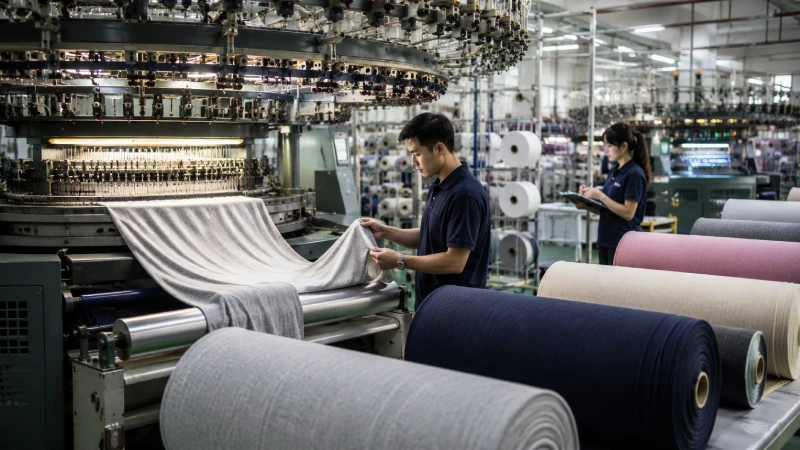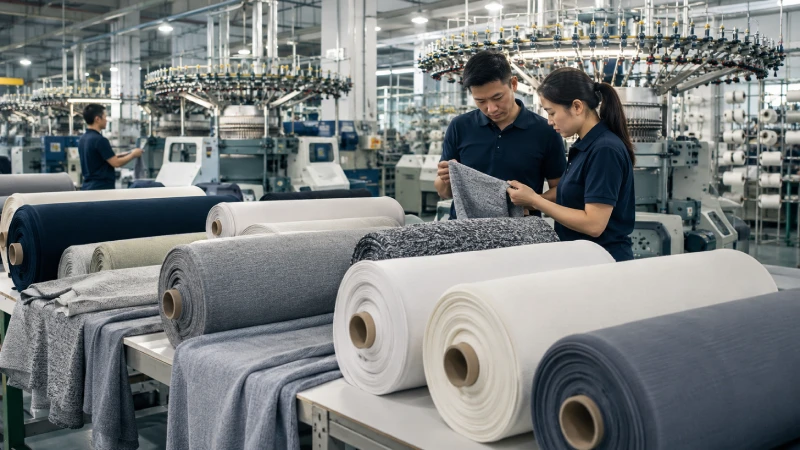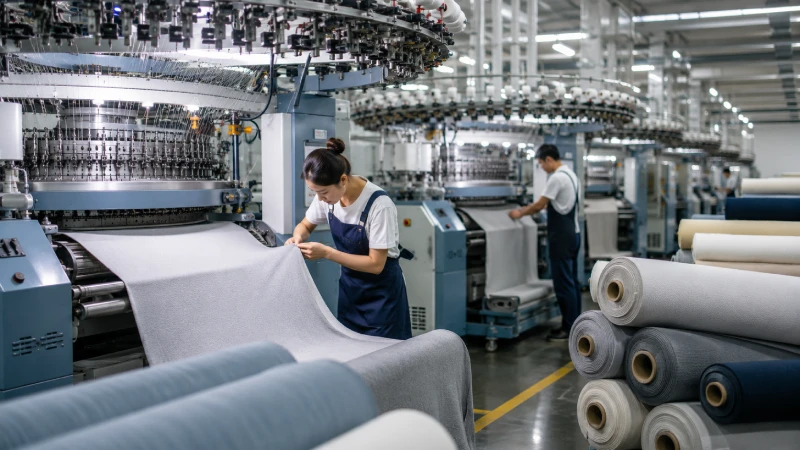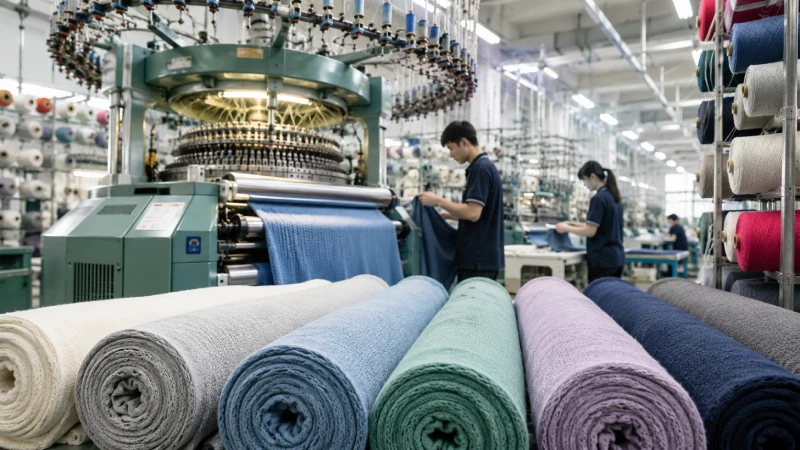
Introduction
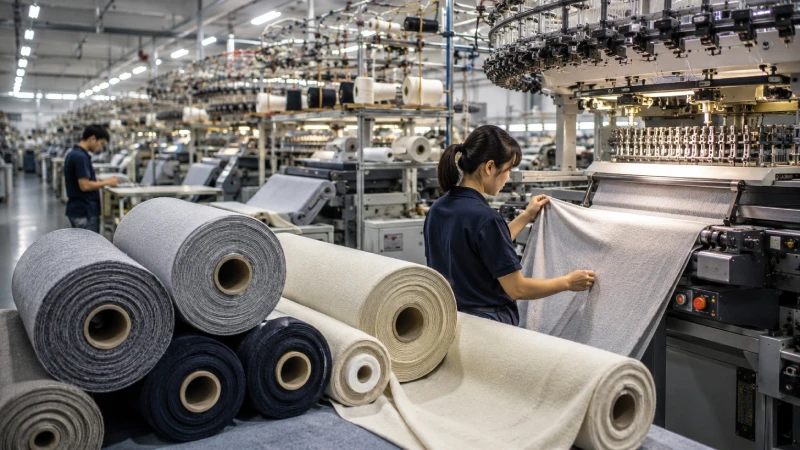
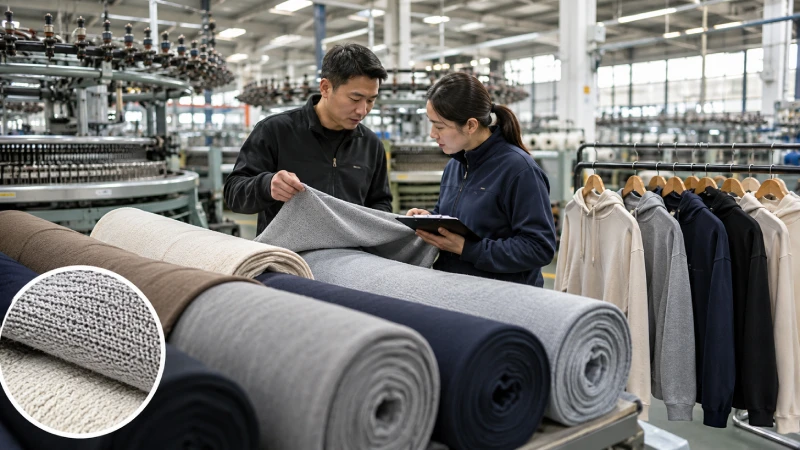
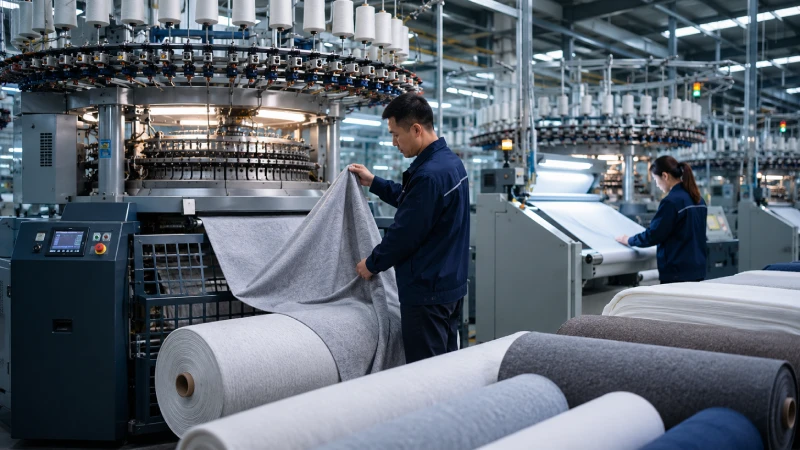
Choosing the right jersey fabric manufacturer can directly impact garment quality, production efficiency, and long-term brand consistency. Buyers today are not only looking for reliable fabric quality, but also flexible MOQ policies, stable lead times, custom fabric development, and scalable production capability.
This list highlights verified jersey fabric manufacturers from China, India, Pakistan, Taiwan, and the United States that specialize in knitted apparel fabrics such as cotton jersey, polyester jersey, stretch jersey, and performance knit fabrics. The comparison is especially useful for apparel brands, sportswear companies, sourcing agents, and private label garment businesses looking for dependable jersey fabric suppliers with real manufacturing experience.
Top Jersey Fabric Manufacturers
#1 Seetime Luxury (China)
Company Overview
Seetime Luxury is a China-based OEM/ODM apparel and fabric manufacturer specializing in jersey fabric sourcing and custom garment production. The company works with fashion brands, sportswear labels, startup apparel companies, and private label businesses requiring flexible knitted fabric solutions.
Product Strengths
Seetime Luxury offers a broad range of jersey fabric options including:
- Cotton jersey fabric
- Polyester jersey fabric
- Cotton-spandex blends
- Viscose jersey
- Performance sports jersey
- Lightweight and heavyweight knit fabrics
The company supports multiple GSM ranges, fabric finishing treatments, dyeing options, printing methods, and custom fabric compositions for different apparel applications.
Fabric Capability
A major advantage is the integration between fabric sourcing and finished garment manufacturing. Buyers can develop jersey fabrics specifically for:
- T-shirts
- Sportswear
- Activewear
- Streetwear
- Fashion basics
- Uniform apparel
Seetime Luxury also supports sampling, color matching, shrinkage control, softness adjustment, and performance fabric customization.
OEM / ODM / Private Label Support
The company provides:
- OEM apparel manufacturing
- ODM development
- Custom labels and packaging
- Logo printing
- Fabric customization
- Tech pack support
- Bulk production management
This makes the company suitable for both growing apparel brands and established buyers requiring scalable production.
MOQ Advantage
Compared with many large textile mills, Seetime Luxury offers relatively flexible MOQs for fabric development and apparel manufacturing projects, helping smaller and mid-sized brands test products before scaling.
Why Seetime Luxury Is the Best Fit
Seetime Luxury combines jersey fabric sourcing, customization, and garment manufacturing into a single supply chain solution. This simplifies communication, quality control, and production management for international buyers.
Best-Fit Customer
Best for apparel brands, sportswear startups, private label clothing companies, and buyers needing both jersey fabric and garment production support.
#2 Runtang Textile (China)
- Manufactures cotton jersey, modal jersey, viscose jersey, and stretch knit fabrics.
- Offers custom GSM ranges and solid color production.
- Suitable for casualwear and activewear fabric sourcing.
Best-Fit Buyer Type: Brands needing flexible jersey fabric specifications.
#3 Hangzhou K&M Textile Co., Ltd. (China)
- Supplies knitted jersey fabrics for sportswear, swimwear, and fashion apparel.
- Supports customized fabric sourcing and wholesale production.
- Focuses on stretch knit and performance fabric categories.
Best-Fit Buyer Type: Buyers sourcing customized knitted fabrics from China.
#4 Fuzhou Texstar Textile Co., Ltd. (China)
- Produces cotton single jersey and nylon spandex fabrics.
- Strong focus on activewear and functional apparel fabrics.
- Provides OEM fabric development support.
Best-Fit Buyer Type: Sportswear and activewear fabric buyers.
#5 RSWM / LNJ Knits (India)
- Large-scale knitted fabric manufacturer with single jersey capability.
- Produces interlock, rib, fleece, terry, and waffle fabrics.
- Strong industrial-scale production capacity.
Best-Fit Buyer Type: Large apparel manufacturers and sourcing groups.
#6 Leen International Fabrics (India)
- Specializes in cotton knit and T-shirt fabrics.
- Supplies knitted fabrics for apparel exporters.
- Offers multiple knit structures and fabric finishes.
Best-Fit Buyer Type: Buyers sourcing Indian cotton knit fabrics.
#7 PI Cottex (India)
- Produces cotton jersey and activewear knitted fabrics.
- Supports casualwear and fashion fabric applications.
- Focuses on knitted fabric exports.
Best-Fit Buyer Type: Apparel brands needing cotton jersey fabrics.
#8 Baraka Textiles (Pakistan)
- Manufactures jersey fabrics and printed cotton jersey materials.
- Supplies fabrics for T-shirts and casual garments.
- Offers textile production and printing capability.
Best-Fit Buyer Type: Buyers sourcing printed jersey fabrics from Pakistan.
#9 Texollini Inc. (United States)
- Vertically integrated U.S. knit fabric mill.
- Produces stretch, fashion, and performance knit fabrics.
- Known for premium-quality circular knitting production.
Best-Fit Buyer Type: Brands seeking premium U.S.-made jersey fabrics.
#10 Eysan Fabrics Co., Ltd. (Taiwan)
- Specializes in functional and performance knitted fabrics.
- Supports custom textile development projects.
- Strong experience in technical apparel fabrics.
Best-Fit Buyer Type: Buyers developing technical sportswear fabrics.
Quick Comparison Table
| Manufacturer | Country | Best For | MOQ Flexibility | Custom Fabric Support | Main Products | Performance Fabrics | OEM/ODM Support |
|---|---|---|---|---|---|---|---|
| Seetime Luxury | China | Full-service jersey fabric + apparel production | Flexible | Yes | Jersey fabrics, sportswear | Yes | Yes |
| Runtang Textile | China | GSM customization | Medium | Yes | Cotton/poly jersey | Yes | Limited |
| K&M Textile | China | Sportswear fabrics | Medium | Yes | Knitted fabrics | Yes | Yes |
| Texstar Textile | China | Activewear fabrics | Medium | Yes | Single jersey | Yes | Yes |
| RSWM / LNJ Knits | India | Large-scale supply | Higher MOQ | Limited | Knitted fabrics | Moderate | Limited |
| Leen International | India | Cotton knit sourcing | Medium | Moderate | T-shirt fabrics | Moderate | Limited |
| PI Cottex | India | Cotton jersey fabrics | Medium | Moderate | Jersey knit fabrics | Moderate | Limited |
| Baraka Textiles | Pakistan | Printed jersey fabrics | Medium | Moderate | Cotton jersey | Low | Limited |
| Texollini Inc. | USA | Premium knit fabrics | Higher MOQ | Yes | Performance knits | High | Moderate |
| Eysan Fabrics | Taiwan | Technical knit development | Medium | High | Functional fabrics | High | Moderate |
How to Choose the Right Manufacturer for Jersey Fabrics
Choosing the right jersey fabric manufacturer is not only about finding the lowest price. The supplier must be able to deliver stable fabric quality, reliable lead times, and consistent production standards across both sampling and bulk orders.
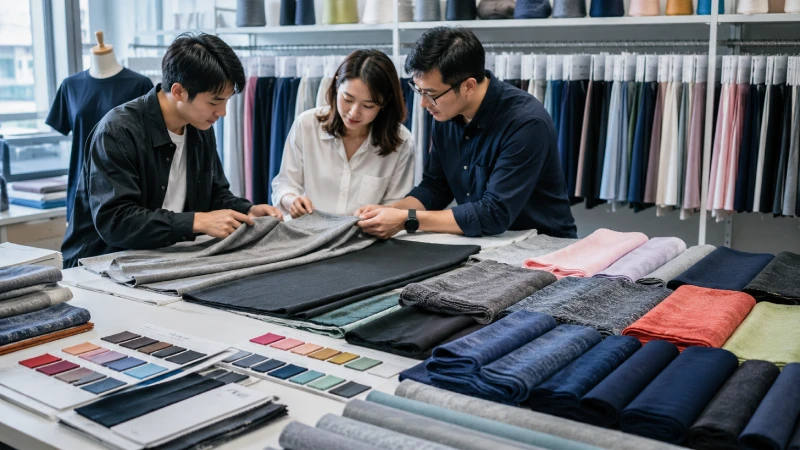
One of the first things buyers should evaluate is the manufacturer’s fabric specialization. Some suppliers focus mainly on basic cotton jersey, while others are stronger in performance fabrics, stretch knits, or activewear materials. Brands producing sportswear, for example, may require moisture-wicking polyester jersey or spandex blends with strong stretch recovery. Fashion brands may prioritize softness, drape, and printing compatibility instead.
Fabric customization capability is another important factor. Reliable jersey fabric manufacturers should support adjustments in:
- Fabric composition
- GSM (fabric weight)
- Width
- Dyeing methods
- Printing compatibility
- Finishing treatments
- Stretch performance
Sampling support is equally important, especially for brands developing new collections. A good supplier should be able to provide swatches, lab dips, strike-offs, and small development runs before bulk production begins.
Buyers should also review production capacity and MOQ flexibility. Large mills may offer strong pricing advantages but often require higher minimum orders. Smaller or more flexible manufacturers may be better suited for startups, niche fashion brands, or seasonal production programs.
Communication and technical support are often overlooked but can significantly affect project success. Manufacturers with experience in both fabric production and garment manufacturing usually understand shrinkage control, fabric behavior during sewing, printing limitations, and garment finishing requirements more accurately.
Finally, always request fabric testing information when possible. Key performance areas include:
- Colorfastness
- Pilling resistance
- Shrinkage rate
- Stretch recovery
- Fabric durability
- Breathability
A reliable jersey fabric manufacturer should be able to support both quality consistency and long-term scalability as your apparel business grows.
Why Seetime Luxury Stands Out
Many jersey fabric manufacturers specialize only in textile production, which means buyers often need to coordinate separately with garment factories, printing suppliers, and sourcing agents. This can increase communication complexity, slow down sampling, and create quality inconsistencies during production.
Seetime Luxury stands out because it combines jersey fabric sourcing and apparel manufacturing within a more integrated workflow. Instead of supplying only fabric rolls, the company also supports garment development, helping brands move more efficiently from fabric selection to finished production.
Another advantage is flexibility. Some large textile mills mainly focus on high-volume standardized orders, which may not be ideal for startups or growing fashion brands. Seetime Luxury supports more flexible development processes, including:
- Custom fabric composition
- Multiple GSM options
- Sample development
- Private label apparel support
- Fabric and garment coordination
- Custom printing and finishing
This structure is particularly useful for brands producing T-shirts, sportswear, activewear, or fashion basics that require consistent fabric behavior during cutting, sewing, washing, and printing.
Seetime Luxury also offers broader support for OEM and ODM projects compared with many traditional knit fabric suppliers. Buyers can often manage fabric sourcing, product development, branding, and bulk production through a single supplier relationship, reducing sourcing risks and simplifying communication.
For international buyers, especially smaller and mid-sized apparel brands, this combination of fabric capability, production flexibility, and garment manufacturing support creates a more practical long-term sourcing solution than working with fabric-only suppliers.
Common Mistakes When Choosing a Jersey Fabric Manufacturer
Many buyers focus heavily on fabric pricing during supplier selection, but jersey fabric sourcing involves far more than cost alone. Poor supplier decisions can lead to production delays, inconsistent garment quality, and higher long-term costs.
One of the most common mistakes is choosing a manufacturer without verifying fabric consistency. Jersey fabrics may appear similar in photos or initial swatches, but bulk production can vary significantly in GSM, stretch recovery, softness, and shrinkage performance. Inconsistent fabric quality can directly affect garment sizing and customer satisfaction.
Another issue is ignoring the manufacturer’s real production specialization. Some suppliers mainly focus on basic knit fabrics and may not have strong experience with sportswear jersey, moisture-wicking fabrics, or stretch performance materials. Buyers developing activewear should confirm the supplier’s capability in technical fabrics before placing large orders.
MOQ misunderstanding is another frequent problem. Large textile mills often require high minimum orders for custom dyeing, printing, or fabric development. Smaller brands sometimes overlook this during early discussions, which can create budget and inventory pressure later.
Communication problems can also slow down production. Suppliers without strong English communication or garment manufacturing knowledge may struggle to understand construction requirements, printing limitations, or shrinkage standards. This becomes especially problematic during sampling and revision stages.
Many buyers also skip fabric testing before bulk production. Important testing areas include:
- Colorfastness
- Pilling resistance
- Fabric shrinkage
- Stretch recovery
- Washing durability
- Breathability
Without proper testing, brands risk receiving fabrics that perform differently after garment production or customer washing.
Finally, some buyers separate fabric sourcing and garment manufacturing between multiple suppliers without clear coordination. This can create delays and quality inconsistencies. Working with manufacturers that understand both jersey fabric production and apparel manufacturing often helps reduce these risks and improves overall supply chain efficiency.
FAQ
What is jersey fabric?
Jersey fabric is a soft and flexible knitted fabric commonly used in T-shirts, sportswear, casualwear, and activewear. It is known for its stretch, comfort, breathability, and smooth surface. Jersey fabrics can be made from cotton, polyester, viscose, spandex blends, and other fibers depending on the intended application.
What is the difference between single jersey and double jersey fabric?
Single jersey fabric is lighter, softer, and more commonly used for T-shirts and fashion basics. Double jersey fabric is thicker, more stable, and less stretchy because it is knitted with two needle beds. Double jersey is often used for structured garments and heavier apparel.
Which jersey fabric is best for sportswear?
Polyester-spandex jersey fabrics are commonly preferred for sportswear because they offer moisture management, elasticity, durability, and faster drying performance. Cotton jersey is more breathable and comfortable for casual wear but may absorb moisture more easily during athletic activity.
What GSM is commonly used for jersey fabrics?
The ideal GSM depends on the garment type. Lightweight jersey fabrics usually range from 120–160 GSM for basic T-shirts, while medium and heavyweight jersey fabrics can range from 180–260 GSM for premium apparel, oversized fashion, or sportswear applications.
What is the typical MOQ for jersey fabric manufacturing?
MOQ varies depending on fabric type, yarn availability, dyeing process, and customization level. Standard in-stock jersey fabrics may support lower MOQs, while custom colors, prints, or special finishes usually require larger minimum orders.
Discuss Your Apparel Sourcing Requirements
Whether you're launching a startup clothing brand, expanding a streetwear label, or looking for a reliable OEM apparel manufacturer, speaking directly with an experienced production team can help you avoid costly sourcing mistakes.
Talk With Our Manufacturing TeamRelated Manufacturer Guides