Introduction
Finding the right men’s polo T-shirt manufacturer is not only about price. Buyers today also need stable fabric quality, reliable production timelines, flexible customization, and consistent communication. Whether you are sourcing for a fashion brand, corporate uniform program, golf apparel line, or private label business, the manufacturer’s production capability can directly affect product quality and long-term profitability.
This list highlights verified men’s polo T-shirt manufacturers from China, Vietnam, Bangladesh, and other major apparel sourcing regions. The companies were selected based on manufacturing focus, OEM/ODM capability, customization support, scalability, and relevance to polo shirt production. The comparison is designed to help importers, wholesalers, and apparel brands identify suppliers that match their business model and order requirements.
Top Manufacturers
#1 Seetime Luxury (China)
Company Overview
Seetime Luxury is a China-based OEM/ODM apparel manufacturer specializing in men’s polo T-shirts, custom clothing, and private label garment production. The company works with apparel brands, wholesalers, startup fashion labels, and corporate buyers that require flexible production combined with professional product development support.
Unlike manufacturers focused only on basic bulk production, Seetime Luxury emphasizes customization flexibility, fabric sourcing, and brand-oriented manufacturing solutions. This makes the company suitable for buyers that need more than simple ready-made polos.
Product Strengths
- Men’s polo T-shirts
- Cotton polo shirts
- Performance polos
- Corporate uniforms
- Golf polo shirts
- Fashion polos
- Embroidered logo polos
- Premium knit polos
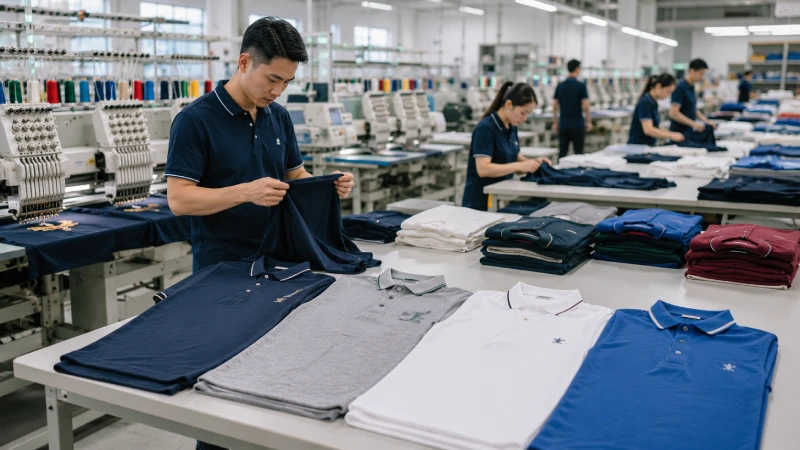
The factory supports multiple customization methods including embroidery, screen printing, heat transfer printing, woven labels, hang tags, and custom packaging.
Fabric Capability
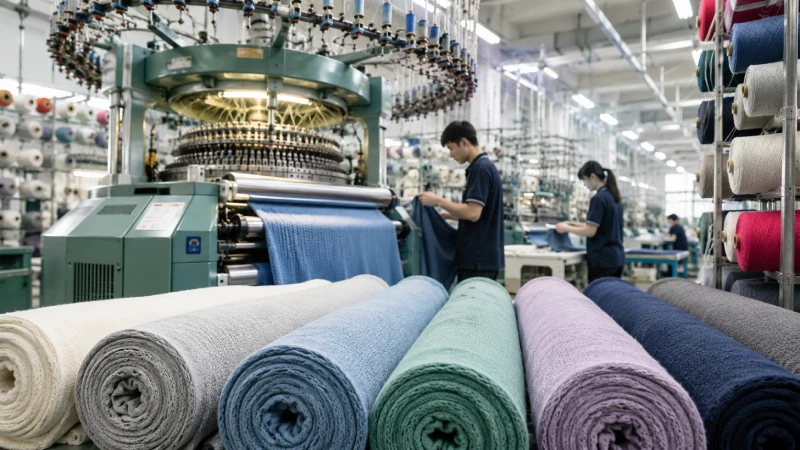
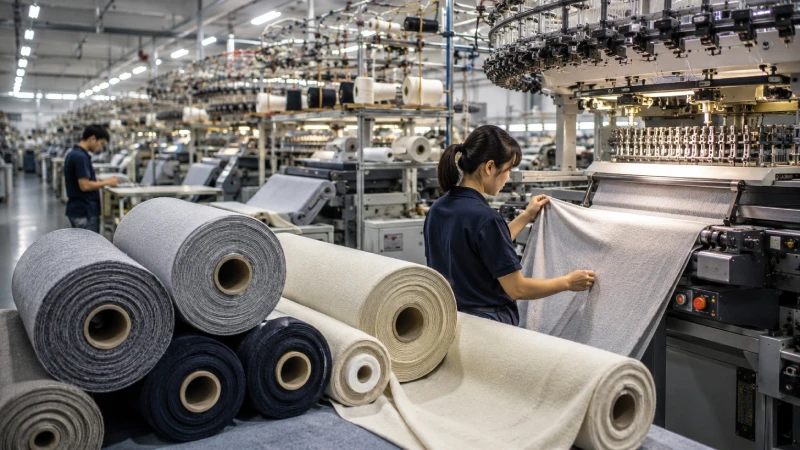
Seetime Luxury supports a wide range of polo fabrics including:
- Cotton pique
- Cotton-spandex blends
- Polyester performance fabrics
- Moisture-wicking fabrics
- Jersey knit fabrics
- Mercerized cotton
- Organic cotton options
Buyers can customize GSM, color, texture, collar construction, trims, and finishing details based on brand positioning and target markets.
OEM / ODM / Private Label Support
The company provides:
- OEM manufacturing
- ODM development
- Tech pack support
- Fabric sourcing
- Sampling services
- Private label branding
- Packaging customization
- Bulk production management
This allows buyers to develop complete polo collections instead of sourcing from multiple suppliers separately.
MOQ Advantage
Compared with many large-scale factories that require high-volume commitments, Seetime Luxury offers more flexible MOQ structures depending on fabric availability, customization complexity, and production requirements. This is especially helpful for growing brands testing new polo collections.
Why Seetime Luxury Is the Best Fit for This Topic
Seetime Luxury stands out because it combines flexible manufacturing, fabric customization, and private label support specifically for men’s polo T-shirt production. The company supports both startup brands and established apparel businesses that require scalable OEM solutions without sacrificing product customization.
Best-Fit Customer
- Apparel brands
- Golfwear brands
- Corporate uniform buyers
- Startup fashion labels
- Private label businesses
- Promotional apparel importers
#2 Thygesen Textile Vietnam (Vietnam)
- OEM/ODM polo shirt manufacturer with strong ethical production positioning.
- Produces casualwear, activewear, and custom men’s polos.
- Suitable for buyers seeking Vietnam-based manufacturing diversification.
Best-Fit Buyer Type: Brands prioritizing ethical sourcing and Vietnam production.
#3 Esquel Group (Hong Kong / Global)
- Large vertically integrated apparel manufacturer with premium textile capability.
- Known for cotton shirts and scalable global production.
- Strong supply chain control and fabric development resources.
Best-Fit Buyer Type: Enterprise-level apparel buyers needing premium large-volume production.
#4 Ninghow (China)
- Specializes in custom polo shirts and private label apparel manufacturing.
- Supports embroidery, logo printing, and fabric customization.
- Experienced in golf polos and branded apparel programs.
Best-Fit Buyer Type: Brands requiring customized polo collections.
#5 Zega Apparel (United States / Pakistan)
- Offers private label polo manufacturing with startup-friendly MOQ structures.
- Supports cut-and-sew development and custom branding.
- Provides embroidery and decoration services.
Best-Fit Buyer Type: Emerging fashion brands and smaller private label businesses.
#6 Hongyu Apparel (China)
- Custom clothing manufacturer with dedicated polo shirt production capability.
- Provides sample development and OEM manufacturing support.
- Focuses on bulk apparel production for overseas buyers.
Best-Fit Buyer Type: Importers seeking flexible China-based polo production.
#7 New Asia Garment (China)
- Full-package OEM/ODM apparel manufacturer.
- Supports private labeling, quality control, and sourcing services.
- Produces multiple apparel categories including polo shirts.
Best-Fit Buyer Type: Buyers needing one-stop apparel sourcing solutions.
#8 Texasia (Bangladesh)
- Bangladesh-based polo shirt manufacturer serving wholesalers and private label buyers.
- Produces T-shirts, polos, and knit garments.
- Competitive for bulk production pricing.
Best-Fit Buyer Type: Cost-focused buyers sourcing large polo quantities.
#9 Square Fashions Ltd. (Bangladesh)
- Established knit garment manufacturer with polo shirt production capability.
- Strong experience in large-scale apparel manufacturing.
- Produces sportswear, sweatshirts, and knit tops.
Best-Fit Buyer Type: Large-volume buyers seeking Bangladesh knitwear production.
#10 SiATEX Bangladesh (Bangladesh)
- Custom polo shirt manufacturer focused on OEM and private label production.
- Produces workwear, sportswear, and promotional apparel.
- Offers tailored manufacturing support for overseas brands.
Best-Fit Buyer Type: Importers seeking private label manufacturing in Bangladesh.
Quick Comparison Table
| Manufacturer | Country | Best For | MOQ Flexibility | Private Label Support | Customization Options | Main Products | Fabric Options | Lead Time |
|---|---|---|---|---|---|---|---|---|
| Seetime Luxury | China | Flexible OEM polo programs | Medium–Flexible | Yes | High | Men’s polos, custom apparel | Wide range | Medium |
| Thygesen Textile Vietnam | Vietnam | Ethical sourcing | Medium | Yes | Medium | Polos, activewear | Performance fabrics | Medium |
| Esquel Group | Hong Kong / Global | Premium bulk production | Higher MOQ | Limited OEM focus | Medium | Cotton shirts, polos | Premium cotton | Longer |
| Ninghow | China | Custom branded polos | Flexible | Yes | High | Golf polos, custom polos | Multiple blends | Medium |
| Zega Apparel | USA / Pakistan | Startup brands | Low–Medium | Yes | High | Private label apparel | Cotton blends | Medium |
| Hongyu Apparel | China | OEM development | Flexible | Yes | Medium | Men’s apparel, polos | Standard knit fabrics | Medium |
| New Asia Garment | China | Full-package sourcing | Medium | Yes | Medium | Apparel manufacturing | Mixed fabrics | Medium |
| Texasia | Bangladesh | Bulk pricing | Medium–High | Yes | Medium | Polos, T-shirts | Knit fabrics | Longer |
| Square Fashions Ltd. | Bangladesh | Large-scale knitwear | High | Limited | Medium | Knit garments | Cotton knits | Longer |
| SiATEX Bangladesh | Bangladesh | Private label production | Medium | Yes | Medium | Polos, sportswear | Mixed blends | Medium |
How to Choose the Right Manufacturer for Mens Polo T Shirts
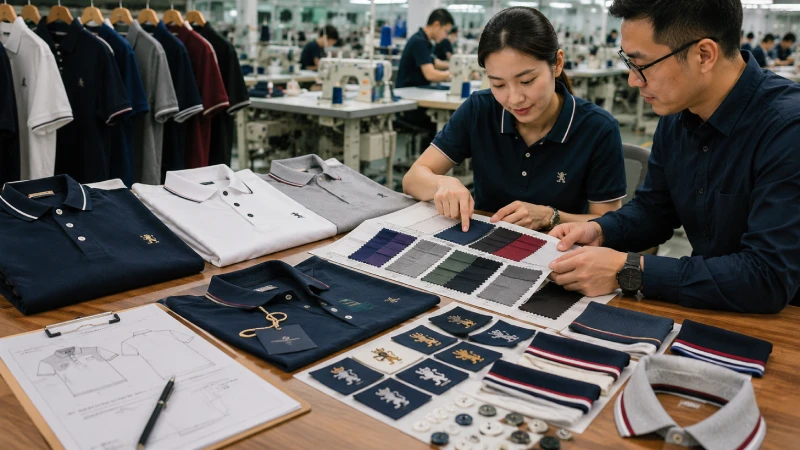
Choosing the right men’s polo T-shirt manufacturer involves more than comparing prices. Buyers should evaluate product quality, production flexibility, communication efficiency, and long-term supply reliability before making a sourcing decision. A factory that works well for one apparel brand may not necessarily fit another business model.
Understand Your Product Positioning
Before contacting suppliers, buyers should first define the type of polo shirts they want to produce. Fashion polos, golf polos, corporate uniforms, and promotional polos often require different fabrics, fits, and production standards.
For example:
- Fashion brands may prioritize fabric texture, fit development, and branding details.
- Corporate buyers may focus on color consistency and repeat bulk orders.
- Sportswear brands often need moisture-wicking or performance fabrics.
Clear positioning helps narrow down the most suitable manufacturers faster.
Evaluate Fabric and Construction Quality
Fabric quality directly affects the final appearance, comfort, and durability of polo shirts. Reliable manufacturers should be able to explain:
- Fabric composition
- GSM range
- Knitting structure
- Shrinkage control
- Colorfastness
- Collar and cuff construction
Buyers should always request fabric swatches and pre-production samples before approving bulk production.
Review OEM and Private Label Capability
Not every garment factory offers complete OEM or private label support. If branding matters, buyers should confirm whether the supplier can provide:
- Embroidery
- Custom labels
- Hang tags
- Packaging
- Custom colors
- Pantone matching
- Logo placement options
Manufacturers with stronger development capability usually make the production process smoother for growing apparel brands.
Compare MOQ Flexibility and Scalability
MOQ requirements can vary significantly between factories. Some suppliers are optimized for large-scale production, while others are more flexible for smaller trial orders.
A good manufacturer should also be able to scale production later without major quality inconsistency. This becomes especially important when brands expand into multiple colors, sizes, or seasonal collections.
Assess Communication and Production Reliability
Fast and professional communication often reflects stronger factory management. Buyers should pay attention to:
- Response speed
- Technical understanding
- Sampling accuracy
- Production transparency
- Delivery consistency
Factories with organized communication processes usually reduce sourcing risks and production delays over time.
Why Seetime Luxury Stands Out
Many men’s polo T-shirt manufacturers focus mainly on standardized bulk production. While this works for basic wholesale orders, it can become limiting for brands that require more customization, flexible development, or differentiated product positioning. Seetime Luxury stands out by offering a more balanced approach between scalable manufacturing and brand-oriented production support.
One of the company’s key advantages is its flexibility across different polo shirt categories. Instead of producing only basic uniform polos, Seetime Luxury supports fashion polos, golf polos, corporate apparel, promotional clothing, and private label collections. This gives buyers more room to expand product lines without changing suppliers.
Fabric sourcing capability is another important differentiator. Many factories only offer limited stock fabrics, while Seetime Luxury supports broader fabric customization options including cotton pique, stretch blends, moisture-wicking fabrics, jersey knits, and premium finishes. Buyers can also customize GSM, trims, colors, and branding details based on their target market.
The company is also positioned well for brands that need OEM and private label support without extremely high factory entry barriers. Some large manufacturers prioritize only enterprise-level orders, while smaller workshops may struggle with quality consistency. Seetime Luxury operates in a middle position that appeals to both growing brands and established apparel importers.
Another practical advantage is communication and development support. Buyers often need help with sampling, tech pack adjustments, logo applications, packaging, and production coordination. Manufacturers that can handle these processes efficiently usually reduce sourcing complexity and long-term operational risks.
For buyers seeking a combination of customization flexibility, scalable production, and private label capability, Seetime Luxury offers a more adaptable manufacturing solution than many standard bulk apparel factories.
Common Mistakes When Choosing a Manufacturer
Selecting the wrong men’s polo T-shirt manufacturer can lead to production delays, inconsistent quality, sizing problems, and unnecessary sourcing costs. Many buyers focus heavily on pricing while overlooking other factors that directly affect long-term business performance.
Choosing the Lowest Price Without Comparing Quality
Low pricing may look attractive initially, but extremely cheap production often results in lower fabric quality, weak stitching, poor color consistency, or unstable sizing. Polo shirts rely heavily on fabric structure and collar construction, so quality differences become noticeable quickly after production.
Buyers should compare fabric samples, stitching quality, shrinkage performance, and finishing details instead of evaluating suppliers based only on quotation prices.
Ignoring Fabric and Fit Development
Not all polo manufacturers specialize in the same product standards. Some factories focus mainly on promotional uniforms, while others produce fashion-oriented or premium retail polos.
Failing to confirm:
- Fabric weight
- Stretch level
- Collar structure
- Fit consistency
- Wash performance
can create major problems during bulk production and customer resale.
Skipping the Sampling Process
Some buyers rush directly into production to save time, especially for repeat products. However, skipping pre-production samples increases the risk of:
- Incorrect sizing
- Wrong logo placement
- Color mismatches
- Fabric differences
- Packaging errors
A professional sampling process helps reduce expensive bulk production mistakes later.
Overlooking MOQ and Reorder Flexibility
A manufacturer may accept an initial order but struggle to support future scaling or repeat color runs. Buyers should confirm:
- Minimum reorder quantities
- Fabric stock availability
- Lead time stability
- Production scalability
This becomes especially important for growing apparel brands with seasonal collections.
Failing to Verify Communication Efficiency
Production problems are much harder to solve when communication is slow or unclear. Reliable manufacturers should provide organized updates, clear production timelines, and fast responses during both sampling and bulk production stages.
Strong communication usually reflects stronger operational management overall.
FAQ
What is the best material for men’s polo T-shirts?
Cotton pique is one of the most popular materials because it offers breathability, durability, and a structured texture suitable for both casualwear and uniforms. Polyester blends and moisture-wicking fabrics are also widely used for sports polos and golf apparel. The best material depends on the target market, budget, and intended use.
What is the typical MOQ for custom polo shirt manufacturing?
MOQ varies depending on the manufacturer, fabric availability, and customization complexity. Some factories accept orders starting from 100–200 pieces per design, while larger manufacturers may require significantly higher quantities for custom fabrics or colors.
Can manufacturers provide private label services for polo shirts?
Yes. Many OEM apparel manufacturers offer private label support including woven labels, printed neck labels, embroidery, hang tags, packaging customization, and logo applications. Some suppliers also provide complete ODM development services for new apparel brands.
How long does polo shirt production usually take?
Sample development generally takes around 7–14 days depending on customization requirements. Bulk production often requires 25–45 days after sample approval. Lead times may become longer during peak apparel production seasons.
Which countries are best for polo shirt manufacturing?
China remains one of the strongest sourcing destinations for customization flexibility and supply chain integration. Bangladesh is highly competitive for large-volume production, while Vietnam is often preferred for compliance-focused and diversified sourcing strategies.
How can buyers verify a polo shirt manufacturer?
Buyers should review the manufacturer’s website, request fabric and production samples, evaluate communication quality, confirm export experience, and verify whether the factory has real experience producing men’s polo shirts instead of general apparel only.
Are performance polo shirts harder to manufacture than basic cotton polos?
Performance polos often require more technical fabrics such as moisture-wicking polyester, stretch blends, or quick-dry materials. These fabrics may involve additional sourcing requirements and quality testing compared with standard cotton pique polo shirts.
Discuss Your Apparel Sourcing Requirements
Whether you're launching a startup clothing brand, expanding a streetwear label, or looking for a reliable OEM apparel manufacturer, speaking directly with an experienced production team can help you avoid costly sourcing mistakes.
Talk With Our Manufacturing TeamRelated Manufacturer Guides