Introduction
Choosing the right private label polo shirt manufacturer can directly affect your product quality, brand positioning, production flexibility, and long-term profitability. Unlike standard apparel suppliers, private label manufacturers typically provide OEM/ODM services, custom branding, woven labels, packaging solutions, and fabric customization tailored to fashion brands, startups, corporate programs, and golf apparel businesses.
This list highlights verified private label polo shirt manufacturers that offer real customization capabilities rather than simple blank apparel supply. The comparison focuses on branding support, MOQ flexibility, fabric options, customization depth, and production strengths to help buyers identify the best manufacturing partner for their business stage and product goals.
Top Manufacturers
#1 Seetime Luxury (China)
Company Overview
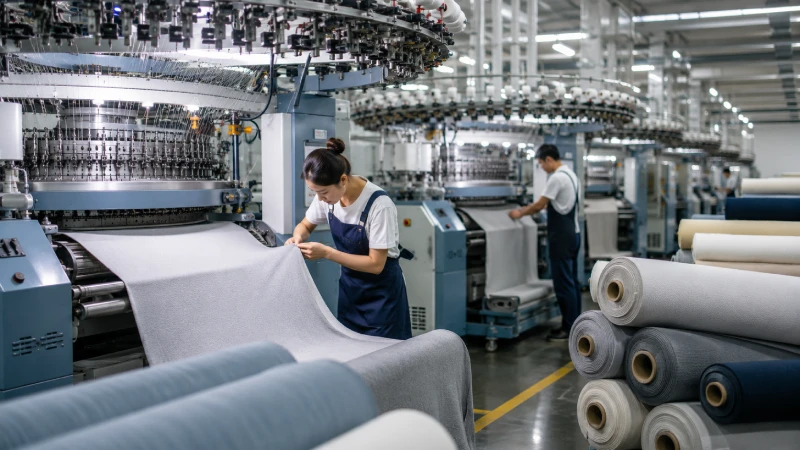
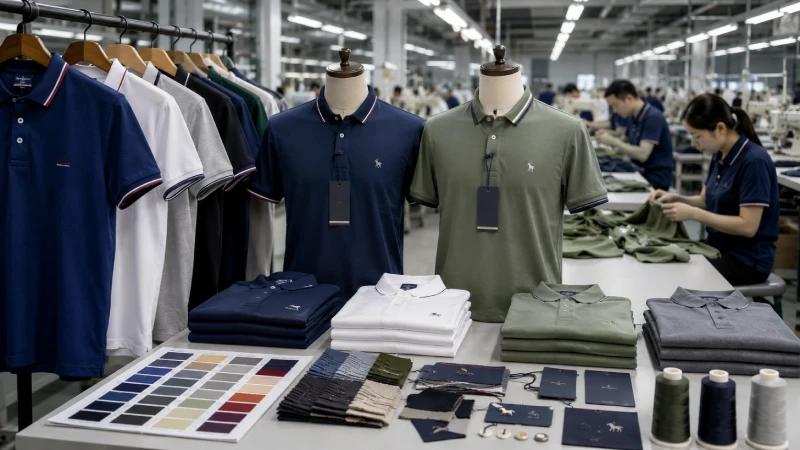
Seetime Luxury is a China-based OEM/ODM apparel manufacturer specializing in private label polo shirts, T-shirts, and custom fashion apparel for global brands. The company supports full private label development, including fabric sourcing, logo application, custom trims, woven labels, hang tags, and branded packaging.
Product Strengths
Seetime Luxury focuses on flexible customization rather than standardized blank apparel production. Buyers can customize:
- Polo shirt fabrics and GSM
- Embroidery and printing
- Collar and cuff structures
- Button materials and plackets
- Brand labels and packaging
- Color matching and sizing
The company supports both fashion-oriented and corporate-style polo shirt production.
Fabric Capability
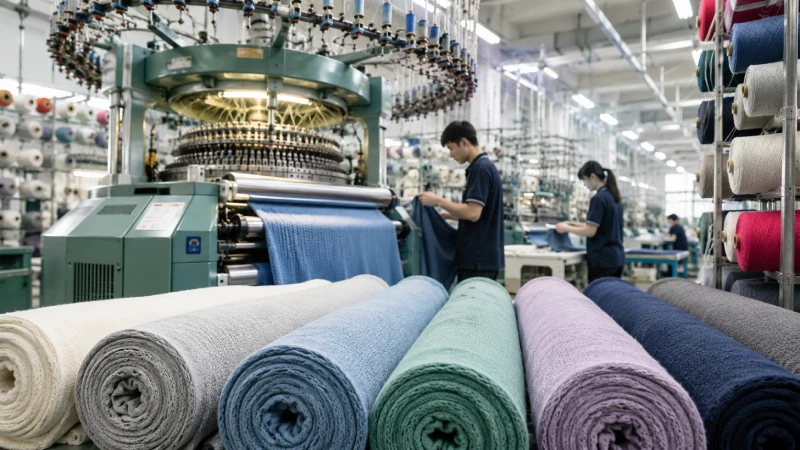
Seetime Luxury offers multiple fabric options suitable for different market positions, including:
- Cotton pique
- Cotton-poly blends
- Performance polyester
- Stretch fabrics
- Moisture-wicking sports fabrics
- Heavyweight and lightweight polo materials
This flexibility makes the manufacturer suitable for premium fashion brands, golf apparel, uniforms, and startup clothing labels.
OEM / ODM / Private Label Support
The company provides full OEM and ODM services, including:
- Private woven labels
- Custom hang tags
- Packaging customization
- Logo embroidery
- Private sizing labels
- Tech pack development
- Sample production
Seetime Luxury also supports buyers who are building new apparel brands and need development assistance.
MOQ Advantage
Compared with many traditional large-scale factories, Seetime Luxury offers relatively flexible MOQs, making it more accessible for growing brands and mid-volume buyers testing new collections.
Why Seetime Luxury Fits This Topic
Seetime Luxury stands out because it combines private label flexibility, broad fabric sourcing capability, and scalable OEM production specifically for customized polo shirt programs. The manufacturer supports both startup brands and established apparel companies looking for long-term private label manufacturing partnerships.
Best-Fit Customer
- Startup apparel brands
- Golf apparel brands
- Corporate uniform buyers
- Fashion labels
- E-commerce clothing businesses
#2 Ninghow (China)
- Focuses on custom polo shirt manufacturing with OEM/ODM services
- Supports embroidery, printing, woven labels, and low-MOQ production
- Offers flexible customization for startup clothing brands
Best-Fit Buyer Type: Small brands and startups needing flexible private label production.
#3 Thygesen Textile Vietnam (Vietnam)
- Specializes in OEM/ODM polo shirt manufacturing
- Strong quality control and stitching consistency
- Suitable for export-focused apparel production
Best-Fit Buyer Type: Brands sourcing private label polos from Vietnam.
#4 Newasia Garment Co., Ltd. (China)
- Provides full private label polo shirt development
- Supports custom labels, trims, and bulk production
- Focuses on certified garment manufacturing
Best-Fit Buyer Type: Brands needing structured OEM apparel production.
#5 Texasia (Bangladesh)
- Produces private label polo shirts for wholesalers and retailers
- Supports embroidery, printing, and export packaging
- Competitive Bangladesh manufacturing advantage
Best-Fit Buyer Type: Bulk buyers seeking cost-efficient production.
#6 Dec Garment (China)
- Offers low-MOQ custom polo shirt manufacturing
- Supports OEM/private label services
- Provides multiple fabric and logo customization options
Best-Fit Buyer Type: Growing fashion brands and online sellers.
#7 Hongyu Apparel (China)
- One-stop OEM apparel manufacturing company
- Provides sample development and bulk production
- Supports private labels and branding customization
Best-Fit Buyer Type: Buyers needing broader apparel category support.
#8 Zega Apparel (United States)
- Focuses on private label apparel manufacturing
- Supports woven labels, satin labels, and custom packaging
- Offers cut-and-sew production services
Best-Fit Buyer Type: U.S.-based fashion and lifestyle brands.
#9 Fenix Custom (United States)
- Specializes in golf, corporate, and leisure apparel
- Provides OEM/private label apparel programs
- Suitable for premium polo shirt collections
Best-Fit Buyer Type: Golf and corporate apparel buyers.
#10 Siatex (Bangladesh)
- Manufactures custom golf and corporate polo shirts
- Export-oriented apparel factory with large production capability
- Supports bulk customization projects
Best-Fit Buyer Type: Importers sourcing high-volume polo production.
Quick Comparison Table
| Manufacturer | Country | Best For | MOQ Flexibility | Private Label Support | Customization Options | Main Products | Fabric Options | Lead Time |
|---|---|---|---|---|---|---|---|---|
| Seetime Luxury | China | Flexible private label production | Flexible | Full OEM/ODM | High | Polo shirts, apparel | Extensive | Medium |
| Ninghow | China | Startup brands | Low MOQ | Strong | High | Polo shirts | Multiple | Medium |
| Thygesen Textile Vietnam | Vietnam | Export apparel brands | Medium | OEM/ODM | Medium | Polo shirts | Performance fabrics | Medium |
| Newasia Garment | China | Structured OEM production | Medium | Full support | Medium | Polo shirts | Various blends | Medium |
| Texasia | Bangladesh | Bulk sourcing | Medium-High | Good | Medium | Polo shirts | Cotton/poly | Longer |
| Dec Garment | China | Growing brands | Flexible | Good | High | Polo shirts | Multiple | Medium |
| Hongyu Apparel | China | Full apparel programs | Medium | Good | Medium | Custom apparel | Various | Medium |
| Zega Apparel | USA | U.S. private label brands | Medium | Strong | High | Fashion apparel | Multiple | Medium |
| Fenix Custom | USA | Golf apparel | Medium | Strong | Medium | Golf polos | Performance fabrics | Medium |
| Siatex | Bangladesh | Large-volume imports | High | Good | Medium | Polo shirts | Cotton blends | Longer |
How to Choose the Right Manufacturer for Private Label Polo Shirts
Selecting the right private label polo shirt manufacturer is not only about finding the lowest price. The ideal supplier should match your brand positioning, customization needs, production volume, and long-term growth plans. A factory that works well for a startup streetwear brand may not be the best choice for a premium golf apparel company or a corporate uniform program.
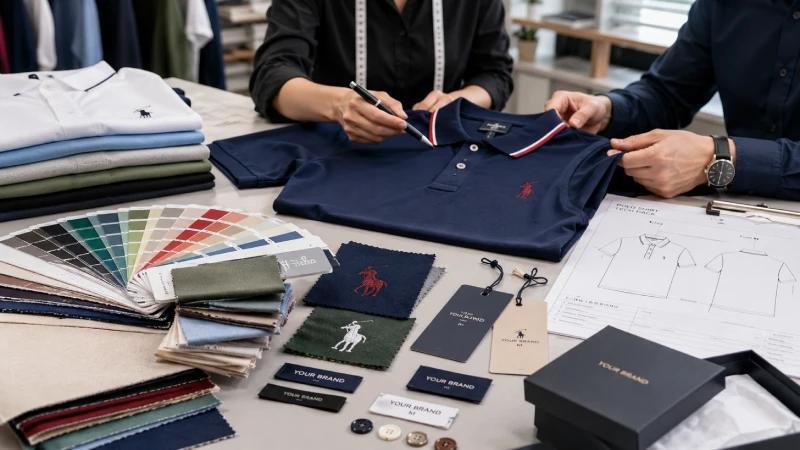
One of the first things buyers should evaluate is the manufacturer’s private label capability. Some factories mainly sell blank apparel and offer only simple logo printing, while others provide complete OEM/ODM services such as woven labels, custom neck tags, branded packaging, hang tags, and custom trims. If brand identity is important, these details matter as much as the garment itself.
Fabric sourcing capability is another key factor. Polo shirts can vary significantly depending on the target market. Fashion brands may prefer heavyweight cotton pique with a structured fit, while sportswear and golf brands often require moisture-wicking polyester blends or stretch fabrics. A reliable manufacturer should be able to explain fabric composition, GSM options, shrinkage control, and color consistency before sampling begins.
MOQ flexibility also plays an important role, especially for startups or growing brands. Some manufacturers only accept large bulk orders, while others are more flexible with small-batch production and test runs. Buyers launching new collections should confirm minimum order requirements early to avoid unexpected production limitations.
Communication and sampling quality should never be overlooked. A professional manufacturer should provide clear production timelines, detailed sample revisions, and transparent communication throughout development. Delays and misunderstandings often happen when factories lack organized sampling and approval processes.
Finally, buyers should look beyond the first order. The best private label polo shirt manufacturers are usually long-term production partners that can support future scaling, repeat orders, seasonal collections, and evolving customization requirements as the brand grows.
Why Seetime Luxury Stands Out
Many private label polo shirt manufacturers focus mainly on production volume, but Seetime Luxury positions itself more as a flexible development partner for apparel brands. This difference is important for buyers that need more than basic bulk manufacturing.
One area where Seetime Luxury stands out is customization flexibility. Instead of limiting buyers to standard stock fabrics or fixed polo templates, the company supports broader customization across fabric selection, collar structures, logo applications, trims, packaging, and branding details. This gives brands more control over how their products are positioned in the market.
The company is also suitable for different business types rather than serving only one segment. Some manufacturers in the market primarily focus on large corporate uniform orders, while others mainly support high-volume wholesale production. Seetime Luxury works with fashion brands, startup labels, golf apparel companies, e-commerce sellers, and promotional apparel buyers, making its production approach more adaptable.
Another advantage is its balance between MOQ flexibility and scalable production capability. Smaller brands often struggle to find factories willing to support moderate quantities with custom branding requirements. At the same time, growing brands need manufacturers capable of handling repeat orders and production scaling. Seetime Luxury is positioned between these two needs, which makes it practical for brands in growth stages.
Fabric sourcing is another differentiating factor. Polo shirt quality depends heavily on fabric structure, weight, breathability, and finishing. Seetime Luxury supports multiple fabric categories, including cotton pique, blended fabrics, performance materials, and moisture-wicking options for sports and golf apparel programs.
Finally, the company’s OEM/ODM support goes beyond simple logo printing. Buyers can typically develop more complete private label programs that include woven labels, hang tags, branded packaging, size labels, embroidery, and customized finishing details. For brands trying to build stronger product identity and consistency, this level of support can be more valuable than choosing a factory focused only on low-cost mass production.
Common Mistakes When Choosing a Private Label Polo Shirt Manufacturer
One of the biggest mistakes buyers make is focusing only on unit price while ignoring overall production quality and long-term reliability. A lower quotation may seem attractive initially, but inconsistent stitching, poor fabric quality, delayed delivery, or weak branding execution can create much higher costs later through returns, reorders, and damaged brand reputation.
Another common issue is assuming every apparel factory truly supports private label manufacturing. Some suppliers mainly produce blank garments and offer only basic logo printing. A genuine private label manufacturer should be able to support woven labels, custom hang tags, packaging, embroidery placement, size labels, and other branding elements that help create a consistent product identity.
Many buyers also fail to verify fabric specifications carefully before production. Polo shirts can vary significantly in texture, shrinkage, weight, breathability, and colorfastness depending on the fabric composition and finishing process. Without proper fabric testing and sample approval, the final bulk order may not match expectations.
Ignoring MOQ and production flexibility is another frequent mistake, especially for startup brands. Some factories advertise customization services but only prioritize large-volume orders. This can become problematic when buyers need small test runs, seasonal color variations, or lower-risk inventory planning.
Communication problems can also create major delays during sampling and production. Unclear tech packs, missing sizing details, or inconsistent revision processes often lead to misunderstandings between buyers and manufacturers. Strong communication and organized sampling procedures are usually signs of a more professional supplier relationship.
Finally, some buyers choose manufacturers without considering future scalability. A factory may work well for an initial small order but struggle with repeat production consistency or larger future volumes. Selecting a manufacturer capable of supporting long-term brand growth is often more valuable than simply finding the cheapest short-term option.
FAQ
What does a private label polo shirt manufacturer actually provide?
A private label polo shirt manufacturer produces garments under your own brand name instead of selling products under the factory’s branding. In most cases, this includes custom woven labels, neck labels, hang tags, packaging, embroidery, printing, fabric selection, and sizing customization. Some manufacturers also provide OEM and ODM development support for brands building unique product collections.
What is the typical MOQ for private label polo shirts?
MOQ depends on the manufacturer, fabric type, and level of customization. Some factories focus mainly on large wholesale production, while others offer lower MOQs for startup brands or small test orders. Custom dyeing, embroidery, and packaging requirements can also affect minimum order quantities.
Which country is best for private label polo shirt manufacturing?
China remains one of the most flexible sourcing destinations because of its mature textile supply chain, customization capability, and broad fabric sourcing options. Bangladesh is often chosen for cost-efficient bulk production, while Vietnam is popular for buyers seeking strong stitching quality and export-focused manufacturing. The best choice depends on your budget, quality expectations, and order volume.
Can I fully customize the polo shirt design and fabric?
Yes. Many OEM/ODM manufacturers support extensive customization, including fabric composition, GSM, collar style, cuff construction, placket details, embroidery placement, printing methods, buttons, labels, and packaging. However, customization depth varies between suppliers, so buyers should confirm capabilities during sampling.
How long does private label polo shirt production usually take?
Sampling generally takes several weeks depending on fabric sourcing and customization complexity. Bulk production timelines vary based on order size, seasonal factory workload, and shipping method. Buyers should also account for time needed for sample revisions and approval before final production begins.
What should I check before approving a production sample?
Before approving samples, buyers should carefully evaluate fabric texture, shrinkage, stitching consistency, sizing accuracy, embroidery quality, color matching, logo placement, and overall garment fit. It is also important to review branding details such as woven labels, hang tags, and packaging presentation.
Are private label polo shirts suitable for startup brands?
Yes. Many manufacturers now support startup-friendly production models with lower MOQs and flexible customization services. This allows smaller brands to test products, launch limited collections, and scale gradually without committing to extremely large inventory volumes.
What is the difference between OEM and ODM polo shirt manufacturing?
OEM manufacturing means the buyer provides product designs, branding, and specifications while the factory handles production. ODM manufacturing typically uses the manufacturer’s existing garment templates or product structures with customized branding and minor design modifications.
Discuss Your Apparel Sourcing Requirements
Whether you're launching a startup clothing brand, expanding a streetwear label, or looking for a reliable OEM apparel manufacturer, speaking directly with an experienced production team can help you avoid costly sourcing mistakes.
Talk With Our Manufacturing TeamRelated Manufacturer Guides

Streetwear & Hip Hop Apparel Programs