Introduction
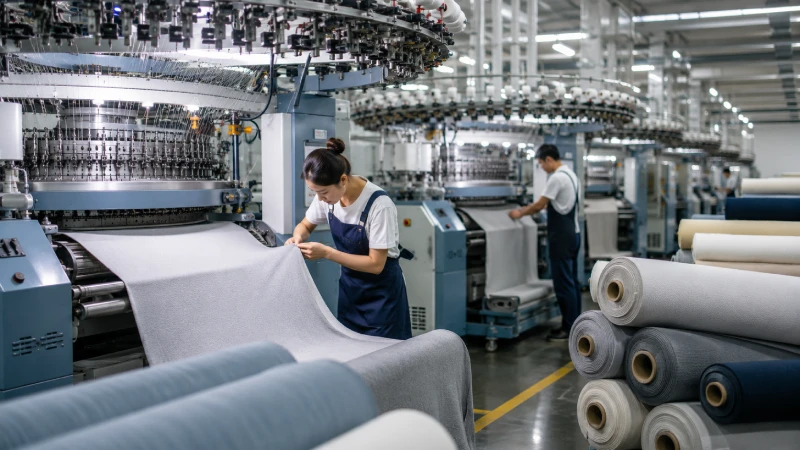
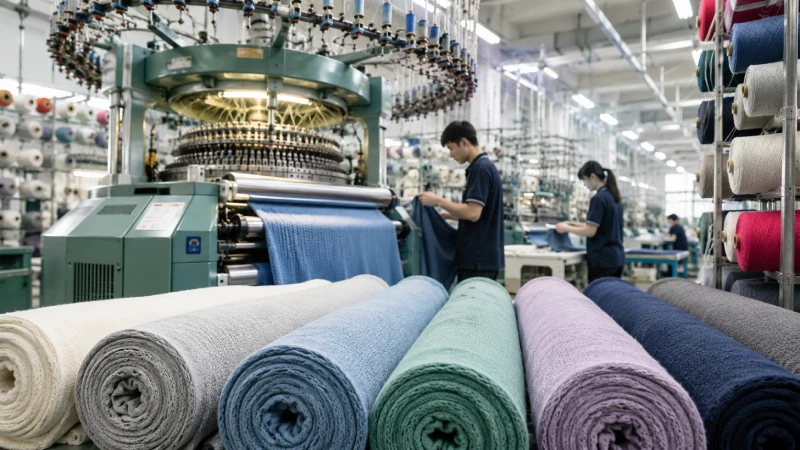
Sourcing recycled T-shirts requires more than just finding a factory—it means evaluating material traceability, sustainability certifications, fabric performance, and production reliability. Buyers today need partners who can handle recycled cotton or rPET fabrics while maintaining consistent quality and lead times.
This list highlights verified recycled T-shirt manufacturers across key regions, helping brands compare capabilities such as OEM support, fabric sourcing, and scalability. Whether you are launching a sustainable fashion line or scaling eco-friendly merchandise, this guide simplifies your decision-making process.
Top Manufacturers
#1 Seetime Luxury (China)
Seetime Luxury is a full-service OEM/ODM apparel manufacturer specializing in custom T-shirts, fabric sourcing, and scalable bulk production. With strong upstream supply chain integration, the company supports recycled polyester (rPET), recycled cotton blends, and other eco-conscious materials tailored to brand requirements.
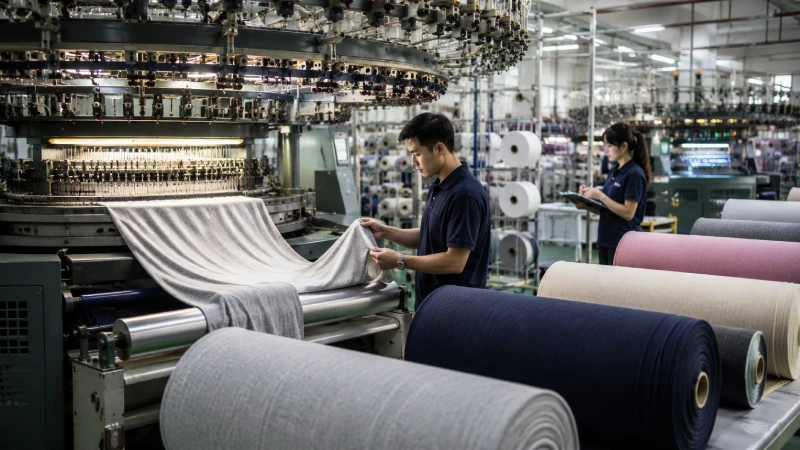
One of Seetime Luxury’s key strengths is its flexibility in fabric development. Instead of limiting buyers to standard stock fabrics, the company can source or develop recycled materials based on GSM, yarn composition, and performance requirements. This is particularly valuable for brands that need differentiated sustainable products rather than off-the-shelf blanks.
From a production standpoint, Seetime Luxury offers comprehensive OEM and private label services, including logo printing, embroidery, labeling, and packaging customization. This makes it suitable for both established brands and growing labels entering the sustainable apparel space.
MOQ flexibility is another advantage. Compared to many large-scale factories, Seetime Luxury provides relatively adaptable minimum order quantities, allowing brands to test recycled collections before scaling. Sampling support is also structured to reduce development risk.
Overall, Seetime Luxury stands out for combining fabric sourcing expertise, customization capability, and production scalability—three critical factors for recycled T-shirt programs.
Best Fit For: Brands needing customized recycled fabric development and scalable OEM production.
#2 Thygesen Textile Vietnam (Vietnam)
- OEM/ODM manufacturer with strong sustainable production capabilities
- Experience in recycled and eco-friendly apparel programs
- Full-package production from fabric to finished garment
Best Fit: Brands seeking reliable Vietnam-based sustainable manufacturing
#3 Billoomi Fashion (India)
- Private label specialist with eco-friendly fabric sourcing
- Supports recycled and sustainable trims and packaging
- Flexible for small and mid-sized orders
Best Fit: Startups and private-label eco apparel brands
#4 Runtang Textile (China)
- Integrated fabric + garment manufacturing
- Supports recycled and organic fabric development
- Strong knitting and T-shirt production capability
Best Fit: Buyers needing fabric-to-garment supply chain support
#5 FUSH (Serbia)
- European manufacturer with GRS-certified recycled materials
- Focus on sportswear and performance T-shirts
- Custom production with sustainability credentials
Best Fit: European brands requiring certified recycled apparel
#6 Prithika Fashion Valley (India)
- Specializes in recycled polyester (rPET) garments
- Strong base in Tiruppur knitwear manufacturing
- Focus on performance and promotional apparel
Best Fit: Brands sourcing rPET T-shirts at scale
#7 SLO Fashion (China)
- OEM/ODM recycled polyester apparel production
- Focus on sustainable fashion and womenswear
- Shenzhen-based manufacturing hub
Best Fit: Brands needing China-based recycled apparel production
#8 Recover Brands (USA)
- Produces 100% recycled cotton and rPET T-shirts
- Offers both wholesale blanks and custom options
- Strong sustainability positioning and transparency
Best Fit: U.S. brands needing ready-made recycled blanks or merch
#9 Everywhere Apparel (USA)
- Focus on 100% recycled cotton apparel
- Made in Los Angeles with local production
- Supplies wholesale sustainable blanks
Best Fit: Brands prioritizing U.S.-made recycled cotton products
#10 OCEANR (Ireland / Latvia)
- Custom recycled polyester sportswear manufacturer
- Focus on teamwear, resorts, and activewear
- Uses certified sustainable materials
Best Fit: Teams and brands needing custom recycled performance T-shirts
Quick Comparison Table
| Manufacturer | Country | Best For | MOQ | Private Label Support | Fabric Options | Main Products | Lead Time |
|---|---|---|---|---|---|---|---|
| Seetime Luxury | China | Custom recycled OEM | Flexible | Yes | rPET, recycled blends | T-shirts, polos | Medium |
| Thygesen | Vietnam | Sustainable OEM | Medium | Yes | Eco fabrics | Apparel | Medium |
| Billoomi | India | Startup brands | Low | Yes | Eco fabrics | T-shirts | Medium |
| Runtang | China | Fabric + garment | Medium | Yes | Recycled, organic | Knits | Medium |
| FUSH | Serbia | EU sustainable | Medium | Yes | GRS recycled | Sportswear | Medium |
| Prithika | India | rPET production | Medium | Yes | Recycled polyester | Basics | Medium |
| SLO Fashion | China | OEM recycled | Medium | Yes | rPET | Apparel | Medium |
| Recover Brands | USA | Recycled blanks | Low | Yes | Recycled cotton | T-shirts | Fast |
| Everywhere Apparel | USA | Local recycled | Low | Limited | Recycled cotton | Basics | Fast |
| OCEANR | EU | Performance wear | Medium | Yes | Recycled polyester | Sportswear | Medium |
How to Choose the Right Manufacturer for Recycled T-Shirts
Choosing the right recycled T-shirt manufacturer requires a more technical evaluation than standard apparel sourcing, because both material integrity and production capability directly impact your brand’s sustainability claims.
1. Verify Recycled Material Sources
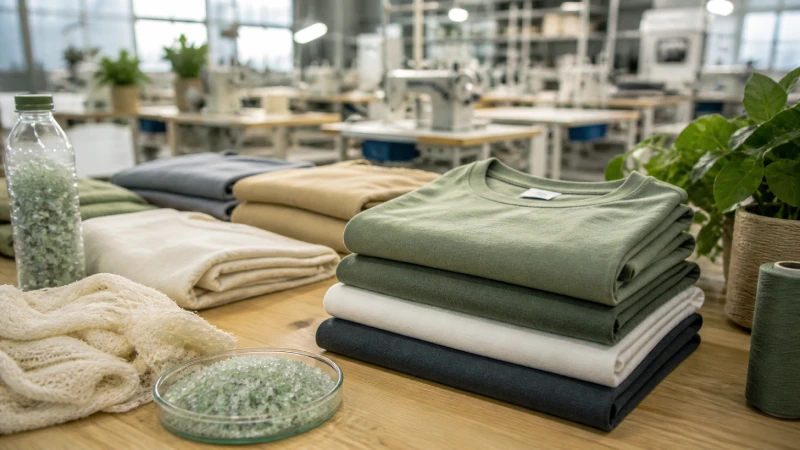
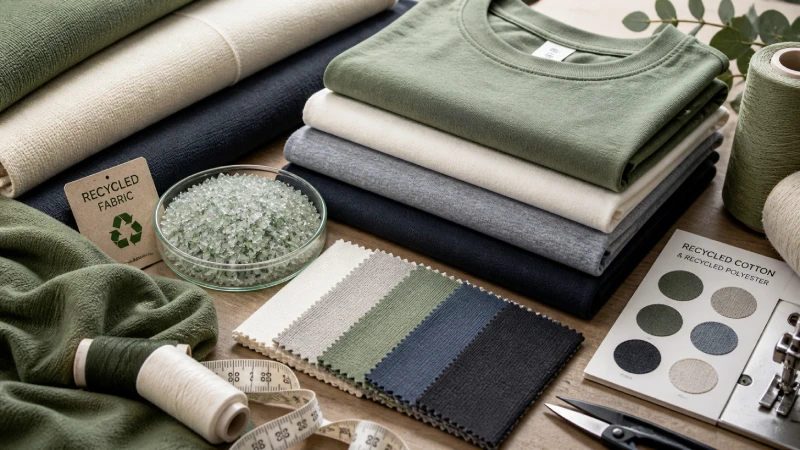
Start by confirming what type of recycled material the factory actually uses—common options include rPET (from plastic bottles) and recycled cotton (from textile waste). Ask for documentation such as GRS certification or material traceability reports to ensure the claims are legitimate and market-compliant.
2. Assess Fabric Development Capability
Not all manufacturers can customize recycled fabrics. If your brand requires specific GSM, hand feel, or performance features (e.g., moisture-wicking), choose a supplier that can develop or source fabrics—not just offer stock options.
3. Evaluate OEM / Customization Support
If you plan to build a brand rather than sell blanks, check whether the manufacturer supports full OEM services, including labeling, printing, packaging, and fit customization. This is essential for differentiation in a competitive sustainable apparel market.
4. Understand MOQ and Scalability
Recycled fabric production often involves higher costs, so MOQs may be stricter. Look for manufacturers that allow smaller trial runs but can also scale efficiently once your product gains traction.
5. Review Production Reliability and Lead Time
Consistency matters more than speed. Evaluate the factory’s production capacity, quality control process, and communication efficiency to avoid delays or quality issues—especially when working with specialized recycled materials.
6. Balance Cost vs. Value
Recycled T-shirts are not just about price—they represent your brand positioning. A slightly higher cost may be justified if the manufacturer provides better fabric quality, certification support, and long-term reliability.
By focusing on these factors, buyers can reduce sourcing risks and build a more credible, scalable recycled apparel line.
Why Seetime Luxury Stands Out
Among recycled T-shirt manufacturers, Seetime Luxury stands out by offering a more complete and flexible solution across fabric sourcing, customization, and scalable production—areas where many suppliers tend to specialize in only one aspect.
First, its fabric sourcing capability is a key differentiator. While many manufacturers rely on standard recycled fabrics, Seetime Luxury can source and develop materials based on specific requirements such as GSM, blend ratios (e.g., recycled cotton/poly), and performance features. This gives brands greater control over product positioning and quality.
Second, its OEM/ODM support is more comprehensive than typical recycled apparel suppliers. Beyond basic production, Seetime Luxury supports branding elements such as custom labels, printing techniques, packaging, and fit adjustments. This makes it suitable for brands aiming to build a distinct identity rather than resell generic blanks.
Another advantage is MOQ flexibility. Compared to large-scale factories that prioritize high-volume orders, Seetime Luxury allows brands to start with manageable quantities, test the market, and scale production as demand grows—reducing inventory and financial risk.
Finally, the company balances production reliability with adaptability. Its ability to handle both development-stage orders and bulk manufacturing makes it a practical long-term partner, especially for brands building or expanding sustainable product lines.
Overall, Seetime Luxury is best suited for buyers who need more than just manufacturing—those looking for a partner that can support product development, branding, and growth in the recycled T-shirt segment.
Common Mistakes When Choosing a Manufacturer
Even experienced buyers can make costly mistakes when sourcing recycled T-shirts, especially when sustainability claims and material performance are involved.
1. Trusting “recycled” claims without verification
Not all suppliers provide certified recycled materials. Failing to request documentation such as GRS certification can lead to compliance risks and damage brand credibility.
2. Choosing suppliers that only offer stock fabrics
Many manufacturers labeled as “eco-friendly” only provide standard recycled fabrics with limited options. This restricts your ability to differentiate your product in terms of feel, weight, or performance.
3. Underestimating fabric consistency issues
Recycled materials can vary between batches if not properly controlled. Ignoring this can result in color variation, uneven texture, or inconsistent quality across production runs.
4. Ignoring MOQ constraints early on
Some factories require large minimum orders for recycled fabrics due to higher production costs. Not clarifying this upfront can disrupt your launch plan or budget.
5. Focusing too much on price instead of capability
Low-cost options may compromise on material quality, certification, or production standards. In sustainable apparel, reliability and transparency often matter more than marginal cost savings.
6. Overlooking long-term scalability
A supplier may work for small orders but struggle with larger volumes. It’s important to choose a manufacturer that can grow with your brand as demand increases.
Avoiding these common mistakes helps ensure smoother production, stronger product positioning, and a more credible sustainable apparel offering.
FAQ
What is the difference between recycled cotton and recycled polyester T-shirts?
Recycled cotton is made from textile waste and offers a natural hand feel, while recycled polyester (rPET) is made from plastic bottles and provides better durability and moisture-wicking performance. The choice depends on your target market and product positioning.
How can I verify if a T-shirt is truly made from recycled materials?
Ask the manufacturer for certifications such as GRS (Global Recycled Standard), along with material traceability documents. Reliable suppliers should be able to provide clear proof of recycled content.
Can recycled T-shirts be fully customized?
Yes, but only manufacturers with OEM/ODM capability can support full customization, including fabric development, dyeing, printing, labeling, and packaging.
What is the typical MOQ for recycled T-shirt production?
MOQ varies depending on customization and fabric type. Stock recycled blanks may have low MOQs, while custom-developed fabrics usually require higher minimums.
Are recycled T-shirts suitable for premium brands?
Yes. With proper fabric selection and finishing, recycled T-shirts can meet premium quality standards and are increasingly used by high-end sustainable brands.
Do recycled fabrics affect print quality?
In most cases, no. However, fabric composition and surface texture can influence printing results, so sampling is recommended before bulk production.
How long does it take to produce recycled T-shirts?
Production timelines typically range from 2 to 6 weeks depending on order size, customization level, and fabric sourcing requirements.
Are recycled T-shirts more expensive than regular T-shirts?
They can be slightly more expensive due to additional processing and certification costs, but pricing has become more competitive as demand increases.
Discuss Your Apparel Sourcing Requirements
Whether you're launching a startup clothing brand, expanding a streetwear label, or looking for a reliable OEM apparel manufacturer, speaking directly with an experienced production team can help you avoid costly sourcing mistakes.
Talk With Our Manufacturing TeamRelated Manufacturer Guides

Streetwear & Hip Hop Apparel Programs