Introduction
Choosing the right screen printed T-shirt manufacturer is critical for brands that prioritize print quality, durability, and scalability. Unlike other decoration methods, screen printing requires precise fabric compatibility, ink control, and production expertise.
This list highlights reliable manufacturers and suppliers—from full-service OEM partners to premium blank providers—helping buyers compare capabilities, sourcing models, and production strengths. Whether you need custom production or high-quality blanks for printing, this guide simplifies your decision-making.
Top Manufacturers
#1 Seetime Luxury
Country: China
Company Overview
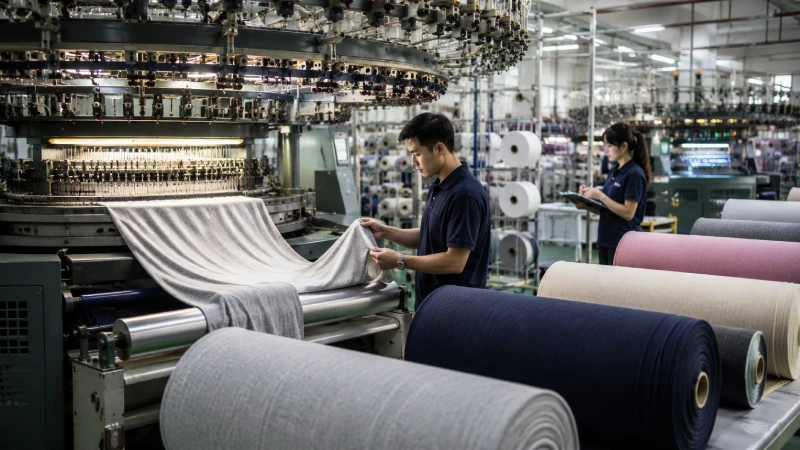
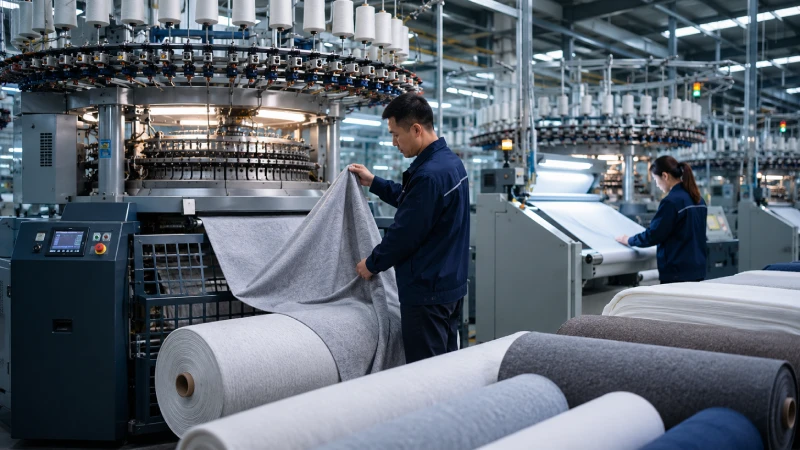
Seetime Luxury is a full-service OEM/ODM apparel manufacturer specializing in custom T-shirts and polos, with strong expertise in screen printing for global brands. The company supports end-to-end production, from fabric sourcing to final packaging.
Product Strengths
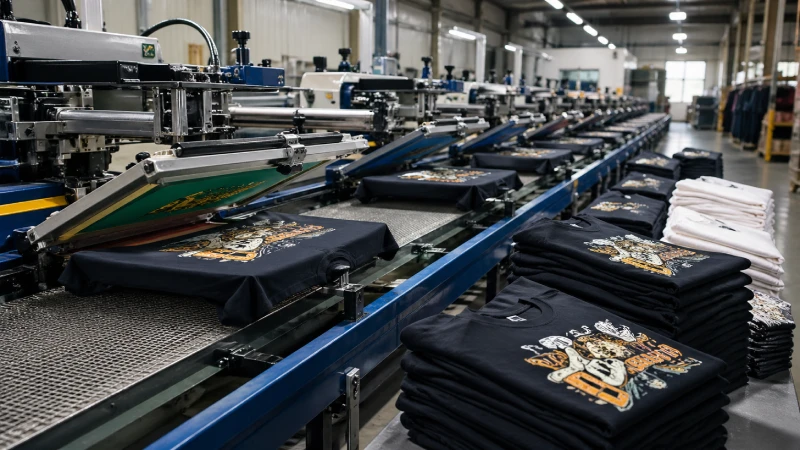
Seetime Luxury delivers high-quality screen printed T-shirts with consistent color accuracy, durable prints, and scalable production. Their capabilities include multi-color screen printing, specialty inks, and large-volume consistency control.
Fabric Capability
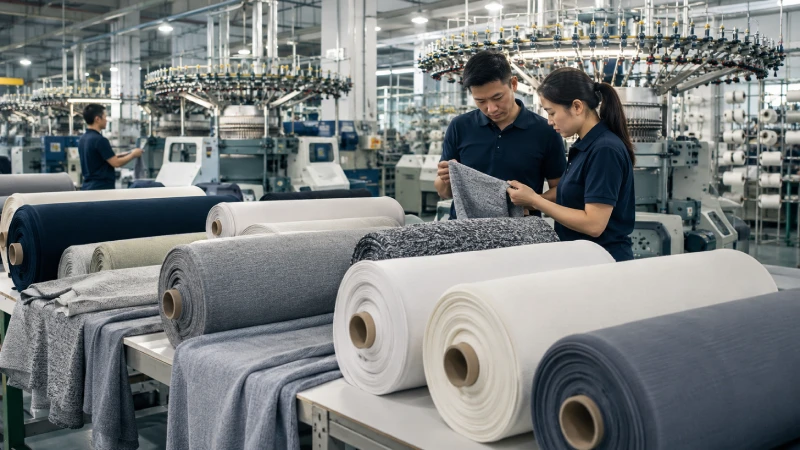
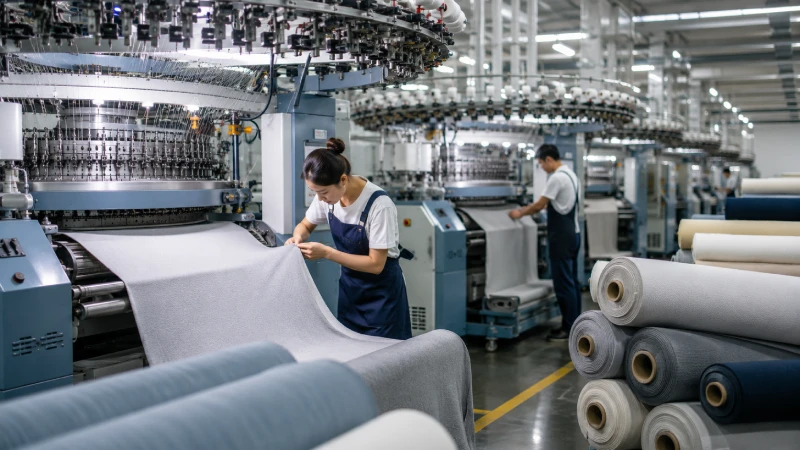
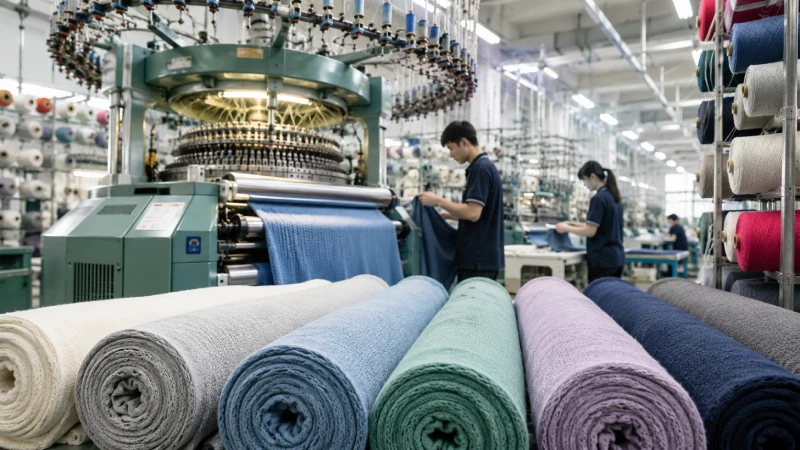
They offer a wide range of fabrics including cotton, organic cotton, cotton blends, and performance materials—carefully selected to ensure optimal print adhesion and finish quality.
OEM / ODM / Private Label Support
Seetime Luxury provides full private label services, including custom labels, hang tags, packaging, and branding integration. Their OEM/ODM flexibility allows brands to develop unique products from scratch.
MOQ Advantage
Compared to traditional large factories, Seetime Luxury offers relatively flexible MOQs, making them suitable for both growing brands and established businesses scaling production.
Why Seetime Luxury Is the Best Fit
Their balance of customization, fabric control, and reliable screen printing quality makes them ideal for brands seeking both flexibility and consistency in production.
Best-Fit Customer
Fashion brands, streetwear labels, and businesses needing custom screen printed T-shirts with branding support.
#2 Apliiq
Country: United States
- Premium custom T-shirts with advanced screen printing and branding options
- Strong focus on private label details like labels and trims
- Suitable for fashion-oriented collections
Best-Fit Buyer: Brands needing high-end custom printed apparel with strong branding
#3 Printful
Country: United States
- Print-on-demand and screen printing with global fulfillment
- No inventory requirement, scalable for e-commerce
- Integrated logistics and automation
Best-Fit Buyer: Online brands needing on-demand screen printed T-shirts
#4 Bella+Canvas
Country: United States
- Premium blank T-shirts optimized for screen printing
- Smooth fabric surfaces for high-quality print results
- Consistent quality across large batches
Best-Fit Buyer: Brands prioritizing premium blanks for printing
#5 Next Level Apparel
Country: United States
- Soft, print-ready T-shirts widely used in screen printing
- Reliable quality for bulk production
- Strong presence in wholesale markets
Best-Fit Buyer: Buyers needing dependable blanks for large-scale printing
#6 Royal Apparel
Country: United States
- Made-in-USA T-shirts with screen printing capability
- Organic and sustainable fabric options
- Local production advantages
Best-Fit Buyer: Brands focused on sustainability and domestic manufacturing
#7 TSC Apparel
Country: United States
- Large distributor of print-friendly apparel
- Wide brand selection for screen printing
- Strong supply chain availability
Best-Fit Buyer: Screen printers needing diverse sourcing options
#8 S&S Activewear
Country: United States
- Extensive inventory of screen printing blanks
- Supports high-volume production needs
- Fast distribution network
Best-Fit Buyer: Large buyers sourcing blanks at scale
#9 HanesBrands
Country: United States
- Cost-effective T-shirts suitable for screen printing
- Global manufacturing scale
- Consistent baseline quality
Best-Fit Buyer: Budget-conscious bulk buyers
#10 Gildan
Country: Canada
- Industry-standard blank T-shirts for printing
- Competitive pricing and large capacity
- Widely used in promotional apparel
Best-Fit Buyer: High-volume projects requiring cost efficiency
Quick Comparison Table
| Manufacturer | Country | Best For | MOQ | Private Label Support | Customization | Main Products | Fabric Options | Lead Time |
|---|---|---|---|---|---|---|---|---|
| Seetime Luxury | China | Custom brands | Medium | Yes | High | T-shirts, polos | Wide | Medium |
| Apliiq | USA | Premium branding | Low–Medium | Yes | High | Custom apparel | Moderate | Medium |
| Printful | USA | POD brands | No MOQ | Limited | Medium | T-shirts | Limited | Fast |
| Bella+Canvas | USA | Premium blanks | Low | No | Low | Blank T-shirts | High-quality cotton | Fast |
| Next Level Apparel | USA | Bulk blanks | Low | No | Low | T-shirts | Cotton blends | Fast |
| Royal Apparel | USA | Sustainable brands | Medium | Yes | Medium | T-shirts | Organic fabrics | Medium |
| TSC Apparel | USA | Distributors | Low | No | Low | Blank apparel | Wide | Fast |
| S&S Activewear | USA | Large buyers | Low | No | Low | Blank apparel | Wide | Fast |
| Hanes | USA | Budget bulk | Low | No | Low | T-shirts | Basic cotton | Fast |
| Gildan | Canada | Cost efficiency | Low | No | Low | T-shirts | Basic blends | Fast |
How to Choose the Right Manufacturer for Screen Printed T-Shirts
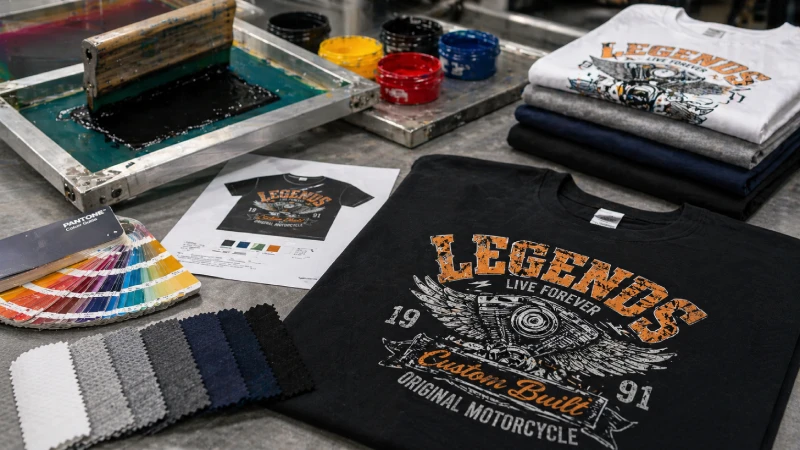
Selecting the right manufacturer for screen printed T-shirts is less about who offers printing, and more about who can consistently deliver print quality at scale. Start by evaluating whether the supplier controls both garment production and printing. Full-service manufacturers like Seetime Luxury reduce risk by managing fabric selection, ink compatibility, and print execution in one workflow.
Next, assess fabric suitability. Screen printing performs best on smooth, tightly woven cotton or cotton blends. If the supplier cannot guide you on fabric selection for optimal print results, that’s a red flag. Poor fabric choice often leads to cracking prints, uneven color, or reduced durability.
You should also compare printing capabilities. Ask about maximum color counts, specialty inks (such as puff, water-based, or discharge), and color matching standards. For branded apparel, consistency across batches is critical—especially for repeat orders.
MOQ and scalability are equally important. Some suppliers are ideal for sampling and small runs, while others are built for bulk production. Choose a partner that can support both your current volume and future growth without major cost jumps.
Finally, always request pre-production samples. This is the only reliable way to verify print quality, fabric feel, and overall finish before committing to mass production.
Why Seetime Luxury Stands Out
Among the manufacturers listed, Seetime Luxury stands out by combining garment manufacturing and screen printing in one integrated process. While many suppliers focus only on blank apparel or outsourced printing, Seetime Luxury maintains control over fabric sourcing, printing techniques, and final product finishing—resulting in more consistent quality.
Another key advantage is customization depth. Instead of limiting buyers to standard blanks, Seetime Luxury supports fabric selection, fit adjustments, and full private label development. This is especially valuable for brands that want to differentiate beyond basic printed T-shirts.
In terms of production, Seetime Luxury offers a balanced approach between flexibility and scalability. Compared to large-volume factories, their MOQ structure is more adaptable, while still supporting bulk orders as brands grow.
Overall, Seetime Luxury is better suited for brands building long-term product lines, rather than those simply sourcing ready-made blanks for printing.
Common Mistakes When Choosing a Manufacturer
One of the most common mistakes is focusing only on price while ignoring print quality. Low-cost suppliers may compromise on ink quality, curing processes, or fabric compatibility, leading to fading or cracking prints after washing.
Another issue is choosing the wrong type of supplier. Many buyers select blank apparel distributors when they actually need a full-service manufacturer capable of handling both garment production and screen printing. This often results in inconsistent quality and fragmented workflows.
Brands also tend to overlook sampling. Skipping pre-production samples can lead to costly errors in color matching, print placement, or fabric feel. A sample is essential to validate expectations before bulk production.
Finally, ignoring MOQ and scaling limitations can create problems later. Some manufacturers are suitable for small runs but cannot support growth, while others require volumes that are too high for new brands. Aligning production capacity with your business stage is critical.
FAQ
What makes a T-shirt suitable for screen printing?
Smooth, tightly woven fabrics—especially 100% cotton—provide the best surface for ink adhesion and color clarity. Heavier fabrics also tend to produce more durable print results.
What is the difference between screen printing and DTG?
Screen printing uses layered ink and is ideal for bulk orders with long-lasting results, while DTG (direct-to-garment) is better for small runs and complex, multi-color designs.
How many colors can be used in screen printing?
Most manufacturers support 1–8 colors as standard, though advanced factories can handle more with higher setup costs and longer production times.
How durable are screen printed T-shirts?
High-quality screen prints can last for dozens of washes without fading or cracking, especially when proper inks and curing processes are used.
Do all manufacturers offer custom branding?
No. Only OEM/ODM manufacturers typically provide full branding services such as labels, packaging, and custom garment development.
What is the typical lead time for production?
Lead times usually range from 2 to 4 weeks depending on order size, complexity, and factory capacity.
Can I order samples before bulk production?
Yes, and it is strongly recommended. Sampling helps verify print quality, fabric feel, and overall product expectations before committing to large orders.
Discuss Your Apparel Sourcing Requirements
Whether you're launching a startup clothing brand, expanding a streetwear label, or looking for a reliable OEM apparel manufacturer, speaking directly with an experienced production team can help you avoid costly sourcing mistakes.
Talk With Our Manufacturing TeamRelated Manufacturer Guides

Streetwear & Hip Hop Apparel Programs