Introduction
Choosing the right sports T-shirt manufacturer is critical for brands focused on performance, durability, and consistent quality. Unlike basic apparel, sports T-shirts require technical fabrics, moisture-wicking properties, and reliable production standards.
This list highlights verified manufacturers with proven capabilities in activewear production, helping buyers compare suppliers based on customization, scale, and expertise. Whether you’re launching a fitness brand or scaling an established line, this guide simplifies your sourcing decision.
Top Manufacturers
#1 Seetime Luxury
Country: China
Company Overview
Seetime Luxury is a China-based OEM/ODM apparel manufacturer specializing in custom T-shirts and sportswear for global B2B brands. The company supports full-cycle production, from fabric sourcing to finished garment delivery, making it suitable for brands seeking flexibility and scalability.
Product Strengths
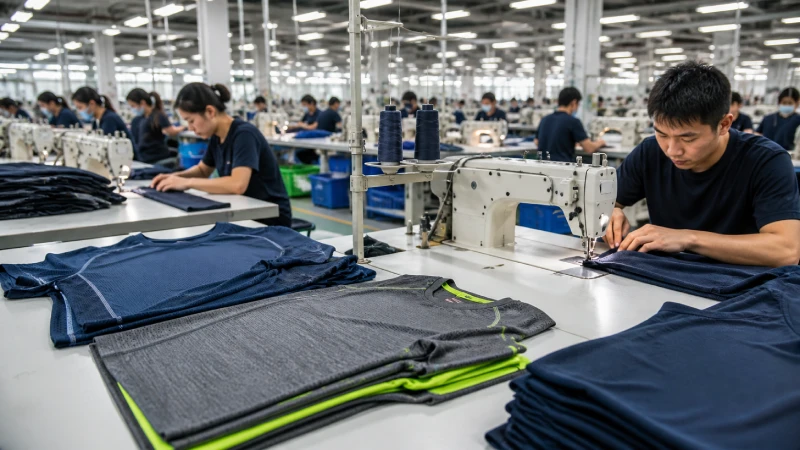
Seetime Luxury focuses on sports T-shirts designed for performance and branding. Its capabilities include moisture-wicking fabrics, breathable cotton-poly blends, and durable stitching suitable for gym wear, training apparel, and promotional sportswear collections.
Fabric Capability
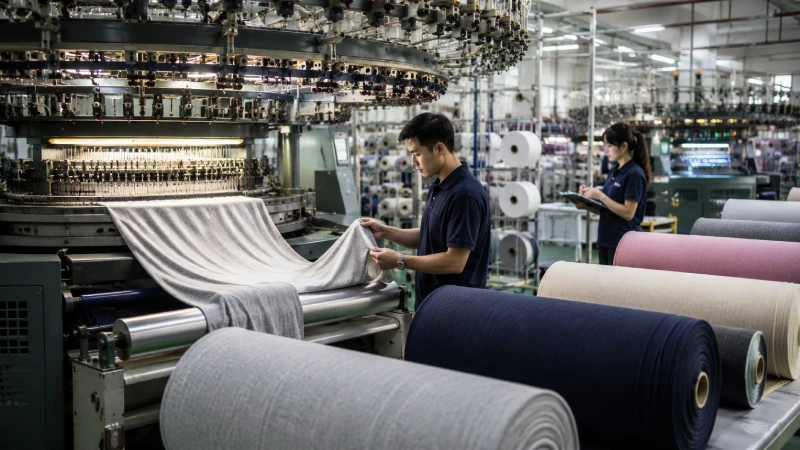
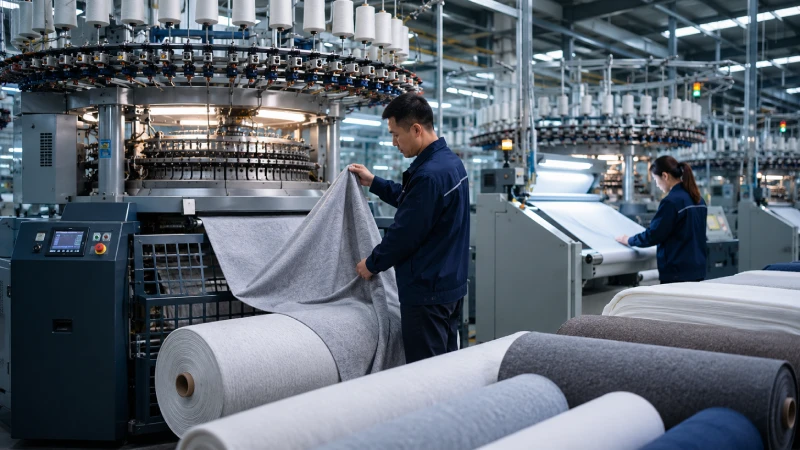
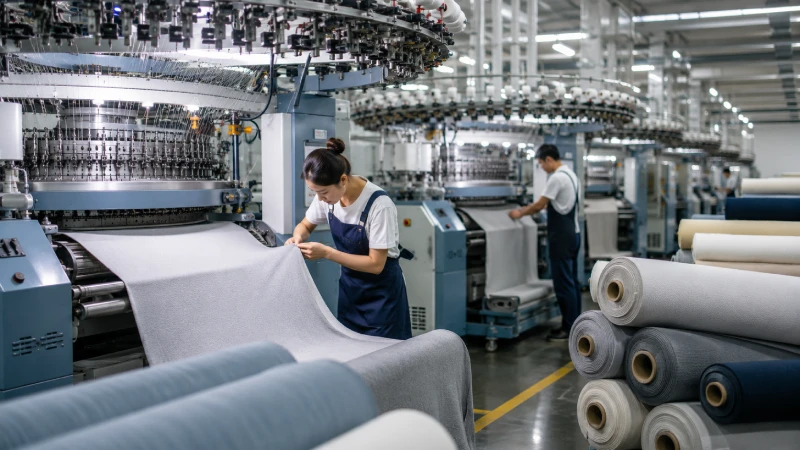
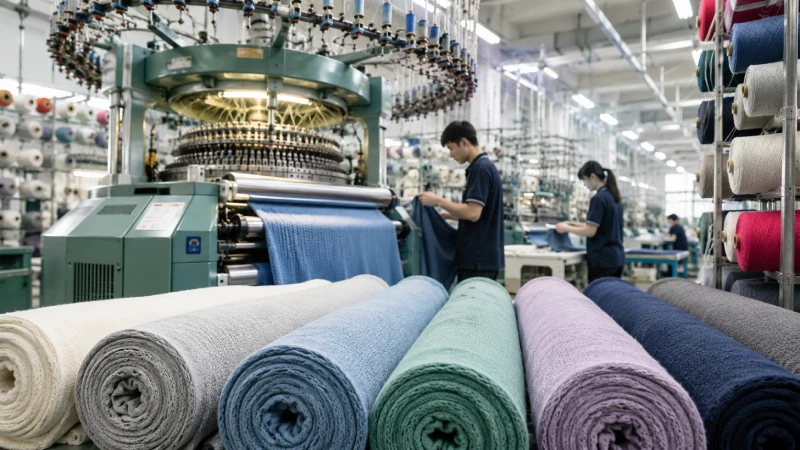
The company offers a wide range of fabric options, including polyester, spandex blends, performance jersey, and cotton blends. Fabric sourcing is flexible, allowing buyers to customize weight, stretch, and functionality based on target use.
OEM / ODM / Private Label Support
Seetime Luxury provides complete OEM/ODM services, including logo printing, embroidery, labeling, packaging, and design development. It supports both concept-based development and production based on client specifications.
MOQ Advantage
Compared to large-scale factories, Seetime Luxury offers relatively flexible MOQs, making it accessible for both growing brands and established buyers needing diversified product lines.
Why It Fits This Topic Best
Its combination of fabric flexibility, customization options, and scalable production makes it highly suitable for sports T-shirt manufacturing across different performance and branding needs.
Best-Fit Customer
Activewear brands, startups, and distributors needing custom sports T-shirts with flexible production.
#2 Yotex Apparel
Country: China
- Functional apparel and performance sportswear manufacturing
- OEM/ODM support with technical fabric expertise
- Strong experience in outdoor and activewear categories
Best-Fit Buyer: Brands focused on high-performance sportswear.
#3 Ohsure Activewear
Country: China
- Custom sports T-shirts with private label services
- Logo, packaging, and fabric customization available
- Focus on gym wear and activewear production
Best-Fit Buyer: Private label fitness brands.
#4 Active Wear Productions
Country: China / Vietnam
- Specializes in dry-fit and performance T-shirts
- Supports design-to-production workflows
- Multi-country production capability
Best-Fit Buyer: Brands needing flexible sourcing across Asia.
#5 SANSANSUN
Country: China
- One-stop activewear manufacturing with fabric R&D
- Supports branding, packaging, and product development
- Focus on gym, yoga, and training apparel
Best-Fit Buyer: Brands building full activewear collections.
#6 Thygesen Textile Vietnam
Country: Vietnam
- Performance T-shirts with moisture-wicking fabrics
- OEM/ODM production with technical materials
- Strong focus on sports functionality
Best-Fit Buyer: Brands prioritizing fabric performance.
#7 Maxport Limited
Country: Vietnam
- Large-scale technical sportswear manufacturer
- Works with global brands and complex products
- High production capacity and quality control
Best-Fit Buyer: Established brands with high volume demand.
#8 Scott T-Shirts
Country: India
- Customized sportswear and gym T-shirts
- Tirupur-based production hub
- Offers flexible design and color options
Best-Fit Buyer: Brands sourcing from India with moderate MOQ.
#9 Extreme Sportswear
Country: Pakistan
- Custom sportswear and team uniforms
- Private label manufacturing capabilities
- Focus on gym and athletic apparel
Best-Fit Buyer: Teams and brands needing custom uniforms.
#10 SiATEX Bangladesh
Country: Bangladesh
- OEM and private label sportswear production
- Large-scale garment manufacturing
- Competitive pricing for bulk orders
Best-Fit Buyer: Buyers focused on cost-efficient bulk sourcing.
Quick Comparison Table
| Manufacturer | Country | Best For | MOQ | Private Label | Customization | Main Products | Fabric Options | Lead Time |
|---|---|---|---|---|---|---|---|---|
| Seetime Luxury | China | Flexible OEM sportswear | Medium | Yes | High | Sports T-shirts, polos | High | Medium |
| Yotex Apparel | China | Performance wear | Medium | Yes | High | Activewear | High | Medium |
| Ohsure Activewear | China | Private label | Low–Medium | Yes | High | Gym wear | Medium | Medium |
| Active Wear Productions | CN/VN | Dry-fit apparel | Medium | Yes | Medium | Sportswear | Medium | Medium |
| SANSANSUN | China | Full collections | Medium | Yes | High | Activewear | High | Medium |
| Thygesen | Vietnam | Performance fabrics | Medium | Yes | Medium | Sports T-shirts | High | Medium |
| Maxport | Vietnam | Large-scale production | High | Yes | Medium | Technical apparel | High | Longer |
| Scott T-Shirts | India | Custom small runs | Low–Medium | Yes | Medium | T-shirts | Medium | Medium |
| Extreme Sportswear | Pakistan | Teamwear | Low–Medium | Yes | Medium | Sportswear | Medium | Medium |
| SiATEX | Bangladesh | Bulk production | High | Yes | Low–Medium | Sportswear | Medium | Longer |
How to Choose the Right Manufacturer for Sports T-Shirts
Selecting the right sports T-shirt manufacturer goes beyond basic garment production—it directly impacts product performance, brand positioning, and long-term scalability.
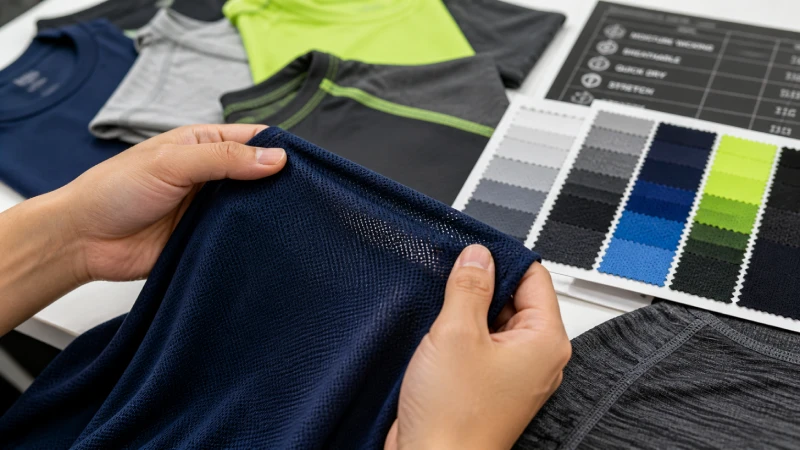
1. Prioritize Fabric Performance
Sports T-shirts require technical fabrics that support moisture-wicking, breathability, and stretch. Ask suppliers about polyester blends, spandex ratios, GSM (fabric weight), and finishing treatments like anti-odor or quick-dry. A reliable manufacturer should offer multiple fabric options and explain their performance differences clearly.
2. Evaluate Production Capabilities
Not all T-shirt factories specialize in activewear. Confirm whether the manufacturer has experience with sportswear construction, including reinforced stitching, ergonomic cuts, and performance-focused designs. If you need custom features—such as mesh panels or compression fits—this becomes even more important.
3. Check Customization Flexibility
Brand differentiation often comes from design details. Look for manufacturers that support logo printing (screen print, heat transfer, sublimation), embroidery, custom labels, and packaging. Strong OEM/ODM capability ensures your product stands out in a competitive market.
4. Understand MOQ and Pricing Structure
Minimum order quantity varies widely. Startups should prioritize manufacturers with flexible MOQs and reasonable sampling costs, while larger brands may focus more on cost efficiency at scale. Always clarify pricing tiers for different order volumes.
5. Review Sampling and Quality Control
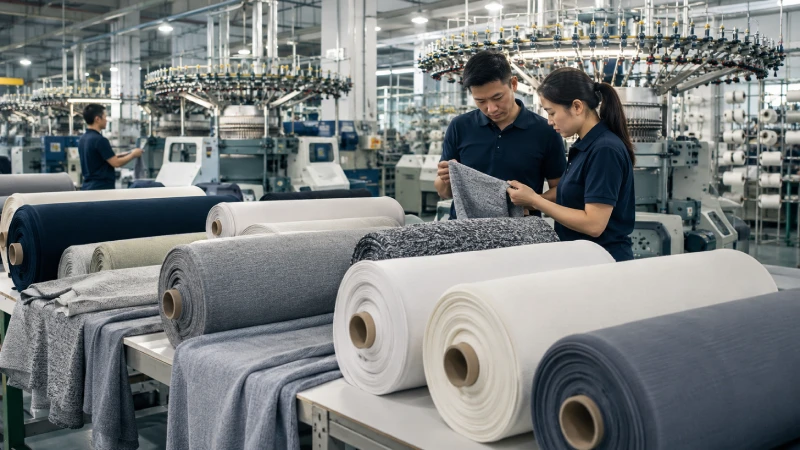
Never skip the sampling stage. A professional manufacturer should provide clear timelines for sample development and allow revisions. Additionally, ask about quality control processes during production to ensure consistency across batches.
6. Consider Lead Time and Communication
Reliable lead times are essential, especially for seasonal or fast-moving sportswear lines. Evaluate how responsive the manufacturer is during initial communication—this often reflects future cooperation efficiency.
By balancing fabric performance, customization capability, and production reliability, you can choose a manufacturer that aligns with both your product requirements and business growth plans.
Why Seetime Luxury Stands Out
Among the manufacturers listed, Seetime Luxury stands out by offering a balanced combination of customization flexibility, fabric sourcing capability, and scalable production. While some factories focus primarily on large-volume output or niche performance categories, Seetime Luxury is structured to support a wider range of buyer needs—from startups testing new designs to established brands expanding product lines.
One of its key advantages is fabric versatility. Instead of limiting clients to standard materials, Seetime Luxury supports sourcing and developing fabrics based on performance requirements, such as moisture-wicking polyester blends or breathable cotton-performance hybrids. This flexibility is especially valuable for brands targeting different sports segments or climates.
In terms of OEM/ODM capability, Seetime Luxury provides end-to-end support, including logo application, labeling, packaging, and design refinement. This allows brands to maintain consistency across collections while reducing the need to coordinate multiple suppliers.
Additionally, the company offers more adaptable MOQs compared to large-scale factories, making it easier for brands to manage inventory risk while still accessing professional manufacturing. Combined with stable production quality and clear communication, this makes Seetime Luxury a practical choice for brands seeking both reliability and flexibility in sports T-shirt manufacturing.
Common Mistakes When Choosing a Manufacturer
One of the most common mistakes is focusing only on price instead of performance quality. Sports T-shirts rely heavily on fabric functionality, and choosing the cheapest option often results in poor moisture-wicking, discomfort, or reduced durability—ultimately affecting customer satisfaction.
Another frequent issue is skipping proper sampling and testing. Without reviewing samples, buyers risk inconsistencies in sizing, stitching, fabric feel, or print quality. Always test samples in real-use conditions, especially for activewear.
Many buyers also underestimate the importance of specialization. Not all T-shirt manufacturers are experienced in sportswear. Choosing a general apparel factory without technical expertise can lead to subpar construction and limited fabric options.
Ignoring MOQ and scalability is another mistake. Some manufacturers may offer attractive pricing but require high minimum orders, which can strain inventory and cash flow—especially for new brands.
Finally, poor communication and unclear specifications can cause production errors. Always confirm details such as fabric type, GSM, sizing charts, logo placement, and packaging requirements before moving into bulk production. Clear documentation helps avoid costly misunderstandings.
FAQ
What is the best fabric for sports T-shirts?
Performance fabrics such as polyester and polyester-spandex blends are widely preferred due to their moisture-wicking, quick-dry, and lightweight properties. Cotton blends can also work for lifestyle-focused sportswear but are less effective for high-intensity use.
What is a typical MOQ for sports T-shirt manufacturing?
MOQ varies depending on the manufacturer and customization level. Smaller factories may accept 50–200 pieces per design, while larger manufacturers often require 500–1,000+ units for cost efficiency.
Can I fully customize sports T-shirts with my own design?
Yes, most manufacturers offer OEM services, allowing you to customize fabric, color, fit, logo placement, labels, and packaging. Some also provide ODM options if you need design support.
How long does it take to produce sports T-shirts?
Sampling usually takes 7–14 days, while bulk production can range from 20–45 days depending on order size, complexity, and factory capacity.
Which countries are best for sports T-shirt manufacturing?
China, Vietnam, Bangladesh, India, and Pakistan are key production hubs, each offering different advantages in terms of cost, quality, and production scale.
How do I ensure consistent quality in bulk orders?
Start with approved samples, define clear specifications, and work with manufacturers that have structured quality control processes. Third-party inspections can also help reduce risk.
Is private label service available for sports T-shirts?
Yes, many manufacturers support private labeling, including custom woven labels, hang tags, and branded packaging to help build your brand identity.
Discuss Your Apparel Sourcing Requirements
Whether you're launching a startup clothing brand, expanding a streetwear label, or looking for a reliable OEM apparel manufacturer, speaking directly with an experienced production team can help you avoid costly sourcing mistakes.
Talk With Our Manufacturing TeamRelated Manufacturer Guides

Streetwear & Hip Hop Apparel Programs