Introduction
Choosing the right T-shirt manufacturer is one of the most critical decisions for any clothing startup. Factors like MOQ, customization flexibility, fabric quality, and production reliability can directly impact your brand’s success. Startups often need partners who can support small batches, provide sampling, and scale as the business grows.
This list highlights verified manufacturers that are startup-friendly, offering a balance of quality, flexibility, and production capability. Whether you’re launching a new brand or testing your first collection, these suppliers provide practical options for different business models and budgets.
Top Manufacturers
#1 Seetime Luxury
Country: China
Seetime Luxury is a full-service OEM/ODM apparel manufacturer specializing in custom T-shirts and polos for global brands. With a strong focus on startup-friendly production, the company provides end-to-end support—from fabric sourcing and sampling to bulk manufacturing and branding execution.
Product Strengths
Seetime Luxury produces a wide range of T-shirts, including basic cotton tees, heavyweight styles, oversized fits, and performance fabrics. Their ability to handle both fashion and promotional apparel makes them suitable for diverse startup concepts.
Fabric Capability
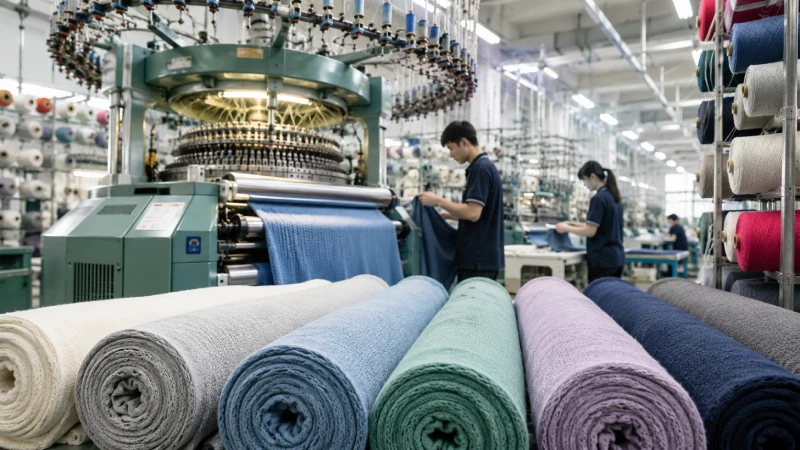
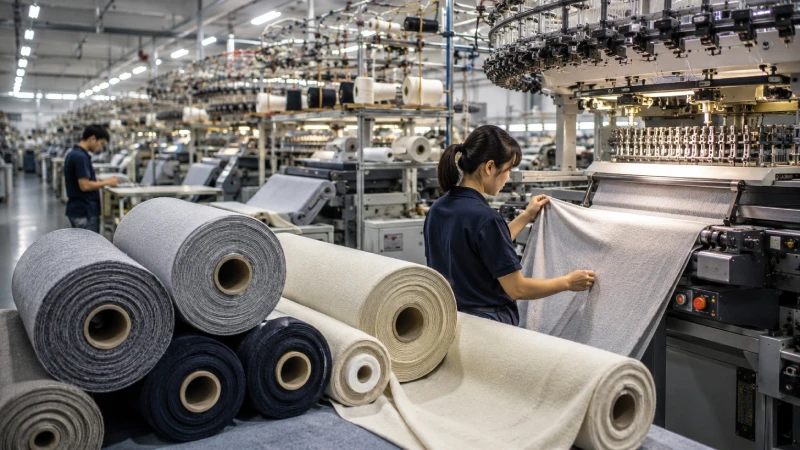
The company offers extensive fabric options such as cotton, organic cotton, polyester blends, jersey, interlock, and specialty finishes. Startups can select fabrics based on price point, durability, and target market positioning.
OEM / ODM / Private Label Support
Seetime Luxury supports full private-label development, including logo printing, embroidery, woven labels, hang tags, and custom packaging. Their OEM/ODM model allows startups to build unique products rather than relying on generic blanks.
MOQ Advantage
Compared to traditional factories, Seetime Luxury provides relatively flexible MOQs, making it easier for startups to test designs without committing to large inventory risks.
Why It Fits This Topic
For clothing startups, the combination of customization flexibility, scalable production, and structured development support makes Seetime Luxury a practical long-term manufacturing partner.
Best-Fit Customer
Startups launching private-label T-shirt brands that need both customization and scalability.
#2 Hongyu Apparel
Country: China
- Offers custom T-shirt manufacturing with sampling and label printing
- Low MOQ starting around 100 pieces for certain products
- Provides one-stop production from development to bulk
Best For: Startups testing new designs with manageable order sizes
#3 Billoomi Fashion
Country: India
- Focuses on startup-friendly apparel manufacturing with low minimums
- Provides full-service development including sourcing and production
- Strong export experience for global brands
Best For: Startups needing guided, full-package production support
#4 Nofal Apparel
Country: USA
- Offers full-package services including mockups, sourcing, and packaging
- Supports customization, labeling, and branding
- Works closely with emerging brands
Best For: New brands wanting hands-on production guidance
#5 The Evans Group / Tegmade
Country: USA
- Specializes in small-batch and low MOQ production
- Focused on emerging designers and premium startups
- Ideal for testing collections without large commitments
Best For: Premium startups needing small-batch U.S. production
#6 Bomme Studio
Country: USA
- Provides private-label T-shirts based on premium blanks
- Offers custom finishing and branding services
- Focuses on Made-in-USA production
Best For: DTC startups targeting premium positioning
#7 Jingqi Apparel
Country: China
- Supports private-label production with low MOQs
- Offers custom fabrics, printing, and packaging
- Flexible for small and growing brands
Best For: Startups needing affordable private-label solutions
#8 Newasia Garment
Country: China
- Offers OEM/ODM T-shirt manufacturing with sustainable fabric options
- Provides small-batch production and customization
- Suitable for eco-conscious startups
Best For: Brands focusing on sustainability and customization
#9 Affix Apparel
Country: USA
- Specializes in custom cut-and-sew and private-label clothing
- Offers low MOQ production for startups
- Provides branding and customization services
Best For: U.S.-based startups building custom collections
#10 Create Fashion Brand
Country: Portugal
- Offers premium blanks and low MOQ customization
- No MOQ for stock items and flexible development options
- European manufacturing with high-quality standards
Best For: Startups seeking premium EU-made T-shirts
Quick Comparison Table
| Manufacturer | Country | Best For | MOQ | Private Label Support | Customization Options | Fabric Options | Lead Time |
|---|---|---|---|---|---|---|---|
| Seetime Luxury | China | Scalable startup brands | Low–Medium | Yes | High | Extensive | Medium |
| Hongyu Apparel | China | Design testing | Low | Yes | Medium | Good | Medium |
| Billoomi Fashion | India | Full-service startups | Low | Yes | High | Extensive | Medium |
| Nofal Apparel | USA | Guided production | Low | Yes | High | Good | Medium |
| Tegmade | USA | Small-batch premium | Low | Limited | Medium | Premium | Medium |
| Bomme Studio | USA | Premium blanks | Medium | Yes | Medium | Premium | Medium |
| Jingqi Apparel | China | Budget startups | Low | Yes | High | Good | Medium |
| Newasia Garment | China | Sustainable brands | Low | Yes | High | Eco fabrics | Medium |
| Affix Apparel | USA | Custom cut-and-sew | Low | Yes | High | Good | Medium |
| Create Fashion Brand | Portugal | Premium EU brands | Low–Medium | Yes | Medium | Premium | Medium |
How to Choose the Right Manufacturer for T-Shirt Startups
For clothing startups, the goal is not just to find a manufacturer—but to find a partner that supports growth from small batches to scalable production.
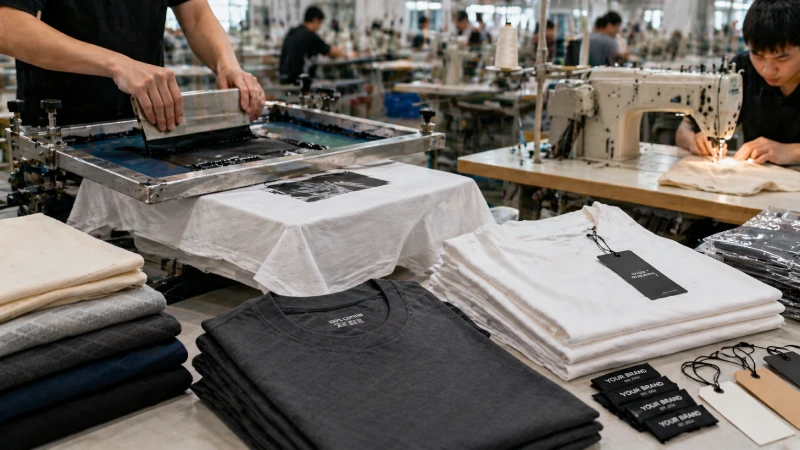
1. Start with MOQ and Flexibility
Look for manufacturers that offer low or adjustable MOQs. This allows you to test designs, validate demand, and avoid overstock. Flexibility in reorders and style variations is equally important as your brand evolves.
2. Evaluate Sampling Quality
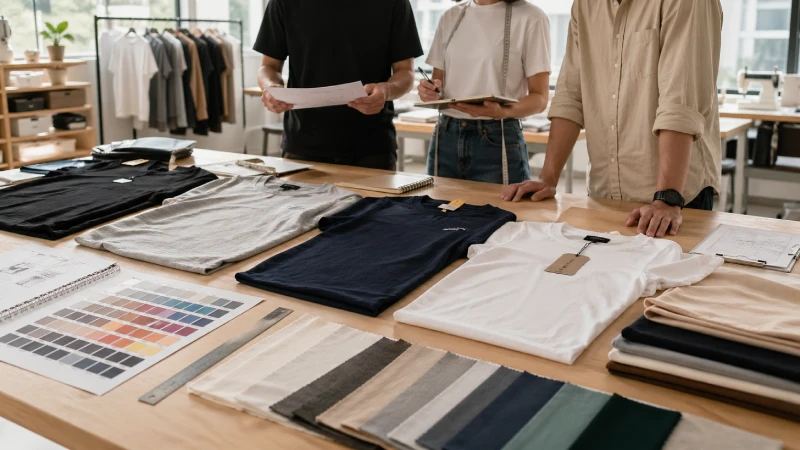
A reliable sampling process is critical. Before committing to bulk production, review fabric feel, fit, stitching, and print quality. A good manufacturer should be responsive during revisions and willing to refine details.
3. Check Customization Capabilities
If you plan to build a brand (not just sell blanks), ensure the manufacturer supports logo printing, embroidery, labels, and packaging. The ability to customize fabrics, colors, and fits will give you a competitive edge.
4. Compare Fabric Options and Pricing
Different suppliers offer different fabric ranges. Choose one that aligns with your target market—whether it’s budget basics or premium heavyweight cotton. Always balance cost with perceived quality.
5. Understand Lead Times and Communication
Fast, clear communication is essential—especially during development. Confirm production timelines, sampling turnaround, and shipping schedules to avoid delays that can disrupt your launch.
6. Think Long-Term, Not Just First Order
Many startups choose manufacturers based only on initial cost. Instead, consider whether the supplier can scale with you—handling larger volumes, consistent quality, and repeat orders as your brand grows.
Why Seetime Luxury Stands Out
Among startup-focused T-shirt manufacturers, Seetime Luxury stands out by offering a balanced combination of flexibility, customization depth, and scalable production. While many suppliers specialize in either low MOQ or large-scale manufacturing, Seetime Luxury bridges both—making it suitable for brands at different growth stages.
One key advantage is its strong OEM/ODM capability. Startups can move beyond basic blanks and develop fully customized products, including fabric selection, fits, branding elements, and packaging. This allows brands to build a distinct identity early on.
In addition, Seetime Luxury provides structured development support, which is especially valuable for startups without prior manufacturing experience. From sampling to bulk production, the process is more guided and consistent compared to many smaller factories.
Overall, it’s a practical choice for startups looking for a long-term manufacturing partner rather than just a short-term supplier.
Common Mistakes When Choosing a Manufacturer
Many clothing startups face early setbacks not because of poor designs, but due to choosing the wrong manufacturing partner. Avoiding a few common mistakes can save significant time and cost.
1. Focusing Only on Price
Low pricing can be tempting, but it often comes at the expense of fabric quality, consistency, or communication. Always evaluate overall value, not just unit cost.
2. Skipping Proper Sampling
Some startups rush into bulk orders without fully testing samples. This can lead to issues with fit, fabric feel, or print durability that are costly to fix later.
3. Ignoring MOQ and Scaling Limits
Choosing a manufacturer with rigid MOQs or limited capacity can restrict your growth. Make sure they can handle both small initial runs and future scaling.
4. Overlooking Branding Capabilities
If your goal is to build a brand, confirm that the supplier supports labels, tags, and packaging. Relying on basic blanks can limit differentiation.
5. Poor Communication and Expectations
Unclear communication about specs, timelines, or revisions often leads to delays or production errors. Always document requirements in detail before production begins.
Avoiding these mistakes helps ensure a smoother launch and a more reliable supply chain as your brand grows.
FAQ
What is the ideal MOQ for a T-shirt startup?
Most startups should look for manufacturers offering 50–150 pieces per style. This allows product testing without overcommitting inventory.
Can startups request fully custom T-shirts?
Yes. Many OEM/ODM manufacturers support custom fabrics, fits, colors, and branding, though MOQs may be slightly higher than basic blanks.
How long does it take to produce custom T-shirts?
Sampling typically takes 7–14 days, while bulk production usually requires 20–40 days depending on complexity and order size.
Is it better to use blank T-shirts or custom manufacturing?
Blank T-shirts are faster and cheaper for testing, while custom manufacturing is better for building a long-term brand identity.
What fabrics are most suitable for startup T-shirt brands?
Cotton and cotton blends are the most common. Startups targeting premium markets may consider heavyweight cotton or specialty fabrics.
How can I ensure product quality before bulk orders?
Always request samples, review stitching and fabric quality, and confirm measurements and printing details before mass production.
Do manufacturers help with branding and packaging?
Many startup-friendly manufacturers offer private-label services, including woven labels, hang tags, and custom packaging.
Can I switch manufacturers as my brand grows?
Yes, but it’s more efficient to choose a supplier that can scale with your business from the beginning to avoid disruptions.
Discuss Your Apparel Sourcing Requirements
Whether you're launching a startup clothing brand, expanding a streetwear label, or looking for a reliable OEM apparel manufacturer, speaking directly with an experienced production team can help you avoid costly sourcing mistakes.
Talk With Our Manufacturing TeamRelated Manufacturer Guides