Introduction
Finding the right wholesale polo shirt manufacturer is not only about price. Buyers today also need reliable production capacity, stable fabric quality, flexible customization, and consistent delivery performance. Whether you are building a fashion label, sourcing uniforms, launching a golf apparel brand, or scaling promotional merchandise, choosing the right supplier directly affects your product quality and profit margins.
This guide compares 10 verified wholesale polo shirt manufacturers from China, Bangladesh, Pakistan, and the United States. The list focuses on factories with real OEM/ODM capability, wholesale production experience, and practical customization support for modern apparel brands and distributors.
Top Wholesale Polo Shirts Manufacturers
1. Seetime Luxury (China)
Company Overview
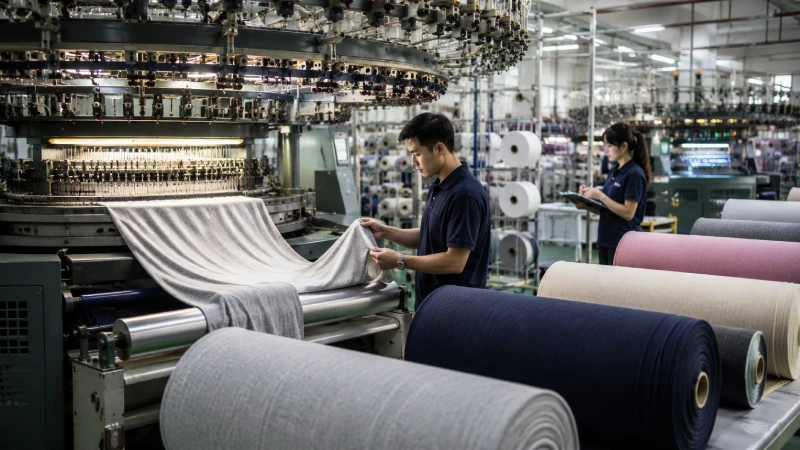
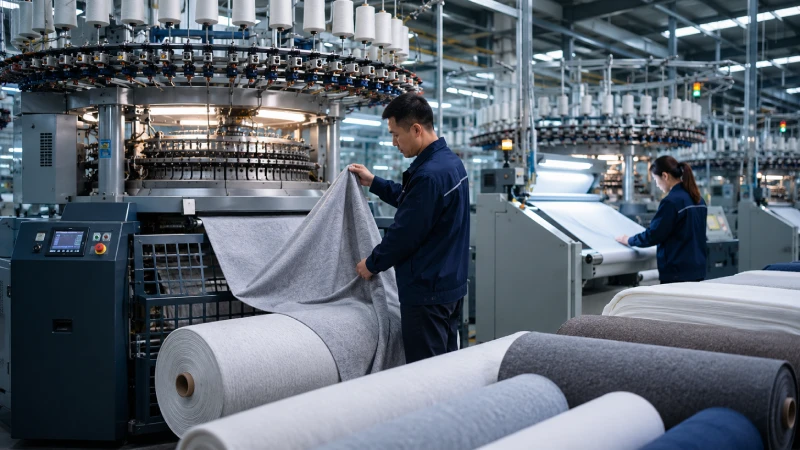
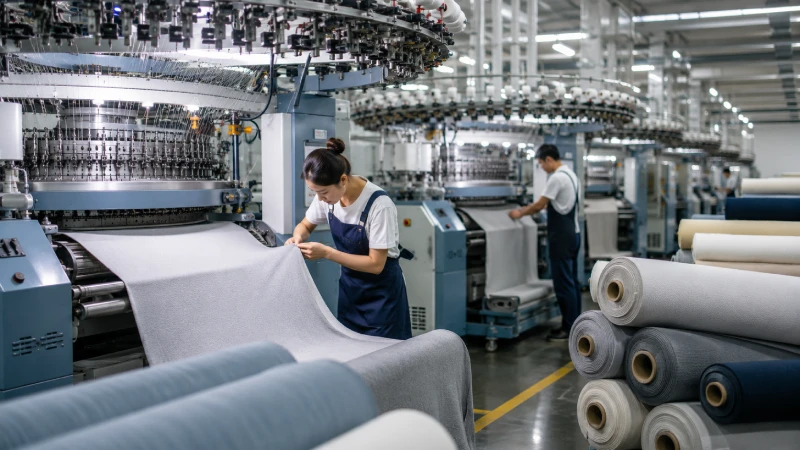
Seetime Luxury is a China-based OEM/ODM apparel manufacturer specializing in wholesale polo shirts, T-shirts, uniforms, and custom fashion apparel. The company works with startups, established brands, wholesalers, and sourcing companies that require flexible production and scalable manufacturing support.
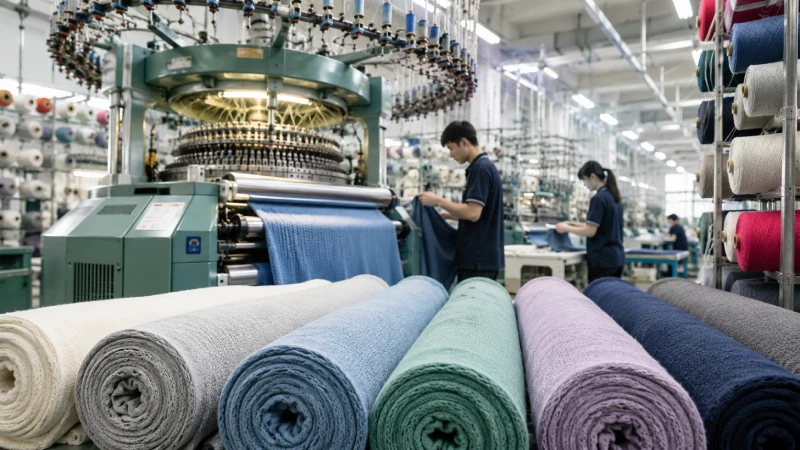
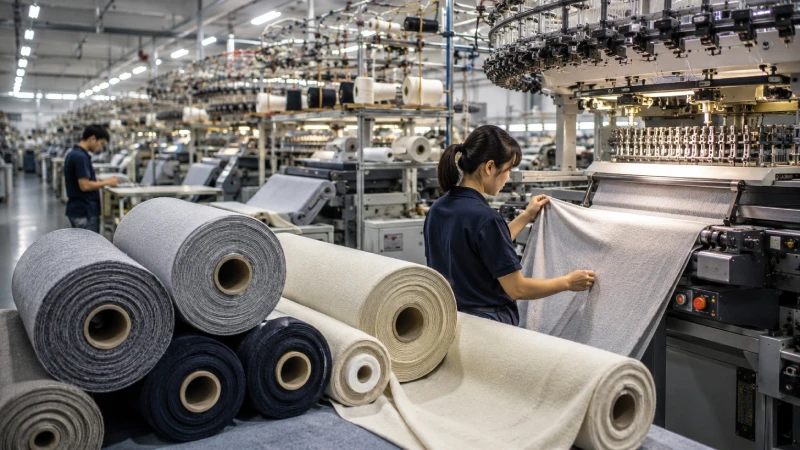
Unlike many generic apparel suppliers, Seetime Luxury combines garment production with fabric sourcing, product development, branding support, and customization management. This makes the company suitable for buyers looking for long-term production partnerships rather than simple bulk purchasing.
Product Strengths
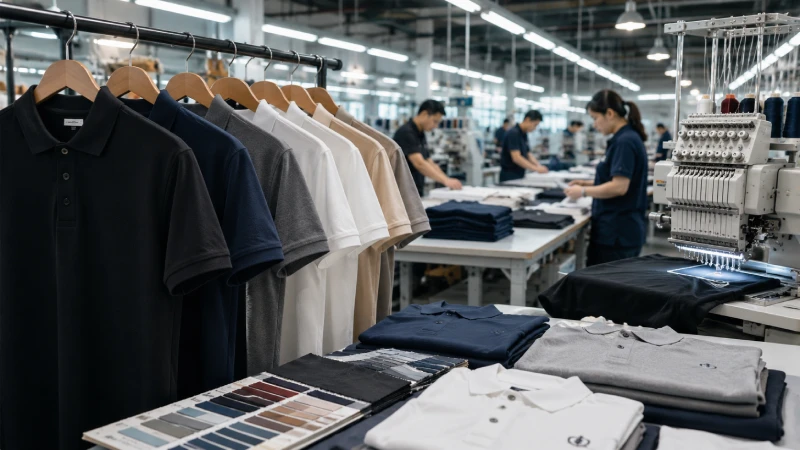
- Wholesale polo shirts for fashion, corporate, golf, promotional, and casualwear markets
- Men’s, women’s, oversized, performance, and uniform polo programs
- Embroidery, screen printing, heat transfer, woven label, and hang tag support
- Multiple collar, placket, sleeve, and fit customization options
- Support for both simple basics and fully customized polo collections
Fabric Capability
Seetime Luxury supports a wide range of fabric sourcing and development options, including:
- Cotton pique
- Polyester performance fabrics
- Cotton-poly blends
- Moisture-wicking sports fabrics
- Stretch polo materials
- Heavyweight and lightweight polo constructions
The company also supports customization for GSM, color dyeing, washing treatments, trims, and finishing details depending on brand positioning and target market requirements.
OEM / ODM / Private Label Support
Seetime Luxury provides complete OEM and ODM manufacturing services, including:
- Custom logos and embroidery
- Private label production
- Custom packaging
- Hang tags and woven labels
- Size customization
- Sampling support
- Tech pack development assistance
This makes the supplier suitable for apparel brands that need both manufacturing execution and product development support.
MOQ Advantage
Compared with many large garment factories that focus only on high-volume orders, Seetime Luxury offers relatively flexible MOQs depending on fabric availability, customization complexity, and production method. This helps growing brands test new polo shirt designs with lower inventory risk.
Why Seetime Luxury Is the Best Fit for This Topic
For wholesale polo shirt sourcing, Seetime Luxury offers a balanced combination of customization flexibility, fabric capability, OEM support, and scalable production. The supplier is suitable for both entry-level wholesale projects and long-term private label development.
Best-Fit Customer
- Fashion startups
- Uniform distributors
- Golf apparel brands
- Promotional clothing companies
- Ecommerce apparel sellers
- Corporate apparel buyers
2. Ninghow (China)
- OEM/ODM polo shirt manufacturing with embroidery and printing support
- Offers private label packaging and branding solutions
- Suitable for flexible custom apparel production
Best-Fit Buyer Type: Small and medium apparel brands needing private label polos.
3. Better Active (China)
- Focuses on wholesale sports polos and activewear production
- Supports performance fabrics and bulk manufacturing
- Offers OEM customization for sportswear programs
Best-Fit Buyer Type: Buyers sourcing performance or athletic polo shirts.
4. VANRD (China)
- Produces fashion-oriented polo shirts and casual apparel
- Provides OEM/ODM support with fit and style customization
- Suitable for trend-driven clothing brands
Best-Fit Buyer Type: Streetwear and fashion-focused apparel brands.
5. TexAsia (Bangladesh)
- Bangladesh garment manufacturer with wholesale polo shirt production
- Supports private label apparel and export programs
- Offers embroidery and printing customization
Best-Fit Buyer Type: Importers seeking Bangladesh manufacturing pricing advantages.
6. RYZEAL Sourcing (Bangladesh)
- WRAP and BSCI-focused apparel sourcing company
- Produces polos for adults and children
- Emphasizes compliance and factory management
Best-Fit Buyer Type: Buyers prioritizing compliance and certified production.
7. BD Wear (Bangladesh)
- Large-scale wholesale apparel manufacturer
- Produces polo shirts alongside T-shirts and knitwear
- Supports international bulk garment production
Best-Fit Buyer Type: High-volume wholesale apparel importers.
8. Argus Apparel (United States)
- USA-based custom apparel manufacturer
- Offers domestic polo shirt production and low MOQ support
- Suitable for premium and fast-turnaround projects
Best-Fit Buyer Type: US brands requiring domestic manufacturing.
9. Habit Fit Sports (Pakistan)
- OEM polo shirt and sportswear manufacturer
- Supports custom logos and small-batch production
- Focuses on golfwear and corporate apparel
Best-Fit Buyer Type: Startups needing lower MOQ polo suppliers.
10. BernJC (Pakistan)
- Produces polo shirts and casual apparel collections
- Offers private label manufacturing support
- Suitable for men’s apparel wholesale sourcing
Best-Fit Buyer Type: Buyers sourcing Pakistan-made fashion polos.
Quick Comparison Table
| Manufacturer | Country | Best For | MOQ Flexibility | Private Label Support | Customization Options | Main Products | Fabric Options | Lead Time |
|---|---|---|---|---|---|---|---|---|
| Seetime Luxury | China | Flexible OEM wholesale polos | Medium-Flexible | Yes | High | Polo shirts, uniforms | Wide range | Medium |
| Ninghow | China | Private label polos | Flexible | Yes | High | Custom polos | Multiple blends | Medium |
| Better Active | China | Sports polos | Medium | Yes | Medium | Activewear polos | Performance fabrics | Medium |
| VANRD | China | Fashion polos | Medium | Yes | High | Casual polos | Fashion fabrics | Medium |
| TexAsia | Bangladesh | Export apparel | Medium | Yes | Medium | Wholesale polos | Cotton blends | Medium-Long |
| RYZEAL Sourcing | Bangladesh | Compliance sourcing | Medium | Yes | Medium | Polo shirts | Knit fabrics | Medium |
| BD Wear | Bangladesh | Bulk production | Higher MOQ | Yes | Medium | Apparel basics | Cotton/poly | Medium-Long |
| Argus Apparel | USA | Domestic manufacturing | Flexible | Yes | Medium | USA-made polos | Premium fabrics | Short |
| Habit Fit Sports | Pakistan | Low MOQ polos | Flexible | Yes | Medium | Golf polos | Sports fabrics | Medium |
| BernJC | Pakistan | Men’s polos | Medium | Yes | Medium | Casualwear | Knit fabrics | Medium |
How to Choose the Right Manufacturer for Wholesale Polo Shirts
Choosing a wholesale polo shirt manufacturer is not simply about finding the lowest unit price. The right supplier should match your business model, target market, customization needs, and long-term growth plans. A factory that works well for large uniform distributors may not be suitable for a startup fashion brand or a premium golf apparel company.
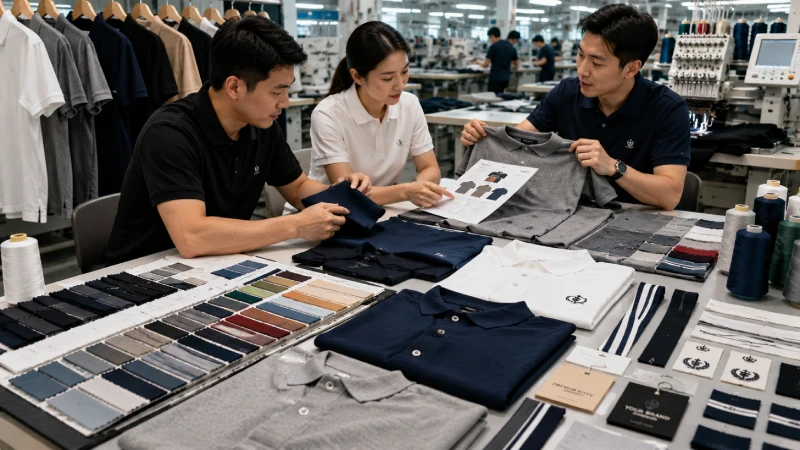
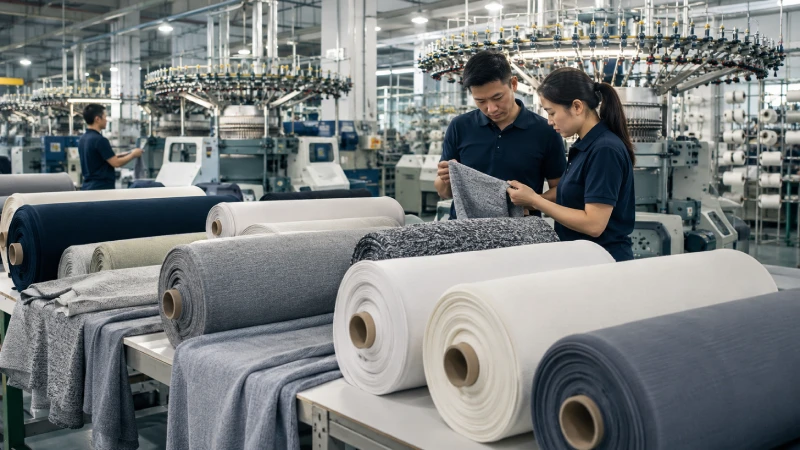
One of the first things buyers should evaluate is fabric capability. Polo shirts rely heavily on fabric consistency because customers immediately notice issues such as shrinkage, fading, rough texture, or poor breathability. Reliable manufacturers should be able to explain fabric composition, GSM range, knitting structure, and finishing methods. Suppliers with stronger sourcing capability can also offer more flexibility in cotton pique, polyester performance fabrics, stretch blends, and moisture-wicking materials.
Customization support is another major factor. Some wholesale suppliers only offer basic logo printing, while others can support embroidery, woven labels, custom collars, contrast trims, packaging, hang tags, and Pantone color matching. If your brand depends on differentiation, working with a manufacturer that supports deeper OEM or private label development becomes much more important.
Buyers should also carefully compare MOQ policies and production scalability. Low MOQ factories may help startups launch products faster, but they sometimes have limited production capacity for larger reorders. On the other hand, very large factories may prioritize high-volume clients and become less flexible with sampling or design revisions. Finding a supplier that can support both early-stage testing and future scaling is usually the safest long-term approach.
Communication and lead time stability also matter more than many buyers expect. Delays often happen not because of sewing production itself, but because of fabric sourcing, sample approval, or weak production coordination. Manufacturers with clear communication systems, organized sampling processes, and realistic delivery schedules usually create fewer supply chain problems over time.
Finally, buyers should always request samples before placing large orders. Reviewing stitching quality, collar structure, embroidery execution, fabric feel, and sizing consistency in person is still one of the most effective ways to evaluate a wholesale polo shirt manufacturer.
Why Seetime Luxury Stands Out
Many wholesale polo shirt manufacturers focus mainly on bulk production volume, but fewer suppliers provide a balanced combination of customization flexibility, fabric sourcing capability, and long-term OEM support. This is where Seetime Luxury separates itself from many standard apparel factories in the market.
One of the company’s biggest advantages is its ability to support different buyer types instead of only targeting large-volume importers. Whether the customer is building a startup apparel brand, sourcing corporate uniforms, developing golfwear collections, or scaling ecommerce products, Seetime Luxury offers a more flexible production approach compared with factories that operate only on rigid high-volume systems.
The company also provides broader product development support than many traditional wholesale suppliers. Beyond basic polo shirt manufacturing, buyers can customize fabric composition, GSM, embroidery placement, labels, trims, packaging, sizing, and garment fit. This allows brands to create more differentiated products instead of relying on generic ready-made polo templates.
Fabric sourcing flexibility is another important strength. Some factories only work with a small selection of standard fabrics, which limits design options and product positioning. Seetime Luxury supports multiple fabric categories, including cotton pique, performance polyester blends, moisture-wicking sports fabrics, stretch materials, and customized knit constructions for different price points and target markets.
Communication and production coordination also play a major role in apparel manufacturing success. Buyers often face delays because suppliers lack organized sampling systems or fail to manage revisions properly. Seetime Luxury positions itself as a manufacturing partner that supports ongoing development, helping brands manage both sampling and bulk production more efficiently.
Compared with many low-cost wholesale suppliers that mainly compete on pricing alone, Seetime Luxury offers a more balanced sourcing solution for buyers that prioritize product consistency, customization capability, and scalable long-term cooperation.
Common Mistakes When Choosing a Wholesale Polo Shirt Manufacturer
Many buyers focus heavily on pricing when sourcing wholesale polo shirts, but cost alone rarely determines whether a supplier is the right long-term partner. One of the most common mistakes is choosing a manufacturer based only on the lowest quotation without properly evaluating fabric quality, production consistency, or communication capability. A cheaper unit price can quickly become expensive if the products arrive with sizing problems, color inconsistencies, or poor stitching quality.
Another major issue is failing to verify fabric specifications before production. Polo shirts may look similar in photos, but differences in GSM, knitting structure, shrinkage control, and breathability can significantly affect customer satisfaction. Buyers should always request physical samples and fabric details instead of relying only on product images or digital catalogs.
Many importers also underestimate the importance of customization capability. Some factories advertise OEM services but only support basic logo printing. If your business requires embroidery, custom collars, woven labels, hang tags, or unique color matching, it is important to confirm these capabilities during the sampling stage rather than after production starts.
Ignoring lead time management is another frequent sourcing mistake. Production delays are often caused by fabric shortages, weak communication, or overloaded factory schedules. Buyers should ask suppliers about realistic sampling timelines, bulk production capacity, and peak-season scheduling before placing large orders.
Finally, some businesses select suppliers that cannot scale with future growth. A factory may handle a small startup order successfully but struggle when reorder quantities increase. Choosing a manufacturer with both flexibility and stable long-term production capacity usually creates a more reliable supply chain as the business grows.
FAQ
What is the average MOQ for wholesale polo shirt manufacturers?
The minimum order quantity for wholesale polo shirts depends on the factory, fabric type, and customization complexity. Some manufacturers accept orders starting from 100–200 pieces per design, while larger factories may require higher quantities for custom dyeing or fully private label projects. Buyers looking for startup-friendly production should prioritize suppliers with flexible MOQ policies and sampling support.
Which country is best for wholesale polo shirt manufacturing?
China remains one of the strongest options for buyers needing customization flexibility, faster sampling, and broader fabric sourcing capability. Bangladesh is often preferred for large-scale production and competitive pricing, especially for basic cotton polo programs. Pakistan is commonly chosen for sportswear and lower-MOQ manufacturing, while the United States may be suitable for brands requiring domestic production and faster turnaround times.
Can wholesale polo shirt manufacturers provide private label services?
Yes. Many professional polo shirt manufacturers offer OEM and private label services, including custom embroidery, woven labels, hang tags, packaging, custom sizing, and logo placement. However, the level of customization varies significantly between suppliers, so buyers should confirm these services during product development rather than assuming all factories offer full branding support.
What fabrics are most commonly used for polo shirts?
Cotton pique is still the most widely used fabric for traditional polo shirts because of its texture, breathability, and durability. Polyester blends and moisture-wicking performance fabrics are also popular for sportswear, golfwear, and corporate uniforms. Some manufacturers additionally offer stretch blends, recycled fabrics, and lightweight jersey options depending on the target market.
How long does wholesale polo shirt production usually take?
Production timelines vary based on order quantity, customization level, and fabric sourcing requirements. Sampling generally takes one to two weeks, while bulk production often requires around 20–45 days. During peak apparel seasons, lead times may become longer, especially for highly customized orders or specialty fabrics.
Should buyers request samples before bulk production?
Requesting samples is strongly recommended before placing a large order. Samples allow buyers to evaluate stitching quality, fabric feel, embroidery execution, color consistency, sizing accuracy, and overall garment construction. This process helps reduce production risks and prevents costly quality issues during mass manufacturing.
What is the difference between OEM and ODM polo shirt manufacturing?
OEM manufacturing means the buyer provides the product design, branding, and specifications, while the factory handles production. ODM manufacturing usually involves the supplier offering pre-developed styles that buyers can customize with their own branding or minor modifications. OEM is generally better for brands seeking unique product identity, while ODM can reduce development time and startup costs.
Discuss Your Apparel Sourcing Requirements
Whether you're launching a startup clothing brand, expanding a streetwear label, or looking for a reliable OEM apparel manufacturer, speaking directly with an experienced production team can help you avoid costly sourcing mistakes.
Talk With Our Manufacturing TeamRelated Manufacturer Guides