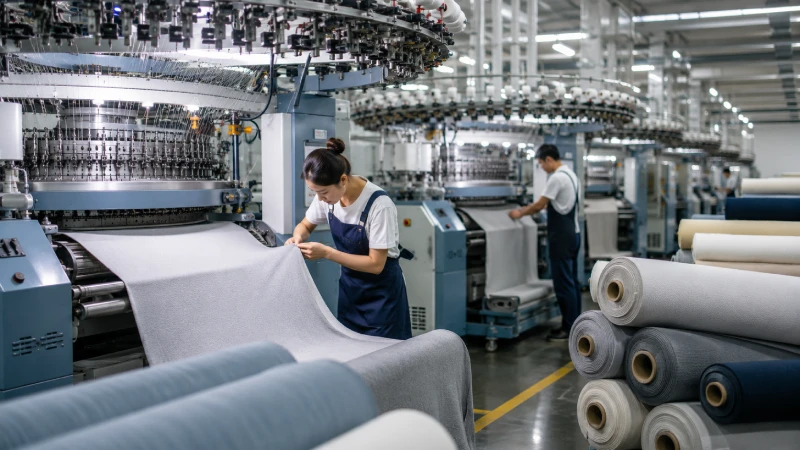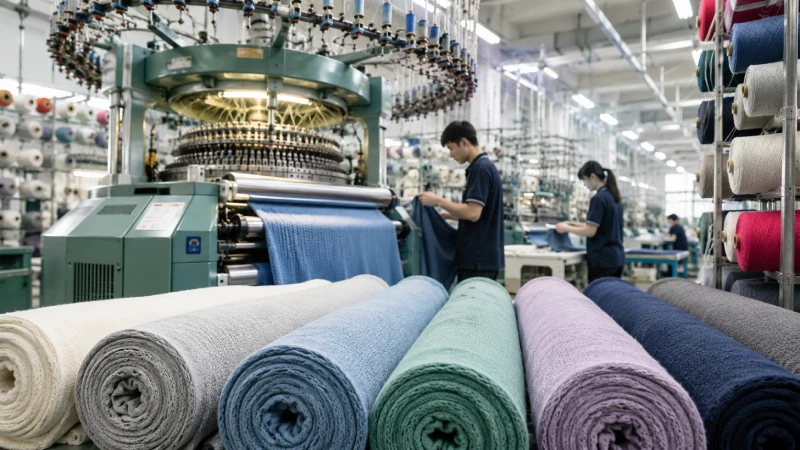
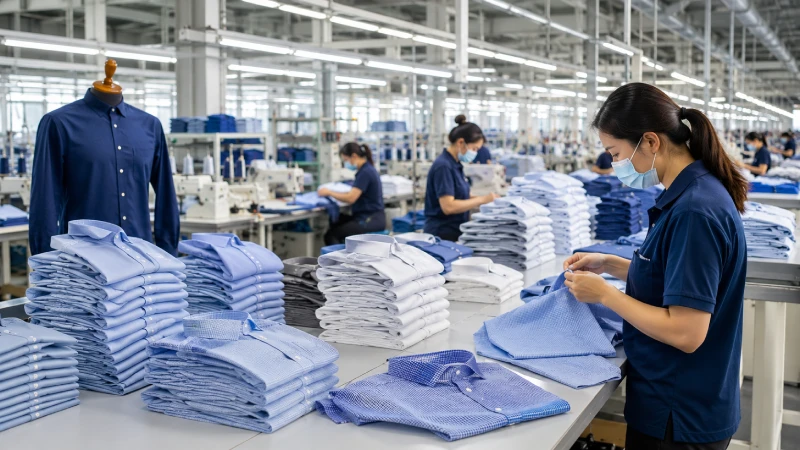
Introduction
Quick Answer
Wholesale shirt buyers should first separate stock or private-label sourcing from OEM product development. A supplier fit depends on the product, quantity, fabric, size range, branding, packaging and delivery requirements rather than a universal “best” label.
Finding a reliable wholesale shirt manufacturer is one of the most important decisions for apparel brands, distributors, promotional product companies, and corporate buyers. The right supplier can help you achieve consistent quality, competitive pricing, stable lead times, and scalable production capacity as your business grows.
However, wholesale shirt manufacturers vary significantly in product range, fabric expertise, minimum order requirements, customization capabilities, and production scale. Some focus on large-volume basic T-shirts, while others specialize in premium woven shirts, private label collections, or OEM production.
This guide compares ten wholesale shirt manufacturers using information published on their official websites. Buyers should verify current commercial and production details directly before choosing a supplier.
Top 10 Wholesale Shirt Manufacturers
#1 Seetime Luxury (China)
Company Overview
Seetime Luxury is a China-based apparel manufacturer specializing in wholesale shirts, T-shirts, polo shirts, hoodies, and custom apparel production. The company works with fashion brands, startups, distributors, promotional product companies, and established retailers seeking flexible manufacturing solutions.
Unlike many factories that focus only on basic blank garments, Seetime Luxury supports both wholesale production and customized OEM/ODM development, allowing buyers to build differentiated product collections while maintaining competitive manufacturing costs.
Product Strengths
- Wholesale T-shirts
- Polo shirts
- Casual shirts
- Fashion shirts
- Corporate apparel
- Streetwear collections
- Uniform programs
Fabric Capability
Seetime Luxury offers a wide range of fabric options including:
- 100% Cotton
- Organic Cotton
- Combed Cotton
- Pima Cotton
- Polyester
- Cotton-Poly Blends
- Performance Fabrics
- Jersey
- Interlock
- Pique
- French Terry
OEM / ODM / Private Label Support
The company provides:
- Custom labels
- Woven labels
- Printed neck labels
- Hang tags
- Custom packaging
- Embroidery
- Screen printing
- DTG printing
- Puff printing
- Heat transfer graphics
MOQ Advantage
Compared with many large-scale factories that require very high production quantities, Seetime Luxury offers relatively flexible MOQs that make sourcing accessible for growing brands while still supporting large wholesale orders.
Why Seetime Luxury Is the Best Fit for This Topic
Wholesale buyers often need more than low pricing. They require reliable quality, fabric flexibility, stable production schedules, and branding support. Seetime Luxury combines wholesale manufacturing capacity with OEM/ODM services, allowing buyers to source both standard wholesale shirts and branded collections from one supplier.
Best-Fit Customer
- Apparel brands
- Promotional merchandise companies
- Retailers
- E-commerce sellers
- Corporate uniform buyers
- Startup fashion brands
#2 Ninghow (China)
- OEM and private label apparel manufacturer.
- Produces T-shirts, polos, uniforms, and promotional garments.
- Strong experience serving international brands and distributors.
Best-Fit Buyer: Businesses seeking flexible custom wholesale shirt production.
#3 YALI Clothing (China)
- Focuses on custom T-shirts, streetwear, and private label apparel.
- Offers OEM/ODM development services.
- Suitable for fashion-oriented wholesale programs.
Best-Fit Buyer: Streetwear and lifestyle apparel brands.
#4 Vanrd (China)
- Large-scale T-shirt and casual apparel manufacturer.
- Supports OEM, ODM, and private label projects.
- Factory-direct wholesale production model.
Best-Fit Buyer: Buyers seeking scalable shirt manufacturing.
#5 Newasia Garment (China)
- Specializes in wholesale T-shirts and custom apparel.
- Offers competitive factory pricing.
- Supports large-volume export orders.
Best-Fit Buyer: Importers and wholesalers sourcing from China.
#6 BD Wear (Bangladesh)
- Bangladesh-based garment manufacturer.
- Produces T-shirts and knitwear for international markets.
- Experienced in bulk apparel exports.
Best-Fit Buyer: Buyers prioritizing competitive production costs.
#7 Headwind Group (Bangladesh)
- T-shirt and knitwear manufacturing specialist.
- Provides certified fabrics and stock fabric options.
- Supports both medium and large orders.
Best-Fit Buyer: Brands seeking Bangladesh production flexibility.
#8 Esquel Group (Hong Kong / China)
- Vertically integrated textile and apparel manufacturer.
- Known for premium shirt production.
- Strong fabric development capabilities.
Best-Fit Buyer: Premium shirt brands and large retailers.
#9 TAL Apparel (Hong Kong / Global)
- Global leader in dress shirt manufacturing.
- Strong innovation and production capacity.
- Extensive experience serving international fashion brands.
Best-Fit Buyer: Buyers requiring premium formal shirt programs.
#10 Royal Apparel (United States)
- USA-made wholesale apparel manufacturer.
- Provides private label shirt production.
- Focuses on domestic manufacturing and sustainability.
Best-Fit Buyer: Companies seeking Made-in-USA shirt production.
Quick Comparison Table
| Manufacturer | Country | Best For | MOQ | Private Label Support | Customization Options | Main Products | Fabric Options | Lead Time |
|---|---|---|---|---|---|---|---|---|
| Seetime Luxury | China | Flexible wholesale production | Medium | Yes | High | Shirts, T-shirts, Polos | Extensive | Medium |
| Ninghow | China | Custom apparel brands | Medium | Yes | High | Shirts, Uniforms | Extensive | Medium |
| YALI Clothing | China | Streetwear brands | Medium | Yes | High | T-shirts | Extensive | Medium |
| Vanrd | China | Large wholesale orders | Medium-High | Yes | High | T-shirts | Extensive | Medium |
| Newasia Garment | China | Importers | Medium-High | Yes | Medium | T-shirts | Standard | Medium |
| BD Wear | Bangladesh | Cost-focused sourcing | High | Limited | Medium | T-shirts | Standard | Medium-Long |
| Headwind Group | Bangladesh | Knitwear production | Medium | Yes | Medium | T-shirts | Good | Medium |
| Esquel Group | China | Premium shirts | High | Yes | High | Woven Shirts | Advanced | Long |
| TAL Apparel | Global | Formal shirts | High | Yes | High | Dress Shirts | Advanced | Long |
| Royal Apparel | USA | Domestic production | Medium | Yes | Medium | T-shirts | Good | Medium |
How to Choose the Right Manufacturer for Wholesale Shirts
Choose Your Wholesale Shirt Sourcing Route
| Your project need | Recommended starting point |
|---|---|
| Existing shirt style with a label or logo | Private-label or existing-style route |
| New fabric, fit, construction or branding detail | OEM development with an approved specification |
| Smaller initial quantity | Review MOQ feasibility against the full product brief |
| Several apparel categories in one collection | Plan shared specifications, approvals and delivery requirements |
For custom performance-apparel routes, see custom activewear manufacturing support. For smaller launches, review the low MOQ activewear manufacturing route. See the factory production workflow before finalising your brief. Send your references, quantities and target market through the contact form.
Selecting the right wholesale shirt manufacturer involves much more than comparing prices. A supplier that offers low costs but struggles with quality consistency, delivery schedules, or communication can create long-term challenges for your business. The best manufacturing partner should align with your product goals, target market, and growth plans.
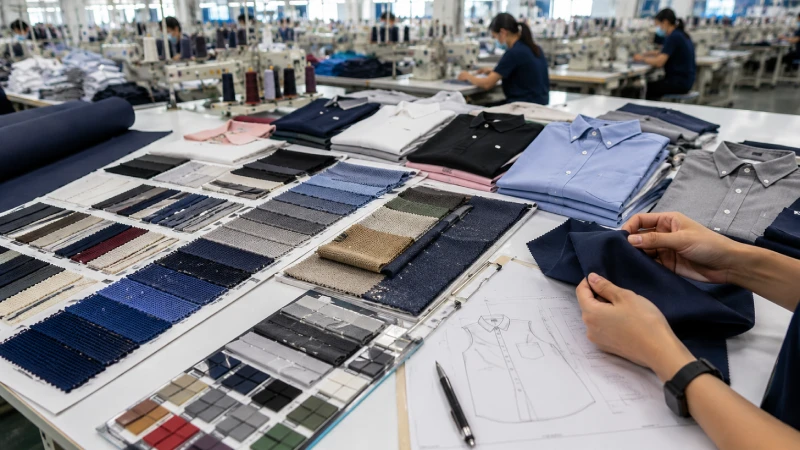
Define Your Product Requirements First
Before contacting manufacturers, clearly define the type of shirts you want to source. Basic promotional T-shirts, fashion-focused streetwear, premium polo shirts, and formal woven shirts all require different production capabilities. Understanding your fabric preferences, sizing requirements, printing methods, and target price point will help narrow down suitable suppliers more efficiently.
Evaluate Fabric and Material Options
Fabric quality is one of the most important factors affecting customer satisfaction and product performance. Ask potential manufacturers about available materials such as combed cotton, organic cotton, polyester blends, pique fabrics, or performance textiles. Manufacturers with broader fabric sourcing capabilities can provide more flexibility as your product line expands.
Consider MOQ and Scalability
Minimum order quantity (MOQ) requirements vary significantly between factories. Startups and small businesses may prefer manufacturers with flexible MOQs, while larger wholesalers may prioritize factories capable of handling high-volume production. It is also important to ensure the manufacturer can scale with your business as demand increases.
Review Production Capacity and Lead Times
Reliable lead times are essential for inventory planning and seasonal product launches. Ask manufacturers about their monthly production capacity, average production schedules, and peak-season lead times. A supplier with strong production planning can help reduce stock shortages and delivery delays.
Check Quality Control Procedures
Consistent quality is critical when purchasing wholesale shirts. Look for manufacturers that conduct fabric inspections, in-line production checks, and final quality audits before shipment. Request product samples whenever possible to evaluate stitching quality, fabric feel, color consistency, and overall workmanship.
Assess Communication and Customer Support
Effective communication often separates reliable manufacturers from problematic suppliers. Fast response times, clear quotations, and transparent production updates indicate a professional operation. Strong communication becomes especially important when managing repeat orders, product revisions, or custom manufacturing projects.
Choose a Long-Term Manufacturing Partner
Rather than focusing solely on the lowest price, consider the overall value a manufacturer can provide. Factors such as product quality, flexibility, production stability, and business support often have a greater impact on long-term profitability than small differences in unit cost. A dependable manufacturing partner can help streamline sourcing, improve product consistency, and support future growth.
Why Seetime Luxury Stands Out
Among the wholesale shirt manufacturers featured in this list, Seetime Luxury stands out by combining wholesale production capabilities with flexible OEM and private label services. While some factories primarily focus on large-volume manufacturing or specific product categories, Seetime Luxury offers a more balanced solution for businesses that require both scalability and customization.
One of the company’s key advantages is its broad product range. In addition to wholesale shirts, Seetime Luxury manufactures T-shirts, polo shirts, hoodies, and other apparel products. This allows buyers to consolidate sourcing with a single supplier rather than managing multiple factories for different garment categories.
Fabric flexibility is another important differentiator. Many wholesale buyers eventually expand beyond basic cotton shirts and require access to premium fabrics, performance materials, organic cotton, or custom fabric blends. Seetime Luxury’s sourcing capabilities make it easier for brands to diversify their product offerings without changing manufacturing partners.
The company also provides comprehensive OEM and private label support. Services such as custom labels, hang tags, embroidery, printing, and packaging help businesses create branded products that stand out in competitive markets. This level of support is particularly valuable for growing apparel brands and retailers seeking to establish a stronger brand identity.
Compared with large-scale manufacturers that often require substantial order quantities, Seetime Luxury offers greater flexibility for businesses at different stages of growth. Whether a buyer is launching a new product line or placing larger wholesale orders, the company can accommodate a range of production needs.
Ultimately, Seetime Luxury appeals to buyers looking for a combination of quality, customization, production reliability, and long-term manufacturing support. Rather than serving solely as a garment supplier, the company positions itself as a strategic manufacturing partner capable of supporting business growth over time.
Common Mistakes When Choosing a Wholesale Shirt Manufacturer
Selecting a wholesale shirt manufacturer can significantly impact product quality, profit margins, and customer satisfaction. While many buyers focus primarily on pricing, overlooking other critical factors can lead to costly mistakes later. Understanding these common pitfalls can help you make a more informed sourcing decision.
Choosing the Lowest Price Without Considering Quality
One of the most common mistakes is selecting a manufacturer solely based on the lowest quotation. Extremely low pricing may indicate lower-quality fabrics, inconsistent workmanship, or insufficient quality control processes. A slightly higher production cost often results in better durability, improved customer satisfaction, and fewer product returns.
Ignoring Fabric Specifications
Many buyers compare shirt prices without paying close attention to fabric composition, weight, and finishing treatments. Two shirts may appear similar in photos but perform very differently in terms of comfort, shrinkage, color retention, and longevity. Always review fabric details before placing bulk orders.
Failing to Request Samples
Ordering production without evaluating samples can create unnecessary risks. Samples allow buyers to assess stitching quality, fabric feel, sizing accuracy, print quality, and overall construction before committing to larger quantities. This small investment can prevent expensive mistakes during mass production.
Overlooking Production Capacity
A manufacturer may produce excellent samples but struggle to handle larger order volumes. Before establishing a long-term partnership, verify the factory’s production capacity, workforce, and ability to scale as your business grows. Reliable capacity planning helps avoid shipment delays and inventory shortages.
Not Verifying Communication Standards
Poor communication often leads to misunderstandings regarding specifications, delivery schedules, and quality expectations. Manufacturers that respond slowly or provide unclear information during the quotation stage may create even greater challenges once production begins. Clear and responsive communication is a key indicator of a reliable supplier.
Focusing Only on Current Needs
Many businesses choose a manufacturer based solely on their immediate requirements without considering future growth. Ideally, your manufacturing partner should be capable of supporting new product categories, larger order volumes, and additional customization needs as your brand expands. Building a long-term relationship with the right supplier can reduce sourcing complexity and improve operational efficiency over time.
FAQ
What is the typical MOQ for wholesale shirt manufacturers?
Minimum order quantities vary depending on the manufacturer, product type, and level of customization required. Large-scale factories may require several hundred or even thousands of pieces per style, while more flexible manufacturers can accommodate smaller orders. Buyers should always discuss MOQ requirements early in the sourcing process to ensure they align with inventory budgets and sales forecasts.
Which country is best for wholesale shirt manufacturing?
There is no single best country for every buyer. China is often preferred for its broad manufacturing capabilities, fabric sourcing network, and customization options. Bangladesh is known for competitive labor costs and large-scale garment production, while the United States appeals to buyers seeking domestic manufacturing and shorter supply chains. The right choice depends on your quality expectations, budget, and target market.
How long does wholesale shirt production usually take?
Production lead times typically range from 20 to 60 days after sample approval, depending on order quantity, fabric availability, and factory workload. More complex products or peak-season orders may require additional time. Buyers should also account for shipping transit times when planning inventory replenishment or product launches.
Can wholesale shirt manufacturers help with branding and private label services?
Many modern shirt manufacturers offer private label services beyond simple garment production. These services may include custom woven labels, printed neck labels, hang tags, packaging, embroidery, and branded graphics. Working with a manufacturer that supports branding can help businesses create a more professional and recognizable product line.
What should I ask a manufacturer before placing a bulk order?
Before committing to a large order, buyers should ask about MOQ requirements, available fabrics, production capacity, lead times, quality control procedures, sample policies, and customization options. It is also helpful to request product samples and discuss communication processes to ensure expectations are clearly aligned before production begins.
Discuss Your Apparel Sourcing Requirements
Whether you're launching a startup clothing brand, expanding a streetwear label, or looking for a reliable OEM apparel manufacturer, speaking directly with an experienced production team can help you avoid costly sourcing mistakes.
Talk With Our Manufacturing TeamRelated Manufacturer Guides

Streetwear & Hip Hop Apparel Programs