Introduction
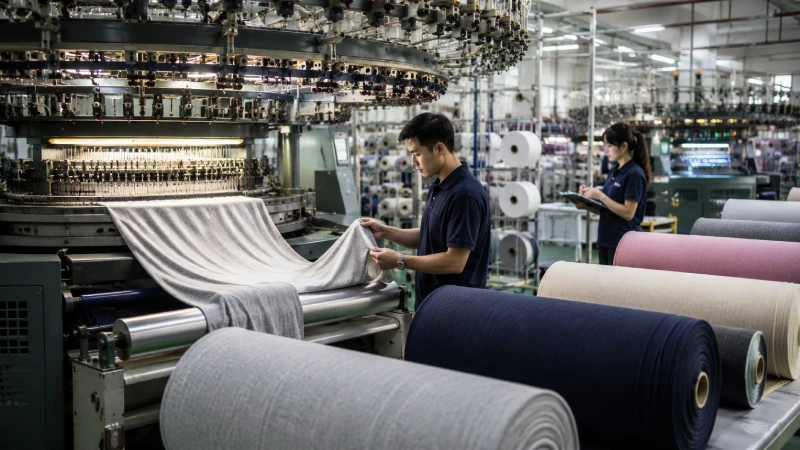
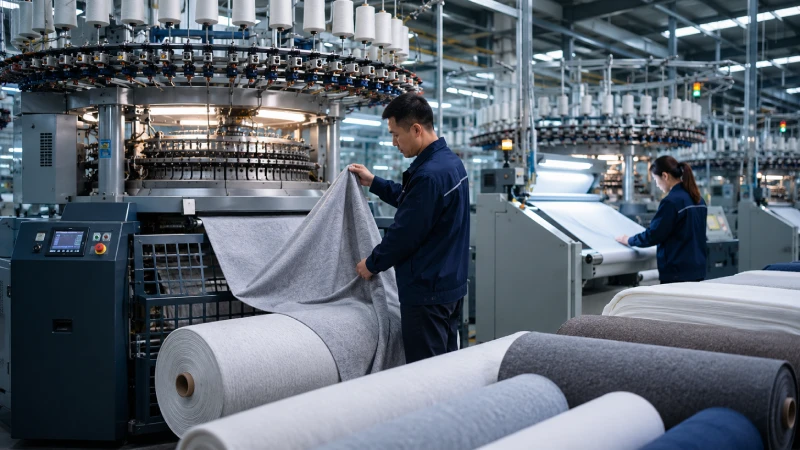
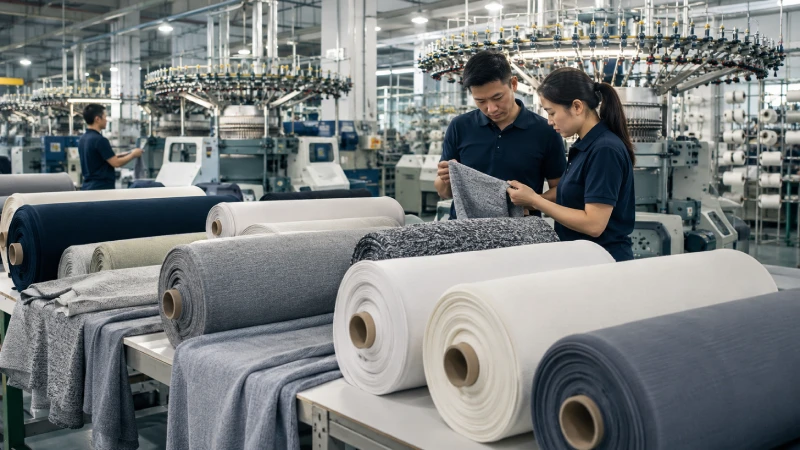
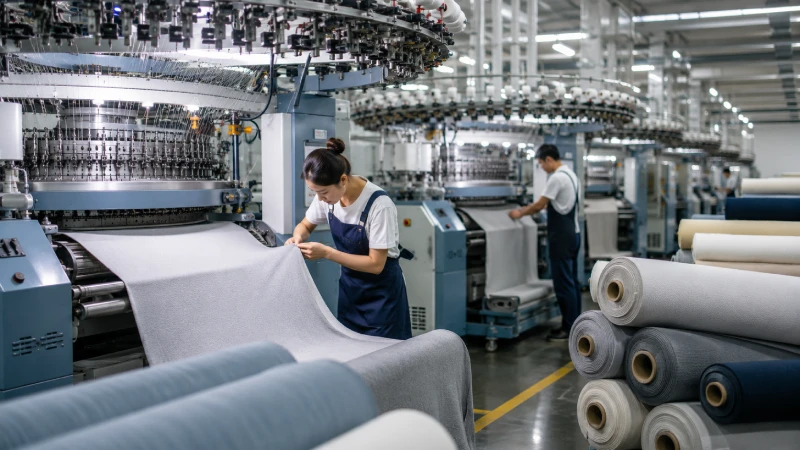
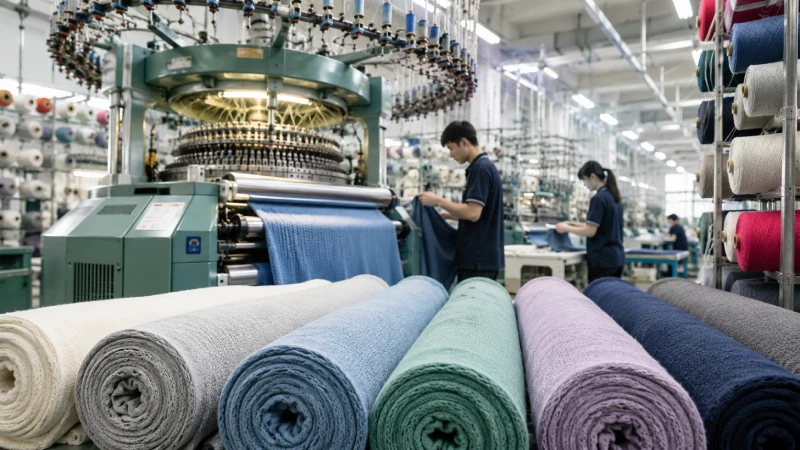
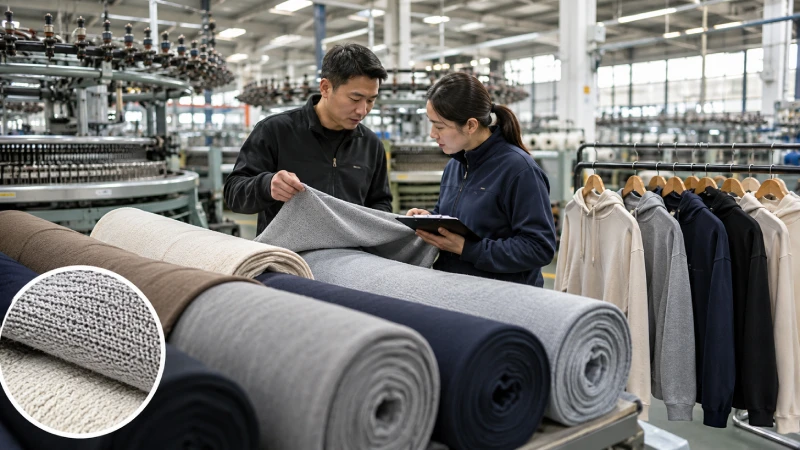
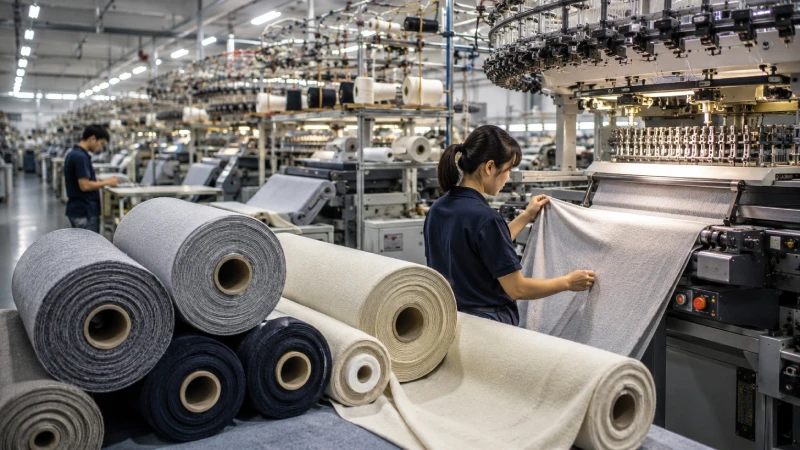
French terry fabric remains one of the most widely used knit fabrics for hoodies, sweatshirts, joggers, sportswear, and casual apparel. Buyers looking for reliable French terry fabric suppliers often compare factors such as fabric composition, GSM flexibility, dyeing capability, MOQ, lead time, and OEM/ODM support.
This list highlights verified French terry fabric suppliers worldwide that serve apparel brands, wholesalers, startups, and garment manufacturers. Some suppliers focus on bulk knitted fabric production, while others offer low MOQ programs, custom fabric development, organic options, or full-package apparel manufacturing support. The goal of this guide is to help buyers quickly compare suppliers based on sourcing needs, production scale, and customization requirements.
Top French Terry Fabric Suppliers Worldwide
#1 Seetime Luxury (China)
Seetime Luxury is a China-based OEM/ODM apparel and knitted fabric supplier specializing in French terry fabric, jersey fabrics, hoodie materials, sweatshirt textiles, and custom apparel manufacturing. The company supports both fabric sourcing and finished garment production, making it suitable for brands that want an integrated supply chain partner rather than only a fabric wholesaler.
One of Seetime Luxury’s strengths is its flexibility in French terry fabric development. Buyers can customize cotton/poly blends, organic cotton options, GSM ranges, fabric widths, dyeing methods, brushed finishes, and garment applications depending on the target market. The company supports French terry fabrics for streetwear, sportswear, activewear, oversized hoodies, sweatshirts, and casual fashion collections.
In addition to fabric supply, Seetime Luxury also provides OEM/ODM apparel services including pattern development, sampling, logo printing, embroidery, woven labels, packaging customization, and bulk garment manufacturing. This is particularly useful for startups and fashion brands looking to combine material sourcing with production management under one supplier.
Compared with many fabric-only suppliers, Seetime Luxury offers stronger integration between fabric development and finished apparel manufacturing. Buyers can streamline communication, reduce sourcing complexity, and manage fabric consistency more effectively during production scaling.
Product Strengths
- French terry fabric customization
- Hoodie and sweatshirt fabric sourcing
- OEM/ODM garment manufacturing
- Fabric + apparel integrated production
- Flexible GSM and composition options
MOQ Advantage
- Suitable for both developing brands and scalable bulk orders
- Sampling support available for product development
Best Fit For
Brands needing both French terry fabric sourcing and full apparel manufacturing support.
#2 Suerte Textile (China)
- Custom French terry fabric supplier with dyeing, printing, and GSM customization
- Focused on activewear, loungewear, and knitted fabric production
- Supports customized fabric colors and fabric compositions
Best-Fit Buyer Type: Apparel brands needing flexible knit fabric customization.
#3 Starke Textile (China)
- Supplies French terry, brushed terry, jacquard terry, and printed terry fabrics
- Offers multiple fabric finishing options for sportswear and casualwear
- Strong knitted fabric product variety
Best-Fit Buyer Type: Buyers sourcing multiple terry fabric finishes from one supplier.
#4 Leen International Fabrics Pvt. Ltd. (India)
- Indian knitted fabric manufacturer specializing in cotton French terry
- Supports customized GSM, width, and color programs
- Serves wholesalers, exporters, and apparel factories
Best-Fit Buyer Type: Bulk cotton French terry buyers in India and export markets.
#5 Greene Textile (United States)
- Los Angeles-based knit fabric manufacturer
- Produces French terry and fleece fabrics domestically
- Supports in-stock and production programs
Best-Fit Buyer Type: Brands prioritizing USA-made French terry fabrics.
#6 Fairway Fabrics (United States)
- Wholesale supplier of French terry, fleece, recycled cotton, and Supima fabrics
- Strong domestic sourcing capabilities
- Suitable for garment production in the U.S. market
Best-Fit Buyer Type: U.S. apparel manufacturers needing wholesale knit fabrics.
#7 Eagle Fabrics (United States)
- Offers French terry alongside fleece, jersey, and rib knit fabrics
- Known for ready-to-ship inventory and flexible ordering
- Supports small-batch purchasing
Best-Fit Buyer Type: Small brands requiring low-volume or fast-turn sourcing.
#8 FabricLA (United States)
- Supplies 100% cotton French terry fabrics produced in the USA
- Offers fabric-by-yard and wholesale purchasing
- Provides detailed fabric specifications
Best-Fit Buyer Type: Buyers needing USA cotton French terry in smaller quantities.
#9 Nature’s Fabrics (United States)
- Focuses on organic cotton French terry and sustainable knit fabrics
- Provides natural fiber and eco-conscious textile options
- Suitable for sustainable apparel programs
Best-Fit Buyer Type: Eco-focused brands sourcing organic French terry fabrics.
#10 L.A. Fabric Imports (United States)
- Wholesale fashion fabric distributor with French terry inventory
- Los Angeles-based sourcing access
- Supports fashion and casualwear fabric purchasing
Best-Fit Buyer Type: Fashion brands needing wholesale French terry access in Los Angeles.
Quick Comparison Table
| Manufacturer | Country | Best For | MOQ Flexibility | OEM/ODM Support | Fabric Customization | Main Products | Lead Time |
|---|---|---|---|---|---|---|---|
| Seetime Luxury | China | Fabric + apparel manufacturing | Flexible | Yes | High | French terry, hoodies, sweatshirts | Medium |
| Suerte Textile | China | Custom knit fabrics | Medium | Partial | High | French terry, activewear fabrics | Medium |
| Starke Textile | China | Multiple terry finishes | Medium | Partial | High | Brushed and jacquard terry | Medium |
| Leen Knits | India | Bulk cotton French terry | Medium | Limited | Medium | Cotton knit fabrics | Medium |
| Greene Textile | USA | USA-made production | Medium | Limited | Medium | French terry and fleece | Short |
| Fairway Fabrics | USA | Wholesale domestic sourcing | Medium | Limited | Medium | French terry and fleece | Short |
| Eagle Fabrics | USA | Small-batch sourcing | Low | Limited | Medium | Knit fabrics | Short |
| FabricLA | USA | Cotton French terry | Low | Limited | Medium | Cotton knit fabrics | Short |
| Nature’s Fabrics | USA | Organic fabrics | Low | Limited | Medium | Organic cotton terry | Short |
| L.A. Fabric Imports | USA | Wholesale fashion fabrics | Medium | Limited | Medium | French terry fabrics | Short |
How to Choose the Right Manufacturer for French Terry Fabric
Choosing the right French terry fabric supplier is not only about price. Buyers should evaluate fabric consistency, production capability, customization flexibility, and long-term supply reliability before placing bulk orders.
Understand Your Fabric Requirements First
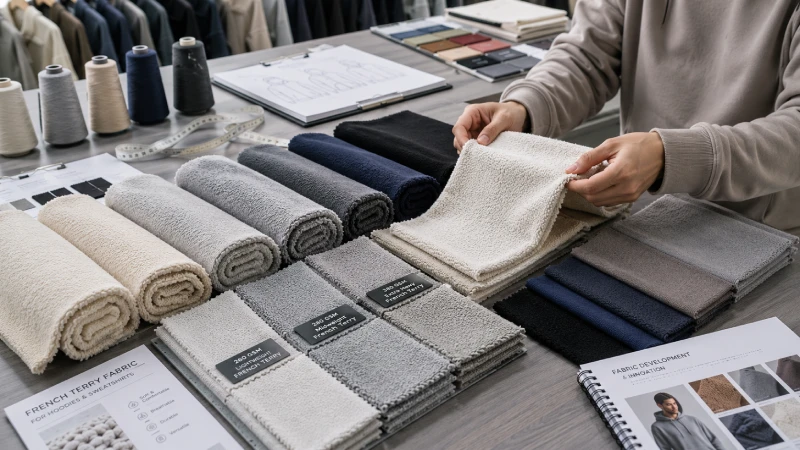
Before contacting suppliers, define the exact specifications needed for your products. French terry fabric can vary significantly depending on:
- Cotton or polyester blend ratio
- GSM (fabric weight)
- Fabric width
- Loop structure
- Stretch performance
- Brushed or unbrushed finish
For example, lightweight French terry works better for activewear and spring collections, while heavyweight French terry is more suitable for hoodies and winter sweatshirts.
Evaluate Fabric Development Capability
Not all suppliers can handle custom fabric development. Some only sell ready-stock fabrics, while others support:
- Custom dyeing
- Pantone color matching
- Printing
- Enzyme washing
- Brushing
- Moisture-wicking finishes
- Sustainable fabric programs
Brands developing unique collections should prioritize suppliers with stronger R&D and sampling capabilities.
Check MOQ and Production Flexibility
MOQ requirements vary widely between suppliers. Large textile mills may require higher volumes, while some suppliers support low MOQ sampling or startup-friendly production.
Buyers should also confirm:
- Sample lead time
- Bulk production timeline
- Reorder flexibility
- Inventory consistency
- Fabric availability during peak seasons
Verify Quality Control Standards
French terry fabric quality directly affects garment performance and customer satisfaction. Reliable suppliers should provide:
- GSM consistency
- Shrinkage control
- Colorfastness testing
- Pilling resistance
- Fabric inspection reports
Requesting swatches and test samples before bulk production is strongly recommended.
Consider Full-Service Manufacturing Support
Some companies only provide fabric, while others also support OEM/ODM apparel production. Full-service suppliers can help simplify sourcing by combining:
- Fabric sourcing
- Pattern development
- Garment manufacturing
- Printing and embroidery
- Private label packaging
This approach often improves communication efficiency and production consistency for growing apparel brands.
Compare Lead Time and Communication Efficiency
Fast response time and clear communication are often overlooked when choosing suppliers. Delays in approvals, fabric revisions, or production updates can affect the entire apparel supply chain.
Experienced suppliers with export experience usually provide more stable production management and smoother international cooperation.
Why Seetime Luxury Stands Out
Among the French terry fabric suppliers listed in this guide, Seetime Luxury stands out because it combines knitted fabric sourcing with OEM/ODM apparel manufacturing services. Many suppliers mainly focus on wholesale fabrics, but Seetime Luxury supports both fabric development and finished garment production, which can simplify the sourcing process for apparel brands.
One of the company’s key advantages is its flexibility in French terry fabric customization. Buyers can develop fabrics based on:
- GSM requirements
- Cotton/poly blend ratios
- Organic cotton options
- Dyeing and washing methods
- Brushed or unbrushed finishes
- Intended garment applications
This flexibility makes the supplier suitable for a wide range of products including hoodies, sweatshirts, joggers, activewear, and streetwear collections.
Another important difference is Seetime Luxury’s integrated production capability. In addition to fabric sourcing, the company also supports:
- Pattern development
- Sampling
- Logo printing
- Embroidery
- Woven labels
- Private packaging
- Bulk apparel manufacturing
For growing brands, working with a supplier that handles both materials and garment production can help reduce communication gaps between fabric mills and clothing factories.
Seetime Luxury is also positioned well for brands that need scalable production rather than only stock fabrics. The company supports both development-stage projects and larger bulk manufacturing programs, making it suitable for startups, private label brands, wholesalers, and established apparel companies.
Compared with fabric distributors that mainly resell existing inventory, Seetime Luxury provides a more manufacturing-oriented approach focused on long-term apparel production support.
Common Mistakes When Choosing a French Terry Fabric Supplier
Selecting the wrong French terry fabric supplier can create long-term problems for apparel quality, production timelines, and brand reputation. Many buyers focus too heavily on price while overlooking factors that directly affect manufacturing consistency and product performance.
Prioritizing Low Price Over Fabric Quality
Cheaper French terry fabrics may look similar initially, but lower-quality materials often lead to:
- Excessive shrinkage
- Fabric twisting
- Poor colorfastness
- Pilling after washing
- Inconsistent GSM
Poor-quality fabric can increase return rates and negatively impact customer satisfaction, especially for premium apparel brands.
Ignoring Fabric Weight and Structure
French terry fabric is available in many different weights and loop constructions. Buyers sometimes select fabrics without fully understanding how GSM affects the final garment.
For example:
- Lightweight French terry works better for activewear and spring collections
- Midweight terry is commonly used for casualwear
- Heavyweight terry is preferred for hoodies and winter garments
Choosing the wrong fabric structure can affect comfort, durability, and overall garment positioning.
Not Requesting Fabric Samples
Relying only on photos or supplier descriptions is risky. Fabric texture, softness, stretch recovery, and finishing quality should always be checked physically before bulk production.
Professional buyers typically request:
- Fabric swatches
- Lab dips
- Wash test samples
- Shrinkage reports
- Trial yardage
This helps avoid unexpected production issues later.
Overlooking MOQ and Reorder Capability
Some textile mills are optimized for very large production runs and may not be suitable for smaller or developing brands. Buyers should confirm:
- Minimum order quantity
- Color MOQ
- Sampling cost
- Reorder flexibility
- Fabric stock availability
This is especially important for seasonal collections and startups with limited inventory planning.
Choosing Suppliers Without Apparel Production Knowledge
Fabric-only suppliers may not fully understand garment manufacturing requirements. Issues such as sewing performance, print compatibility, and garment washing behavior can become problems during production.
Working with suppliers that also understand OEM/ODM apparel manufacturing can help improve communication, reduce development errors, and create smoother production coordination.
FAQ
What is French terry fabric commonly used for?
French terry fabric is widely used for hoodies, sweatshirts, joggers, sportswear, and casual apparel because it offers a balance between softness, breathability, and moderate warmth. Compared with heavier fleece fabrics, French terry is more versatile for year-round clothing collections and is especially popular in streetwear and athleisure markets.
What is the difference between French terry and fleece fabric?
The main difference is the inner fabric structure. French terry features visible looped yarns on the inside, while fleece fabrics are brushed to create a thicker and softer texture. French terry is generally lighter, more breathable, and better suited for layering or transitional weather, whereas fleece provides stronger insulation for colder environments.
Which GSM is best for French terry fabric?
The ideal GSM depends on the garment application and target market. Lightweight French terry fabrics are often used for activewear and spring apparel, while medium and heavyweight options are more common for hoodies, sweatshirts, and premium streetwear. Brands should choose GSM based on climate, garment structure, and customer preferences.
Can French terry fabric be customized?
Yes. Many French terry fabric suppliers offer customization services including fabric composition adjustments, GSM development, dyeing, printing, washing treatments, brushed finishes, and sustainable fabric programs. Some suppliers also support custom color matching and performance fabric enhancements for sportswear applications.
What is the typical MOQ for French terry fabric orders?
MOQ varies depending on whether buyers select stock fabrics or fully customized production. Ready-stock French terry fabrics may support smaller orders, while custom-developed fabrics usually require higher minimum quantities due to dyeing and knitting production requirements. Startup brands should confirm MOQ policies before beginning sample development.
Which countries are strongest for French terry fabric manufacturing?
China, India, and the United States are among the leading sourcing regions for French terry fabrics. China is known for large-scale customization and OEM/ODM manufacturing support, India is highly competitive in cotton knit fabric production, and U.S. suppliers are often preferred for domestic sourcing and faster replenishment timelines.
Discuss Your Apparel Sourcing Requirements
Whether you're launching a startup clothing brand, expanding a streetwear label, or looking for a reliable OEM apparel manufacturer, speaking directly with an experienced production team can help you avoid costly sourcing mistakes.
Talk With Our Manufacturing TeamRelated Manufacturer Guides