
Wool Rib Knit Fabric for Thermal Apparel and Knitwear
Wool rib knit fabric is widely used for thermal tops, long-sleeve base layers, knit loungewear, underwear, casual apparel, and lightweight outerwear. Its soft hand feel and natural warmth make it suitable for autumn and winter garment collections.
| Fabric Specifications | |||
|---|---|---|---|
| Material | 79–98% Wool, 2–4% Spandex / Nylon | Fabric Structure | 1×1 Rib Knit |
| Weight (GSM) | 175–200 gsm | Yarn Count | 40s |
| Width | 175 cm | Knitting Gauge | 16 Gauge |
| Elasticity | Natural stretch with added recovery | Knitting Method | Circular Knitting |
| Fabric Finish | Dyed, Soft-Touch Finish | Season | Autumn / Winter / Spring |
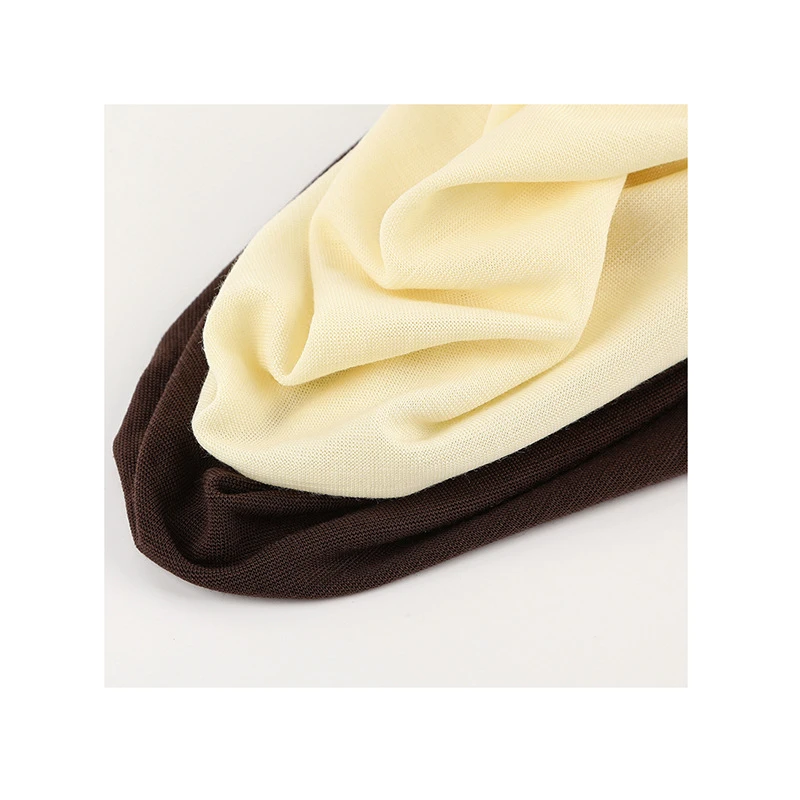
| Color Options | Solid Dyed, Custom Colors Available | MOQ | 200 kg per color |


Planning a custom apparel project? Explore our Custom OEM process or request a quote with your fabric, logo and quantity requirements.
Product Overview & Key Features
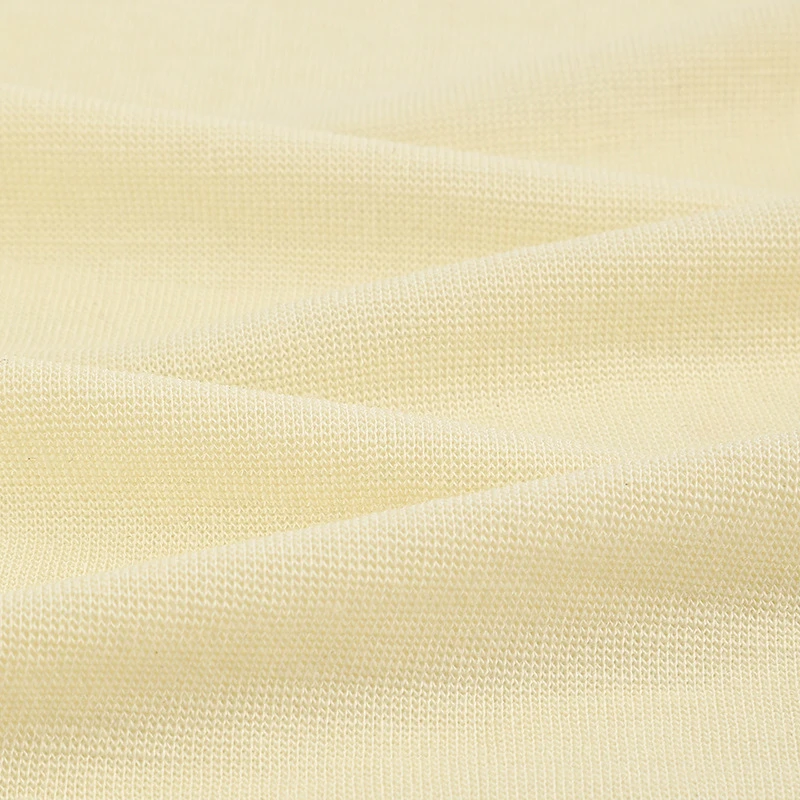
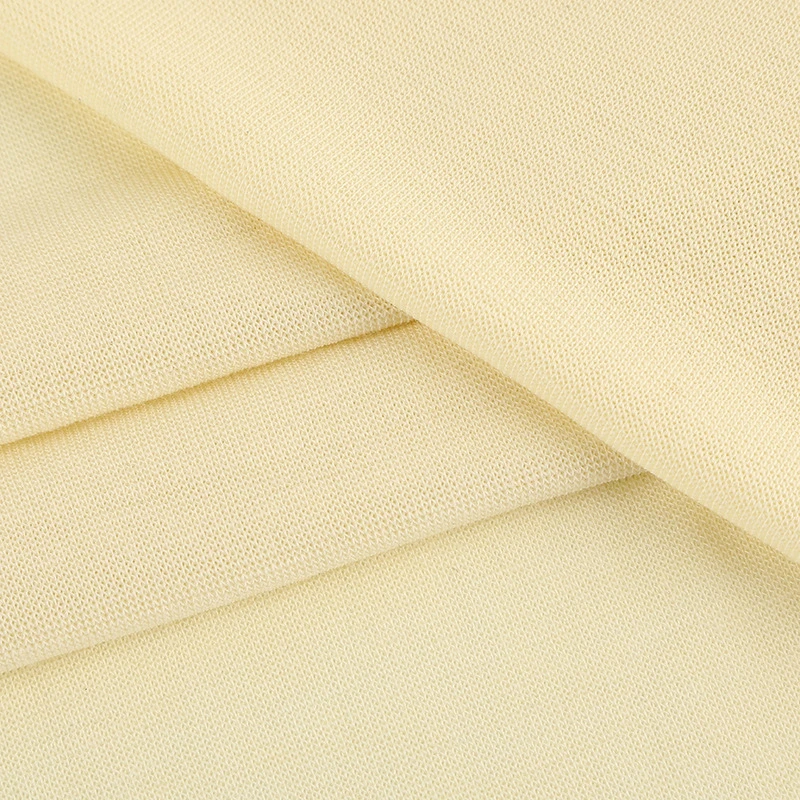
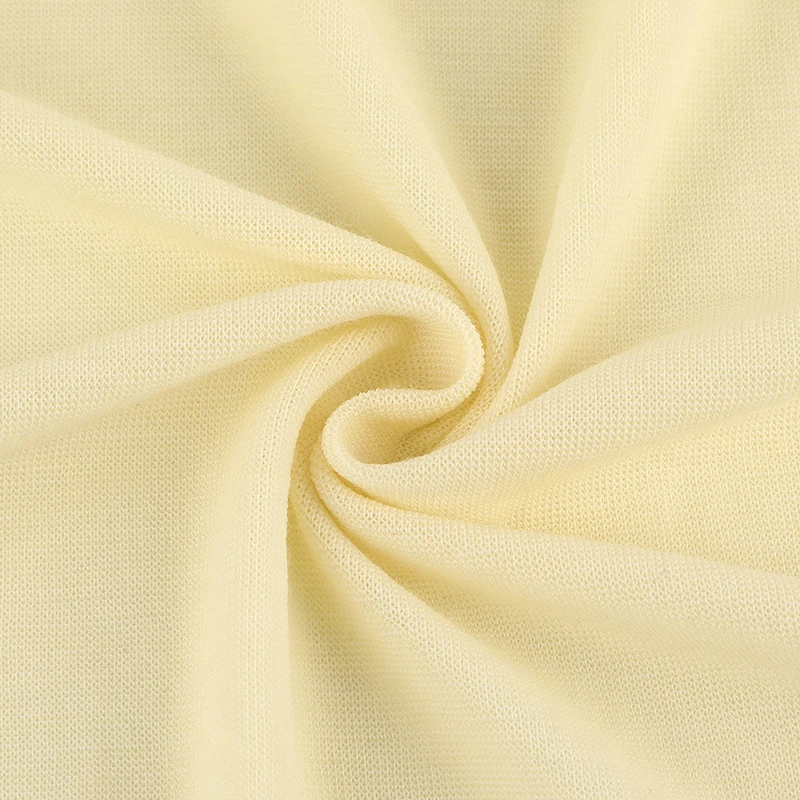
Wool rib knit fabric is produced with a classic 1×1 rib construction, creating a balanced surface with excellent elasticity and shape retention. Compared with plain knit fabrics, the rib structure provides greater stretch and a thicker, more insulating hand feel, making it suitable for fitted garments and thermal apparel. The wool-rich composition offers natural softness, warmth, and breathability, while a small percentage of spandex or nylon improves recovery and durability during repeated wear.
With a weight range of 175–200 gsm, this fabric is suitable for long-sleeve tops, base layers, lounge sets, and lightweight knitwear designed for cooler seasons. The circular knitted structure also ensures a smooth, comfortable feel against the skin, making it suitable for next-to-skin garments.
- Soft and warm wool-rich rib construction
- 1×1 rib structure with good stretch and recovery
- Breathable and comfortable for next-to-skin wear
- Suitable for thermal apparel, loungewear, and knit tops
- Available in custom colors, weights, and widths
Customization Options
- Fabric weight customization from lightweight to heavier thermal qualities
- Wool blend adjustment with spandex or nylon content
- Yarn count selection according to garment requirements
- Fabric width adjustment for different cutting efficiencies
- Custom dyeing in solid colors or melange shades
- Brushed, soft-touch, or anti-pilling finishing options
- Moisture-wicking or thermal performance treatments
- Compatibility with embroidery, patchwork, and garment washing
- Shrinkage control and pre-setting for stable garment production
- Custom packaging and roll length based on export requirements