
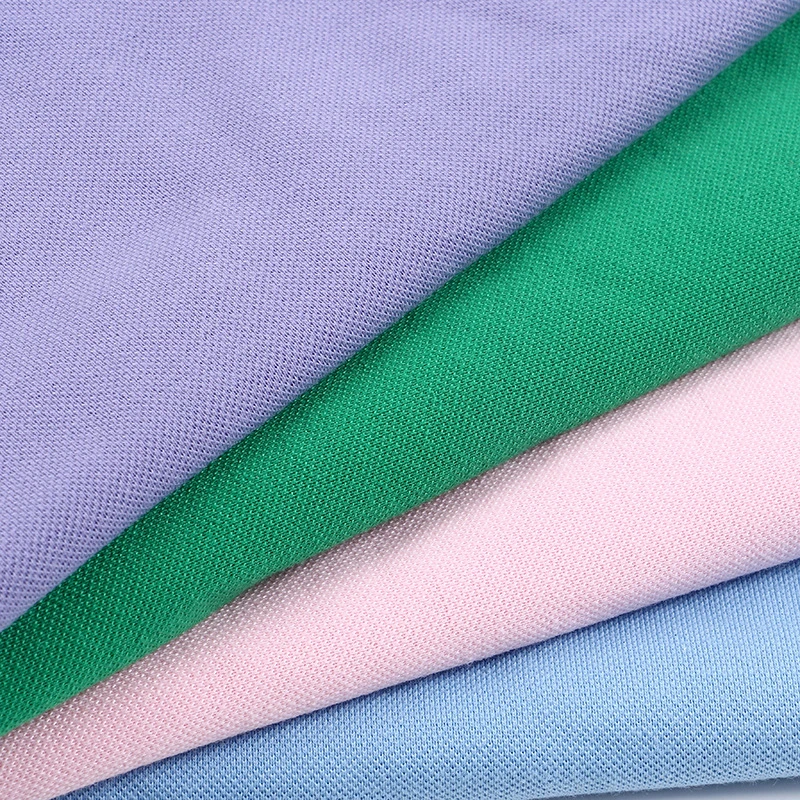
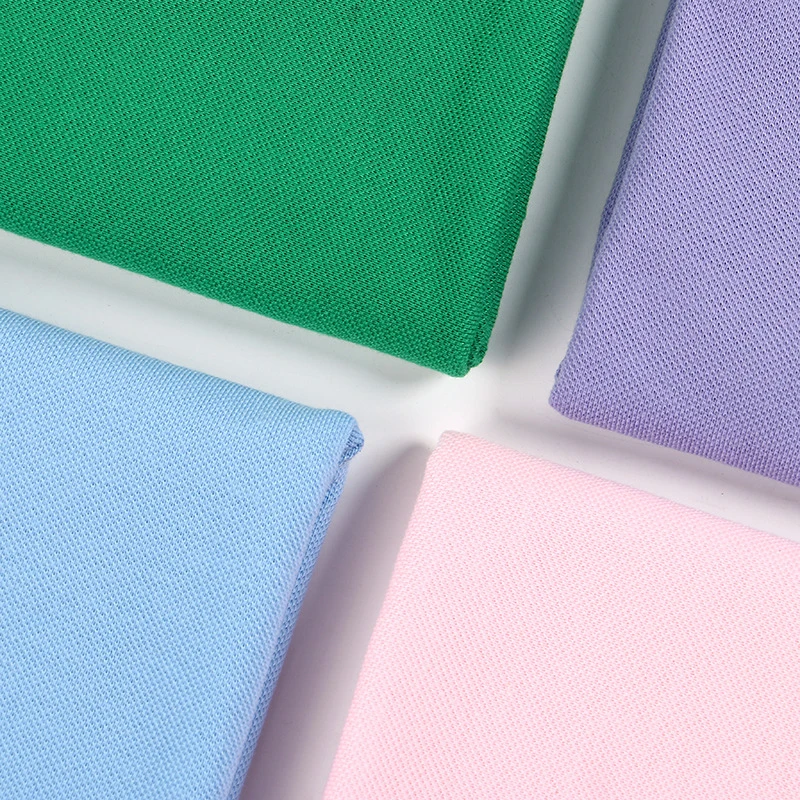
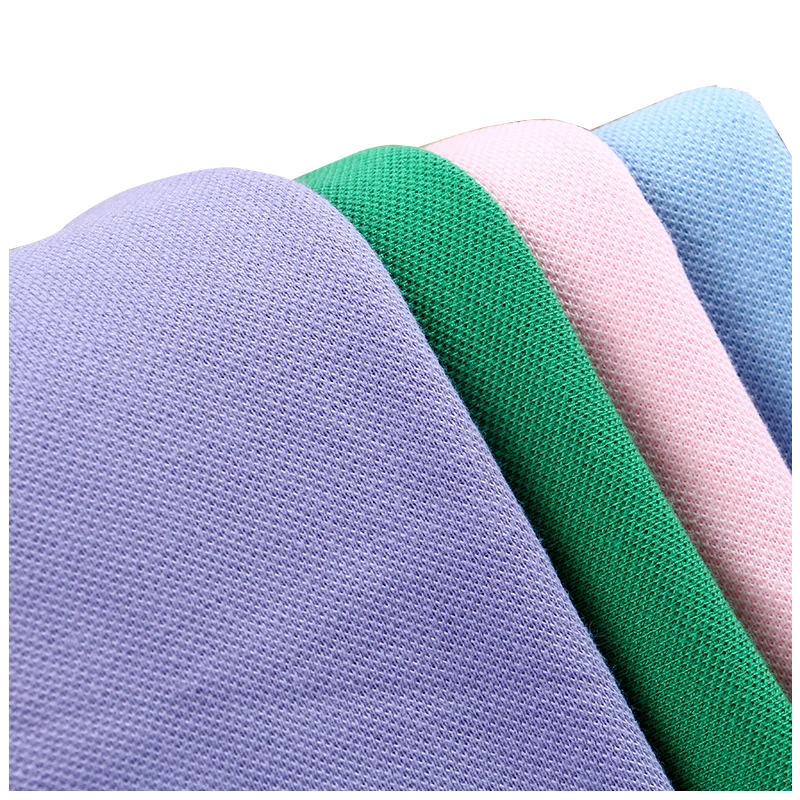
100% Cotton Pique Fabric for Polo Shirts and Breathable Casual Wear
Cotton pique fabric is widely used for polo shirts, T-shirts, casual wear, and lightweight sportswear. Its breathable texture and structured surface also make it suitable for children’s clothing, uniforms, and comfortable everyday garments.
| Fabric Specifications | |||
|---|---|---|---|
| Material | 100% Cotton | Fabric Structure | Pique Knit (Single Pique / Double Pique) |
| Weight (GSM) | 160–280 GSM | Yarn Count | 32S / 40S (Single or Double Yarn) |
| Width | 170–185 cm | Knitting Gauge | 18–24 Gauge |
| Elasticity | Low to Moderate | Fabric Finish | Combed, Enzyme Washed |
| Surface Texture | Honeycomb / Mesh Texture | Color Options | Dyed or Custom Colors |
| Breathability | Excellent | MOQ | Depends on specification |


Planning a custom apparel project? Explore our Custom OEM process or request a quote with your fabric, logo and quantity requirements.
Product Overview & Key Features
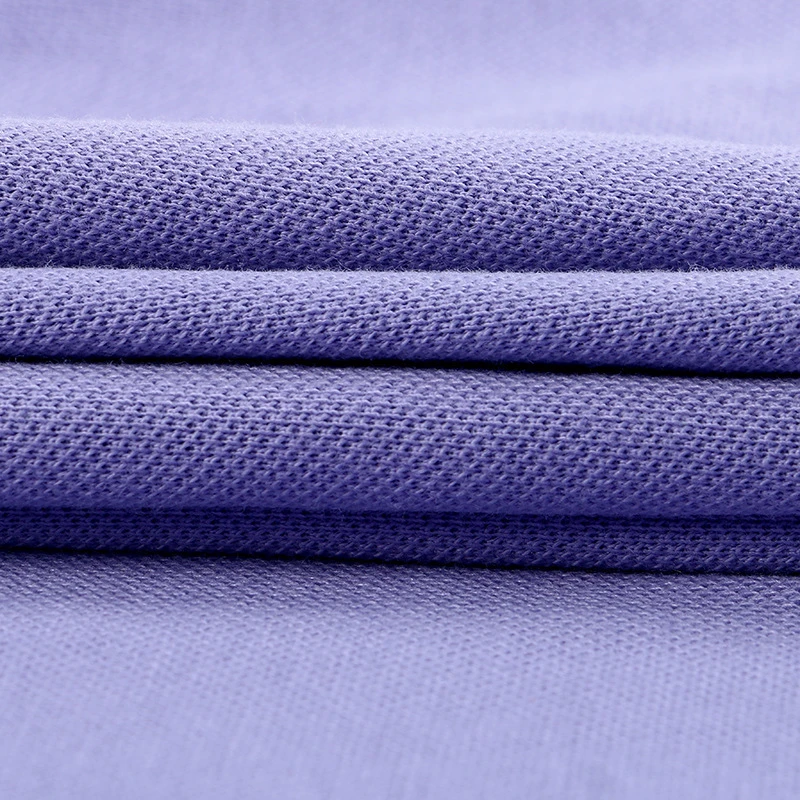
Cotton pique fabric is a classic knitted textile characterized by its distinctive textured surface, typically formed through a structured knit that creates a subtle raised pattern such as honeycomb or mesh. Compared to standard jersey fabrics, pique knitting provides better dimensional stability and enhanced airflow due to its slightly open structure.
Made from high-quality cotton yarns, including combed cotton options such as 32S and 40S, this fabric offers a balance of softness, durability, and breathability. Its moderate weight range makes it ideal for garments that require both structure and comfort, especially polo shirts and casual tops. The fabric’s moisture absorption and ventilation properties contribute to improved wearing comfort in warm conditions.
Key Features:
- Textured pique knit structure with enhanced airflow
- Soft hand feel with good durability
- Excellent breathability and moisture absorption
- Better shape retention than standard jersey
- Suitable for structured casual and sportswear garments
Customization Options
- Fabric weight customization (lightweight to heavyweight pique)
- Yarn count selection (e.g., 32S, 40S, combed or carded cotton)
- Single pique or double pique structure options
- Fabric width adjustment based on production requirements
- Dyeing methods (reactive dyeing, pigment dyeing)
- Printing compatibility (screen printing, digital printing)
- Enzyme wash or bio-polishing for improved softness
- Anti-pilling and shrinkage control finishing
- Custom texture patterns (mini pique, mesh variations)